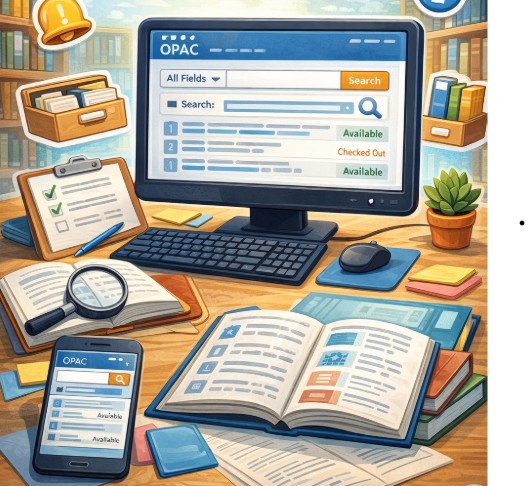
A library catalogue is a structured and systematic tool used by libraries to organize, manage, and provide access to their resources. It serves as a centralized database that contains detailed information about the materials available within the library, such as books, journals, e-books, multimedia, and other resources. The catalogue allows users to search for specific items based on various criteria, such as title, author, subject, and call number, facilitating efficient information retrieval. In addition to bibliographic data, the catalogue often includes details about the resource’s availability, location within the library, and circulation rules. With the rise of digital resources, modern catalogues also incorporate access information for online materials, enabling users to find both physical and electronic resources.
Key Components of a Library Catalogue
A library catalogue is an essential tool for organizing, managing, and locating library resources. It serves as a systematic method for retrieving information about books, journals, electronic resources, and other materials within a library. The catalogue provides users with detailed bibliographic and availability information, ensuring easy access to the library’s vast collection. The key components of a library catalogue include bibliographic information, classification and subject details, physical descriptions, location data, access information, circulation rules, and additional notes. Each of these components plays a vital role in ensuring the catalogue’s functionality and efficiency. Below is a detailed exploration of these components.
1. Bibliographic Information
The foundation of any library catalogue is the bibliographic information, which provides essential details about the library resource. This component typically includes:
-
- Title: The name of the resource, such as the title of a book, journal, or other media.
- Author/Creator: The person(s) or entity responsible for creating the work, which could be an author, editor, compiler, or artist.
- Publisher: The organization or individual responsible for producing and distributing the resource.
- Edition: If applicable, the specific edition or version of the resource.
- Publication Date: The year the resource was published, helping to identify its relevance and context.
- ISBN/ISSN: Unique identifiers for books (ISBN) and journals (ISSN), which are vital for distinguishing between different works and editions.
This detailed bibliographic data allows users to search for specific works efficiently and precisely.
2. Classification and Subject Information
Classification and subject information help organize the library collection by categorizing resources based on their content. This section usually includes:
-
- Call Number: The unique identifier that corresponds to a resource’s placement within the library’s classification system. The most common classification systems include the Dewey Decimal Classification (DDC) and the Library of Congress Classification (LCC).
- Subject Headings: Keywords or descriptors that reflect the main themes or topics of the resource, allowing users to find materials related to a specific subject.
- Genre/Type: Information about the type of resource, such as whether it is a book, journal, video, or audio recording. This helps differentiate between the formats of resources.
These classification details streamline the search process, enabling users to locate materials on a particular subject efficiently.
3. Physical Description
The physical description component provides detailed information about the physical attributes of the resource, particularly for print materials. It may include:
-
- Format: Specifies the type of resource, such as whether it is a physical book, an e-book, a DVD, or another medium.
- Size/Dimensions: Describes the physical size of the resource, which is particularly relevant for items like books, journals, and audiovisual materials.
- Number of Pages: The total number of pages in a book or journal volume, which can be important for users when determining the scope of the resource.
For digital resources, the physical description might be less relevant but can include information on file formats or resolution (for digital images or videos).
4. Location and Availability
This component is essential for users seeking to access a physical resource in the library. It provides crucial information regarding where to find the item and its availability status:
-
- Library Location: Specifies the area or section of the library where the resource is housed (e.g., general collection, reference section, special collections).
- Shelf Location: Further details the exact shelf or row within the library where the resource can be found.
- Availability Status: Indicates whether the resource is currently available, checked out, reserved, or in the process of being catalogued.
For digital resources, this section might indicate online access or provide URLs to databases or other platforms.
5. Access Information (for Digital Resources)
With the growing shift towards digital resources, library catalogues now include access information for electronic materials. This section typically includes:
-
- Online Availability: A link or detailed instruction on how to access the resource online, whether it’s a direct download, streaming, or a subscription-based service.
- Database Information: For journal articles, e-books, and other digital content, this includes information about which database or platform hosts the resource, such as JSTOR, EBSCOhost, or a specific e-book platform.
This ensures that users can easily locate and access digital content, either on-site or remotely.
6. Circulation Information
Circulation information provides details about the borrowing process, helping users understand how they can check out or reserve materials. It typically includes:
-
- Loan Period: The length of time a user can borrow the resource, such as two weeks or one month.
- Renewal Information: Whether or not a borrowed resource can be renewed, and if so, how to go about doing it.
- Borrower’s History: Some catalogues may track who has borrowed a specific item, providing a history of previous users, which can be useful for the library’s internal records.
For digital resources, circulation rules may also include licensing agreements, download limits, or expiration dates for access.
7. Notes and Special Features
In addition to the primary data, library catalogues often contain additional notes or features that offer further context or details about a resource. These might include:
-
- Annotations: A brief summary or description of the resource’s content, offering users insights into its relevance and value.
- Reviews: External evaluations or critical assessments of the resource, often included for scholarly materials like books or articles.
- Special Features: Details about any accompanying materials (such as a CD or supplementary video with a book) or unique characteristics of the resource (e.g., large print or special edition).
These notes help users understand the full scope and context of a resource, enabling more informed decisions about whether to borrow or use it.
A well-structured library catalogue is an invaluable tool that ensures the efficient organization and retrieval of library materials. The key components—bibliographic information, classification and subject details, physical descriptions, location and availability data, access information, circulation rules, and additional notes—work together to create an effective system that enhances the user experience. By providing comprehensive information on each resource, library catalogues help users quickly locate, access, and understand the materials available in a library’s collection, whether in print or digital formats.