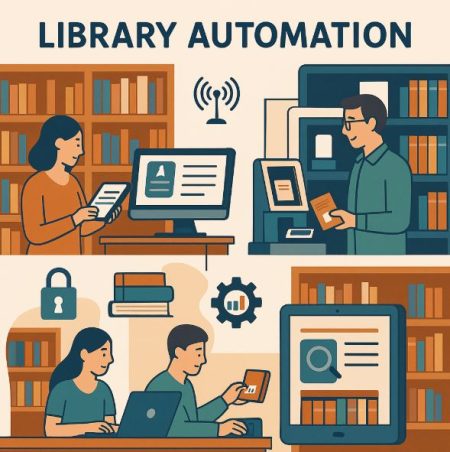
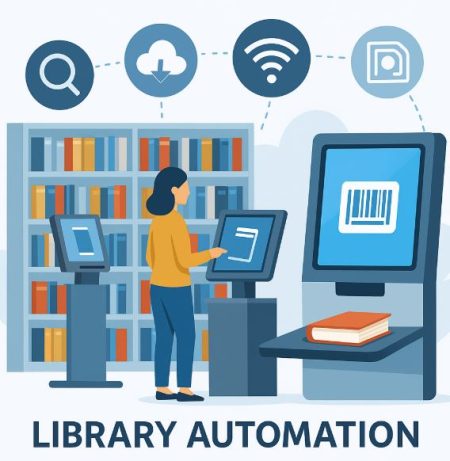
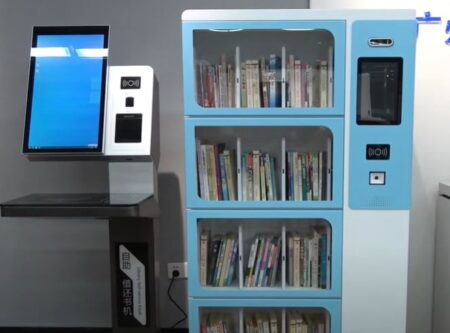
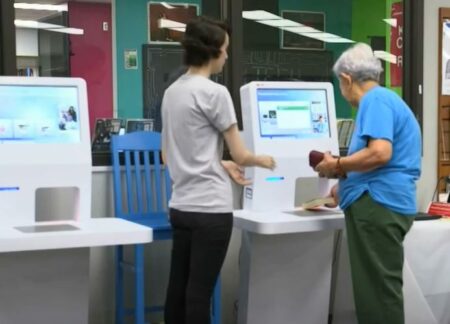
Library automation offers a wide range of key benefits that significantly improve operational efficiency in modern libraries. By leveraging advanced technologies, libraries can streamline routine tasks, reduce the manual workload of staff, and enhance the overall speed and accuracy of their operations. Automated systems such as Library Management Systems (LMS), RFID technology, and self-checkout kiosks play a pivotal role in transforming processes like cataloguing, circulation, and inventory management. These tools enable libraries to handle large volumes of transactions quickly and efficiently, ensuring that materials are readily available, correctly catalogued, and properly tracked. Automation also minimizes the chances of human error, ensuring greater accuracy in resource management, reducing mistakes in checkout or record-keeping, and improving the reliability of inventory systems. By automating these repetitive processes, libraries can redirect valuable staff time and resources toward more strategic activities, such as user engagement, research support, and community programs, ultimately improving service delivery and making operations more cost-effective. With faster workflows and fewer manual interventions, libraries can offer a seamless, user-friendly experience, thus significantly boosting their operational efficiency.
Importance of Library Automation in the Modern Library System
In today’s fast-paced, technology-driven world, libraries have embraced automation to enhance their operational efficiency, streamline resource management, and improve user services. Automation in libraries has become a necessity, as it addresses the growing demands for accessibility, accuracy, and faster service delivery. By incorporating automated systems, libraries can reduce manual workloads, minimize errors, and provide a more personalized and user-friendly experience for patrons. Automated Library Management Systems (LMS) play a crucial role in revolutionizing daily operations such as cataloguing, circulation, and inventory management. These systems allow for quicker, more accurate processing of transactions, reducing the time spent on repetitive tasks and freeing up staff to focus on more specialized services, such as research assistance and library programming.
Resource management has also greatly improved with the introduction of automation. Through the use of automated systems, libraries can track the circulation of materials in real time, ensuring that resources are readily available to users. RFID technology further supports efficient inventory management by allowing for easy tracking and reducing the chances of misplaced items. Libraries are able to manage large collections more effectively by continuously updating records and automatically keeping track of which materials are available, on loan, or overdue. Moreover, automation enables libraries to analyze resource usage and identify which materials are in demand, guiding decisions about collection development and acquisitions. This ability to gather real-time data ensures that libraries can better meet the needs of their users and align their collections with patron preferences.
Library automation has also significantly enhanced the user experience by providing more convenient and flexible services. Self-service kiosks allow patrons to check out books, renew items, and return materials without staff assistance, reducing wait times and offering greater independence to users. Automated search systems enable users to search across multiple databases, catalogues, and digital repositories simultaneously, providing them with relevant and up-to-date information with minimal effort. Additionally, automation facilitates remote access to digital resources such as e-books, journals, and databases, enabling users to access library materials from anywhere at any time. Automated authentication systems ensure secure access to these resources, making it easier for authorized users to obtain the information they need without being physically present in the library.
Another important benefit of automation is the reduction of human error. Manual processes in libraries are often prone to mistakes, especially when handling large volumes of data or transactions. Automated systems reduce the risk of misclassification, incorrect checkouts, and other errors by automatically updating records and tracking materials accurately. RFID technology, for example, enables libraries to monitor the location of resources easily and perform quick inventory checks, ensuring that items are properly accounted for. By eliminating these errors, libraries can operate more smoothly and provide more reliable services to their users.
Automation also supports libraries in their digital transformation efforts, allowing them to manage and deliver digital resources effectively. As libraries increasingly offer e-books, online journals, and digital archives, automation is necessary to ensure these resources are well-organized and accessible. Automated systems help manage digital collections, provide secure remote access, and facilitate efficient discovery of content. Moreover, automation allows libraries to integrate emerging technologies like artificial intelligence (AI) and machine learning, further improving user services. AI-powered systems can recommend materials based on users’ search history and preferences, while chatbots can assist with virtual reference services, providing immediate support for users at any time.
The ability to collect and analyze data is another key advantage of library automation. Automated systems generate detailed reports on resource usage, circulation trends, and user behaviors, offering valuable insights into library operations. This data-driven approach enables library staff to make informed decisions about collections, staffing, and service improvements. For instance, libraries can identify which resources are most popular and ensure they are always available to meet demand. Additionally, data analysis can help libraries identify underutilized materials and make decisions about collection weeding or replacement. Automated reporting systems also help libraries manage their budgets, track expenses, and generate performance metrics, making it easier to monitor the effectiveness of library programs and services.
While the initial investment in automation technology can be significant, it often leads to long-term cost savings. By automating routine tasks such as cataloguing, circulation, and inventory management, libraries reduce their reliance on manual labour and can operate more efficiently with fewer staff. Automation minimizes errors, which reduces the need for costly corrective actions, such as locating misplaced books or reconciling inaccurate records. These cost savings can be redirected into other areas of the library, such as acquiring new resources, upgrading technology, or improving services for patrons.
How Library Automation Improves Resource Management and Accessibility
Library automation has significantly improved both resource management and accessibility in libraries. Traditional methods of cataloguing, inventory management, and resource circulation were often manual, time-consuming, and prone to human error. However, with the introduction of automated systems such as Library Management Systems (LMS) and Radio Frequency Identification (RFID) technology, libraries have been able to streamline these processes, making them more efficient and accurate. Automated systems allow libraries to quickly catalogue new materials, ensuring that their collections are up-to-date and easily accessible. By automatically assigning classification codes and managing records, these systems eliminate the need for manual data entry, reducing the chances of misclassification and ensuring consistency across the collection. Additionally, RFID technology has revolutionized inventory management by enabling staff to perform efficient inventory checks and track materials in real-time, minimizing the risk of lost or misplaced items.
Automation has also greatly improved the accessibility of library resources. Through automated systems, users can now easily search across multiple databases, catalogues, and digital repositories at once, allowing them to find relevant materials quickly. These systems enhance the discovery process by offering personalized recommendations based on a user’s search history and preferences. This capability ensures that users are presented with the most relevant results and can easily find new materials of interest. Additionally, automation facilitates remote access to digital resources such as e-books, journals, and research databases, making it possible for users to access library materials at any time and from any location with an internet connection. Secure authentication systems ensure that only authorized users can access these digital resources, providing both convenience and security.
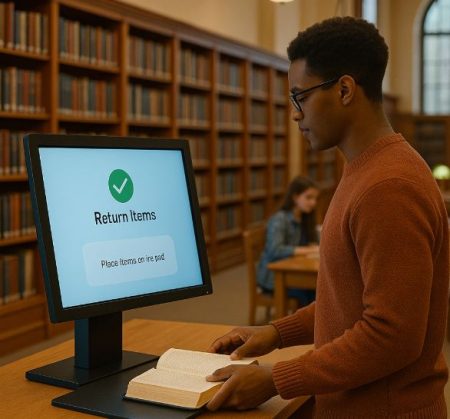
Furthermore, the introduction of self-checkout kiosks powered by RFID technology has allowed library patrons to borrow and return materials independently, reducing wait times and improving overall user experience. These automated systems track the circulation of materials in real-time, ensuring that the library’s collection is accurately monitored and efficiently managed. Automated systems also provide valuable insights into resource usage, allowing libraries to make data-driven decisions about acquisitions, weeding, and budget allocation. By analyzing circulation patterns, libraries can determine which materials are in high demand and ensure that they remain available to users, while also identifying underutilized resources.
Ultimately, library automation not only improves operational efficiency but also enhances the overall user experience by providing faster, more convenient access to resources, both physical and digital. The ability to quickly locate materials, check out resources independently, and access digital content remotely has made libraries more accessible and user-friendly. Additionally, the accuracy and efficiency brought by automation reduce the time spent on manual tasks, allowing library staff to focus on more specialized services, such as research support and educational programming. As libraries continue to adopt new technologies, automation will remain a vital component in managing resources effectively and ensuring that library services are both efficient and accessible to all.
How Automation Enhances the User Experience in Libraries
Automation has become an integral part of modern libraries, playing a key role in enhancing the user experience by streamlining processes, increasing accessibility, and providing personalized services. By adopting automation technologies, libraries can offer more efficient, convenient, and user-friendly services that meet the growing demands of today’s information-seeking patrons. From self-service kiosks to advanced digital resource management systems, automation is transforming the way users interact with library services, ensuring that their needs are met quickly and effectively. Let’s explore how automation enhances the user experience in libraries, highlighting the significant improvements in convenience, access, and service delivery.
- Self-Service Options for Convenience: One of the most visible ways that automation enhances the user experience is through self-service options. Self-checkout kiosks powered by Radio Frequency Identification (RFID) technology enable library patrons to borrow and return materials independently, reducing wait times and increasing the convenience of using library services. This shift from traditional manual checkouts to automated systems provides users with greater flexibility, allowing them to complete transactions quickly without needing to wait in line for staff assistance. In addition to improving efficiency, self-service kiosks allow library staff to focus on more specialized tasks, such as providing research support and assisting with complex inquiries. The result is a more streamlined and user-centric library experience that caters to the fast-paced demands of modern users.
- Faster and More Accurate Resource Discovery: Another significant way automation enhances the user experience is through the improved resource discovery process. Automated search systems allow users to search for materials across multiple catalogues, databases, and repositories simultaneously. This integrated approach saves users time and effort by quickly providing them with a comprehensive set of results. The automated systems sort and filter search results based on relevancy, making it easier for patrons to find the materials they need without having to navigate through multiple resources manually. Moreover, these systems provide personalized recommendations based on users’ search history and preferences, helping them discover new resources and ensuring a more tailored and engaging experience.
In addition, automation ensures that new acquisitions are immediately available for search, making it possible for users to access the most up-to-date materials without delay. This real-time cataloguing and indexing provide users with accurate, current information, allowing them to engage with the library’s latest resources seamlessly. - Remote Access to Digital Resources: Automation significantly enhances accessibility by enabling remote access to digital resources. With the rise of e-books, online journals, and research databases, automated systems like OpenAthens allow users to access library materials from anywhere with an internet connection. This is particularly valuable for students, faculty, and researchers who need access to scholarly resources outside of normal library hours or who are unable to visit the physical library. By eliminating geographical and temporal barriers, automated systems ensure that users can access the library’s digital resources 24/7, whenever they need them. Furthermore, automated authentication systems ensure that only authorized users, such as students or faculty members, can access certain digital materials, protecting intellectual property while offering convenient access. This secure yet flexible access to digital content enhances the overall user experience, making library resources more accessible to a broader range of users, regardless of location or time.
- Seamless Communication and Notifications: Automation also enhances communication between the library and its patrons, ensuring that users are informed and engaged. Automated systems can send reminders about overdue items, upcoming due dates, new acquisitions, library events, or special programs. These notifications can be sent through email, text message, or app alerts, ensuring that users receive timely and relevant information. For example, users are alerted when a book they requested is available for pickup or when their checked-out materials are nearing their return deadline. These automatic reminders help users stay organized and reduce the likelihood of overdue items, improving the overall library experience. Additionally, automated notifications can inform users about new resources or library services that match their interests, encouraging greater engagement with the library. Whether it’s an invitation to an upcoming event or an alert about a newly available research article, these communications make it easier for patrons to stay connected with library offerings and fully utilize available resources.
- Real-Time Tracking and Improved Availability of Resources: Automated systems improve the availability of library resources by providing real-time tracking of materials. RFID technology, for instance, allows libraries to monitor the location of materials continuously, ensuring that resources are readily available and properly maintained. When a patron searches for a book or other materials, automated systems provide up-to-date information on its availability, saving users the frustration of discovering that an item is unavailable or misplaced. Additionally, real-time inventory management allows libraries to quickly locate lost items and perform inventory checks without the need for manual scanning or physical tracking, ensuring that resources are always in proper circulation. By automating inventory and circulation processes, libraries can also ensure that high-demand materials are quickly checked in, catalogued, and re-shelved, improving resource accessibility for all users. The streamlined handling of materials reduces delays and minimizes errors in record-keeping, allowing users to trust that library resources will be available when they need them.
- Personalized and Tailored Library Services: Automation also allows libraries to offer more personalized services to patrons. Through the use of automated systems, libraries can track user preferences and provide customized recommendations based on past searches and borrowing history. For example, a user who frequently borrows books on a particular subject may receive automatic alerts when new books or articles related to that topic are added to the collection. This personalized approach enhances the user experience by making it easier for patrons to discover resources that are most relevant to their needs. Furthermore, automated systems can track user behaviour to offer more targeted services. For example, libraries may tailor their marketing efforts, events, and programs based on the preferences and interests of different user groups, ensuring that the library meets the diverse needs of its patrons.
Automation significantly enhances the user experience in libraries by making processes more efficient, accessible, and personalized. From self-service kiosks and automated resource discovery to remote access to digital content and real-time notifications, automation provides users with greater convenience and flexibility in their interactions with the library. By reducing wait times, improving resource availability, and offering personalized recommendations, automation ensures that libraries can better serve the needs of their patrons, fostering increased engagement and satisfaction. As libraries continue to embrace new technologies, automation will remain at the forefront of creating a more user-friendly, efficient, and accessible library experience.
How Library Automation Contributes to Cost Savings and Resource Optimization
Library automation plays a crucial role in driving cost savings and optimizing resources, making library operations more efficient and sustainable. By automating routine tasks such as cataloguing, circulation, and inventory management, libraries can significantly reduce the need for manual labour, allowing staff to focus on higher-value tasks like research assistance and user engagement. This shift not only saves time but also lowers staffing costs, which are typically one of the largest expenditures for libraries. Self-checkout kiosks, RFID systems, and automated library management systems streamline day-to-day operations, ensuring that the library can function effectively with fewer staff members and reduced administrative overhead.
Automation improves resource optimization by providing real-time data and insights into resource usage. Automated systems can track which materials are in high demand and which are underutilized, helping libraries make more informed decisions about acquisitions and weeding. With accurate usage data, libraries can allocate their budgets more efficiently, ensuring that funds are directed toward acquiring high-demand resources while avoiding unnecessary purchases of low-usage items. Furthermore, automated inventory management systems ensure that materials are efficiently tracked and monitored, reducing the risk of misplaced or lost resources. This not only saves money on replacements but also ensures that resources are readily available to users, improving overall service delivery.
The cost-saving benefits of library automation are also evident in improved operational efficiency. By automating tasks like overdue notifications and inventory checks, libraries reduce the time and effort spent on manual administrative processes, minimizing errors and reducing the need for costly corrective actions. Automation further reduces the likelihood of material loss, ensuring that the library’s resources are efficiently managed and accounted for. The reduced reliance on paper-based systems and manual record-keeping also contributes to cost savings by eliminating the need for physical storage and minimizing paper-related expenses.
The Role of Library Automation in Modernizing Library Services
Library automation plays a crucial role in modernizing library services by improving operational efficiency, enhancing accessibility, and offering a more personalized user experience. Traditionally, libraries relied on manual processes for tasks such as cataloging, circulation, and inventory management, which were time-consuming and prone to errors. With the integration of automated systems like Library Management Systems (LMS) and Radio Frequency Identification (RFID) technology, libraries can now manage large volumes of resources more efficiently. Automated systems allow for quick and accurate cataloging, real-time tracking of materials, and streamlined circulation processes. Self-checkout kiosks, for example, allow library patrons to borrow and return materials independently, reducing wait times and improving convenience. This shift from manual to automated systems frees up library staff to focus on more specialized services such as providing research assistance and engaging with users on a more personal level.
In addition to improving efficiency, automation enhances accessibility by enabling remote access to digital resources. Automated authentication systems, such as OpenAthens, provide users with secure access to e-books, journals, and online databases from any location, ensuring that library resources are available 24/7. This increased access to digital content is particularly valuable for students and researchers who require continuous access to scholarly materials outside of library hours. Moreover, automated search systems improve resource discovery by allowing users to search across multiple catalogues, databases, and digital repositories simultaneously. Personalized recommendations based on users’ search history or preferences further enhance the discovery process, ensuring that patrons find relevant materials quickly and efficiently.
Automation also optimizes resource management by offering real-time tracking of materials and reducing the risk of lost or misplaced items. RFID technology, for instance, allows libraries to monitor the location of materials easily, facilitating quick inventory checks and ensuring that resources are readily available. Automated cataloging systems ensure that resources are accurately classified and indexed, making them easy to locate when needed. The automation of these processes reduces the manual labor required, minimizes errors, and ensures the efficient use of library resources. Furthermore, automation provides valuable data on resource usage, helping libraries make informed decisions about acquisitions, weeding, and budget allocation. By analyzing usage patterns, libraries can ensure that their collections align with the needs of their patrons, optimizing their budgets and resources.
Another significant benefit of automation is the cost savings it brings to libraries. Although the initial investment in automated systems may be high, the long-term savings are substantial. By reducing the need for manual labor, automation lowers staffing costs and minimizes errors that can lead to costly mistakes, such as misplaced books or mismanaged circulation. Automated systems also help libraries streamline administrative tasks, such as overdue notifications, making them more cost-effective. In addition, automation contributes to sustainability by reducing the reliance on paper-based systems and physical storage, promoting environmentally friendly practices.