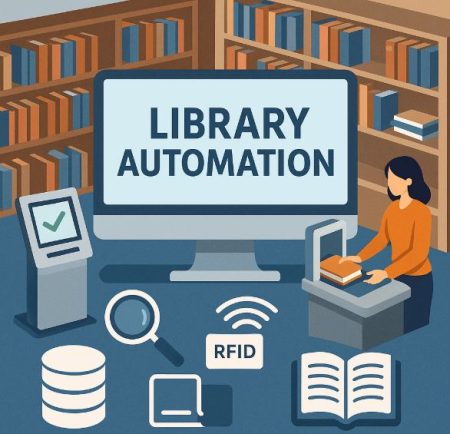
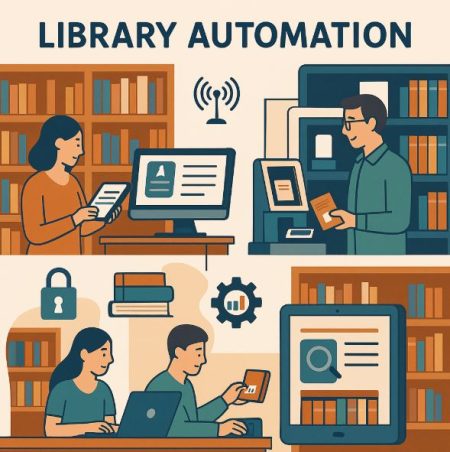
Library Automation refers to the integration of technology into library operations to streamline and enhance various services, particularly in managing resources, circulation, cataloguing, and user services. By automating repetitive tasks that were traditionally done manually, such as checking in and out materials, updating records, and tracking inventory, libraries can significantly increase their efficiency and effectiveness. The core goal of library automation is to reduce human error, improve service delivery, and make library operations more efficient, allowing staff to focus on more complex, value-added tasks such as customer support and resource development.
One of the most significant areas where library automation has a profound impact is in circulation services. In traditional libraries, circulation services—such as checking out books, processing returns, and managing overdue items—required manual intervention, which could be slow, prone to error, and labour-intensive. Automation, particularly through the use of Integrated Library Management Systems (ILMS), RFID technology, and self-checkout systems, has revolutionized this process. Automated systems allow for faster transactions, such as quicker checkouts and returns, real-time updates of inventory and borrowing records, and immediate notifications of overdue materials. As a result, library patrons experience shorter wait times, and the likelihood of human errors, such as incorrect charging or misplaced items, is significantly reduced. By integrating these technologies into circulation services, libraries can offer a smoother, more accurate experience, enhancing the overall satisfaction of their users while increasing operational efficiency.
How Library Automation Enhances the Accuracy and Speed of Circulation Services
Library circulation services are central to a library’s operations, directly impacting how efficiently patrons access and return library materials. Traditionally, circulation services involved manual processes, which, while effective, were often time-consuming and prone to human error. However, with the advent of library automation, these processes have been significantly enhanced, improving both the speed and accuracy of circulation services. Automation in libraries streamlines circulation workflows, reduces administrative burdens, and creates a smoother experience for both staff and patrons. Here are the key ways in which library automation enhances the accuracy and speed of circulation services.
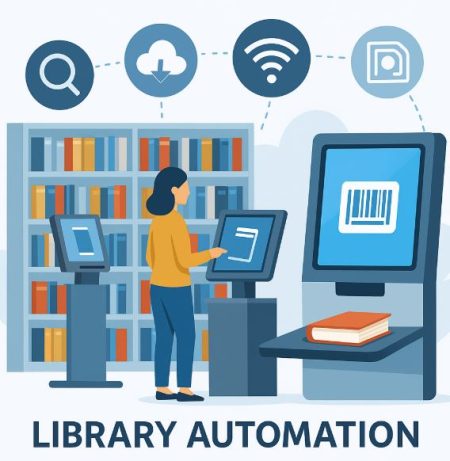
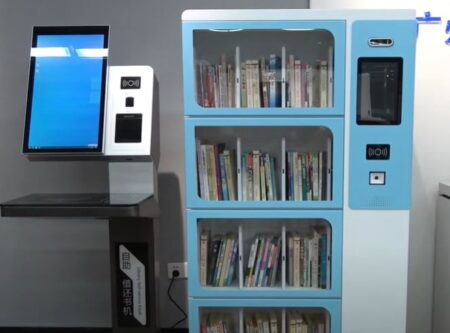
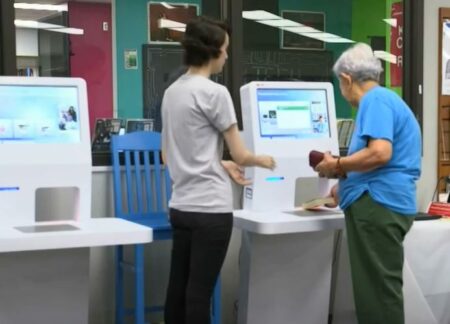
- Self-Checkout Systems for Faster Service: One of the most noticeable improvements automation brings to circulation services is the introduction of self-checkout stations. These systems enable patrons to independently check out materials without staff intervention. Using technologies like barcode scanning or RFID (Radio Frequency Identification), self-checkout systems automate the process of identifying materials and updating the library’s inventory in real-time. As a result, patrons can complete the checkout process quickly and efficiently, reducing wait times and the workload on staff.
Self-checkout systems are particularly beneficial during peak times, such as exam weeks or holidays, when libraries experience high traffic. These systems reduce long lines at circulation desks, allowing patrons to check out materials at their convenience. Furthermore, self-checkout reduces the likelihood of human error, such as mistakenly charging patrons for the wrong materials, as the system automatically registers the items being checked out. - RFID Technology for Faster and More Accurate Tracking: RFID technology has revolutionized circulation services by offering faster and more accurate tracking of materials. In a typical RFID system, library materials are tagged with RFID chips, which are then read by automated scanners at checkout or return points. Unlike traditional barcode scanning, RFID tags can be read quickly and from a distance, which speeds up the process of checking in and out materials. Additionally, RFID systems can read multiple items at once, further reducing wait times and increasing throughput during high-volume periods.
RFID technology also reduces the chances of errors that are common with manual or barcode scanning, such as scanning the wrong item or overlooking materials. As RFID systems automatically update the library catalogue and inventory when materials are checked in or out, they ensure real-time accuracy without the need for manual data entry. This automatic updating reduces the possibility of discrepancies in circulation records, such as incorrectly marked overdue items or missed check-ins. - Real-Time Data and Accurate Record-Keeping: Automated circulation systems allow libraries to maintain real-time data about the status of library materials. This ensures that the library’s inventory is always up-to-date and accurate, as automated systems continuously track borrowed items, due dates, and the status of materials. With automation, the library no longer has to rely on manual entry to update circulation records, which can lead to errors or omissions.
The use of automated systems to track materials also ensures that any overdue items are flagged promptly, reducing the risk of items being left unchecked. Patrons receive automated notifications about due dates or overdue items, preventing confusion and ensuring that materials are returned on time. This real-time tracking capability significantly enhances both the speed and accuracy of circulation services by reducing the administrative workload and minimizing the possibility of errors. - Integrated Reservation and Hold Systems: Automation enhances the efficiency of reservation and hold systems, allowing patrons to easily reserve materials that are currently checked out. Through integrated library systems (ILS), patrons can place holds on items, which are automatically tracked by the system. When an item is returned, the system notifies the patron that it is available for pickup, ensuring that materials are efficiently allocated and reducing the time spent on manual tracking.
Automated reservation systems are also connected to the library’s catalogue, enabling real-time visibility of available resources. This allows patrons to quickly determine if an item is available for checkout or if they need to place a hold. These automated systems not only speed up the process for users but also ensure the materials are available when needed, preventing delays and inefficiencies in circulation services. - Improved Inventory Management: Library automation enhances inventory management by providing accurate and real-time data on the status of materials. Automated systems make it easier for libraries to track the location and status of resources, including materials that are overdue, missing, or misplaced. Libraries can use automated tools to conduct periodic inventory checks using RFID scanners, which reduce the need for labor-intensive, manual inventory audits.
The use of automated inventory systems also ensures that missing or misplaced materials are quickly identified. Automated systems help to reduce instances of lost items, as they can notify staff when items are not returned on time or fail to appear in their designated locations. As a result, libraries can maintain better control over their collections, ensuring materials are accurately tracked and accounted for at all times. - Reduction in Human Error: One of the key benefits of library automation is the reduction in human error, which often occurs in manual circulation processes. Manual data entry, such as typing in book titles, checking in materials, or assigning due dates, is prone to mistakes. These errors can lead to misfiled books, incorrect records, or missed overdue charges.
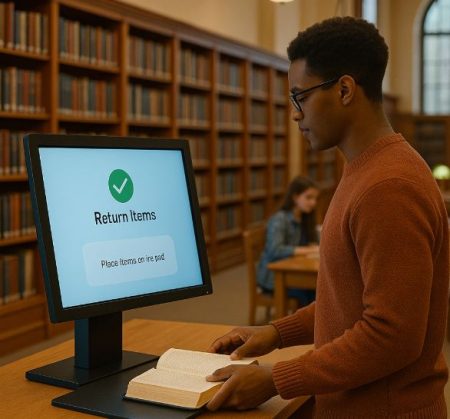
Automated systems, however, handle these tasks more accurately. For example, when an item is scanned at checkout, the system automatically registers the correct information in the library catalogue, ensuring that there are no data-entry errors. Automated systems can also send accurate notifications about overdue items, helping patrons stay informed and reducing the likelihood of misunderstandings. This reduction in human error improves the overall efficiency of circulation services and ensures that library materials are properly tracked and managed. - Faster Processing of Returns: Automated circulation systems can dramatically speed up the return process, reducing the time it takes for materials to be checked in and returned to the shelves. With RFID or barcode scanning systems, materials can be processed in bulk, allowing multiple items to be returned at once. This is a significant improvement over manual systems, where each item needed to be scanned individually, slowing down the process.
Additionally, automated return systems can quickly check the returned items for damages or missing components, such as CDs or supplementary materials, allowing library staff to address issues immediately. This fast processing ensures that materials are quickly made available for the next patron, reducing wait times and ensuring that the library’s collection remains in circulation as efficiently as possible.
Library automation has revolutionized circulation services by enhancing both the speed and accuracy of essential tasks. From self-checkout stations and RFID technology to integrated reservation systems and improved inventory management, automation streamlines the circulation process, reducing wait times, minimizing errors, and providing a smoother experience for both patrons and staff. By embracing automation, libraries can handle higher volumes of transactions, improve the accuracy of records, and ensure that their collections are effectively managed. As libraries continue to evolve, automation will remain a critical tool in meeting the growing demands of patrons and enhancing the overall library experience.