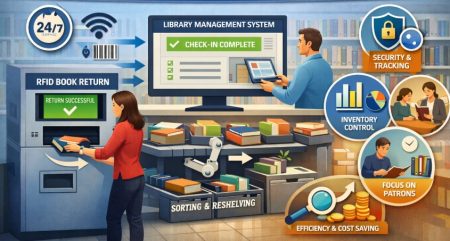
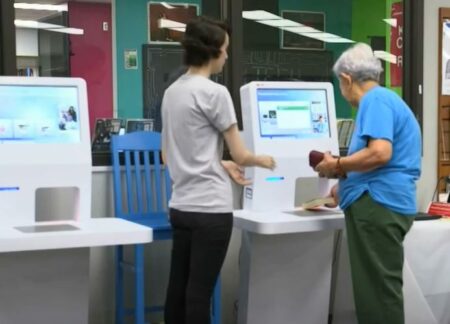
RFID technology has significantly expanded the accessibility of library services by introducing features such as 24/7 book return drops. This innovation allows users to return library materials at any time, transcending the constraints of traditional operating hours. Equipped with RFID tags, books can be seamlessly processed through automated readers, updating the library’s system in real-time without staff intervention. This enhances user convenience by eliminating operating hours restrictions and fosters a more inclusive library experience. The 24/7 book return drops cater to diverse schedules, allowing patrons to engage with library services on their own terms. This technological advancement streamlines the return process and contributes to modern library services’ overall efficiency, security, and user-centric nature. RFID technology extended the accessibility of library services.
Q: How has RFID technology extended the accessibility of library services beyond traditional operating hours, especially with features like 24/7 book return drops?
RFID technology has revolutionized the accessibility of library services by extending beyond traditional operating hours, providing users with unprecedented flexibility and convenience. One notable feature contributing to this accessibility is the implementation of 24/7 book return drops. Here’s how RFID technology has played a pivotal role:
- Contactless and Automated Returns: RFID-enabled book return drops allow users to return materials outside regular library hours. The technology enables contactless and automated processing, as each item has an RFID tag. Users can drop their books into the return slot, and RFID readers automatically register the return, updating the library’s system without manual intervention.
- User Convenience and Flexibility: The availability of 24/7 book return drops caters to the diverse schedules of library users. Whether it’s late at night, early in the morning, or during weekends, patrons can return borrowed items at their convenience. This user-centric approach enhances the overall experience and encourages more individuals to engage with library services.
- Reduced Dependency on Staff Assistance: Traditional book returns often required manual check-ins by library staff during operating hours. With RFID technology, returns automation reduces staff assistance dependency, allowing libraries to provide a more accessible and efficient service even when personnel are not physically present.
- Elimination of Late Fees and Penalties: 24/7 book return drops, coupled with RFID automation, help eliminate issues related to late fees and penalties. Users can return items promptly, regardless of the time, ensuring a hassle-free experience and promoting a positive relationship between libraries and their patrons.
- Real-time Updates to Library Systems: RFID technology facilitates real-time updates to the library’s management system. As users return items through the 24/7 book return drops, the system is instantly updated, reflecting accurate information on the availability of materials. This real-time aspect enhances the efficiency of library operations and improves the user experience.
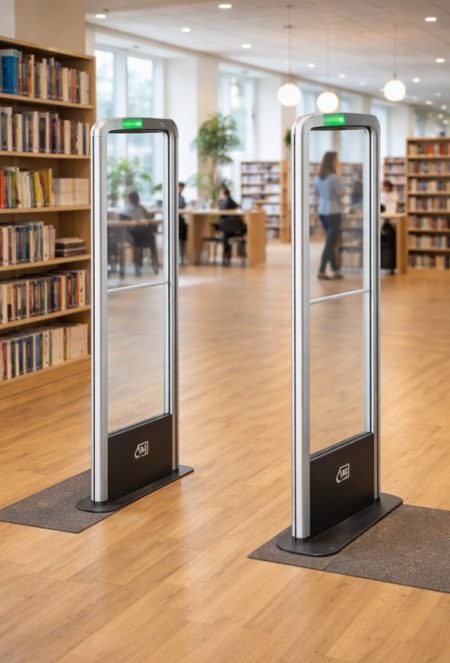
- Enhanced Security Measures: RFID tags on library materials enhance security measures during after-hours returns. The technology allows for automated security checks to ensure returned items are properly checked in and accounted for. This prevents theft and safeguards against any issues that might arise during unattended book returns.
- Encouragement of Library Usage: The availability of 24/7 book return drops encourages increased library usage by removing barriers associated with traditional operating hours. Patrons are more likely to borrow materials when they can conveniently return them anytime, fostering a continuous and dynamic engagement with library resources.
- Integration with Digital Services: RFID technology allows users to transition between physical and digital resources seamlessly when integrated with digital library services. This integration supports a holistic approach to library services, where users can access and return materials through various channels, extending the library’s reach beyond its physical location.
In summary, RFID technology, with features like 24/7 book return drops, has transformed the accessibility of library services. By providing users the flexibility to return materials anytime, libraries have embraced a user-centric approach that aligns with modern lifestyles and encourages a broader and more diverse audience to engage with their resources.