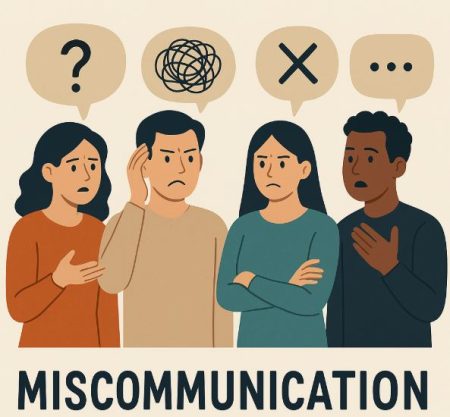
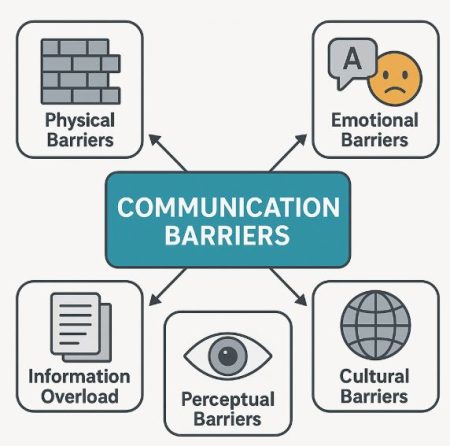
Communication is the cornerstone of all relationships, whether personal or professional. It plays a vital role in shaping the dynamics between individuals and ensuring the development of trust, understanding, and collaboration. Communication influences how relationships are formed, maintained, and strengthened in both personal and professional settings. The way individuals communicate with one another—whether through words, tone, body language, or listening—can have a profound impact on the quality of those relationships.
How Does Communication Impact Relationships in Personal and Professional Settings?
Communication is a fundamental component of human interaction that shapes the quality of our relationships, whether in personal or professional contexts. It serves as the foundation for understanding, connection, and cooperation, allowing individuals to express themselves, understand others, and navigate various situations. In both personal and professional settings, the way communication occurs—its clarity, tone, content, and delivery—has a significant impact on the health and success of relationships. Effective communication builds trust, fosters respect, and strengthens bonds, while poor communication can lead to misunderstandings, conflicts, and broken relationships.
Communication in Personal Relationships:
Communication plays a vital role in personal relationships, expressing emotions, resolving conflicts, and fostering connection. Healthy communication allows individuals to share their thoughts, feelings, and concerns openly, promoting mutual understanding and emotional intimacy. For instance, couples who communicate effectively about their needs, desires, and challenges tend to experience stronger bonds in romantic relationships. Open communication creates an environment where both partners feel valued, understood, and supported, leading to greater emotional fulfillment.
Active listening is a critical aspect of effective communication in personal relationships. By listening attentively, individuals can validate each other’s experiences, feelings, and perspectives. In relationships with friends or family, listening without judgment and offering empathetic responses helps strengthen the emotional connection. For example, when a friend shares a personal problem, being an active listener—asking thoughtful questions and offering support—helps the speaker feel heard and appreciated. This enhances the relationship by building trust and reinforcing the sense of support between individuals.
Conversely, poor communication can damage personal relationships. When communication is lacking or ineffective, it can create confusion, hurt feelings, and emotional distance. Misunderstandings, unresolved conflicts, and the inability to express needs can lead to frustration and resentment. For example, in a marriage, if one partner avoids discussing important issues or becomes defensive in conversations, it may lead to unresolved tension and weaken the relationship. In such cases, poor communication can undermine trust and create barriers that prevent individuals from resolving conflicts in a healthy manner.
Communication in Professional Relationships:
Communication is equally crucial in professional settings, albeit with a more structured approach. Effective communication in the workplace ensures that information is shared clearly, expectations are set, and goals are met. Strong communication skills help colleagues collaborate, make decisions, and navigate challenges in a way that fosters teamwork and productivity. When communication is transparent, employees are more likely to understand their roles and responsibilities, which reduces the likelihood of mistakes and confusion.
For example, in team meetings, clear and concise communication ensures that all team members understand the project objectives, deadlines, and individual tasks. When leaders communicate expectations and provide constructive feedback, employees are more likely to perform their jobs effectively and feel motivated. Additionally, clear communication allows for the sharing of ideas, innovation, and problem-solving, driving the success of the team and the organization.
In addition to task-oriented communication, interpersonal communication plays a critical role in professional relationships. How colleagues interact with one another—through tone, body language, and word choice—affects workplace dynamics. A manager who communicates in a respectful, approachable manner is more likely to foster a positive work environment where employees feel comfortable sharing ideas, offering feedback, and collaborating. On the other hand, poor communication in the workplace can lead to misunderstandings, decreased morale, and a lack of productivity. For example, unclear instructions, lack of feedback, or miscommunication between departments can result in delays, errors, or dissatisfaction among employees.
Effective communication also plays a key role in conflict resolution in professional settings. Disagreements are inevitable in any workplace, but how those conflicts are addressed depends on communication. When conflicts arise, those involved should communicate openly and respectfully, focusing on resolving the issue rather than escalating the problem. Leaders who mediate conflicts and ensure that all parties are heard can prevent issues from affecting the broader team or organization.
Non-verbal Communication in Both Settings:
While verbal communication is essential, non-verbal communication is equally important in both personal and professional relationships. Non-verbal cues—such as body language, facial expressions, tone of voice, and eye contact—can convey emotions, intentions, and understanding that words alone may not express. In personal relationships, non-verbal communication is often a key indicator of how someone feels, even when they are not verbally expressing it. For instance, a hug or a comforting touch can convey care and empathy, while body language, such as crossed arms, may indicate discomfort or defensiveness.
In professional settings, non-verbal communication also plays a significant role. A manager’s tone of voice, posture, and facial expressions can influence how feedback is received by employees. Positive body language, such as maintaining eye contact or offering a smile, can foster rapport and convey approachability. In contrast, negative body language, such as avoiding eye contact or appearing disinterested, can create a barrier to effective communication and hinder trust and collaboration.
The Impact of Technology on Communication:
With the advent of digital communication tools, such as email, video calls, and instant messaging, the way we communicate in both personal and professional settings has changed significantly. While technology has made communication faster and more convenient, it can also introduce challenges, such as a lack of personal connection or misunderstandings due to the absence of non-verbal cues. In personal relationships, over-reliance on text messaging or social media can sometimes lead to misinterpretations or a lack of emotional depth in communication. In the workplace, while digital communication can enhance productivity, it can also result in missed opportunities for face-to-face interaction and relationship-building.
Communication is essential for building and maintaining relationships in both personal and professional settings. Personal relationships foster emotional connection, understanding, and conflict resolution. In professional environments, it ensures clarity, collaboration, and productivity. Effective verbal or non-verbal communication plays a significant role in ensuring that relationships are positive, respectful, and productive. By developing strong communication skills and being mindful of verbal and non-verbal cues, individuals can enhance their relationships, improve work performance, and foster a more collaborative and supportive environment.
How Does Effective Communication Strengthen Personal Relationships?
Effective communication is a cornerstone of healthy and strong personal relationships. It involves conveying messages clearly and actively listening, understanding, and responding empathetically to others. In personal relationships, whether they are romantic, familial, or friendships, the quality of communication plays a pivotal role in building trust, resolving conflicts, and deepening emotional connections. When communication is open, honest, and respectful, it creates an environment where individuals feel heard, valued, and supported, ultimately strengthening the bond between them.
One of the most significant ways that effective communication strengthens personal relationships is by fostering trust. When people communicate openly and honestly, it eliminates misunderstandings and helps both parties align their expectations. For example, in a romantic relationship, clear communication about feelings, boundaries, and needs allows both partners to feel secure and respected. Trust is built over time when both individuals consistently engage in transparent and supportive communication, knowing that their thoughts and emotions will be met with understanding, not judgment.
Effective communication plays a crucial role in conflict resolution. Disagreements are inevitable in any relationship, but how they are communicated and addressed makes all the difference. Couples or friends who engage in respectful dialogue during conflicts instead of resorting to blame or silence are more likely to resolve their issues constructively. By using communication techniques such as “I” statements (e.g., “I feel hurt when…”) rather than accusatory language, individuals can express their concerns without escalating the situation. This helps resolve the issue at hand and reinforces a sense of mutual respect and understanding in the relationship.
In personal relationships, effective communication also deepens emotional intimacy. When people feel comfortable sharing their thoughts, dreams, and vulnerabilities with one another, it creates a stronger emotional connection. For example, in a friendship, sharing personal experiences and emotions fosters a sense of closeness and support. Similarly, in a marriage, openly discussing feelings and aspirations helps partners bond and navigate life’s challenges together. The ability to listen empathetically and offer emotional validation strengthens the emotional connection, making individuals feel more connected and understood. Moreover, non-verbal communication, such as body language, facial expressions, and tone of voice, significantly impacts how messages are received. Effective communicators are mindful of these non-verbal cues, ensuring that their words align with their emotions. For instance, maintaining eye contact, offering a comforting touch, or smiling while speaking can reinforce the sincerity of the message and make the recipient feel more cared for and appreciated.
In What Ways Can Poor Communication Lead to Misunderstandings or Conflicts in Personal Relationships?
Effective communication is the backbone of strong personal relationships, ensuring mutual understanding, trust, and emotional connection. However, when communication breaks down, it can lead to confusion, misinterpretation, and unresolved tension. Poor communication can create a ripple effect in personal relationships, where misunderstandings snowball into larger conflicts. Whether in friendships, romantic relationships, or family dynamics, the absence of clear, open, and empathetic communication can erode trust and foster feelings of frustration, disappointment, or alienation.
- Lack of Clarity and Ambiguity: One of the most common ways poor communication leads to misunderstandings is through a lack of clarity in the message being conveyed. When individuals fail to express their thoughts or emotions clearly, the receiver is left to interpret the message, often leading to confusion. For example, if one partner in a romantic relationship says, “I’m fine,” but is visibly upset and avoids eye contact, the other person may not know how to respond. Without clear communication, assumptions are made, and both individuals may feel disconnected and frustrated.
Ambiguous statements can also leave room for misinterpretation. If one person communicates their needs indirectly or expects the other person to “read between the lines,” it increases the chance of a misunderstanding. For instance, a friend might hint at wanting help with a personal project without directly asking, and when the other person fails to offer help, it could lead to feelings of neglect or resentment. Clear, direct communication helps prevent these situations and ensures both parties understand each other’s thoughts and needs. - Ineffective Listening: Poor communication in personal relationships can often stem from ineffective listening. Listening is more than just hearing words—it involves active engagement with the speaker, understanding their message, and responding thoughtfully. When individuals fail to listen attentively, it can lead to a lack of understanding or emotional disconnection. For example, when one partner is venting about a stressful day, but the other person is distracted or focused on their phone, it can create feelings of being dismissed or undervalued.
Ineffective listening can also occur when the listener is too focused on formulating their response instead of truly understanding the speaker’s message. This is particularly problematic in conflict situations, where the goal should be to listen for understanding rather than to win the argument. If someone responds to a partner’s complaint with a counter-argument without first acknowledging the other person’s feelings, it can escalate the conflict rather than resolve it. Active listening helps individuals feel heard and respected, which is key to reducing misunderstandings and preventing conflict. - Misaligned Non-verbal Cues: Non-verbal communication—such as facial expressions, tone of voice, body language, and eye contact—plays a significant role in how messages are received and interpreted. However, when non-verbal cues do not align with the verbal message, it can create confusion and misunderstandings. For example, if a person says, “I’m not upset,” but their body language shows signs of anger, such as crossed arms or a tense posture, the receiver may be unsure how to interpret the message. In this case, the conflicting verbal and non-verbal cues can lead to confusion or even feelings of distrust.
Non-verbal communication can also amplify or diminish the impact of verbal messages. A warm smile or gentle tone can make an apology more sincere, while a cold tone or lack of eye contact during an apology can make the same words feel insincere. Recognizing and aligning both verbal and non-verbal communication helps ensure that messages are conveyed accurately and that the emotional tone is clear. - Avoidance or Withdrawal: Another way poor communication leads to conflict is through avoidance or withdrawal. When individuals avoid discussing important issues or withdraw from conversations, it creates a barrier to understanding and resolution. In relationships, issues left unaddressed often fester, creating emotional distance and resentment. For example, if one partner continually avoids talking about finances or household responsibilities, the other partner may begin to feel neglected or frustrated, which could eventually lead to arguments or feelings of abandonment.
Avoidance often stems from fear of conflict, but the longer issues remain unspoken, the more likely they are to cause misunderstandings. It’s essential to approach difficult conversations with a mindset of openness and empathy to ensure that both parties feel comfortable addressing their concerns without fear of judgment or escalation. - Assumptions and Misinterpretations: Assumptions are another major barrier to effective communication. People often assume they understand the other person’s thoughts, feelings, or intentions without taking the time to verify or clarify them. These assumptions can lead to misinterpretations that cause unnecessary conflict. For example, if one partner assumes the other is upset because they’ve been quiet without asking or checking in, this assumption may lead to unnecessary tension. The partner may then react defensively or feel hurt, even though the silence had nothing to do with them.
When individuals don’t ask for clarification or make assumptions based on limited information, it leaves room for confusion. Open-ended questions and seeking clarification are essential to avoid jumping to conclusions and to ensure that both parties understand the issue at hand. - Failure to Express Needs or Feelings: When individuals fail to communicate their needs or feelings, it can lead to frustration and emotional distance. This is particularly true in romantic relationships or close friendships, where individuals may expect their partners to automatically understand their emotional needs. For example, if someone feels neglected or unappreciated but does not communicate this to their partner, it may lead to emotional disconnect or resentment. The partner may remain unaware of the issue, believing that everything is fine.
Failing to express feelings or needs can also cause one person to feel misunderstood or neglected, leading to passive-aggressive behavior or emotional withdrawal. Effective communication involves expressing one’s thoughts, feelings, and expectations openly and honestly to avoid these emotional disconnects.
Poor communication is a leading cause of misunderstandings and conflicts in personal relationships. Whether it’s due to lack of clarity, ineffective listening, misaligned non-verbal cues, avoidance, assumptions, or failure to express needs, the result is often frustration, hurt feelings, and emotional distance. To strengthen relationships and prevent conflicts, it’s essential to engage in clear, empathetic, and active communication. By addressing issues openly, listening attentively, and ensuring that verbal and non-verbal messages align, individuals can avoid misunderstandings and create stronger, healthier relationships.
How Can Non-verbal Communication Influence the Quality of Personal Relationships?
Non-verbal communication is a powerful tool that significantly impacts the quality of personal relationships by conveying emotions, intentions, and feelings that words alone often cannot express. This form of communication includes body language, facial expressions, gestures, eye contact, posture, and tone of voice. In personal relationships, these non-verbal cues can either strengthen the bond between individuals or lead to misunderstandings and conflict, depending on how they are used. The subtlety and depth of non-verbal communication make it a crucial element in conveying sincerity, empathy, and emotional connection.
One of the most significant ways non-verbal communication influences relationships is through emotional expression. For example, a comforting touch or a smile can communicate support and affection more powerfully than words. In romantic relationships, a gentle hug or a kiss can convey love, care, and security, which enhances emotional intimacy. Similarly, in friendships, a pat on the back or a reassuring look can provide comfort and reinforce the sense of solidarity between friends. These non-verbal cues create a deeper emotional connection that strengthens the relationship over time.
Non-verbal communication is also vital in conflict resolution. How people manage their body language and tone of voice during disagreements can either escalate or de-escalate the tension. For example, during a heated argument, if one person maintains an open posture, makes eye contact, and speaks in a calm, measured tone, it signals a willingness to listen and resolve the issue. However, if a person crosses their arms, avoids eye contact, or raises their voice, it can indicate defensiveness, frustration, or anger, making the conflict harder to resolve. Therefore, being mindful of non-verbal cues during conflicts helps to keep communication constructive and minimizes the risk of miscommunication.
Trust and understanding in personal relationships are often built through consistent non-verbal signals. For instance, when one partner says, “I trust you,” and their body language—such as making eye contact, offering a warm smile, or sitting close—reinforces the message, it enhances the sincerity of their words. However, if the same person says they trust their partner while showing discomfort through body language, such as avoiding eye contact or fidgeting, it may create doubt or mistrust. Non-verbal cues that align with verbal messages strengthen the relationship by reinforcing authenticity and creating a safe environment for emotional connection.
On the other hand, misaligned non-verbal communication can lead to misunderstandings or emotional distance. For example, if a friend shares something personal, and the listener responds with disinterest—such as looking at their phone, avoiding eye contact, or maintaining a distant posture—the message may be interpreted as a lack of care or empathy, even if the words spoken are supportive. This inconsistency between verbal and non-verbal cues can create confusion or feelings of neglect, ultimately damaging the quality of the relationship.
Finally, physical proximity plays an important role in non-verbal communication, especially in intimate relationships. The way individuals use space and engage in physical touch can communicate emotional closeness or distance. For example, partners who hold hands, cuddle, or sit close to each other often feel more connected, while physical distance can signify emotional withdrawal or a lack of interest. Similarly, in family relationships, maintaining a close physical presence, such as through shared activities or simple gestures like a hug, helps reinforce emotional bonds and encourages feelings of warmth and security.
How Does Clear Communication Contribute to the Success of a Team in a Professional Setting?
Clear communication is a key factor in the success of any team within a professional setting. It ensures that all team members understand their roles, responsibilities, and the goals they are working toward. Effective and transparent communication fosters a collaborative environment, reduces misunderstandings, and increases efficiency, leading to improved team performance and overall success. Clear communication promotes trust, accountability, and a shared vision, all of which are essential for a cohesive and high-functioning team.
Clear communication contributes to team success by ensuring alignment on goals and expectations. When team members understand the objectives, their individual tasks, and how their work contributes to the overall mission, they are better equipped to perform their roles efficiently. For example, during the planning stage of a project, a team leader who clearly articulates the goals, deadlines, and expectations for each member ensures that everyone is on the same page. This reduces confusion and minimizes the risk of tasks being duplicated or neglected.
Effective communication also plays a crucial role in collaboration and problem-solving. In a team, diverse perspectives and skills are often brought together to achieve a common goal. When communication is clear, team members can express their ideas, offer suggestions, and share solutions more effectively. This creates an environment where everyone feels heard and valued, and ideas can be discussed openly. For instance, during a brainstorming session, when each member can express their thoughts clearly and listen to others without interruption, the team is more likely to generate creative solutions to challenges.
Another way clear communication enhances team success is by fostering trust and accountability. When team members communicate openly and honestly, it builds trust, which is essential for strong working relationships. For example, if a team member is struggling with a task, clear communication allows them to ask for help without fear of judgment, leading to timely assistance and better outcomes. Moreover, when each person understands their responsibilities and is given the necessary resources to succeed, accountability is enhanced, and team members are more likely to take ownership of their work. Conflict resolution is another area where clear communication is vital. In any team, disagreements and differences of opinion are inevitable. However, when conflicts arise, clear communication allows for addressing issues constructively rather than allowing them to escalate into bigger problems. For example, if a team member disagrees with a proposed solution, clear communication allows them to express their concerns respectfully, and the team can work together to find a compromise or alternative approach.
Clear communication is foundational to the success of a team in a professional setting. It aligns team members on shared goals, promotes collaboration, fosters trust and accountability, and helps resolve conflicts. By ensuring that information is conveyed straightforwardly, transparently, and respectfully, teams can work more effectively, make better decisions, and achieve their objectives more efficiently. Clear communication is not only a tool for success—it is a critical element of building strong, productive, and harmonious teams in any professional environment.
How Can Ineffective Communication Lead to Decreased Productivity or Misunderstandings in the Workplace?
Ineffective communication in the workplace can significantly impact productivity, collaboration, and overall employee satisfaction. When communication fails—whether due to unclear messages, lack of feedback, or misunderstandings—the result can be confusion, errors, and delays that directly affect a team’s ability to achieve its goals. The workplace is a dynamic environment that relies heavily on efficient communication to maintain smooth operations, drive innovation, and ensure employees are aligned with organizational objectives. When communication breaks down, it can lead to decreased productivity and, in some cases, cause interpersonal conflicts and a lack of morale.
- Misunderstandings and Misinterpretations: One of the most immediate consequences of ineffective communication in the workplace is misunderstandings. When instructions are unclear or ambiguous, employees may misinterpret the intended message, leading to mistakes or incomplete tasks. For example, if a manager sends an email with vague instructions about a project deadline, employees might assume different things, resulting in some employees completing the task late or missing important components of the work. Misunderstandings can also occur when employees fail to clarify unclear points during meetings or rely on assumptions, which can lead to unnecessary delays and mistakes that disrupt the workflow.
Moreover, poor communication can lead to misinterpretation of intentions or emotions. For example, an employee might perceive a manager’s constructive feedback as criticism if the tone of the message is harsh or the context is unclear. This can affect the employee’s morale, motivation, and willingness to seek clarification in the future, ultimately impacting their productivity. - Decreased Collaboration and Teamwork: Effective teamwork in the workplace relies on clear communication between team members. When communication is ineffective, it hinders the flow of information, making it more difficult for employees to collaborate efficiently. For instance, if team members fail to share updates or important details with each other, the project might experience delays due to a lack of coordination. A lack of transparency about roles and responsibilities can also lead to tasks being duplicated or overlooked, causing frustration and wasted resources.
In teams where communication is weak, employees may not feel confident in expressing their ideas or asking for help, which can stifle innovation and problem-solving. When individuals do not communicate openly, it creates a barrier to effective collaboration and prevents the team from leveraging each other’s skills and expertise. This can significantly impact productivity, as the team is unable to function cohesively toward a common goal. - Increased Errors and Rework: Ineffective communication in the workplace can lead to a higher number of errors in the execution of tasks. When messages are unclear, employees may not fully understand the instructions or expectations, leading to mistakes that require time-consuming corrections. For example, in industries such as manufacturing or healthcare, miscommunication regarding safety protocols or procedural steps can lead to costly mistakes or even accidents.
In many cases, poor communication means that employees are not adequately informed about changes or updates to a project or process. This lack of clarity can result in employees working with outdated information, performing tasks incorrectly, or missing critical steps. As a result, the team or organization spends additional time fixing these errors, which ultimately leads to wasted resources and a decline in overall productivity. - Decreased Employee Engagement and Morale: Ineffective communication can negatively impact employee engagement and morale. When employees feel that their input is not valued or that their concerns are not being addressed, they may become disengaged or demotivated. For example, if feedback is not provided in a timely or constructive manner, employees may feel uncertain about their performance and their role in the organization.
Similarly, a lack of clear communication from leadership can result in confusion about organizational goals, priorities, and expectations. Without a clear understanding of how their work contributes to the larger picture, employees may feel disconnected from the organization’s mission, which can reduce their enthusiasm and effort. This disengagement can lead to higher turnover rates, as employees may seek more transparent and supportive work environments. - Delays in Decision-Making: Effective decision-making in the workplace relies on timely and accurate communication. When communication is inefficient, it can cause delays in the decision-making process. For example, if a team leader fails to communicate key information to stakeholders or if there are communication breakdowns between departments, decisions may be delayed or made without all relevant data. This can prolong project timelines, hinder progress, and reduce the overall effectiveness of the team. Additionally, without effective communication, employees may be unsure of whom to consult for specific decisions, leading to unnecessary delays or confusion. In industries where speed and agility are critical, such delays can have serious consequences for productivity and competitiveness.
- Conflicts and Tension: When communication is unclear or ineffective, it often leads to conflicts between colleagues or departments. Poor communication can result in misaligned goals, unmet expectations, and a lack of understanding between individuals. For example, if team members are not clear on their roles or the scope of a project, disagreements may arise about who is responsible for specific tasks. Similarly, when information is withheld or not communicated transparently, trust can be eroded, leading to suspicion and tension.
These conflicts can create a toxic work environment, decreasing morale and increasing stress. If left unresolved, interpersonal conflicts can result in a lack of collaboration and even impact team dynamics, further affecting overall productivity.
Ineffective communication in the workplace can have far-reaching consequences, leading to misunderstandings, errors, decreased collaboration, and even interpersonal conflicts. It can hinder productivity by causing delays, increasing rework, and affecting employee morale and engagement. Clear, open, and timely communication is crucial for ensuring that employees understand expectations, collaborate effectively, and contribute to the success of the organization. By addressing communication challenges and promoting transparency, businesses can reduce misunderstandings, foster stronger teamwork, and increase overall productivity, creating a more efficient and harmonious work environment.