In the modern era, libraries are increasingly relying on automation to navigate the complex and evolving landscape of information management. With the growing volume of resources and the increasing demands from patrons, traditional methods of library management are no longer sufficient. Libraries face significant challenges in organizing vast collections, delivering timely services, and ensuring operational efficiency. The ever-expanding digital landscape has added further complexity, with libraries now tasked with managing not only physical collections but also a wealth of electronic resources, databases, and digital content.
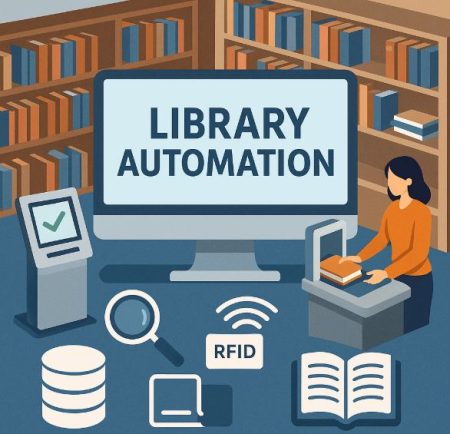
This growing complexity calls for streamlined processes that reduce human error, save time, and improve overall service delivery. Automation, in this context, has become an indispensable tool for libraries. By leveraging technologies such as Integrated Library Management Systems (ILMS), RFID, and self-checkout stations, automation significantly enhances the way libraries manage their resources. It optimizes cataloguing, improves inventory management, and automates circulation tasks, all of which contribute to smoother operations. Furthermore, automation helps in reducing labour costs, allowing library staff to focus on more strategic roles like user support and research assistance.
The significance of automation is clear. It directly addresses the challenges libraries face by improving operational efficiency, reducing costs, and enhancing the user experience. Automated systems streamline daily operations, ensuring that libraries can keep up with the ever-increasing demands of users while providing quick, seamless access to both physical and digital resources.
How Automation Has Improved Operational Efficiency in Libraries
Over the past few decades, libraries have witnessed remarkable changes, particularly in their operational practices, largely driven by automation technologies. In an era where information overload and the increasing demand for faster, more accessible services are prevalent, automation has become essential for libraries striving to improve operational efficiency. With the growing volume of resources to manage, automation tools such as integrated library management systems (ILMS), self-service kiosks, and RFID technologies have helped streamline various functions within libraries, from cataloguing and circulation to remote access to digital content. Here are the significant ways in which automation has improved the operational efficiency of libraries, benefiting both staff and users.
- Streamlining Resource Management: One of the key areas where automation has significantly improved operational efficiency is in resource management. In the past, cataloguing and managing library collections was a time-consuming and labour-intensive process. Automation, however, has made cataloguing systems more efficient and accurate. Integrated Library Management Systems (ILMS) allow libraries to organize their collections digitally, automate the entry of metadata, and generate real-time reports on resource usage. These systems also enable libraries to update their catalogues quickly, ensuring that users can access the most up-to-date information.
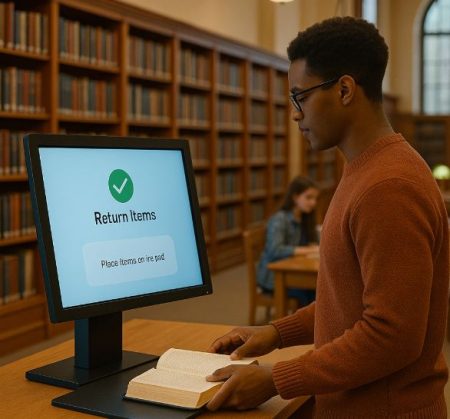
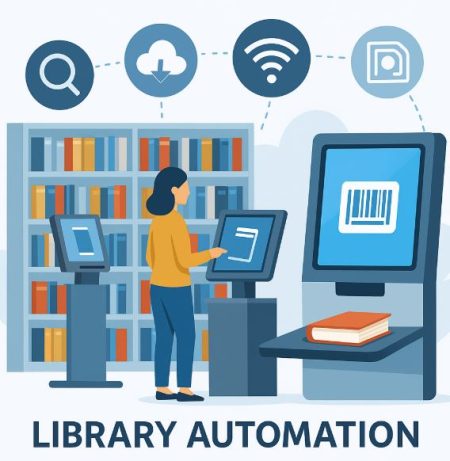
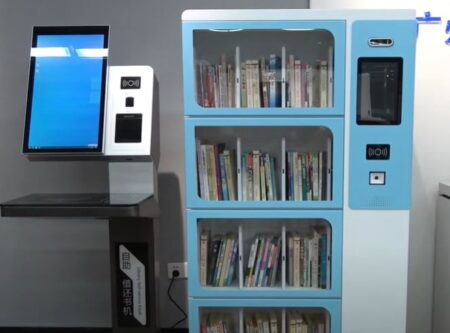
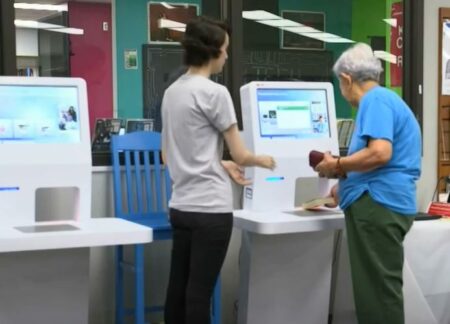
Moreover, automation in resource management extends to the use of Radio Frequency Identification (RFID) technology, which has streamlined the tracking and monitoring of materials. RFID tags can be embedded in books, journals, and other materials, allowing libraries to track their location and availability automatically. This technology has reduced the time spent manually scanning barcodes and has improved the accuracy of inventory management. - Enhancing Circulation and Borrowing Processes: Automation has also had a transformative impact on the circulation process within libraries. The introduction of self-checkout kiosks, powered by RFID technology, has significantly reduced the need for staff involvement in the borrowing and returning of materials. Patrons can now independently check out books, DVDs, and other resources, reducing wait times and providing greater convenience. This shift has allowed libraries to handle larger volumes of transactions without requiring additional staff, thus improving operational efficiency. Additionally, automated circulation systems can send reminders and notifications to users about overdue materials or upcoming due dates. This automation not only enhances user experience by keeping patrons informed but also helps libraries manage overdue items more effectively, reducing the need for manual intervention and improving overall resource circulation.
- Improving Access to E-Resources: The demand for electronic resources has increased dramatically in recent years, and automation has played a vital role in making these resources more accessible to library patrons. Through automated systems like OpenAthens, libraries provide remote access to e-books, journals, databases, and other digital materials. This automation allows users to access scholarly content from any location, making library resources available 24/7. Furthermore, automated authentication systems ensure that only authorized users—such as students and faculty members—can access these resources, maintaining the integrity of subscriptions and preventing unauthorized use.
By automating access to digital content, libraries have expanded their reach and made it easier for users to find and access resources at their convenience. This is particularly important for academic libraries, where students and researchers rely heavily on e-resources for their studies. - Optimizing Search and Discovery Systems: The process of finding and retrieving information in a library has been revolutionized by automation. Traditional library systems relied on card catalogues and manual search methods, which were slow and often inefficient. With the introduction of automated discovery systems, libraries now offer powerful search engines that can simultaneously search multiple catalogues, databases, and repositories, providing users with faster and more accurate results.
These automated systems also allow for personalized search experiences, tailoring results based on a user’s past search history and preferences. This not only enhances the user experience but also helps patrons find relevant resources more efficiently, reducing the time spent searching for information. Additionally, the ability to search across a wide range of digital materials ensures that users can access a comprehensive set of resources for their research needs. - Data-Driven Decision-Making and Reporting: Automation has provided libraries with valuable tools for data analysis, allowing library administrators to make data-driven decisions. Automated systems can track the circulation of materials, analyze user behavior, and generate reports on resource usage. This data helps libraries identify trends, optimize their collections, and improve services. For example, libraries can use automated data to identify which resources are in high demand and ensure they are adequately stocked. Similarly, libraries can track underutilized materials and make decisions about which resources to replace or remove. Automated reporting systems also reduce the administrative burden on staff, allowing them to focus on more strategic tasks that directly benefit library patrons.
- Cost Reduction and Efficiency Gains: One of the most significant benefits of automation in libraries is the reduction in operational costs. Automating routine tasks such as cataloguing, circulation, and inventory management allows libraries to operate more efficiently with fewer staff members. By reducing the need for manual labor, libraries can redirect their resources towards enhancing user services and developing new programs. Furthermore, automation helps reduce errors and minimize the need for corrective actions. For example, RFID technology reduces the number of misplaced books and incorrect checkouts, minimizing the time and effort required to resolve such issues. In turn, this leads to cost savings, as libraries can operate more smoothly with fewer resources dedicated to managing errors.
- Enhancing the User Experience: Ultimately, the goal of automation in libraries is to improve the user experience. By automating processes such as circulation, resource discovery, and access to digital content, libraries can provide a more seamless and convenient service to their patrons. Self-checkout kiosks and automated notifications help users manage their borrowing more efficiently, while remote access to e-resources provides them with greater flexibility and convenience.
Automation also improves the accuracy of records, which enhances the overall user experience by ensuring that materials are available when needed and that overdue items are tracked more efficiently. With faster, more reliable services, libraries can better meet the needs of their users, increasing satisfaction and engagement.
Automation has had a profound impact on improving the operational efficiency of libraries. From streamlining resource management and circulation processes to enhancing access to e-resources and optimizing search systems, automation has allowed libraries to deliver more efficient and user-friendly services. The use of automation has not only reduced costs and improved accuracy but has also contributed to a better overall experience for library patrons. As technology continues to evolve, it is likely that automation will play an even more prominent role in shaping the future of libraries, further enhancing their ability to meet the changing needs of users and the expanding volume of information they manage.
How Automation Has Changed the Way Libraries Manage Their Daily Operations
Automation has profoundly transformed the daily operations of libraries, improving efficiency, accuracy, and user satisfaction. Traditionally, libraries relied on manual processes to manage cataloguing, circulation, and resource access, which were time-consuming and often prone to errors. With the integration of automation, libraries have streamlined these tasks, allowing them to handle an increasing volume of materials and provide faster, more reliable services. Automated systems, such as Integrated Library Management Systems (ILMS), have revolutionized cataloguing by enabling libraries to quickly and accurately manage their collections. These systems automate the entry of metadata, classify resources, and provide real-time updates on inventory, reducing manual labour and ensuring that library records are always up-to-date. Additionally, RFID technology has further enhanced inventory accuracy, allowing for quick tracking of materials and reducing the likelihood of misplaced items.
The circulation process has also been greatly improved through automation. Self-service kiosks equipped with RFID technology enable users to check out books and other materials independently, significantly reducing wait times and alleviating the burden on library staff. These automated systems not only speed up transactions but also send reminders for overdue materials, making it easier for libraries to manage their collections without constant manual intervention. By automating these tasks, staff are freed up to engage in more specialized services, such as assisting with research or managing user requests.
Another major benefit of automation in libraries is the enhanced access to digital resources. With the increasing demand for e-books, journals, and databases, automated authentication systems like OpenAthens provide seamless access to digital content. Users can log in from any location with an internet connection, allowing for greater flexibility and convenience. Automated systems also ensure secure access by verifying the identity of authorized users, preventing unauthorized access to subscription-based resources.
Automated search and discovery systems have also transformed the way library patrons find materials. No longer relying on card catalogues, users can now search across multiple databases, catalogues, and digital repositories simultaneously, with results delivered in real-time. These systems use advanced algorithms to provide more accurate and relevant search results, while personalization features ensure that users are presented with recommendations tailored to their interests. This automation not only saves time but also improves the efficiency of information retrieval, making it easier for users to access the materials they need. Furthermore, automation has enabled libraries to adopt a data-driven approach to decision-making. By tracking usage patterns and resource circulation, automated systems generate valuable insights that inform collection development, resource allocation, and service improvements. Libraries can identify popular materials, assess underutilized resources, and optimize their offerings based on user needs. These data-driven insights also extend to financial management, where automated reporting systems help libraries track budgets, manage expenses, and generate detailed reports.
Perhaps one of the most significant impacts of automation is the reduction in operational costs. By automating routine tasks, libraries can reduce the need for manual labour, allowing them to allocate resources more effectively. For example, self-checkout kiosks, automated inventory systems, and digital resource management tools have all reduced the amount of staff time required for tasks such as checking out materials or tracking overdue items. As a result, libraries can operate more efficiently with fewer staff members, while minimizing the potential for human error and reducing operational costs.
Ultimately, automation has improved the user experience in libraries by providing faster, more convenient, and personalized services. Patrons can easily check out materials, renew items, and access digital resources from anywhere, improving their overall interaction with the library. Automated systems also provide real-time updates on availability, helping users stay informed about upcoming due dates and new acquisitions. By making library services more accessible and user-friendly, automation has enhanced the library’s ability to meet the needs of its patrons.