Libraries face several challenges when developing their collections, as they must balance the need to meet diverse user demands with limited financial and physical resources. One of the primary challenges is managing budget constraints, which often force libraries to prioritize certain materials over others. With the increasing cost of books, journals, digital resources, and subscriptions, libraries must make difficult decisions about which materials will best serve the needs of their users, often sacrificing breadth for depth. Additionally, the rapid pace of technological advancements presents another challenge, as libraries must continuously update their collections to include emerging digital formats, such as e-books, online databases, and multimedia resources, while maintaining access to traditional print materials. Another significant hurdle is ensuring that the collection is diverse and inclusive, reflecting the varied cultural, social, and academic needs of the community it serves. Libraries must also contend with space limitations, especially in physical collections, which can complicate decisions about what to acquire, retain, or remove. Finally, libraries are faced with the challenge of navigating copyright issues and licensing restrictions, particularly in the digital realm, where access to materials may be limited or prohibitively expensive. These challenges require libraries to adopt strategic collection development practices that prioritize user needs while ensuring that the collection remains relevant, accessible, and sustainable.
Challenges of Library Collection Development
Library collection development is a complex process that requires balancing the needs of library users with financial constraints, technological advancements, and ethical considerations. As libraries strive to provide comprehensive and relevant collections, they face a range of challenges that can affect their ability to meet user expectations and fulfill their missions. These challenges include managing limited budgets, keeping pace with technological changes, maintaining a diverse and inclusive collection, and navigating space limitations. Additionally, legal and ethical issues, such as copyright restrictions, add another layer of complexity. Here are some of the most significant challenges libraries face when developing their collections.
- Budgetary Constraints: One of the most significant challenges in library collection development is managing budget limitations. Libraries, whether academic or public, must allocate their available funds to acquire resources that meet the needs of their users. With rising costs of materials, such as books, journals, e-books, and digital resources, libraries are often forced to make difficult decisions about which materials to prioritize. For instance, academic libraries must balance purchasing costly research databases and academic journals with acquiring textbooks and scholarly books that directly support the curriculum. Public libraries, on the other hand, may face similar dilemmas, particularly when attempting to provide a diverse collection that includes print materials, e-books, audiobooks, and multimedia resources. In both cases, libraries must ensure that the materials selected offer the greatest value for the available budget, which can sometimes mean sacrificing breadth for depth.
- Technological Advancements: The rapid pace of technological change presents another major challenge in library collection development. As digital resources become increasingly vital, libraries must continually update their collections to include new formats like e-books, online journals, streaming media, and digital archives. While these resources provide convenience and accessibility, they come with their own set of challenges. For example, the high cost of digital subscriptions and licenses for e-books and online databases can quickly deplete a library’s budget. Additionally, libraries must ensure that they have the infrastructure and technology to support the access and use of these digital resources. The rise of new technologies, such as artificial intelligence and machine learning, also introduces new types of materials and data that libraries must consider, further complicating the process of collection development.
The challenge of balancing traditional print materials with growing digital content is particularly difficult for academic libraries, which must manage both physical collections and digital archives. In public libraries, the increasing demand for digital content such as e-books and streaming media requires investment in platforms like OverDrive or Kanopy, which may not be financially sustainable for all libraries. - Diversity and Inclusivity: Another challenge in library collection development is ensuring that the collection is diverse and inclusive, representing the wide range of voices, perspectives, and cultures present in the community. Libraries are expected to provide materials that reflect the social, cultural, and intellectual diversity of their users. However, this is easier said than done, especially when resources are limited. Acquiring materials that reflect marginalized groups, address social justice issues, or focus on underrepresented communities can be costly. Additionally, ensuring diversity in content means acquiring materials across a wide range of subjects, genres, and formats, which may further strain a library’s budget.
For example, public libraries may struggle to provide books by authors from diverse backgrounds or materials on topics related to racial equality, Gender issues, due to high acquisition costs or limited shelf space. Academic libraries also face challenges in acquiring scholarly works from non-Western traditions or newer fields of study that may not yet be widely recognized in mainstream publishing. Despite these challenges, many libraries are committed to ensuring that their collections represent all voices and perspectives, which requires thoughtful planning and allocation of resources. - Space Limitations: Physical space is another critical consideration in library collection development. As libraries seek to build comprehensive collections, they must also contend with the limitations of their available space. Academic libraries, for instance, may have to decide whether to allocate space for rare books, archives, or other specialized materials that require unique storage conditions. In public libraries, space is often a premium, particularly for branches with limited square footage. This constraint can make it difficult to maintain a collection that includes a wide variety of print materials, multimedia, and digital content.
Libraries facing space limitations must make difficult decisions about which materials to keep, weed, or remove. Weeding outdated or rarely used materials is a common practice to make room for newer items, but it can be a contentious process, particularly if users have strong attachments to certain books or resources. Additionally, the decision to digitize materials to free up physical space introduces its own set of challenges, including ensuring that digitized content is accessible and properly preserved for long-term use. - Legal and Ethical Issues: Legal and ethical issues also play a significant role in library collection development. Copyright laws, licensing agreements, and intellectual property rights can complicate the acquisition and distribution of materials, particularly in the digital realm. For instance, many digital resources are governed by restrictive licensing agreements that limit the number of users who can access the material simultaneously, or that impose significant fees for additional access. These restrictions can hinder libraries from providing equitable access to digital resources, particularly when they serve a large number of users.
Additionally, ethical concerns, such as intellectual freedom and censorship, influence collection development. Libraries must ensure that their collections represent a wide array of viewpoints, including those that may be controversial or unpopular. However, external pressures to remove certain materials or restrict access to specific content can sometimes create ethical dilemmas for librarians. Balancing the need to respect intellectual freedom with the desire to meet community standards or avoid controversial topics is an ongoing challenge in library collection development. - Keeping Up with Rapidly Evolving Fields: The pace at which certain fields of knowledge are evolving—particularly in areas like science, technology, and medicine—presents another challenge for libraries. As new research is published and discoveries are made, libraries must continually update their collections to reflect the most current information. In rapidly changing fields, such as biotechnology or climate science, acquiring the latest research can be a constant challenge. Libraries must prioritize the most relevant and cutting-edge resources while managing costs and space. Additionally, ensuring that the materials are accessible and usable by the target audience adds another layer of complexity.
The challenges of library collection development are numerous and varied, requiring libraries to carefully balance the needs of their users with financial, technological, and ethical considerations. Budgetary constraints, technological advancements, diversity and inclusivity, space limitations, legal and ethical issues, and the need to keep up with evolving fields all shape the collection development process. Despite these challenges, libraries continue to play a vital role in providing access to information, promoting lifelong learning, and fostering intellectual growth. By developing strategic, thoughtful collection development policies, libraries can continue to adapt to the needs of their communities and remain relevant in a constantly changing world.
How Do Budgetary Constraints Impact the Ability of Libraries to Build Diverse and Comprehensive Collections?
Budgetary constraints present a significant challenge to libraries when building and maintaining diverse and comprehensive collections. With limited financial resources, libraries must carefully prioritize materials to ensure they meet the needs of their users. For academic libraries, this often means allocating the majority of their budgets to core resources like textbooks, scholarly journals, and research databases, leaving little room for supplementary materials or niche publications. In public libraries, the focus may be on acquiring popular materials, such as best-selling fiction or audiobooks, but this can result in fewer resources that address specialized subjects or serve underrepresented communities. The financial limitations often force libraries to make difficult decisions between offering broad collections that appeal to many users or investing in specialized materials that reflect diverse voices, which may be more expensive and less widely available.
The ability to acquire diverse materials is particularly impacted by budgetary constraints. Libraries have a responsibility to ensure that their collections reflect a wide range of perspectives, cultures, and voices. However, materials that focus on marginalized groups or global issues tend to be more costly, making it difficult for libraries to include them in their collections. Public libraries may struggle to allocate funds for books by minority authors, materials on social justice issues, or works on indigenous and non-Western histories, while academic libraries may find it challenging to acquire works from non-Western academic traditions or on niche topics that are emerging in specialized fields of study. As a result, libraries may prioritize mainstream resources and, in doing so, unintentionally neglect the inclusion of diverse and inclusive materials.
The growing demand for digital resources, such as e-books, online journals, and multimedia content, adds another layer of complexity. While digital resources provide advantages in accessibility and convenience, they also come with high subscription fees and licensing costs that can quickly deplete a library’s budget. For instance, many academic libraries are prioritizing digital resources to support remote learning, but this can limit the acquisition of print materials. Public libraries, likewise, may need to invest in digital platforms like OverDrive to provide e-books, but these platforms often come with high licensing fees. The limited budget for digital resources can result in gaps in the collection, particularly in areas where resources are niche or less commercially available.
Additionally, budgetary constraints impact how libraries manage their existing collections. Libraries must regularly weed outdated or underused materials to make space for new acquisitions, which can lead to the removal of valuable resources. For example, public libraries might remove works by marginalized authors or specialized books that don’t have high circulation rates, even though these materials serve important social and educational functions. In academic libraries, older editions of textbooks or research materials may be discarded, even though they still hold value for specialized academic research. This weeding process, though necessary for maintaining a relevant collection, can inadvertently reduce the diversity and inclusivity of available resources.
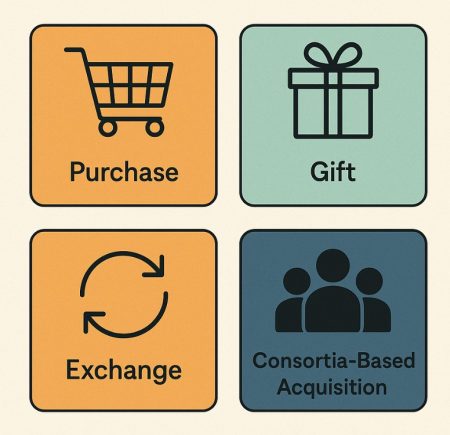
Despite these challenges, libraries employ several strategies to maximize their resources and continue building diverse and comprehensive collections. Collaborative purchasing through consortia allows libraries to negotiate discounts on expensive digital resources, enabling them to provide access to a wider range of materials. Many libraries also seek alternative funding sources, such as grants or donations, to acquire specialized resources. Public libraries, for example, may rely on community fundraising efforts to support initiatives aimed at diversifying their collections or expanding digital access. Academic libraries often look for targeted funding opportunities to support specific research needs or emerging areas of study.
Furthermore, libraries are increasingly adopting open access resources, which allow users to access scholarly content without the financial burden of subscriptions or licenses. Open access publishing and partnerships with institutions that promote open access can help libraries provide up-to-date, diverse, and inclusive content without additional costs. While budgetary constraints continue to shape collection development, libraries find creative solutions to expand access to a broader range of resources, ensuring they can meet the evolving needs of their communities despite financial limitations.