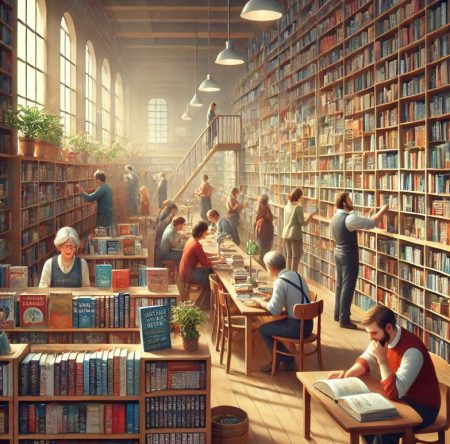
A balanced collection across different genres or subjects in a library is crucial for ensuring that the needs of all users are met, regardless of their age, background, or interests. Libraries are designed to be inclusive spaces where people can explore a wide variety of topics, from popular fiction to specialized academic resources. A well-curated collection should offer a broad range of materials, including literature, history, science, self-help, and current affairs, as well as materials for various age groups, such as children’s books, young adult literature, and adult nonfiction. Achieving a balanced collection involves thoughtful decision-making, as librarians must take into account the needs and interests of the community they serve, the available budget, and physical space constraints. While it is essential to include high-demand books that appeal to a wide audience, it is equally important to ensure that specialized subjects and less mainstream genres are represented so all library patrons can find resources that support their personal and educational growth. A balanced collection also promotes intellectual diversity and inclusivity, giving users access to different viewpoints, cultural narratives, and diverse authors. By carefully managing and regularly assessing the collection, libraries can foster an environment that encourages lifelong learning and a love for reading for everyone in the community.
Challenges in Maintaining a Balanced Collection Across Different Genres or Subjects in a Library
One of the most significant tasks in library management is maintaining a balanced collection of books and resources across various genres and subjects. Libraries are designed to cater to diverse groups of people, each with distinct educational, informational, and recreational needs. Ensuring that the collection reflects the community’s wide range of interests and requirements is no small feat, and librarians face several challenges in achieving this balance. These challenges stem from factors such as demand, budget limitations, space constraints, and the need for diversity and inclusivity.
- Balancing Popular Demand with Diverse Interests: One of the primary challenges in maintaining a balanced collection is meeting both popular demand and the less commonly requested genres or subjects. Popular genres such as fiction, mystery, romance, and bestsellers often dominate circulation, and library patrons frequently seek out these materials. As a result, libraries may allocate more space and funds to popular genres, leading to an overrepresentation of these areas in the collection. While it is essential to provide high-demand materials that attract users and keep the library vibrant, this can create an imbalance, leaving some genres or specialized subjects underrepresented.
For example, books on highly specialized topics, like certain scientific fields, niche histories, or academic research, may receive less attention despite being crucial for some library users. Finding a balance between meeting the popular demands of the general public and addressing the needs of specialized or academic audiences can be challenging. Librarians must make strategic decisions about how to allocate resources in a way that satisfies both types of demand. - Budget Constraints: Library budgets are often limited, and this financial constraint plays a significant role in shaping the scope of a library’s collection. The cost of books has been rising steadily, and libraries must prioritize their acquisitions based on available funds. Popular genres or high-demand titles may take precedence, leaving less room in the budget for other important but less widely sought-after areas of interest. Additionally, libraries need to consider the value and longevity of books when making purchases. Popular books may be relatively inexpensive, but specialized or academic books may come with higher price tags, making it difficult to balance the budget across genres.
Moreover, when selecting materials, librarians must account for the long-term sustainability of their collection. Budget limitations may result in difficult decisions, such as purchasing multiple copies of high-demand titles or acquiring a broader range of materials that represent different subjects and genres. These financial decisions must be made with the goal of creating a collection that benefits the widest range of users while staying within the constraints of the library’s budget. - Space Limitations: Physical space is another major challenge when trying to maintain a balanced collection. Libraries are often limited by shelf space, and the sheer volume of materials to accommodate can make it difficult to give equal attention to all genres and subjects. For example, popular genres like fiction or children’s books typically take up large portions of space in libraries, leaving less room for specialized collections or academic texts. This means that libraries must be selective about what they acquire, taking into account both the space available and the demand for different types of materials.
This limitation can also influence how materials are stored and accessed. For instance, some libraries may choose to store academic or reference books in off-site storage to free up space for more frequently used materials. While this helps with physical space constraints, it can also make it more difficult for users to access specialized resources on the fly, reducing the overall accessibility of certain parts of the collection. - Ensuring Diversity and Inclusivity: Diversity and inclusivity are important ethical considerations when maintaining a balanced library collection. Libraries have a responsibility to reflect the full spectrum of human experience in their collections. This includes ensuring that authors from diverse backgrounds—whether in terms of race, ethnicity, gender, sexual orientation, or cultural heritage—are well-represented across all genres and subjects. However, finding materials that truly reflect this diversity, especially for marginalized or underrepresented groups, can be difficult.
Librarians must actively seek out books that represent a variety of perspectives, whether it’s literature written by authors of color, books addressing social justice issues, or works that represent different cultural or religious viewpoints. The challenge here is twofold: not only must libraries ensure that they are inclusive, but they also must do so in a way that doesn’t overwhelm or overshadow other important areas of the collection. Striking a balance between ensuring diversity and maintaining a well-rounded collection is an ongoing challenge that requires intentional effort and a commitment to inclusivity. - Keeping Up with Changing Trends and Interests: Another challenge in maintaining a balanced collection is keeping up with changing trends and shifting community interests. As society evolves, new topics and areas of interest emerge. For instance, the growing popularity of digital technology, environmental sustainability, and social media has created a demand for new types of books that didn’t exist a decade ago. Similarly, new genres like graphic novels and self-help books are constantly rising in popularity. To ensure that the collection remains relevant and useful, librarians must stay informed about emerging trends and adapt their selections accordingly.
At the same time, libraries must continue to maintain the core collection of classic texts, reference materials, and foundational works that have long-lasting value. Balancing the inclusion of new, trending topics with the preservation of traditional genres and subjects is a difficult but necessary task for librarians. - The Challenge of Weeding: Weeding, or removing outdated or underused materials from the collection, is an important part of maintaining balance. However, deciding which materials to weed out can be a difficult and subjective process. Some materials may be outdated in terms of content, while others may be in poor physical condition. Weeding involves assessing the continued relevance of each item in the collection, considering factors such as demand, accuracy, and the availability of newer resources on the same topic.
This process can be particularly challenging when it comes to niche subjects or genres. While some specialized books may not see frequent circulation, they may still be crucial to supporting a specific audience or academic program. Deciding whether to keep these materials or replace them with more popular or in-demand books can create tension between the desire to maintain a comprehensive, diverse collection and the practical limitations of space and budget.
Maintaining a balanced collection across different genres and subjects in a library is an ongoing challenge that requires careful planning, thoughtful decision-making, and regular evaluation. Librarians must navigate the complexities of balancing popular demand with the needs of specialized groups, managing limited budgets, overcoming space constraints, and ensuring diversity and inclusivity in the collection. Despite these challenges, libraries play a vital role in providing a broad range of materials that meet the needs of their communities, offering resources for education, personal enrichment, and intellectual growth.