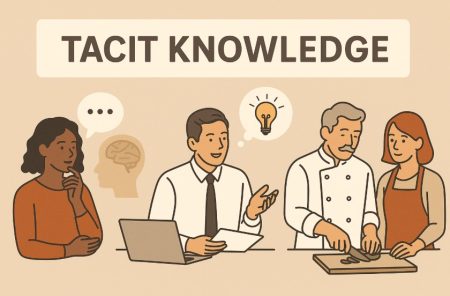
Tacit knowledge is a type of knowledge that is personal, experiential, and often subconscious, making it inherently difficult to express, formalize, or transfer through traditional means…
Tacit knowledge is a type of knowledge that is personal, experiential, and often subconscious, making it inherently difficult to express, formalize, or transfer through traditional means…

Explicit knowledge refers to information that can be clearly articulated, systematically documented, and easily communicated to others. This type of knowledge is typically expressed in formal…
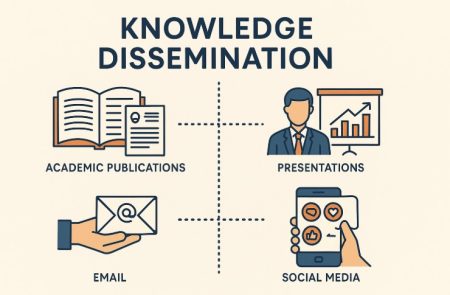
Knowledge dissemination refers to the deliberate and systematic process of distributing information, insights, and research findings to a targeted audience in a way that is accessible,…
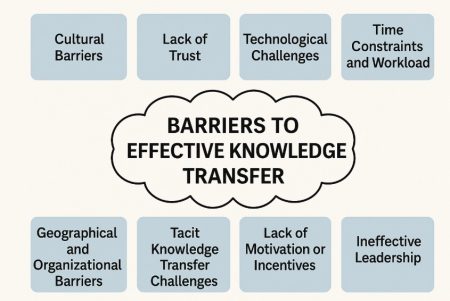
Knowledge transfer refers to the process of sharing or disseminating knowledge, skills, and expertise within or between organizations, teams, or individuals. It is a critical aspect…
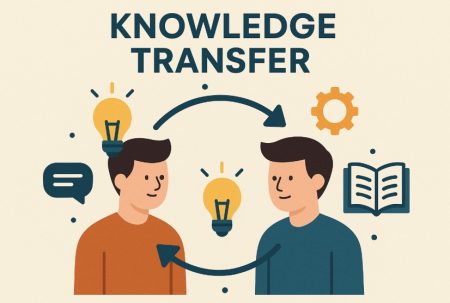
Knowledge transfer is the process through which knowledge, expertise, skills, and experiences are shared and disseminated within an organization or between individuals. It involves the movement…
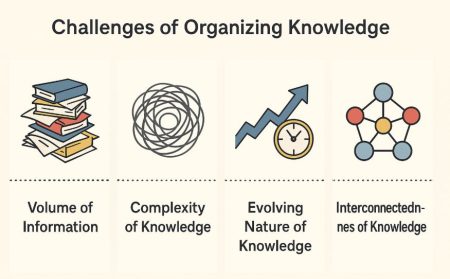
Organizing knowledge is a fundamental process that involves the systematic categorization and structuring of information to make it accessible, understandable, and usable. In fields such as…
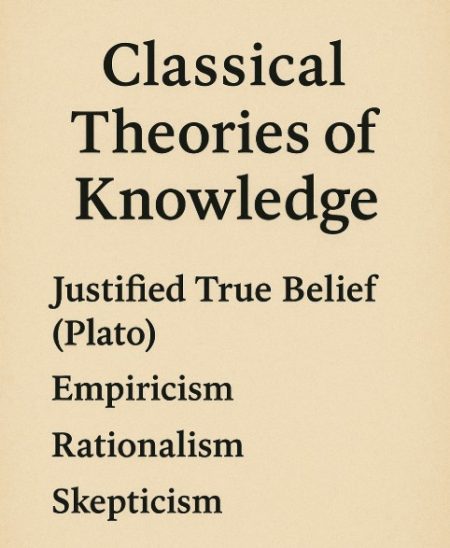
Classical theories of knowledge form the foundation of epistemology, the branch of philosophy that investigates the nature, scope, and limits of human understanding. One of the…

In today’s rapidly evolving world, we are increasingly living in what is known as a Knowledge Society—a society where information, innovation, education, and technology form the…

A Knowledge Society is one that is driven by the creation, dissemination, and application of knowledge as the central component of its economic, social, and cultural…

A Knowledge Society is one in which knowledge creation, dissemination, and application are central to social, economic, and cultural development. In such a society, knowledge is…