
Knowledge sharing refers to the intentional exchange of information, skills, experiences, and insights among individuals, groups, or institutions. It is more than simply passing information from…
Knowledge sharing refers to the intentional exchange of information, skills, experiences, and insights among individuals, groups, or institutions. It is more than simply passing information from…
Knowledge is one of the most powerful assets that humans possess, shaping how we understand the world, interact with others, and solve problems. It goes beyond…
Describing libraries as “gateways to knowledge” in the modern context highlights their role as essential entry points to information, learning, and discovery in an increasingly complex…
Knowledge can be defined as a justified, true, and reliable understanding of reality that enables individuals to make sense of the world. It is more than…

The knowledge acquisition process refers to the systematic way through which individuals or groups gather, absorb, and internalize information to transform it into usable knowledge. It…
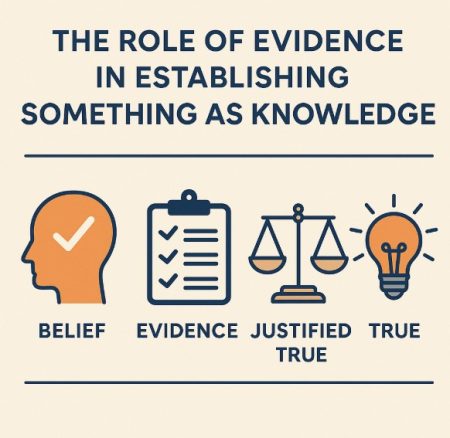
Evidence plays a central role in transforming a belief or claim into recognized knowledge. In philosophy and everyday reasoning, knowledge is often defined as “justified true…

Knowledge is one of the most powerful human assets that shapes our understanding of the world and guides our actions in daily life. It refers not…
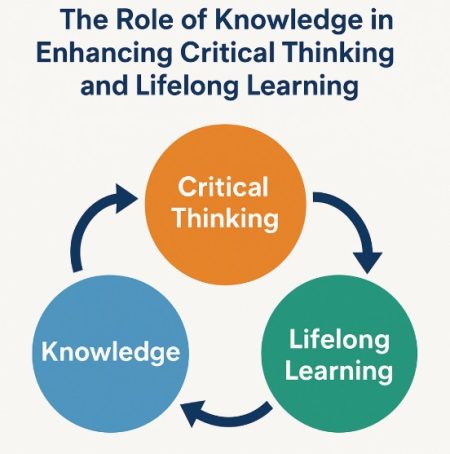
The relationship between knowledge, critical thinking, and lifelong learning is deeply interconnected and mutually reinforcing. Knowledge provides the foundational base of facts, concepts, and experiences that…
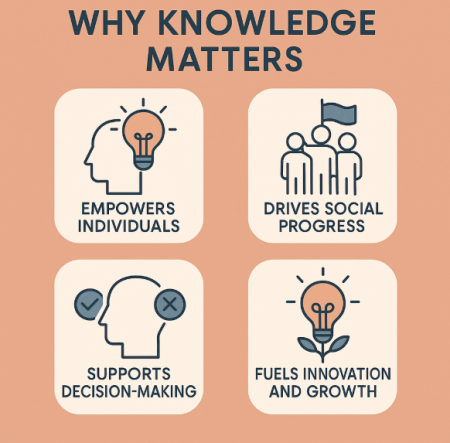
Knowledge is more than the simple possession of information; it is the ability to understand, interpret, and apply that information in meaningful ways. For example, knowing…
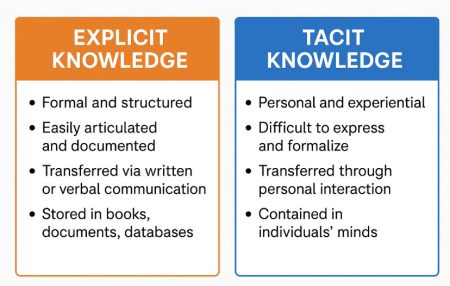
In the field of knowledge management, understanding the distinction between explicit knowledge and tacit knowledge is fundamental to effectively managing and utilizing intellectual resources. Explicit knowledge…