
Access to information in the context of modern society refers to the ability of individuals, communities, and institutions to obtain the knowledge, data, and resources they…
Access to information in the context of modern society refers to the ability of individuals, communities, and institutions to obtain the knowledge, data, and resources they…
Information Ethics is a field that examines the moral principles, values, and responsibilities involved in the creation, management, and use of information. As society becomes increasingly…
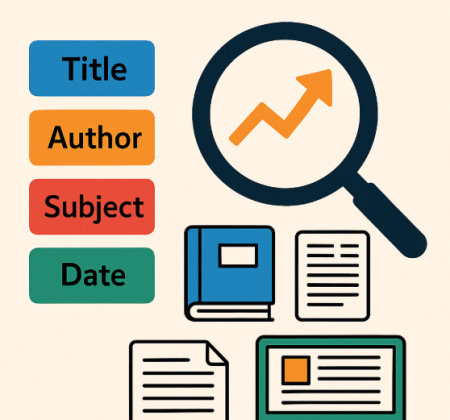
Metadata refers to the structured details that describe and give meaning to books, articles, and digital resources. In libraries and digital platforms, it plays a vital…
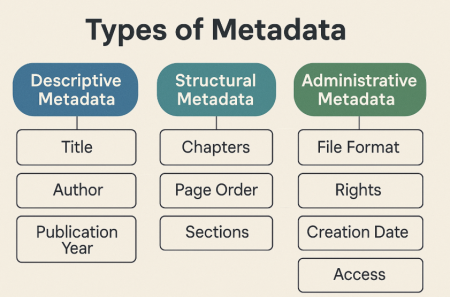
Metadata is often described as “data about data,” but in practice, it is much more than a simple label. It provides the contextual information that makes…
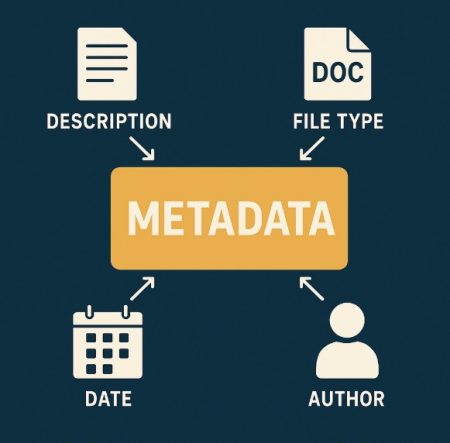
Metadata can be described as “data about data,” a structured way of describing and providing context to information so that it can be better understood, organized,…
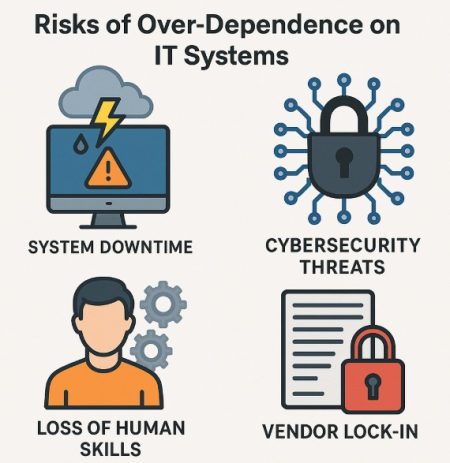
In today’s world, Information Technology (IT) systems have become the backbone of almost every sector, including organizations, governments, education, healthcare, and even our daily lives. Businesses…

In today’s digital era, information and knowledge serve as the backbone of progress, innovation, and decision-making in almost every sphere of life. Access to reliable information…
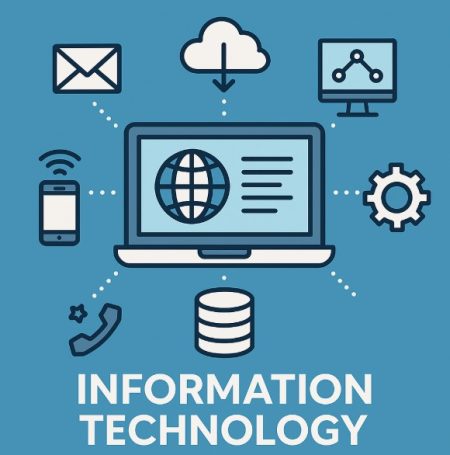
Information Technology (IT) refers to the use of computers, software, networks, and other digital systems to store, process, manage, and exchange information. It has become one of…

In the digital age, privacy has become a fundamental concern across all sectors, including libraries. For library users, privacy considerations encompass the protection of personal information,…
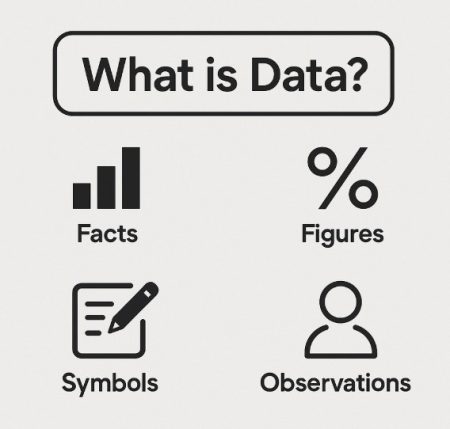
Data refers to unprocessed facts, figures, or observations collected from various sources, which can represent anything, such as numbers, text, images, audio, or video. In simple…