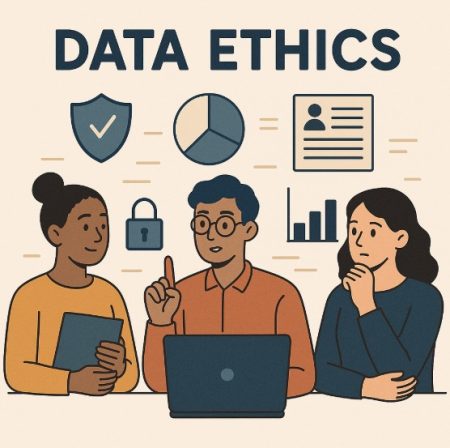
Data ethics refers to the set of moral principles and standards that guide the responsible collection, handling, analysis, sharing, and usage of data. In today’s digital…
Data ethics refers to the set of moral principles and standards that guide the responsible collection, handling, analysis, sharing, and usage of data. In today’s digital…
Freedom of Information (FOI) refers to the fundamental right of individuals to access information held by public authorities, government agencies, and organizations performing public functions. It…
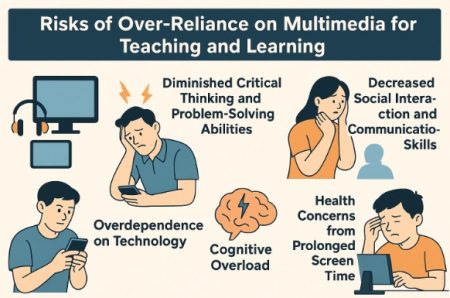
The use of multimedia in teaching and learning has become a cornerstone of modern education, offering dynamic and engaging ways to present content. For example, educational…

Multimedia has become an essential tool in modern education, significantly transforming how knowledge is delivered and absorbed. By combining various forms of content—such as text, audio,…
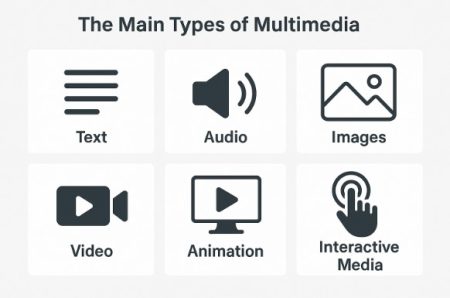
Multimedia refers to the integration of multiple forms of media-such as text, audio, images, video, and animation-into a single cohesive platform. It enhances communication and information…

Multimedia refers to the integration of multiple forms of media, such as text, audio, images, video, and interactive elements, into a single, cohesive experience. It combines…
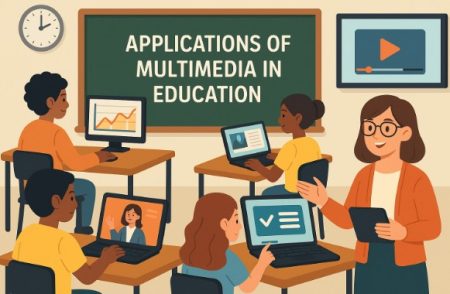
In modern educational practices, multimedia tools have become essential in transforming traditional learning environments into dynamic, interactive spaces. These tools-encompassing a wide range of digital technologies…
The Open Archival Information System (OAIS) is a conceptual framework designed to guide the long-term preservation and management of digital information. Developed by the Consultative Committee…
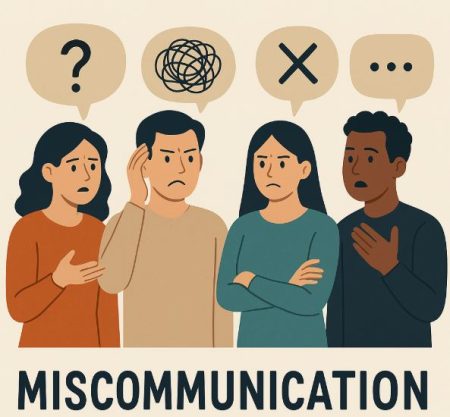
Miscommunication refers to the failure to convey or interpret information accurately, resulting in misunderstandings between individuals or groups. It can occur in any form of communication,…

An Information Security Policy (ISP) is a critical document that outlines the principles, guidelines, and practices an organization follows to safeguard its information assets. This policy…