
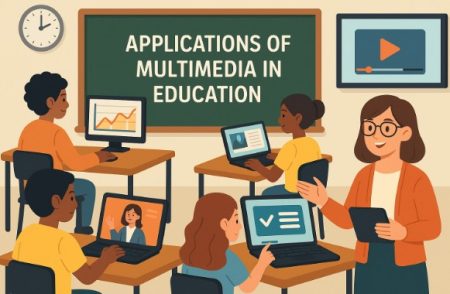
Multimedia has become an essential tool in modern education, significantly transforming how knowledge is delivered and absorbed. By combining various forms of content—such as text, audio, video, images, and interactive elements-multimedia offers a dynamic and engaging approach to learning. For example, a science teacher might use animated videos to explain complex processes like the water cycle, providing students with a visual representation that enhances their understanding. Similarly, interactive simulations in subjects like physics or mathematics allow students to manipulate variables and observe real-time changes, deepening their grasp of theoretical concepts.
This integration of multiple formats caters to diverse learning styles, allowing students to absorb information in ways that best suit their individual needs. Visual learners can benefit from infographics or videos, such as those used in history lessons to present historical events through documentaries. Auditory learners can engage with podcasts or recorded lectures, allowing them to listen to information on the go. For instance, language students often use apps with voice recognition to improve pronunciation, actively engaging with audio materials.
Multimedia also enhances the retention and understanding of complex concepts by presenting them in a more accessible and memorable manner. A biology teacher, for example, might use a 3D model of a human cell to show students how different organelles work together, making an abstract concept more tangible. Additionally, educational games, like those used to teach mathematical problem-solving, provide students with an opportunity to practice concepts in an engaging and interactive environment. Furthermore, the interactive nature of multimedia encourages active participation, boosting student engagement and motivation. Online platforms like Kahoot! or Quizlet use games and quizzes to turn learning into a fun, competitive activity. This engagement can increase students’ enthusiasm for subjects they might find otherwise challenging.
However, while multimedia offers significant advantages, its integration in the classroom also presents challenges, including technological barriers, the risk of distractions, and the need for teachers to be adequately trained in using these resources effectively. Schools may face issues with insufficient access to technology, such as outdated computers or limited internet connectivity. Furthermore, the overuse of multimedia can lead to students becoming distracted by unrelated content or spending too much time on screens. Despite these challenges, multimedia continues to play a pivotal role in enriching the educational experience, enhancing both teaching methods and learning outcomes, and preparing students for a technology-driven world.
Advantages and Disadvantages of Using Multimedia in Education
The use of multimedia in education has become increasingly prevalent due to its ability to enhance the learning experience. By integrating various forms of media such as text, images, video, and audio, multimedia caters to different learning styles and helps make abstract concepts more tangible. For instance, videos and animations can bring subjects like physics or biology to life by visually demonstrating complex processes that are difficult to explain through words alone. Interactive multimedia tools, such as educational games and simulations, engage students actively, promoting deeper understanding and retention of knowledge. Multimedia can also foster greater student engagement, as it often provides a more dynamic and stimulating learning environment compared to traditional methods.
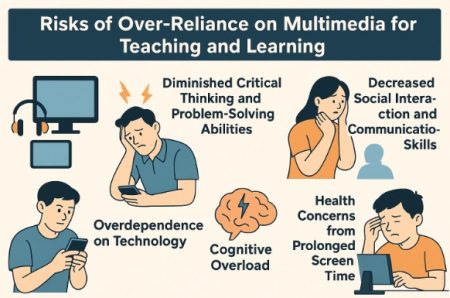
However, despite its many advantages, the use of multimedia in education also has its drawbacks. One major disadvantage is the potential for distractions. When students are exposed to multimedia content, especially on digital platforms, they may become distracted by non-educational content, such as social media or entertainment, reducing the effectiveness of their learning. Furthermore, multimedia requires access to reliable technology, which may not be available in all educational settings. Some students, particularly those from disadvantaged backgrounds, may face challenges due to limited access to computers or high-speed internet. Additionally, the over-reliance on multimedia can sometimes detract from the development of critical thinking and problem-solving skills, as students may become passive recipients of information rather than active thinkers. Teachers must also be well-trained in utilizing multimedia effectively, as improper use or overuse can lead to an overwhelming or disengaging learning experience.
Advantages of Using Multimedia in Education
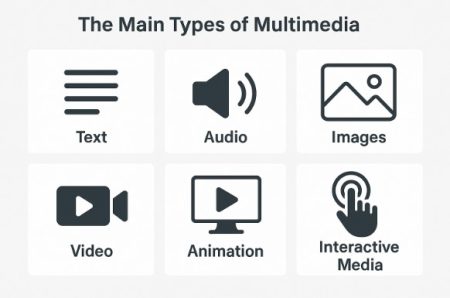
In recent years, the integration of multimedia in education has transformed how teaching and learning occur. Multimedia, which encompasses a combination of text, audio, images, video, and interactive elements, offers numerous advantages that enhance both the learning experience and the effectiveness of instruction. This article explores the key benefits of using multimedia in educational settings, highlighting its impact on student engagement, understanding, and access to knowledge.
- Catering to Diverse Learning Styles: One of the most significant advantages of multimedia is its ability to cater to diverse learning styles. Students have different preferences and strengths when it comes to absorbing information. Visual learners benefit from videos, infographics, and diagrams that present concepts through images and animations. Auditory learners, on the other hand, engage more effectively with lectures, podcasts, and audio recordings that deliver information through sound. Kinesthetic learners, who excel through hands-on experiences, can benefit from interactive simulations, games, and virtual labs that provide active learning opportunities. By combining these various forms of media, multimedia allows educators to address the unique needs of each student, fostering a more inclusive and personalized learning environment.
- Enhancing Comprehension and Retention: Multimedia also enhances comprehension and retention, particularly for complex subjects. Abstract concepts that are difficult to grasp through text alone can be made more tangible with the help of multimedia tools. For instance, in science classes, a 3D animation can demonstrate how the human circulatory system works, offering students a clear, visual understanding of the process. Similarly, subjects like history can come alive through interactive timelines, allowing students to explore events in a more immersive and engaging way. This visual and interactive approach helps students retain information more effectively, as they are not simply reading or listening but actively engaging with the content.
- Increased Student Engagement and Motivation: Traditional classroom methods, such as lectures or textbook-based learning, can often fail to capture students’ attention for long periods. Multimedia, however, offers an engaging and dynamic alternative. The use of educational games, interactive quizzes, and video-based lessons encourages active participation, making learning more enjoyable. Platforms like Kahoot! or Quizlet turn quizzes into competitive games, motivating students to engage more deeply with the material. Furthermore, multimedia can break the monotony of traditional teaching methods, capturing students’ interest and increasing their enthusiasm for learning. This heightened engagement not only makes learning more enjoyable but also leads to better academic performance, as students are more likely to retain information when they are actively involved in the learning process.
- Facilitating Independent Learning: Another advantage of multimedia in education is its ability to support independent learning. Students can access multimedia resources outside of class at their own pace, allowing for a deeper exploration of subjects or the ability to review challenging material. For instance, students can watch instructional videos, participate in online discussions, or complete interactive modules that reinforce what was covered in class. This self-directed learning approach is particularly beneficial for students who may need extra time to understand certain concepts or those who wish to delve deeper into topics of personal interest. It also promotes lifelong learning by encouraging students to take ownership of their educational journey.
- Expanding Access to Resources and Global Learning: Multimedia broadens access to resources that would otherwise be unavailable in traditional classroom settings. Educational videos, virtual field trips, online lectures, and interactive simulations open up new learning opportunities for students, regardless of their geographical location. Students in remote or underprivileged areas, who may not have access to physical resources or experts in the field, can now explore subjects through digital platforms. For example, virtual field trips allow students to explore historical sites, museums, and ecosystems around the world, expanding their horizons without leaving the classroom. Moreover, multimedia can bring guest speakers from different parts of the world into the classroom via video conferencing, allowing students to gain insights from experts and diverse perspectives.
- Supporting Collaboration and Communication: Multimedia also fosters collaboration and communication among students. Tools such as digital whiteboards, video conferencing platforms, and collaborative writing platforms like Google Docs enable students to work together on projects, share ideas, and solve problems collectively. These collaborative tools are particularly useful in remote or hybrid learning environments, where students may not have the opportunity to meet in person. Multimedia platforms also facilitate communication between students and teachers, allowing for feedback and guidance in real-time. This promotes a sense of community and teamwork, essential for developing social skills and learning in a group setting.
The integration of multimedia in education offers a wealth of benefits, from catering to diverse learning styles and enhancing comprehension to increasing student engagement and expanding access to global resources. It provides students with more dynamic, interactive, and personalized learning experiences that better prepare them for the demands of a technology-driven world. However, to fully harness the potential of multimedia, educators must be equipped with the necessary tools and training to use these resources effectively. When used thoughtfully, multimedia can significantly improve the quality of education, making learning more engaging, accessible, and effective.
Disadvantages of Using Multimedia in Education
While multimedia has undeniably transformed the educational landscape, its integration into classrooms comes with a set of challenges that educators and institutions must carefully consider. While multimedia tools enhance learning experiences in many ways, they also present certain drawbacks that can hinder their effectiveness if not properly managed. This article discusses the main disadvantages of using multimedia in education, focusing on issues such as distraction, technological barriers, over-reliance on media, and the potential impact on critical thinking skills.
- Potential for Distraction: One of the most significant disadvantages of using multimedia in education is the potential for distraction. In an age where digital devices are commonplace, students often have access to multiple applications and websites during multimedia-based lessons. While they may be engaged with educational content initially, the temptation to browse social media, play games, or watch unrelated videos can detract from their focus. For instance, when students use tablets or laptops in the classroom, they might be more likely to multitask, which can reduce the effectiveness of the lesson. The risk of distraction is particularly high in self-paced learning environments where students have the freedom to explore content independently without immediate teacher supervision.
- Technological Barriers: Another significant disadvantage of multimedia in education is the reliance on technology, which may not be available or accessible to all students. Not every educational institution has the necessary infrastructure to support the integration of multimedia tools effectively. Some schools or universities may struggle with outdated hardware, slow internet connections, or insufficient access to software. Students from low-income backgrounds may face challenges in accessing the required technology at home, which limits their ability to benefit from multimedia-based lessons outside of class. This digital divide can result in unequal learning opportunities and exacerbate existing educational inequalities. In situations where technology fails, such as when a video freezes or a simulation doesn’t load, students may experience frustration, which can negatively impact their learning experience.
- Over-reliance on Technology: The over-reliance on multimedia can also be a drawback in education. While multimedia offers engaging and interactive learning experiences, excessive use can lead to a reduction in traditional learning methods that are equally important. For example, students may become dependent on videos or interactive simulations to understand concepts, potentially neglecting the critical skills of reading, writing, and thinking critically. There is also a concern that the use of multimedia may overshadow the development of interpersonal skills. When students engage with digital content rather than face-to-face discussions or group activities, they miss opportunities to hone their communication and collaboration abilities, which are essential skills in both academic and professional environments.
- Decreased Attention Span: Extended exposure to multimedia can also affect students’ attention spans. In today’s digital age, students are often accustomed to short bursts of information and fast-paced content, such as social media posts, advertisements, and videos. This constant flow of rapid information can make it more difficult for students to focus on long-form tasks, such as reading textbooks or engaging in in-depth discussions. Studies suggest that continuous exposure to multimedia can reduce the ability to concentrate on a single task for extended periods. As a result, students may struggle to engage deeply with the material, leading to superficial learning rather than meaningful understanding. This effect is particularly noticeable in younger students, who may have less developed attention control.
- Increased Screen Time: The increased screen time associated with multimedia in education is another concern, particularly regarding the health and well-being of students. Prolonged use of computers, tablets, and other digital devices can lead to physical health issues such as eye strain, headaches, and poor posture. Research has also linked excessive screen time to mental health concerns, such as increased stress, anxiety, and disrupted sleep patterns. In the context of education, too much time spent on digital devices may hinder students’ ability to engage in other important activities, such as physical exercise or face-to-face social interactions. This imbalance could contribute to overall well-being issues that affect both academic performance and personal development.
- Impact on Critical Thinking and Problem-Solving: Multimedia tools, while effective for delivering content, can sometimes limit students’ ability to think critically and solve problems independently. In interactive simulations or educational games, for example, students are often guided through predetermined pathways or answers, reducing the need for creative thinking. This dependency on multimedia tools can lead to passive learning, where students may not develop the analytical skills necessary to solve complex, real-world problems. The ease with which information is presented via multimedia also means that students may not engage in deeper levels of analysis, questioning, or reflection, all of which are crucial components of developing critical thinking skills.
- High Costs of Implementation: The implementation of multimedia in educational settings can also be costly, especially for institutions with limited budgets. The acquisition of hardware (such as computers, tablets, or interactive whiteboards), software, and other multimedia resources can be expensive. Additionally, schools must invest in training teachers to effectively use these tools, which can require ongoing professional development programs. Smaller institutions or those in lower-income areas may struggle to afford the necessary resources, resulting in disparities in the quality of education offered. Even if resources are available, maintaining and updating technology over time adds an additional financial burden on educational institutions.
While multimedia has undoubtedly revolutionized education by providing engaging, interactive, and accessible learning experiences, its disadvantages cannot be overlooked. Issues such as distraction, technological barriers, over-reliance on digital tools, and the potential negative effects on attention span and critical thinking require careful consideration. Educators must strike a balance in using multimedia, ensuring it complements traditional teaching methods and is used appropriately to enhance, rather than replace, other essential aspects of learning. By addressing these challenges, institutions can maximize the benefits of multimedia while minimizing its potential drawbacks, ensuring a more effective and equitable learning environment.
How Multimedia Enhances the Learning Experience for Students Across Different Subjects
The integration of multimedia into education has brought about a paradigm shift in how knowledge is imparted and acquired. Multimedia, which combines text, images, audio, video, and interactive elements, offers a dynamic and engaging approach to learning. By appealing to various learning styles and providing diverse content delivery methods, multimedia enhances the learning experience across different subjects, making complex concepts more accessible and engaging. Let’s explore how multimedia enriches learning in a variety of academic disciplines, highlighting its benefits for both students and educators.
- Science and Mathematics: Visualizing Complex Concepts
Science and mathematics often involve abstract concepts that can be difficult to understand through traditional teaching methods alone. Multimedia helps bridge this gap by offering visual and interactive tools that make these subjects more tangible. For example, in biology, students can explore 3D models of the human body, watch simulations of cellular processes, and visualize the mechanisms of disease transmission. These immersive experiences offer a deeper understanding of complex biological functions than textbooks alone can provide.
In mathematics, interactive graphs, dynamic simulations, and virtual calculators allow students to visualize mathematical equations and solve problems step by step. For example, a geometry student can use software to manipulate shapes, angles, and measurements in real-time, fostering a better understanding of geometric concepts. Similarly, algebraic equations can be visualized as interactive models, showing the impact of changing variables. These multimedia tools not only enhance comprehension but also help reinforce concepts by providing hands-on, visual experiences that traditional methods cannot offer. - History and Social Studies: Bringing the Past to Life
In history and social studies, multimedia tools help students connect with historical events and concepts in a more personal and engaging way. Traditional textbooks can provide factual information, but multimedia resources like documentaries, interactive timelines, and virtual field trips add depth and context, allowing students to experience history in a more immersive way. For example, virtual tours of historical landmarks or ancient civilizations provide students with a firsthand look at historical sites and cultural heritage without leaving the classroom.
Interactive timelines allow students to track the progression of significant events, making the connections between different historical moments clearer. Video interviews with historians, interactive maps, and first-person accounts can bring history to life, offering students a rich, multidimensional perspective on past events. By engaging with multimedia content, students develop a deeper understanding of historical events, cultural dynamics, and the complexities of social change. - Literature and Language Arts: Enhancing Reading and Analysis
Multimedia has a transformative effect on literature and language arts education, making reading and analysis more accessible and engaging. In traditional settings, students may struggle with the language, themes, or cultural context of a text. Multimedia tools, such as audiobooks, podcasts, and film adaptations, offer alternative ways for students to experience literature. For example, listening to an audiobook can help auditory learners better understand the nuances of language and improve comprehension. Additionally, students can listen to analyses of literature or author interviews through podcasts, which offer insights into the themes and historical context of literary works.
Film adaptations of novels help students visualize characters and settings, aiding in the comprehension of plot and symbolism. When students compare the original text with its film version, they engage in critical thinking by analyzing how filmmakers interpret literary works and convey themes through visual storytelling. Moreover, multimedia presentations that combine text, images, and video allow students to examine literary elements such as character development, themes, and tone, enhancing their analytical skills. - Arts and Creative Disciplines: Fostering Creativity and Expression
In arts and creative disciplines, multimedia plays an integral role in both learning and creation. Students studying visual arts, music, theater, and design benefit from multimedia tools that allow them to explore, create, and express their ideas. In digital art classes, for example, students can use graphic design software to create and manipulate images, experiment with colors, and design layouts. Video editing software enables students to learn how to produce and edit films, enhancing their storytelling skills.
In music education, multimedia tools help students compose, arrange, and produce music. Software such as digital audio workstations (DAWs) allows students to work with audio tracks, experiment with different instruments, and learn about music production. In theater and film studies, students can use multimedia tools for set design, costume creation, and scene production, enabling them to experiment with different artistic styles and concepts. By providing students with hands-on experience in the creation of their own multimedia projects, these tools foster creativity, critical thinking, and technical skills. - Language Learning: Enriching the Language Acquisition Process
Learning a foreign language can be challenging, but multimedia tools significantly enhance the language acquisition process by providing immersive and interactive learning experiences. Language apps like Duolingo use a combination of images, audio, and interactive exercises to help students learn new vocabulary, practice pronunciation, and master grammar rules. Visual aids such as pictures and videos provide context for new words and phrases, while audio recordings from native speakers help students improve their listening skills.
Video conferencing platforms allow students to interact with native speakers in real time, practicing conversational skills and improving fluency. Additionally, online language exchange platforms enable students to collaborate with peers from different cultural backgrounds, providing authentic language practice and exposure to various dialects and regional accents. Multimedia-based language learning not only accelerates the acquisition of vocabulary and grammar but also immerses students in the cultural context of the language, making the learning process more meaningful and enjoyable. - Vocational and Technical Education: Simulating Real-World Skills
In vocational and technical education, multimedia plays a crucial role in providing students with practical, hands-on experience in their fields. Interactive simulations and virtual labs offer students the opportunity to practice skills in a safe, controlled environment before applying them in real-world settings. For example, medical students can use virtual anatomy software to explore the human body and practice diagnostic procedures, while engineering students can design and test virtual prototypes using CAD (Computer-Aided Design) software.
Multimedia also supports the development of practical skills in fields such as automotive technology, culinary arts, and construction. For example, students learning to repair engines can use simulations to diagnose problems and test solutions, while those in culinary programs can use video tutorials to learn new cooking techniques. By providing students with realistic simulations and multimedia resources, vocational and technical education programs can offer a more effective and engaging learning experience, better preparing students for their future careers.
Multimedia has revolutionized education by offering dynamic, engaging, and accessible learning experiences across all subjects. Whether in science, history, literature, arts, language learning, or vocational training, multimedia tools provide students with diverse ways to interact with content, enhance their understanding, and develop practical skills. By catering to different learning styles and providing interactive, visual, and auditory resources, multimedia makes learning more engaging, memorable, and effective. As technology continues to evolve, multimedia will undoubtedly remain a vital component of modern education, helping to shape the next generation of learners and innovators.
Cognitive Benefits of Using Multimedia in Education Compared to Traditional Teaching Methods
In the modern educational landscape, multimedia has become a cornerstone of teaching and learning. By incorporating various forms of media—such as text, audio, video, and interactive elements—into educational environments, multimedia offers a rich, engaging experience that enhances cognitive development in ways that traditional teaching methods often cannot. While traditional education primarily relies on lectures, textbooks, and written materials, multimedia introduces dynamic, multisensory elements that provide students with more diverse ways to interact with content, leading to improved understanding, retention, and cognitive processing. Some of the cognitive benefits of using multimedia in education compared to traditional teaching methods, highlighting how multimedia supports memory, comprehension, critical thinking, and problem-solving skills.
- Enhancing Memory Retention and Recall; One of the most notable cognitive benefits of multimedia is its ability to enhance memory retention. Traditional teaching methods typically rely on passive learning, where students are primarily engaged through listening or reading. While these methods can be effective, they are often limited in how they engage students’ brains. In contrast, multimedia uses a combination of visual, auditory, and interactive elements, which stimulate multiple areas of the brain and improve the likelihood that students will retain information.
For example, research has shown that when students learn through multimedia presentations, such as videos or interactive simulations, they engage both their visual and auditory memory pathways. This dual-channel processing facilitates better retention and recall because the brain has multiple ways to encode and retrieve information. A study in educational psychology found that students who were presented with both visual and verbal information were able to recall the material more effectively than those who were exposed to only one type of content. - Promoting Active Learning and Engagement: Traditional teaching methods often emphasize passive learning, where students listen to lectures or read textbooks without interacting with the material in a meaningful way. This passive engagement can lead to lower levels of attention and retention, as students may not be fully engaged in the learning process. In contrast, multimedia promotes active learning, where students interact with content through quizzes, games, simulations, and other dynamic tools. This interactive approach encourages students to engage with the material on a deeper level.
Active learning requires students to process information, solve problems, and apply knowledge in real-time, which strengthens cognitive connections and enhances learning. For example, in a history class, students might engage with an interactive timeline or virtual tour of an ancient civilization. These tools allow them to manipulate the information themselves, reinforcing their understanding by providing them with opportunities to explore, question, and apply concepts in ways that go beyond passive reception. - Facilitating Cognitive Load Management; Cognitive load refers to the mental effort required to process new information. Traditional teaching methods can sometimes overwhelm students by presenting large volumes of complex material without offering ways to break it down into manageable chunks. Multimedia, however, can reduce cognitive load by presenting information in ways that are more easily processed by the brain.
Multimedia tools often incorporate visuals, such as charts, graphs, or diagrams, which help to break down complex concepts into more digestible components. For example, in mathematics, a teacher might use an interactive graphing tool to visually demonstrate how changing variables affect the outcome of an equation. This visual representation reduces the mental effort required to process the information and makes the learning experience more accessible. Furthermore, multimedia can be designed to match the pace of individual learners, allowing students to absorb information at their own speed, which is particularly beneficial for those who may need more time to grasp certain concepts. - Supporting the Development of Critical Thinking Skills: Multimedia not only enhances memory retention and engagement but also plays a crucial role in developing critical thinking skills. In traditional classrooms, students often receive information in a linear fashion, which may limit their ability to think critically about the material. Multimedia, on the other hand, presents information in diverse formats, such as videos, simulations, and interactive activities, which encourage students to analyze, evaluate, and synthesize content.
For example, in a literature class, students might be tasked with analyzing a video adaptation of a novel, comparing it to the original text. This exercise requires them to critically assess how the filmmakers interpret the themes, characters, and plot, prompting deeper reflection on the source material. Similarly, in a science class, students might use a virtual lab to conduct experiments, analyze data, and draw conclusions, promoting critical thinking and problem-solving skills. The interactive nature of multimedia fosters an environment where students are actively involved in questioning and evaluating the content, rather than passively receiving information. - Encouraging Problem-Solving and Higher-Order Thinking: Multimedia also promotes problem-solving and higher-order thinking by presenting students with scenarios that require them to apply their knowledge in creative ways. Unlike traditional teaching methods, which often focus on rote memorization and basic recall, multimedia tools provide opportunities for students to engage in real-world problem-solving activities.
For example, in a geography class, students might use multimedia tools to design a sustainable city, taking into account factors such as climate, resources, and population density. This activity encourages students to apply their knowledge of geography, economics, and environmental science while fostering higher-order thinking skills. Similarly, in engineering courses, students can use simulations to design and test prototypes, allowing them to explore the impact of different variables and refine their problem-solving skills through trial and error.
The ability to engage in complex, real-world problem-solving tasks is a critical cognitive skill that prepares students for success in both academic and professional settings. Multimedia tools, with their interactive nature, provide an ideal platform for developing these skills in ways that traditional methods often cannot. - Addressing Multiple Learning Styles: Traditional teaching methods typically rely on one or two forms of content delivery, such as lectures or written materials, which may not cater to the diverse learning styles of all students. Multimedia, however, accommodates a variety of learning preferences by combining different forms of media to engage students in multiple ways.
For example, visual learners can benefit from diagrams, infographics, and videos, while auditory learners can engage with podcasts, recorded lectures, and voiceovers. Kinesthetic learners can interact with educational games, simulations, or virtual labs, offering a more hands-on learning experience. By appealing to a range of cognitive processes, multimedia helps to ensure that all students can access and engage with the material in a way that suits their learning style.
The cognitive benefits of using multimedia in education are profound, offering students a more engaging, interactive, and effective learning experience compared to traditional methods. By enhancing memory retention, promoting active learning, reducing cognitive load, fostering critical thinking, and encouraging higher-order problem-solving, multimedia provides a richer and more dynamic educational environment. Furthermore, multimedia’s ability to address multiple learning styles ensures that all students can engage with content in ways that maximize their cognitive potential. As technology continues to evolve, the use of multimedia will undoubtedly play an increasingly important role in shaping the future of education, supporting both academic achievement and cognitive development.
How the Use of Multimedia Impacts Student Engagement and Motivation in the Classroom
The use of multimedia in the classroom has become a powerful tool for enhancing student engagement and motivation. Unlike traditional teaching methods, which often rely on passive learning through lectures and textbooks, multimedia introduces dynamic and interactive elements that make learning more engaging. By incorporating a variety of media, such as videos, images, audio, animations, and interactive components, multimedia appeals to multiple sensory pathways, capturing students’ attention and fostering deeper learning experiences. Multimedia transforms learning into an active process by allowing students to interact with content through simulations, quizzes, and games. For example, interactive math programs enable students to manipulate variables in problems, while virtual labs in science classrooms allow them to conduct experiments in a safe, controlled environment. These interactive activities not only reinforce learning but also provide students with the opportunity to apply their knowledge in real-time, making them feel like active participants in the learning process.
One of the key factors in multimedia’s ability to enhance engagement is its capacity to cater to diverse learning styles. Not all students learn in the same way, and traditional teaching methods may not address every student’s learning needs. Multimedia, however, provides multiple avenues for engagement. Visual learners benefit from videos, diagrams, and infographics, auditory learners are engaged by podcasts or voiceovers, and kinesthetic learners can interact with content through virtual simulations and games. For instance, in a history class, a visual learner may enjoy watching a documentary or exploring an interactive timeline, while an auditory learner might engage with interviews or narratives. Kinesthetic learners could benefit from virtual reality experiences or interactive maps. By offering different ways to engage with material, multimedia ensures that all students can access and interact with content in ways that resonate with them, thus increasing motivation to learn.
Multimedia also increases student motivation through gamification, where game-like elements such as challenges, points, and rewards are integrated into the learning process. Educational platforms like Kahoot! or Quizlet turn quizzes into competitive games, motivating students to engage and perform well. Gamification taps into students’ intrinsic motivation, making learning feel more like an exciting challenge than a task. When students are rewarded with points or rankings for completing tasks or advancing through levels, they are more motivated to participate, fostering a sense of accomplishment. In addition to gamification, multimedia allows for personalized learning experiences, where content can be tailored to a student’s individual progress and interests. This personalization makes the learning process more relevant, encouraging students to remain motivated and engaged.
The visual appeal of multimedia also helps reduce the monotony often associated with traditional textbooks and lectures. The incorporation of vibrant images, videos, and interactive elements makes learning more visually stimulating and engaging. For example, a 3D animation in a biology class can help students visualize complex processes like photosynthesis, making the information more accessible and memorable. Similarly, in a geography lesson, interactive maps allow students to explore the spatial relationships of different locations, making abstract concepts more tangible. By breaking up dense, text-heavy material with visual and interactive components, multimedia keeps students interested and motivated to continue learning.
Moreover, multimedia fosters emotional engagement by presenting content in compelling and relatable ways. Through well-produced videos or storytelling, students can connect with the material on an emotional level, which enhances their intrinsic motivation to learn. For example, a documentary on a historical event or a video about scientific discovery can evoke emotions like curiosity, empathy, or awe, making the subject matter more engaging and relevant. When students see how the content connects to their lives or to the world around them, they are more likely to be motivated to engage with it. This emotional connection to the content not only enhances motivation but also encourages deeper exploration of the subject matter.
Multimedia also promotes self-directed learning by allowing students to explore material at their own pace. Many multimedia tools provide students with access to videos, online tutorials, and interactive exercises that they can revisit as needed. This flexibility empowers students to take control of their learning process, revisit challenging topics, and move ahead at their own speed. This autonomy is particularly motivating for students who prefer to learn independently, as they can work through the content according to their own learning style and needs. Furthermore, students who grasp material quickly can explore more advanced topics or enrichment activities, ensuring that they remain challenged and engaged.
Finally, multimedia fosters collaboration among students, which further enhances engagement and motivation. Digital platforms enable students to work together on projects, share ideas, and collaborate in ways that traditional methods cannot easily facilitate. For instance, students in a language arts class might use an online platform to co-create a multimedia presentation, blending text, images, and videos to explain a concept or tell a story. This collaborative environment not only motivates students to contribute but also helps them develop essential communication and teamwork skills. Working together on multimedia projects fosters a sense of shared responsibility, boosting motivation and engagement as students feel more connected to their peers and the material.
How Educators Can Balance the Use of Multimedia with Traditional Methods to Maximize Effectiveness
In today’s classroom, the integration of multimedia into teaching and learning is no longer a novelty but a necessity. The benefits of multimedia, such as increased engagement, enhanced comprehension, and the ability to cater to different learning styles, are well-established. However, it is equally important for educators to recognize that multimedia should complement, rather than replace, traditional teaching methods. The key to maximizing the effectiveness of education lies in finding a balance between multimedia and traditional methods, combining the strengths of both to create a comprehensive, engaging, and effective learning experience. Here is how educators can strike that balance and maximize the potential of both multimedia and traditional approaches in the classroom.
- Use Multimedia to Supplement, Not Replace, Traditional Methods: One of the fundamental principles in balancing multimedia with traditional teaching methods is understanding that multimedia should be used to supplement, not replace, traditional instruction. Traditional methods, such as lectures, reading assignments, and written exercises, provide the foundational structure for learning. Multimedia tools, on the other hand, can enhance these methods by offering visual, auditory, and interactive experiences that deepen understanding.
For example, a history teacher might begin a lesson with a lecture to introduce key concepts, followed by a multimedia presentation that includes a video documentary or virtual tour of historical sites. This approach provides students with a strong foundation of knowledge through traditional methods, while multimedia adds a layer of depth and engagement by bringing the material to life. Similarly, a science teacher can explain a theory through a textbook or lecture, then use a simulation to demonstrate the theory in action, allowing students to explore the concept further through interactive experimentation.
By using multimedia to enhance and expand upon traditional methods, educators can provide a more varied and immersive learning experience, helping students retain information more effectively and encouraging deeper engagement with the content. - Align Multimedia with Learning Objectives; To ensure multimedia is used effectively, educators should carefully align multimedia tools with specific learning objectives. The key is to identify which multimedia resources best support the intended learning outcomes and integrate them strategically into the curriculum. Multimedia should not be used for the sake of novelty but should serve a clear educational purpose.
For example, in a mathematics class, a traditional method like solving equations on the board can be complemented by an interactive graphing tool that allows students to visualize equations and explore different outcomes. In this case, the multimedia tool supports the learning objective of understanding the relationship between equations and graphs, reinforcing the content introduced through traditional methods.
By aligning multimedia with specific learning goals, educators can ensure that the use of technology enhances students’ understanding rather than distracting from or overwhelming them. This thoughtful integration helps to maintain a clear focus on educational outcomes and ensures that multimedia serves a functional purpose in the learning process. - Encourage Active Learning through Both Approaches: Active learning is a key component of effective teaching, and both traditional methods and multimedia can be used to foster active engagement. Educators should aim to incorporate activities that require students to actively participate, problem-solve, and collaborate, rather than passively consume information.
Traditional methods, such as group discussions, written assignments, or hands-on activities, can be combined with multimedia elements like educational games, simulations, or interactive quizzes. For instance, after a lecture on environmental science, students could participate in a group discussion on sustainability, followed by an interactive simulation where they design a sustainable city. The simulation allows students to apply what they have learned, while the group discussion encourages critical thinking and collaboration. This blend of traditional and multimedia approaches ensures that students are not merely passive recipients of information but active participants in their learning.
By combining both methods, educators can engage students in a variety of ways, fostering deeper understanding and retention of knowledge. - Maintain a Balanced Technology-to-Content Ratio: While multimedia can enhance learning, over-reliance on technology can lead to distractions or a diminished focus on the core content. Educators must be mindful of how much time is spent using multimedia and ensure that it is balanced with more traditional, focused instruction.
For example, an entire lesson devoted solely to watching a video may leave little room for the critical thinking, analysis, and discussion that traditional methods encourage. Similarly, an excessive reliance on interactive tools or online quizzes might detract from opportunities for students to engage in meaningful written reflection or engage in in-depth teacher-student interactions. The key is to integrate multimedia strategically and use it as a tool to deepen understanding, rather than allowing it to dominate the lesson or classroom time.
Educators should maintain a balanced ratio between technology and content by reserving multimedia for moments when it will provide the most value, such as demonstrating a concept or providing additional context. Traditional methods, such as direct instruction, note-taking, and discussion, should remain central to the classroom experience. - Foster Personalization and Flexibility; Another important way to balance multimedia with traditional teaching methods is by providing students with opportunities for personalized learning. While traditional methods often follow a standardized approach for all students, multimedia offers greater flexibility in how students engage with the material.
For example, students can access multimedia resources at their own pace, revisiting videos, simulations, or interactive modules as needed. This personalization is particularly beneficial for students who may require additional support or those who wish to explore topics in greater depth. For instance, in a language class, some students might benefit from listening to audio recordings to improve pronunciation, while others might prefer to use visual aids to reinforce vocabulary. Multimedia enables students to take control of their learning, filling in gaps or advancing at their own speed, while traditional methods provide the structure and guidance necessary for overall course coherence.
By offering both multimedia and traditional methods, educators can cater to the diverse needs and learning speeds of their students, fostering a more personalized and flexible educational environment. - Integrate Collaborative Learning Opportunities: Both traditional and multimedia approaches can promote collaborative learning, where students work together to solve problems and share ideas. Collaborative learning is a powerful strategy that enhances engagement and builds critical thinking, teamwork, and communication skills.
Educators can use traditional methods like group discussions and collaborative problem-solving alongside multimedia tools that support group work. For example, students can work together on a project, using multimedia tools to research and create presentations or digital portfolios. Collaborative software such as Google Docs or shared virtual whiteboards can facilitate group activities, where students co-create content and share ideas in real time. This approach ensures that students benefit from the interpersonal interaction that traditional methods provide while still utilizing the technology and engagement that multimedia tools offer.
By blending both collaborative techniques with multimedia tools, educators create a rich, interactive learning environment that fosters both social and intellectual development.
The effective use of multimedia in education can greatly enhance student learning, but its success depends on how it is balanced with traditional teaching methods. Educators can maximize effectiveness by using multimedia to supplement, not replace, traditional methods, ensuring that both approaches are aligned with specific learning objectives. Combining multimedia with active learning, personalization, and collaborative opportunities allows students to engage with content in a more meaningful and flexible way. The key lies in maintaining a balance that maximizes the strengths of both multimedia and traditional methods, creating a comprehensive, dynamic, and engaging learning experience.

1 Comment
That is why I love your blog. It is very detailed and I learn quite a lot