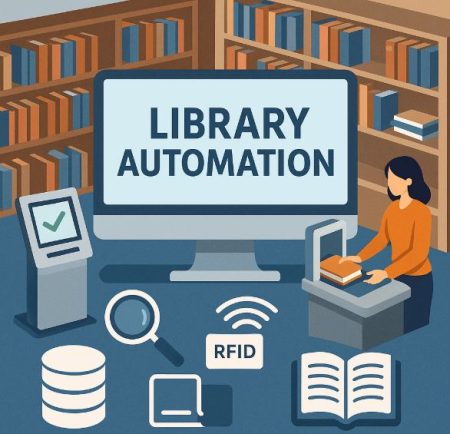
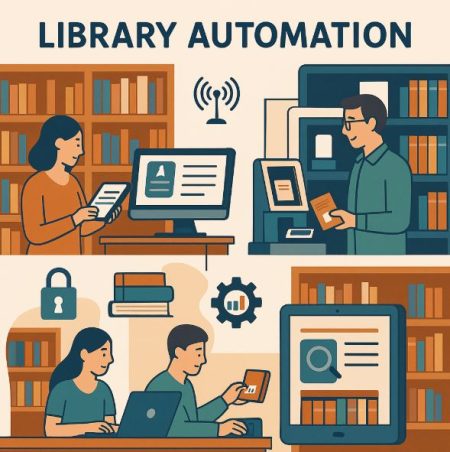
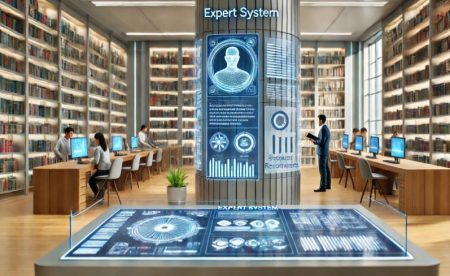
Introduction: Library automation refers to the use of technology to manage and streamline the core functions of a library, such as cataloguing, circulation, inventory management, and patron services. It integrates various software and digital tools that replace traditional, manual processes, allowing libraries to operate more efficiently and effectively. In an automated library, tasks like tracking borrowed materials, maintaining accurate records, and enabling access to digital resources are handled by automated systems, freeing up librarians to focus on more specialized work such as assisting patrons, managing collections, and curating educational resources. Automation Enhances Library Operations
The relevance of library automation in modern libraries cannot be overstated. As the volume of information and resources grows exponentially, libraries must adopt efficient systems that can manage physical and digital collections seamlessly. Automation reduces the likelihood of human error and speeds up essential processes, such as checking out materials or updating records. It is especially vital in the digital age, where users demand quick and remote access to e-books, journals, and other online resources. It also improves the user experience by offering features such as online public access catalogues (OPAC), self-service kiosks, and personalized notifications. It also enhances resource-sharing capabilities through interlibrary loan systems and remote access to databases. In this way, automation enables libraries to remain relevant, accessible, and efficient in serving the needs of modern patrons.
Key Areas Improved by Library Automation
Library automation has revolutionized how libraries function, offering enhanced efficiency in various operational aspects. By utilizing technology to streamline processes like cataloging, circulation, inventory management, and user services, automation has become a vital tool for modern libraries. Below are the key areas where library automation has significantly improved operations:
- Cataloguing and Classification
Cataloguing is one of the most time-consuming processes in any library. In the traditional system, librarians had to manually input and classify new materials, which were labor-intensive and prone to human error. Library automation has drastically improved this area by streamlining the process of cataloging and classification.
With automated systems, libraries can import bibliographic records from centralized databases, saving considerable time and effort. Digital catalogs, such as Online Public Access Catalogs (OPAC), allow users to search for books, journals, and other resources efficiently. This reduces the burden on library staff and ensures that materials are cataloged correctly and made available in real-time. Automation thus improves the speed and accuracy of cataloging, enhancing resource accessibility for patrons. - Circulation Management: Circulation, the process of borrowing, returning, and renewing materials, has seen significant improvements due to automation. Traditional circulation systems required manual tracking, often leading to inefficiencies like long queues, missed returns, and delayed processing of materials.
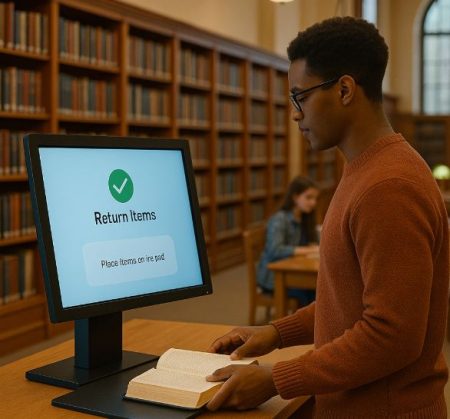
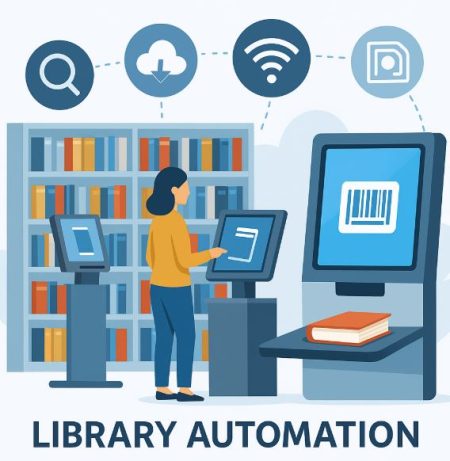
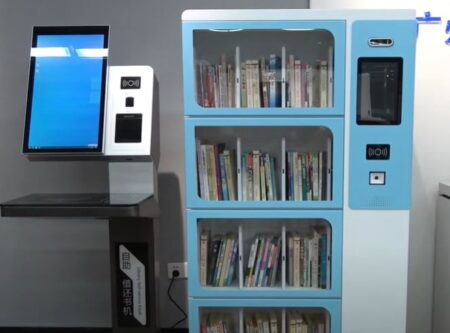
With automated circulation systems, libraries can track borrowed items seamlessly. Patrons can self-checkout and return books using kiosks or RFID-based systems, reducing wait times and easing the workload for library staff. Automation also ensures prompt notifications for overdue books, automatic fine calculation, and online renewal services, improving the overall efficiency of circulation management. - Inventory and Acquisition Management: Managing a library’s inventory is a complex task that requires regular updates and checks. In manual systems, tracking the availability and condition of resources was prone to errors and inefficiencies. Library automation addresses this issue by providing real-time inventory tracking.
Automated inventory systems help libraries accurately monitor the location, availability, and condition of their materials. This allows for more efficient stock-taking and ensures patrons always know what’s available. Furthermore, automation simplifies the acquisition process by streamlining the ordering, cataloging, and shelving of new materials, ensuring that resources are added to the collection quickly and accurately. - Patron Management and Services: Library automation significantly improves patron management by automating user records, borrowing history, and notifications. With an automated system, libraries can maintain up-to-date records on library members, track their borrowing patterns, and efficiently manage outstanding fees or fines.
Moreover, users benefit from personalized services, such as tailored book recommendations based on their borrowing history and reminders about due dates. Automation also empowers patrons to create and manage their accounts, giving them greater autonomy over their library experience. Features like online renewals holds, and reservation systems make it easier for users to access the resources they need without the hassle of physically visiting the library. - Resource Discovery and Access: One of the most important aspects of library automation is improving the discovery and access of resources. Automated systems provide unified platforms where patrons can seamlessly search and access physical and digital materials. Libraries can integrate their catalogs, making it easier for users to find what they want.
Additionally, automation facilitates remote access to e-resources, such as e-books and academic databases. This capability significantly improves user convenience, allowing patrons to access library materials from anywhere at any time. By integrating digital repositories and e-resources, libraries enhance resource availability and ensure patrons can access a wider range of materials. - Reporting and Analytics: Library automation provides powerful tools for generating reports and analytics. Traditional reporting methods were often slow and tedious, but automated systems generated real-time data on library usage, collection performance, and user behavior with minimal effort.
Libraries can now easily track metrics like the most borrowed books, peak usage times, and resource circulation trends. This data is invaluable for making informed decisions about future acquisitions, improving collection development strategies, and optimizing staff allocation. Additionally, libraries can use analytics to enhance user services and tailor their offerings based on the needs and preferences of their patrons. - Interlibrary Loans and Document Delivery: Library automation has also improved interlibrary loan (ILL) systems, allowing libraries to share resources more efficiently with other institutions. Automated ILL systems manage the logistics of borrowing and returning items from other libraries, ensuring patrons can access resources beyond their library’s immediate collection.
Moreover, automation facilitates document delivery services by enabling users to quickly request digital copies of needed materials. This is especially useful for research libraries, where access to a wide range of academic materials is crucial. - Self-Service and User Autonomy: Another area greatly improved by automation is self-service and user autonomy. Many libraries now offer self-service kiosks where patrons can independently check out and return materials. This reduces the workload on staff, allowing them to focus on more complex tasks.
Additionally, online services such as placing holds, reserving items, and accessing digital materials give users more control over how they engage with the library. Automated systems provide a more user-friendly and efficient experience, making it easier for patrons to access library resources when and how they need them.
Library automation has transformed how libraries operate, enhancing efficiency in multiple key areas. From cataloging and circulation management to inventory tracking and patron services, automation reduces the burden of manual processes, improves accuracy, and enhances the overall user experience. As libraries evolve in the digital age, automation will remain critical in ensuring that they provide timely, effective, and user-centered services.
Efficiency Gains for Librarians and Users Through Library Automation
Library automation has transformed how libraries operate, leading to substantial efficiency gains for librarians and users. By automating routine tasks, enhancing resource management, and streamlining services, librarians and users benefit from time savings, convenience, and improved access to information. Here’s a breakdown of the efficiency gains for each group:
A. Efficiency Gains for Librarians
- Reduced Manual Workload: One of the most significant benefits of automation for librarians is reducing manual, repetitive tasks. Traditional library operations, such as cataloging, tracking loans, managing returns, and sending reminders, are labor-intensive and prone to errors. With automation:
- Automated Cataloguing: Librarians can import bibliographic records from centralized databases, reducing the need for manual data entry and improving accuracy.
- Automated Circulation: Circulation tasks, including checking out and returning books, calculating fines, and sending notifications, are managed seamlessly by automated systems. This eliminates the need for manual intervention and ensures a smooth borrowing process for patrons.
By reducing the time spent on these routine tasks, librarians can focus on higher-level activities such as helping users with research, curating collections, and offering educational programs.
- Improved Inventory Management: Library automation systems help librarians manage collections more effectively by tracking real-time materials. Whether it’s books, journals, or digital resources, automation simplifies the management of inventory:
- RFID and Barcode Systems: These technologies enable quick and accurate inventory checks, making it easier to locate items, track their status, and update records.
- Real-Time Updates: Automated systems instantly update the availability of materials when items are borrowed, returned, or reserved, ensuring that users and staff have access to up-to-date information.
This reduces the time and effort required for stocktaking and ensures that librarians always have an accurate picture of the library’s collection.
- Enhanced Patron Management: Library automation systems streamline the management of patron services, allowing librarians to focus more on engaging with users:
- User Account Management: Automated systems maintain patron records, track borrowing history, and send reminders for overdue books or upcoming due dates. Librarians no longer need to manually track this information manually, improving the efficiency of managing user accounts.
- Automated Notifications: Automated notifications for overdue items, reservations, and fines ensure timely communication with patrons without requiring manual efforts from the library staff.
This reduces administrative tasks for librarians and improves the overall service quality for users.
- Data-Driven Decision Making: Library automation systems provide detailed reports and analytics that help librarians make informed decisions:
- Usage Statistics: Data on resource circulation, borrowing trends, and patron behavior help librarians assess the popularity and relevance of materials.
- Performance Metrics: Automated systems provide insights into staff productivity and service effectiveness, helping libraries identify areas for improvement.
These data-driven insights enable librarians to optimize their collection development strategies, allocate resources more effectively, and tailor their services to meet user needs.
- Increased Focus on Specialized Services: By automating routine processes, librarians can focus on more specialized services, such as research assistance, resource curation, and literacy programs. This shift from administrative work to more value-added services improves the quality of library offerings and enhances the user experience.
B. Efficiency Gains for Users
- Improved Access to Resources: Library automation greatly enhances users’ ability to find and access materials:
- Online Public Access Catalogues (OPACs): Automated catalog systems allow users to search the library’s collection from anywhere, using advanced search filters and intuitive interfaces.
- Digital Resource Integration: Users can access e-books, digital journals, and databases seamlessly, whether on campus or remotely. This accessibility is especially valuable in today’s digital age, where users expect 24/7 access to information.
Automation ensures that resources are easily searchable and accessible, improving the user experience.
- Faster and More Efficient Borrowing: With automated circulation systems, users experience a streamlined borrowing process:
- Self-Checkout Systems: Automated kiosks and RFID technology allow users to check out and return materials independently, reducing wait times and improving convenience.
- Automated Renewals and Reservations: Users can renew borrowed items or place reservations for materials online without visiting the library in person.
These self-service options empower users to manage their library activities more efficiently and reduce reliance on library staff for routine tasks.
- Personalized Services: Automation enables libraries to offer more personalized services to users:
- User Profiles: Patrons can create accounts to manage their borrowing history and preferences and receive personalized recommendations based on their past interactions with the library.
- Notifications and Alerts: Automated systems send reminders for due dates, notify users when reserved materials become available, and provide alerts about new acquisitions or upcoming events.
These personalized services enhance the user experience, making it easier for patrons to stay engaged with the library.
- 24/7 Access to Services: One of the most significant advantages of library automation is the ability to offer services around the clock. Online catalogs, digital resources, and account management tools are accessible 24/7, allowing users to:
- Search the Catalogue: Find and reserve materials anytime.
- Access Digital Resources: Read e-books, articles, and databases remotely.
- Manage Accounts: Renew loans, place holds, and check their borrowing history from the comfort of their homes.
This 24/7 accessibility is particularly beneficial for students, researchers, and professionals needing access to resources outside regular library hours.
- Reduced Waiting Times: Automated systems speed up finding and borrowing materials, reducing users’ time waiting for assistance. Self-service kiosks, automated checkouts, and real-time availability updates ensure that users can access materials quickly and efficiently. This improved efficiency enhances user satisfaction and encourages more frequent library use.
Library automation offers significant efficiency gains for both librarians and users. By automating routine tasks, libraries can improve resource management, enhance user experiences, and offer more personalized and accessible services. For librarians, automation reduces manual workloads, enhances decision-making, and allows for a greater focus on specialized services. For users, automation provides faster access to materials, personalized services, and the convenience of 24/7 access to library resources.
How Automation Enhances Library Operations and User Experience
As technology evolves, libraries increasingly embrace automation to streamline operations and improve user experiences. Library automation covers many tasks, including cataloging, circulation, inventory management, and user services, all aimed at making the library more efficient and accessible. By integrating automated systems, libraries enhance their internal processes and significantly improve the services they provide to patrons. Let’s explore how automation enhances library functionality and enriches the user experience.
A. Enhancing Library Operations:
1. Streamlined Cataloging and Classification
Traditional cataloging was a time-consuming process requiring manual data entry and classification of resources. Automation has transformed this by allowing libraries to:
-
- Automate Data Input: With systems that import bibliographic data directly from centralized databases, automation reduces the need for manual input, saving time and minimizing errors.
- Ensure Consistency: Automated cataloging tools help maintain standardized classification using metadata formats like MARC21, which improves resource discovery.
This streamlining not only accelerates the process of cataloging new materials but also ensures more accurate and consistent records, improving overall collection management.
2. Improved Circulation Management
Library circulation—managing the borrowing, returning, and renewing of materials—is a core operation that benefits immensely from automation:
-
- Self-Service Kiosks: Automation introduces self-checkout systems where users can independently borrow and return items using barcodes or RFID tags. This reduces queues and speeds up the process.
- Real-Time Updates: Automated systems provide real-time updates on the availability of resources, ensuring that both users and staff know the exact status of materials at all times.
- Automated Notifications: Patrons receive automated reminders for due dates and notifications when reserved materials become available, improving communication and reducing the risk of overdue items.
The automation of circulation processes ensures smoother transactions, reducing the workload on staff and enhancing user convenience.
3. Efficient Inventory Management
Automation plays a critical role in managing a library’s collection, enabling more efficient tracking of materials and improving stock management:
-
- Real-Time Inventory Tracking: Automated inventory systems using RFID or barcoding allow libraries to track the exact location and status of materials. This ensures that librarians and users have up-to-date information on what is available and where it can be found.
- Streamlined Stocktaking: Inventory checks that once took hours or days can now be completed in minutes using automated systems, allowing for regular updates without disrupting day-to-day operations.
This efficiency in inventory management ensures that resources are always accessible, which contributes to a better user experience.
4. Data-Driven Decision Making
Automation provides valuable data that helps library staff make informed decisions about collections and services:
-
- Usage Analytics: Automated systems track borrowing trends and material circulation, providing insights into which resources are most popular and which are underutilized.
- Financial Reporting: Automated financial management tools help track budgets, expenditures, and resource allocation, ensuring that libraries optimize their funding.
By leveraging this data, libraries can make better decisions about which materials to acquire, where to allocate resources, and how to improve services.
5. Remote and Digital Access
In today’s digital age, libraries need to provide access beyond their physical walls. Automation helps libraries manage both physical and digital resources seamlessly:
-
- E-Resource Integration: Automated systems integrate e-books, journals, and databases into the library catalog, enabling users to access digital materials through a single platform.
- Remote Access: Users can remotely access library resources and services, including e-books, journals, and research databases, anytime and anywhere. Automation facilitates this by managing user authentication and ensuring seamless access.
This digital transformation enhances a library’s reach and makes it more accessible to a wider audience, particularly for students, researchers, and professionals.
B. Enhancing User Experience
1. Personalized Services
Automation allows libraries to deliver a more personalized experience to users by tailoring services to their preferences and needs:
-
- User Profiles: Automation systems enable users to create and manage personalized accounts, where they can track their borrowing history, manage loans, and receive tailored recommendations.
- Recommendations: Based on a user’s borrowing history, automated systems can suggest books, journals, or resources that match their interests, creating a more engaging experience.
By personalizing interactions, libraries can build stronger relationships with patrons and increase engagement.
2. Convenience and Self-Service
One of the most significant benefits of automation for users is the convenience it offers:
-
- Self-Checkout and Returns: Self-service kiosks enable users to borrow and return materials independently, reducing the need for staff assistance and cutting down wait times.
- Online Renewals and Reservations: Users can renew items, place holds on materials, and manage their accounts online, offering a flexible and convenient way to engage with library services.
These self-service options allow users to interact with the library on their own terms, enhancing their overall experience.
3. Enhanced Search and Discovery
Automated systems vastly improve how users find and discover library resources:
-
- Advanced Search Tools: With OPACs (Online Public Access Catalogs), users can search for materials using advanced filters, keywords, and categories. This enhances the ease with which they find specific resources.
- Unified Search Platforms: Automation enables users to search both physical and digital collections from a single platform, making it easier to locate materials across different formats.
These advanced search capabilities make it easier for users to find the information they need quickly and efficiently.
4. 24/7 Access to Resources
Automation allows libraries to offer round-the-clock access to their resources:
-
- Online Catalog Access: Users can search the library catalog, reserve books, and access digital materials at any time, from anywhere.
- Remote Access to Digital Resources: With automated systems handling authentication, users can access digital collections, such as e-books and research databases, even when the library is closed.
This 24/7 accessibility greatly enhances the convenience and flexibility of library services, meeting the needs of users who may not be able to visit during regular hours.
5. Automated Communication
Automation improves communication between the library and its users by ensuring that important information is relayed in a timely manner:
-
- Automated Alerts: Users receive email or SMS notifications for due dates, overdue items, and availability of reserved materials. These alerts keep users informed without the need for manual reminders from staff.
- Event Notifications: Libraries can use automated systems to notify users about upcoming events, workshops, or new additions to the collection, fostering engagement and keeping the library community active.
These communication improvements help users stay informed and reduce the likelihood of overdue fines or missed events.
Automation has revolutionized how libraries operate and interact with their users. By streamlining cataloging, circulation, and inventory management, libraries can operate more efficiently, reducing administrative burdens and freeing up staff to focus on providing specialized services. For users, automation enhances the library experience by offering personalized services, self-service options, advanced search capabilities, and 24/7 access to resources.