A library call number is a unique identifier assigned to each item in a library’s collection, such as books, journals, multimedia, or other resources. It serves as a “shelf address” that helps librarians and patrons locate and organize materials systematically. Call numbers are typically printed on the spine or cover of an item and correspond to the item’s record in the library’s catalog.
Call numbers are based on specific classification systems, such as the Dewey Decimal Classification (DDC) or the Library of Congress Classification (LCC), which group materials by subject areas to ensure a logical and consistent arrangement. Each call number consists of a combination of letters and numbers, often including information about the subject, author, and publication date. By using call numbers, libraries maintain the principle of helpful sequence, making it easier for users to find related resources in the same subject area. Whether you’re browsing the shelves or searching an online catalog, understanding how call numbers work is essential for navigating the wealth of knowledge available in a library.
What is a Library Call Number?
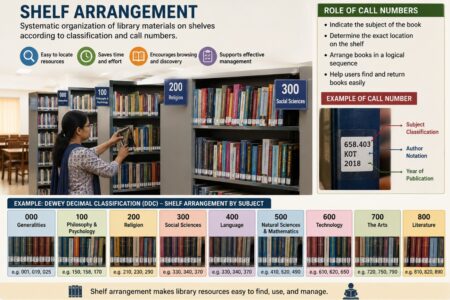
A Library Call Number is a unique code assigned to every item in a library’s collection to identify and organize it within the library. It acts like an “address” that indicates the exact location of a book, journal, or other resource on the library’s shelves. Call numbers are typically displayed on the spine or front cover of an item and correspond to the catalog record in the library’s system.
Call numbers are created using standardized classification systems, the most common being the Dewey Decimal Classification (DDC) and the Library of Congress Classification (LCC). These systems group materials by subject, making it easier to locate items on a similar topic. A call number usually consists of several parts, including:
- Classification code: Represents the subject of the material.
- Cutter number: Often represents the author or title for further specificity.
- Date: Indicates the year of publication.
For example, in the Library of Congress system, a call number might look like this: QA76.73.P98 2021. Each segment has a specific meaning and helps ensure resources are arranged in a logical sequence.
Understanding library call numbers allows patrons to efficiently find resources and explore related materials in the same subject area. It’s a critical tool in managing library collections and promoting easy access to knowledge.
Why Call Numbers Are Important in Organizing Library Collections?
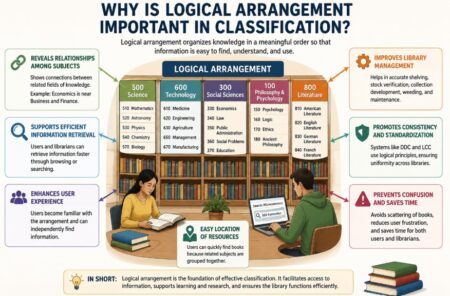
The importance of a library call number in organizing library collections lies in its ability to create a structured and efficient system for managing and accessing resources. Call numbers serve as unique identifiers that indicate an item’s physical location on the shelves and provide valuable information about its subject and classification. This organization ensures that materials are systematically arranged, making it easier for both librarians and patrons to locate resources quickly. Beyond simply finding a specific item, call numbers also group related subjects together, which encourages users to discover additional resources on the same topic, fostering deeper research and learning opportunities.
In addition to improving accessibility, call numbers enhance the overall efficiency of library operations. By adhering to standardized classification systems like the Dewey Decimal Classification (DDC) or Library of Congress Classification (LCC), libraries can maintain consistency across collections, even in multi-branch or interlibrary loan systems. This standardization simplifies inventory management, ensuring materials are shelved correctly and reducing the chances of misplaced or lost items. Furthermore, call numbers support the principle of helpful sequence, where resources are logically arranged to align with the needs of users.
Call numbers also play a critical role in accommodating the diversity of library collections, from books and journals to multimedia and archival materials. This adaptability allows libraries to effectively organize and preserve both traditional and modern resources. Without call numbers, libraries would struggle to maintain order, resulting in chaotic collections that hinder users from finding the information they need. Therefore, call numbers are not just a technical aspect of library management—they are fundamental to providing an organized, accessible, and user-friendly environment for knowledge discovery.
How Does a Call Number Help Users Locate Materials in a Library?
Libraries are carefully organized spaces designed to provide easy access to knowledge and resources. However, with thousands or even millions of materials in a single collection, finding a specific item would be overwhelming without a system in place. This is where call numbers play a vital role. A library call number acts as a unique “address” that guides users to the exact location of a resource within the library. It is a fundamental part of library organization, ensuring that materials are easy to find and logically arranged. Let’s explore how a call number helps users locate materials in a library and why it is an indispensable tool for both users and librarians.
- The Role of Call Numbers in Library Organization: A call number combines letters, numbers, and sometimes additional details such as publication year or author initials. Libraries assign these call numbers using classification systems like the Dewey Decimal Classification (DDC) or the Library of Congress Classification (LCC). These systems group materials by subject, creating a logical order that ensures related items are shelved together. For example, in the DDC system, books on a topic like environmental science are assigned call numbers within a specific numerical range (e.g., 333.7 for natural resources and energy), which makes it easy for users to locate and browse materials on that topic.
- Guiding Users to the Exact Location: When users search for a resource in the library catalogue, the call number provided in the search results serves as a map, leading them to the resource’s exact location on the library shelves. Call numbers are typically displayed on the spine or front cover of materials, and the library layout is arranged according to the classification system. Users simply follow the sequence of call numbers—starting with the primary classification and then narrowing down by author or publication year—to find the item they need. This systematic organization eliminates guesswork and makes locating materials straightforward, even in large libraries.
- Encouraging Browsing and Discovery: Call numbers do more than just help users locate specific items; they also promote discovery. Because materials on similar topics are shelved together, users searching for one resource often come across other books, journals, or resources that are equally useful. For instance, someone looking for a book on renewable energy may find additional titles on solar power or wind energy within the same section. This arrangement fosters exploration and provides opportunities for deeper research and learning.
- Enhancing Accessibility and Efficiency: The standardized nature of call numbers ensures that library collections are accessible to all users. Whether it’s a student, researcher, or casual reader, anyone can use a call number to navigate the library efficiently. This is especially important in academic and research libraries, where users often need to locate specific resources quickly. Call numbers reduce the time spent searching and ensure that users can focus on their studies or projects rather than getting lost in an unorganized collection.
- Supporting Librarians and Resource Management: From a librarian’s perspective, call numbers are equally important for managing library collections. They provide a consistent and organized system for shelving, re-shelving, and inventory control. When an item is misplaced, the call number helps librarians identify its correct location, ensuring that the collection remains orderly and accessible to all users.
In conclusion, the library call number is an essential tool that simplifies the process of locating materials in a library. By serving as a unique identifier and a navigational guide, call numbers ensure that resources are systematically arranged and easy to find. They help users locate specific items and encourage exploration of related materials, enhancing the library experience. Whether in a small community library or a vast research institution, call numbers remain a cornerstone of effective library organization, providing users with seamless access to the wealth of knowledge housed within the library.
What Are the Major Classification Systems Used to Assign Call Numbers?
Libraries house vast collections of resources, from books and journals to multimedia and digital materials, and managing these collections requires a systematic approach. One of the essential tools for organizing and accessing these materials is the call number, a unique identifier that indicates the location and subject of an item. Call numbers are assigned using specific classification systems that group resources by subject matter and ensure logical organization. Among the many classification systems in use, a few stand out as the most widely adopted for assigning call numbers. The major classification systems used to assign call numbers in libraries include the following:
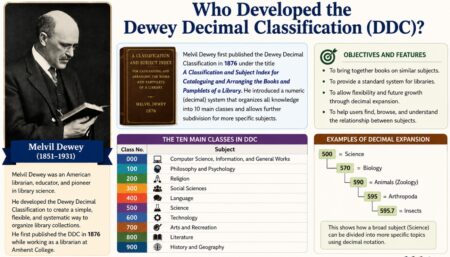
- Dewey Decimal Classification (DDC): The Dewey Decimal Classification system is one of the oldest and most popular methods for organizing library collections. Developed by Melvil Dewey in 1876, it categorizes materials into ten main classes, each representing a broad area of knowledge. These classes are divided further into divisions and sections, offering greater specificity. For example:
000: Computer science, information & general works
100: Philosophy and Psychology
200: Religion
300: Social Sciences
400: Language
Each item in the library is assigned a numerical code, which may include decimals to indicate more detailed subtopics. The DDC is used widely in public libraries, school libraries, and smaller collections due to its simplicity and flexibility. - Library of Congress Classification (LCC): The Library of Congress Classification system, developed by the Library of Congress in the early 20th century, is another widely used system, especially in academic and research libraries. Unlike the DDC, the LCC uses an alphanumeric structure, with letters representing broad subject areas and numbers providing further specificity. For example:
Q: Science
QA: Mathematics
QC: Physics
N: Fine Arts
R: Medicine
The LCC is well-suited for larger collections because it offers a higher degree of granularity and flexibility. Its alphanumeric format makes it easier to accommodate new subjects as fields of knowledge evolve. - Universal Decimal Classification (UDC): The Universal Decimal Classification system is an expansion of the Dewey Decimal system, created to address the needs of specialized and multilingual collections. It uses numeric codes similar to the DDC but incorporates symbols like colons and plus signs to express relationships between subjects. This flexibility makes the UDC ideal for complex collections, particularly in scientific and technical libraries. It is widely used in Europe and other parts of the world.
- Colon Classification (CC): The Colon Classification system, developed by Indian librarian S.R. Ranganathan, is a unique and highly flexible system based on the idea of facets. It uses a combination of letters, numbers, and colons to represent five fundamental categories: Personality, Matter, Energy, Space, and Time. For example:
-
- A specific topic in chemistry might be represented as:
-
- C, where “C” represents Chemistry as the primary subject.
-
- A specific topic in chemistry might be represented as:
The system is used mainly in India and is particularly effective for organizing complex or interdisciplinary materials.
-
- National Library of Medicine Classification (NLM): The National Library of Medicine Classification system is specifically designed for medical and health sciences libraries. It uses an alphanumeric system similar to the LCC but focuses on areas like anatomy, pharmacology, and clinical medicine. For example:
QW: Microbiology
QZ: Pathology
This system ensures that medical professionals and researchers can easily access resources relevant to their fields. - Superintendent of Documents (SuDocs) Classification: The SuDocs Classification system is used primarily for organizing U.S. government publications. Unlike other classification systems, SuDocs groups materials based on the issuing government agency rather than the subject matter. For example:
A: Agriculture Department publications
C: Commerce Department publications
This system is commonly used in federal depository libraries and ensures that government documents are accessible by agency and series.
Why Classification Systems Matter:
Classification systems are more than just technical tools; they are essential for maintaining order, ensuring accessibility, and promoting the efficient use of library resources. Each system is designed to meet the specific needs of different types of libraries. For instance, while the DDC is ideal for smaller public and school libraries, the LCC is better suited for larger academic institutions. Similarly, specialized systems like NLM and UDC cater to niche collections in medicine and science.
The choice of a classification system depends on the library’s size, focus, and audience. Whether it’s the simplicity of the Dewey Decimal Classification, the flexibility of the Library of Congress Classification, or the specificity of the National Library of Medicine Classification, these systems play a crucial role in helping libraries manage their collections effectively. By assigning call numbers based on these systems, libraries ensure that users can easily locate and access the wealth of knowledge available, supporting education, research, and lifelong learning.
How is a Call Number Structured, and What Do Its Components Represent?
A call number is a fundamental tool in libraries, serving as a unique identifier for each item in a collection. It acts as an “address,” guiding users to the exact location of a book, journal, or resource on the library’s shelves. Beyond its practical function, a call number also contains valuable information about the material, such as its subject, author, and publication details. Understanding how a call number is structured and what its components represent can significantly enhance a library user’s ability to locate and explore resources efficiently.
The Structure of a Call Number
A typical call number is composed of several elements that follow a specific sequence. While the exact structure may vary depending on the classification system used—such as the Dewey Decimal Classification (DDC) or the Library of Congress Classification (LCC)—most call numbers include the following components:
- Subject Classification: The first part of a call number indicates the subject of the material. It categorizes resources into broad topics and then narrows them down into more specific areas.
- In the Dewey Decimal Classification (DDC): The subject is represented by a numerical code. For example:
- 333.7 refers to resources on natural resources within the broader category of economics (300s).
- 641.5 represents cookbooks and materials on food preparation within the general area of applied sciences.
- In the Library of Congress Classification (LCC): The subject is represented by a combination of letters and numbers. For example:
- Q denotes the general category of science, while QC narrows it down to physics.
- PS refers to American literature.
This part ensures that materials on similar topics are grouped together on the shelves, allowing for logical organization and easier browsing.
- In the Dewey Decimal Classification (DDC): The subject is represented by a numerical code. For example:
- Cutter Number: The Cutter number is a combination of letters and numbers that further organizes items within a subject category. It often represents the author’s name, the title of the work, or both.
- Example in LCC: QA76.73 .P98 – The “.P98” is the Cutter number, where “P” might stand for the author’s last name or a significant word in the title.
- Example in DDC: 333.7 B56 – The “B56” corresponds to the author’s name (e.g., “Brown”).
This component ensures alphabetical or logical order within the subject area, helping users locate materials by a specific author or title.
- Publication Year: The publication year is often included as part of the call number, providing additional detail to distinguish between different editions or works by the same author.
- Example in LCC: QA76.73 .P98 2021 – The “2021” indicates the year of publication.
Including the publication year is particularly useful for researchers who need the latest edition of a resource or want to compare editions over time.
- Example in LCC: QA76.73 .P98 2021 – The “2021” indicates the year of publication.
- Volume or Copy Number (Optional): For multi-volume works or duplicate copies, the call number may include an additional designation for the volume or copy number.
- Example:
- QA76.73 .P98 2021 v.2 – The “v.2” indicates that this is the second volume in a series.
- 333.7 B56 c.2 – The “c.2” specifies that this is the second copy of the book.
This helps users and librarians distinguish between different parts of a series or multiple copies of the same item.
- Example:
- Additional Notes (Optional): In some cases, libraries include special notes in the call number to indicate unique characteristics of the resource, such as format or shelving location.
- Example:
- REF 333.7 B56 – The “REF” prefix designates that the item is a reference material and cannot be checked out.
- OVERSIZE QA76.73 – The “OVERSIZE” note indicates that the item is too large to fit on standard shelves.
- Example:
How the Components Work Together
Each part of the call number is specific to ensure that library materials are well-organized and easily accessible. The subject classification groups similar resources together, the Cutter number provides alphabetical or logical ordering, and the publication year and volume number add precision for locating specific items. This structured approach simplifies the process of finding materials and makes it possible to explore related topics efficiently.
Why Understanding Call Numbers is Important
For library users, understanding the structure of a call number unlocks the full potential of the library’s organization. By learning how to interpret call numbers, users can navigate the shelves with confidence, discover related resources, and make the most of their time in the library. Additionally, call numbers help librarians maintain order, track inventory, and ensure that materials are shelved correctly.
The structure of a call number is more than just a sequence of letters and numbers—it is a carefully designed system that provides critical information about a resource’s subject, author, and other details. By understanding the components of a call number and how they work together, library users can efficiently locate materials and explore the wealth of knowledge available in a library. Whether using the Dewey Decimal Classification, the Library of Congress Classification, or another system, call numbers are an indispensable part of library organization and resource accessibility.
How Can Library Patrons Use a Call Number to Find Related Materials on the Same Topic?
Library patrons can use a call number to find related materials on the same topic by taking advantage of the systematic way libraries organize their collections. Call numbers are assigned based on classification systems like the Dewey Decimal Classification (DDC) or the Library of Congress Classification (LCC), which group materials by subject. This means that items with similar or related topics are shelved together. For example, in the DDC system, a book with the call number 641.5 on cooking will be surrounded by other books on food preparation, recipes, and culinary techniques. Similarly, in the LCC system, a book on American literature with the call number PS3566 will be placed near other works in the same genre or by similar authors.
By locating a specific item using its call number, patrons can browse the surrounding shelves to discover additional resources that complement their research or interests. The hierarchical structure of call numbers, which starts with broad categories and narrows down to specific subjects, makes it easy for users to identify related materials. Additionally, modern library catalogs often offer “virtual shelf browsing,” allowing patrons to explore adjacent call numbers online before visiting the library. This method of using call numbers helps patrons find what they need and encourages exploration, leading to unexpected discoveries that can enrich their research or personal learning.
Are Call Numbers Standardized Across All Libraries, or Can They Vary Between Institutions?
Call numbers are not entirely standardized across all libraries, as their application can vary depending on the specific needs and practices of each institution. While most libraries use standardized classification systems such as the Dewey Decimal Classification (DDC) or the Library of Congress Classification (LCC) to assign call numbers, the interpretation and adaptation of these systems can differ. Public libraries often simplify Dewey Decimal call numbers to make them easier for general users to understand, while academic and research libraries might use the more detailed Library of Congress system to organize their larger, specialized collections. Additionally, libraries with unique collections—such as rare books, government documents, or multimedia materials—may create customized call numbers or use alternative classification systems like SuDocs for government publications or the National Library of Medicine Classification (NLM) for health sciences.
These variations allow libraries to tailor their organizational methods to suit their audience and collection, but they can lead to differences in how the same material is classified in different institutions. For instance, a book on the same topic may have slightly different call numbers in a public library versus a university library, depending on the classification system and the level of detail used. Despite these differences, library catalogs and metadata ensure that materials remain accessible, and systems like interlibrary loan rely on identifiers beyond call numbers, such as ISBNs. Ultimately, while call numbers provide a level of standardization, the flexibility to adapt them allows libraries to better serve their unique communities while maintaining a logical and user-friendly system.
Reference Articles:
- Classification-Home. (n.d.). Retrieved January 23, 2025, from https://classification.nlm.nih.gov/
- Dewey Decimal Classification. (2025). In Wikipedia. https://en.wikipedia.org/w/index.php?title=Dewey_Decimal_Classification&oldid=1268843207
- Introduction to the Dewey Decimal Classification. (n.d.).
- Library of Congress Classification Outline—Classification—Cataloging and Acquisitions (Library of Congress). (n.d.). Retrieved January 23, 2025, from https://www.loc.gov/catdir/cpso/lcco/
- O’English, L. (n.d.). LibGuides: US Government Documents Fundamentals: SuDoc (U.S. Superintendent of Documents) Classification System (for federal documents). Retrieved January 23, 2025, from https://libguides.libraries.wsu.edu/c.php?g=294158&p=7676866
- Superintendent of Documents Classification. (2024). In Wikipedia. https://en.wikipedia.org/w/index.php?title=Superintendent_of_Documents_Classification&oldid=1216071952