
Librarianship is a specialized profession that involves the management, organization, preservation, and dissemination of information in various formats, with the ultimate goal of making knowledge accessible to individuals and communities. It is grounded in the principles of intellectual freedom, information equity, and the ethical stewardship of resources. Librarians, the professionals within this field, are experts in organizing and retrieving information, guiding users through the complexities of information retrieval, and promoting information literacy.
As a specialized profession, librarianship requires a unique set of skills, including expertise in information technology, cataloguing and classification systems, and user-centered services. Librarians must stay informed about emerging trends in technology, information science, and digital preservation, as the field continuously adapts to meet the evolving needs of society. For example, academic librarians assist students and faculty with research by offering specialized database access, reference services, and citation management tools like Mendeley and EndNote. Public librarians, on the other hand, facilitate community programs, digital literacy workshops, and provide access to a broad range of information resources. Additionally, librarians play a crucial role in digital preservation, where they manage digital archives to ensure the long-term accessibility of online resources, such as academic journals or government records. The Library of Congress in the United States, for instance, has a dedicated digital preservation program to protect and archive digital content for future generations.
Their responsibilities extend beyond the traditional library setting, as they increasingly engage in data management, digital archives, and community outreach programs. This includes assisting in the implementation of open-access repositories for academic publications or providing technical support for digital learning platforms like OpenAthens, which ensures remote access to subscribed e-resources.
This profession, while rooted in the traditional notion of libraries as centers of learning, has expanded to play a pivotal role in an information-driven society, where librarians continue to shape how information is accessed, interpreted, and used across diverse sectors and communities.
What is Librarianship?
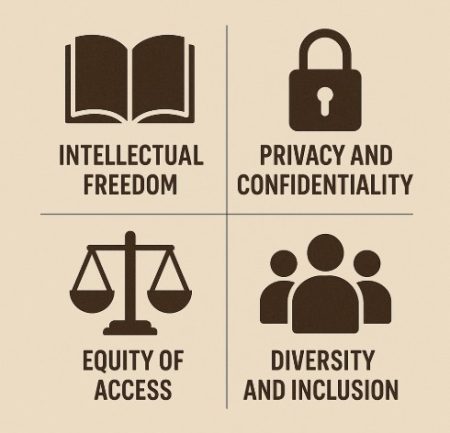
Librarianship is the profession dedicated to the management, organization, and dissemination of information. It involves a range of activities, including the acquisition, cataloguing, classification, preservation, and access to various types of information resources such as books, journals, databases, multimedia materials, and digital content. Librarians are responsible for ensuring that these resources are well-organized, easy to locate, and available to individuals who need them for research, education, or personal enrichment. The profession is founded on principles of intellectual freedom, privacy, and equity, aiming to provide access to information for all members of society, regardless of their background or status.
At its core, librarianship requires specialized knowledge in areas such as information science, technology, metadata, and cataloguing systems. Librarians use standardized classification systems like the Dewey Decimal Classification or Library of Congress Classification to categorize materials, making them easier for users to search and retrieve. Additionally, librarians play an increasingly vital role in digital preservation, managing electronic resources, and ensuring long-term access to digital archives and collections.
Beyond organizing physical and digital resources, librarians also serve as information guides, helping users navigate complex databases, locate authoritative sources, and improve their research and information literacy skills. In academic settings, librarians support students and faculty by providing research assistance, promoting scholarly communication, and teaching information literacy. Public librarians engage in community outreach, offering programs that promote reading, digital literacy, and lifelong learning.
Librarianship is not just about managing collections; it is also about ensuring that information is accessible and usable for all. The profession has evolved with technological advancements, allowing librarians to take on new roles such as digital archivists, data curators, and information management specialists. Despite these changes, the core mission of librarianship remains to empower individuals through access to information and knowledge.
Core Functions of Librarianship
Librarianship is a multifaceted profession that plays a pivotal role in ensuring the efficient organization, access, and dissemination of information. The core functions of librarianship are diverse, ranging from traditional responsibilities such as cataloguing and circulation to more contemporary roles in digital management and community outreach. Each of these functions contributes to the overarching goal of providing users with equitable access to information, empowering individuals, and supporting lifelong learning.
- Collection Development and Management: The foundation of any library lies in its collection. Librarians are responsible for developing and maintaining a diverse and relevant collection of materials to serve the informational, educational, and recreational needs of the community. This includes selecting, acquiring, and evaluating resources such as books, journals, e-books, multimedia materials, and databases. The role of collection development also extends to monitoring usage patterns and ensuring that materials are up-to-date and aligned with users’ needs. For instance, in academic libraries, librarians focus on acquiring scholarly journals and research papers, while public librarians may emphasize popular fiction, non-fiction, and local community resources. The goal of collection management is to ensure that library resources are accessible, current, and varied to support the intellectual and cultural needs of all library users.
- Cataloguing and Classification: Effective cataloguing and classification are fundamental to the organization of library resources. Librarians use classification systems such as the Dewey Decimal Classification or Library of Congress Classification to categorize materials according to subject, making it easier for users to find and access what they need. Cataloguing involves creating detailed bibliographic records for each resource, providing information about the title, author, subject, publisher, and more. These records allow users to search and retrieve resources through catalogue systems, whether physically or electronically. As libraries shift toward digital formats, the role of cataloguing and classification becomes even more important to ensure that digital resources, such as e-books and online databases, are well-organised and easily searchable by users.
- Information Retrieval and Reference Services: Librarians are experts in information retrieval, assisting users in locating the information they need, whether in physical or digital formats. Information retrieval involves helping users navigate catalogue systems, databases, and the internet to find relevant resources for research, study, or personal enrichment. Librarians also offer reference services, guiding users through complex searches, providing recommendations for additional resources, and helping them analyze and synthesize information. For example, in academic libraries, reference librarians assist students and faculty in finding scholarly articles, while public librarians might help patrons search for local resources or self-help materials. These services ensure that users can efficiently access the information they need, regardless of its format or source.
- Teaching Information Literacy: One of the most vital roles of modern librarians is to teach information literacy. As the volume of available information continues to grow, it becomes essential for individuals to be able to critically assess and effectively use information. Librarians provide instruction on how to identify credible sources, evaluate information, and cite resources correctly. They also teach users how to use library resources effectively, including navigating online databases, search engines, and digital archives. Information literacy education is especially important in academic settings, where students need to develop research skills, but it is also crucial in public libraries, where individuals of all ages can learn how to access reliable information for personal and professional use. By empowering users with these essential skills, librarians help foster critical thinking and enable lifelong learning.
- Preservation and Archiving: Preserving information and cultural heritage is a critical function in librarianship. Librarians are responsible for ensuring that valuable resources, whether print or digital, are protected from degradation and loss. Preservation includes efforts to maintain physical materials, such as rare books, manuscripts, and historical documents, by controlling environmental factors like temperature and humidity. Additionally, librarians play a significant role in the digital preservation of resources, ensuring that digital content remains accessible over time. This includes strategies for archiving websites, maintaining institutional repositories, and safeguarding digital publications. Libraries such as The National Archives and The Library of Congress in the United States are dedicated to archiving and preserving historical records for future generations, ensuring that valuable knowledge is not lost to time.
- Library Access and User Services: Libraries are spaces for accessing information, and librarians ensure that these spaces are user-friendly and accessible. User services encompass a wide array of tasks, including lending materials, assisting with library membership, and providing access to computers and digital resources. Librarians also offer specialized services for different groups within the community, such as children’s reading programs, senior citizens’ digital literacy initiatives, or services for individuals with disabilities. By ensuring that library services are accessible, librarians foster an inclusive environment where all members of the community can benefit from the resources available. Additionally, librarians are increasingly tasked with managing remote access to library resources, such as providing online databases and digital media to users outside the library premises.
- Community Engagement and Outreach: In addition to traditional library services, modern librarians are heavily involved in community engagement and outreach. Libraries have become community hubs that provide educational programs, cultural activities, and social services to people of all ages. Librarians organize workshops, book clubs, author readings, digital literacy sessions, and other programs designed to engage and enrich the community. For example, public libraries may offer after-school programs to help students improve reading skills, while academic libraries may collaborate with faculty to host workshops on research methodologies. By engaging with the community, librarians build relationships and ensure that library services are meeting the needs of diverse populations. This outreach fosters a culture of learning and lifelong education.
- Technology Integration and Digital Libraries: The integration of technology is increasingly important in the field of librarianship. With the growing demand for digital information, librarians are now tasked with managing digital libraries, online databases, and e-resources. These responsibilities include curating digital collections, managing content in institutional repositories, and providing users with access to e-books, scholarly articles, and multimedia resources. Libraries are also embracing new technologies such as cloud computing, mobile apps, and digital platforms to enhance access and streamline library services. As part of their evolving roles, librarians often assist faculty in developing online learning materials and integrating open-access resources into courses, making information and knowledge more accessible to a wider audience.
The core functions of librarianship are essential to the ongoing success and relevance of libraries in modern society. By developing and managing collections, organizing information, teaching information literacy, preserving resources, and engaging with the community, librarians help ensure that information is accessible, accurate, and preserved for future generations. As technology continues to reshape the way we access and interact with information, librarians will continue to adapt and innovate, providing crucial services that support education, research, and lifelong learning for all. Whether in academic, public, or special libraries, these functions reflect the vital role that librarians play in fostering an informed and knowledgeable society.
Skills and Competencies Required in Librarianship
Librarianship is a dynamic and multifaceted profession that requires a diverse set of skills and competencies. As libraries evolve from traditional spaces for books and journals to modern hubs for digital information and community engagement, the role of librarians has expanded to encompass various tasks related to information management, technology, user services, and education. To succeed in this profession, librarians must develop expertise in a variety of areas, ranging from cataloguing and classification to technological proficiency and interpersonal communication. Here are the essential skills and competencies required for librarianship, highlighting the qualities that make librarians effective in serving their communities and institutions.
- Information Management and Organization: At the core of librarianship lies the skill of organizing and managing information. Librarians must be able to handle vast amounts of information in various formats—books, journals, digital media, databases, and more. One of the primary competencies required is cataloging, which involves creating accurate bibliographic records for resources, and classification, which ensures that materials are systematically arranged for easy retrieval. Librarians must be adept at using classification systems such as the Dewey Decimal Classification or Library of Congress Classification, as well as managing integrated library systems (ILS) to track materials and maintain the library’s inventory. The ability to organize both physical and digital collections is fundamental to ensuring that library users can quickly and easily access the resources they need.
- Technological Proficiency: With the increasing reliance on digital tools, librarians must possess a high level of technological proficiency. This includes knowledge of library management software, online databases, digital preservation tools, and e-resource platforms. Librarians must be able to manage digital collections, digitize physical materials, and ensure the long-term accessibility of digital content. Familiarity with software such as Alma, Koha, or SirsiDynix is essential for managing library operations. Moreover, librarians are often required to oversee digital archives and provide access to e-books, online journals, and research databases. As libraries move toward becoming more technology-driven, librarians are also tasked with staying informed about emerging technologies such as artificial intelligence (AI), machine learning, and big data analytics, all of which are shaping the future of information management.
- Information Literacy and Teaching Skills: An increasingly important skill for librarians is the ability to teach information literacy. Information literacy refers to the ability to identify, locate, evaluate, and use information effectively and ethically. Librarians are often tasked with teaching students, faculty, and community members how to conduct research, navigate databases, assess the credibility of sources, and properly cite materials. In academic libraries, librarians collaborate with faculty members to integrate information literacy into the curriculum, offering workshops and one-on-one instruction. Librarians also help users navigate the complexities of modern information environments, such as understanding the difference between primary and secondary sources or using Boolean search strategies to locate academic resources. Strong teaching skills are essential, as librarians guide users in developing critical thinking and research skills.
- Research Skills: Librarians must be proficient in conducting research themselves and assisting others with their research needs. Research skills involve the ability to design effective search strategies, utilize academic databases, and navigate both digital and print resources. Librarians assist students, researchers, and faculty in finding relevant literature, conducting literature reviews, and identifying key sources of information. In addition to understanding traditional research methodologies, librarians must be able to adapt to new research trends, including open access publishing, data management, and digital scholarship. They are often called upon to guide researchers in managing citations, data, and publications through reference management tools like Mendeley, EndNote, or Zotero.
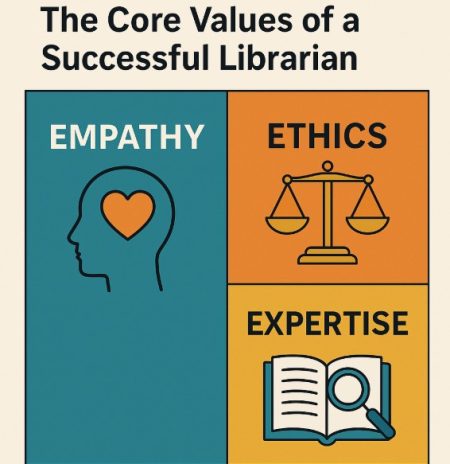
- Customer Service and Interpersonal Skills: As libraries are community-centered institutions, customer service is a critical skill for librarians. Librarians must be able to interact with a wide range of individuals, including students, faculty, community members, and library staff. A customer-focused attitude is essential in understanding user needs, offering assistance, and delivering services that are both effective and empathetic. Librarians should be patient, approachable, and able to communicate complex information in an accessible way. They must also be responsive to feedback, ensuring that library services remain relevant and aligned with the needs of their users. Strong interpersonal skills are necessary for fostering positive relationships with library patrons and ensuring that the library environment is welcoming and inclusive.
- Problem-Solving and Critical Thinking: Librarians must be capable of problem-solving and critical thinking in a fast-paced and ever-changing information environment. They are often faced with challenges such as helping users find obscure resources, addressing technical issues with library systems, or adapting to budget cuts while maintaining high-quality services. The ability to analyze problems, think critically about solutions, and make informed decisions is essential. For example, when faced with limited resources, librarians may need to prioritize certain acquisitions or services based on user demand and institutional goals. The ability to evaluate situations and propose effective solutions ensures that libraries continue to meet the evolving needs of their communities.
- Communication and Collaboration: Effective communication is essential for librarians in all aspects of their work. Librarians must be able to communicate clearly and concisely with a variety of stakeholders, including library users, colleagues, vendors, and institutional administrators. Whether in person, via email, or through social media, librarians must be able to convey information in a way that is engaging and informative. Collaboration is equally important, as librarians often work in teams, both within their own library and across institutional departments. For example, academic librarians collaborate with faculty members to support research and course development, while public librarians may work with local organizations to host community events. Librarians who excel in collaboration and communication can create stronger, more effective library programs and services.
- Ethical and Legal Awareness: Librarians must be knowledgeable about ethical and legal issues related to information use. This includes understanding copyright law, intellectual property, privacy rights, and the ethical use of information. Librarians are responsible for ensuring that users adhere to copyright laws when using resources and that their personal data is protected. They must also be advocates for intellectual freedom, ensuring that library materials and services are available to all users without censorship. Understanding the legal and ethical implications of information access is crucial for maintaining trust and credibility within the profession.
- Leadership and Management Skills: For those in supervisory roles, leadership and management skills are essential. Librarians who lead teams or manage library operations must be able to oversee the daily functioning of the library, make strategic decisions, and guide staff members. These skills include budgeting, project management, and the ability to motivate and support colleagues. Additionally, librarians must be able to adapt to changes in the profession, such as technological advancements or shifts in user expectations. Effective leaders in librarianship can inspire innovation, improve efficiency, and ensure that library services continue to meet the evolving needs of their users.
Librarianship is a highly specialized profession that requires a combination of technical, interpersonal, and leadership skills. Librarians must possess the knowledge and competencies to manage both physical and digital collections, assist users in information retrieval, teach essential research skills, and engage in community outreach. With the continuous evolution of information technology, librarians are increasingly called upon to stay current with emerging trends and to adapt to new challenges in the digital age. The skills and competencies discussed above are essential for librarians to fulfil their roles effectively and ensure that libraries continue to serve as vital resources for knowledge, learning, and community engagement.
Professional Development and Education in Librarianship
Librarianship is a dynamic and evolving profession that requires continuous learning and development. As information technologies advance and user needs change, librarians must stay updated on the latest trends, tools, and best practices to provide high-quality services to their communities. Professional development and education are essential components of librarianship, ensuring that librarians have the knowledge, skills, and competencies required to adapt to the demands of the profession. One of the primary reasons professional development is crucial is to enable librarians to keep pace with technological advancements. The rise of digital resources, online databases, and library automation systems means that librarians must regularly update their technical skills, such as managing digital archives, learning new library management software, and mastering advanced search techniques. Furthermore, professional development supports librarians in meeting the evolving needs of library users. As user expectations shift, librarians must adapt their services to remain relevant and effective. This includes acquiring new knowledge in areas like information literacy, digital inclusion, and user experience (UX) design, which are becoming increasingly important in modern libraries.
Professional development allows librarians to maintain their professional standards and ethics. In a field where intellectual freedom, privacy, and confidentiality are paramount, librarians must stay informed about legal and ethical issues surrounding information access, copyright laws, and data protection. There are several opportunities for professional development available to librarians. One primary avenue is through formal education. A Master of Library Science (MLS) or Master of Library and Information Science (MLIS) degree is typically required for most professional librarian roles, and these graduate programs provide a comprehensive foundation in library science, including topics such as information organization, reference services, cataloguing, collection management, and library management. Many institutions also offer specialized courses, such as digital preservation and data curation, allowing librarians to tailor their education to their specific career goals. Further education, such as doctoral programs in library and information science, is often pursued by those seeking higher-level or academic positions.
In addition to formal education, librarians can enhance their qualifications through certifications and professional credentials. Various organizations, including the American Library Association (ALA), offer certifications in specialized areas of librarianship. For example, librarians can earn certifications in digital archives, public library management, or cataloguing and classification, which can help them demonstrate expertise in particular areas and advance their careers. Workshops and continuing education courses also provide valuable opportunities for learning. Many professional associations, universities, and library organizations offer short-term courses focused on emerging trends, technologies, and best practices. These courses cover topics like open-access publishing, library automation systems, and data privacy laws. Workshops and courses can be attended in person or online, offering flexibility for librarians to continue their education alongside their professional responsibilities.
Another important aspect of professional development is attending conferences and engaging in professional associations. Conferences such as the American Library Association (ALA) Annual Conference and international gatherings bring together librarians to share knowledge, discover new tools, and discuss the future of libraries. These events feature keynote speakers, panel discussions, and workshops on current issues in librarianship, providing valuable networking opportunities for librarians to connect with peers and experts. In addition to conferences, online learning has become increasingly popular for professional development. Librarians can participate in online courses, webinars, and virtual conferences to stay informed about the latest research and tools in the field. Platforms like Coursera and edX offer accessible learning opportunities that expand librarians’ knowledge and skillsets in areas such as data management, digital humanities, and information technology.
Informal learning through peer interactions and mentorship is also valuable in librarianship. Many librarians engage in mentorship programs, where experienced professionals guide less experienced colleagues, offering advice on career development and challenges. Peer learning takes place in professional networks, local library groups, and online communities, where librarians can exchange ideas, share experiences, and learn from one another. Education plays a critical role in shaping the future of librarianship, preparing the next generation of librarians to meet the challenges of an information-driven society. As technology continues to evolve, library education programs are incorporating new concepts such as big data, digital archives, information security, and UX design into their curricula, ensuring that future librarians are equipped to handle digital resources, manage online content, and engage users in innovative ways.
Moreover, education programs emphasize the importance of diversity, equity, and inclusion (DEI) in library services. By understanding the needs of underrepresented groups and developing strategies to provide equitable access to information, library education ensures that librarians can build inclusive and accessible library spaces. In conclusion, professional development and education are fundamental to the continued success and relevance of librarianship. By pursuing formal education, certifications, workshops, and peer learning opportunities, librarians can enhance their skills and stay updated on emerging trends. As the profession adapts to new technologies and societal shifts, professional development will remain essential for librarians to serve as leaders in information management, digital preservation, user education, and community engagement. Continuing education ensures that librarians remain indispensable in an information-driven world, able to provide high-quality services and foster lifelong learning in the communities they serve.
What Are the Defining Characteristics That Make Librarianship a Recognized Profession?
Librarianship is a dynamic and evolving profession that plays a pivotal role in the management, organization, and dissemination of information. While the tools and technologies employed by librarians have changed significantly over the years, the foundational characteristics that define librarianship as a recognized profession remain strong. From the specialized education required to the ethical standards upheld, librarianship is distinguished by a set of attributes that distinguish it from other occupations. Below are the key elements that establish librarianship as a distinct and respected profession:
- Specialized Knowledge and Education: One of the primary factors that elevate librarianship as a profession is the specialized knowledge required to practice it. Librarians are trained in Library and Information Science (LIS), a field that combines technical skills in information management with a deep understanding of human behavior and learning. A Master of Library Science (MLS) or Master of Library and Information Science (MLIS) degree is typically required to enter the profession, and these programs provide a comprehensive foundation in areas such as cataloguing, classification systems, information retrieval, digital libraries, and library management. The formal education that librarians receive ensures that they possess the knowledge necessary to organize and manage information effectively, making it accessible to users in various contexts.
- Ethical Standards and Professional Codes: Librarianship is governed by a strong set of ethical principles that prioritize intellectual freedom, privacy, and equity. Professional organizations like the American Library Association (ALA) and the International Federation of Library Associations and Institutions (IFLA) provide ethical codes that guide the behavior of librarians in all aspects of their work. A central ethical responsibility of librarians is to ensure the free and unrestricted access to information. This commitment to intellectual freedom, as well as privacy and confidentiality of library users, is a cornerstone of the profession. Librarians are also tasked with ensuring that materials are chosen and presented without censorship or bias, adhering to standards that promote fairness and inclusivity.
- Commitment to Public Service: Librarianship is fundamentally a service profession, dedicated to supporting the informational, educational, and recreational needs of individuals and communities. This service orientation is a defining feature of librarianship, as it places the needs of the user at the heart of the librarian’s work. Whether working in a public, academic, or special library, librarians engage directly with their communities, helping individuals access and make use of information. Librarians provide a variety of services, from research assistance and literacy programs to community outreach initiatives and access to digital resources. This emphasis on public service helps position librarianship as a profession that is deeply embedded in the social fabric, contributing to the intellectual and cultural development of society.
- Professional Autonomy and Judgment: Librarianship requires a significant amount of professional autonomy and judgment. Librarians are tasked with making decisions about what materials to acquire, how to organize resources, and how best to serve library users. This autonomy is rooted in the specialized knowledge that librarians possess, allowing them to apply professional standards and best practices to their work. For example, in the realm of collection development, librarians must use their expertise to select resources that meet the needs of their users while adhering to ethical guidelines and budget constraints. The ability to exercise professional judgment in the face of changing circumstances or evolving user needs further defines librarianship as a recognized profession.
- Continuous Professional Development: Librarianship is a profession that requires continuous learning and professional development. As technology continues to advance and new methods of information delivery and organization emerge, librarians must stay updated on the latest tools, resources, and trends in the field. Professional development ensures that librarians can meet the challenges posed by these changes. For example, librarians must be knowledgeable about new digital tools for managing electronic resources, data management, and providing remote access to library services. Many librarians engage in ongoing education by attending conferences, participating in workshops, obtaining certifications, or pursuing advanced degrees. This commitment to lifelong learning ensures that librarians remain effective in their roles and continue to meet the evolving needs of their communities.
- Professional Associations and Standards: The existence of professional associations and the establishment of recognized standards for practice are critical to defining librarianship as a profession. Professional organizations like the American Library Association (ALA), the Association of College and Research Libraries (ACRL), and the Library and Information Association (CILIP) play a central role in supporting the profession. These associations provide advocacy, professional development opportunities, and certification programs, while also working to establish and maintain standards for practice. Additionally, these organizations foster a sense of community among librarians, promoting collaboration and sharing of resources and knowledge. By adhering to these standards, librarians ensure that their practice meets the highest professional and ethical benchmarks.
- Social Responsibility and Advocacy: Librarianship is not just about organizing information—it is also about advocating for access to information and social equity. Librarians advocate for policies that ensure information is available to all, regardless of economic, social, or cultural background. This advocacy extends to promoting digital literacy, supporting open access initiatives, and ensuring that marginalized or underrepresented communities have access to the resources they need. For instance, libraries often provide resources to disadvantaged populations, such as free internet access, job search assistance, and literacy programs. The role of librarians as advocates for social equity and access to information reinforces the importance of librarianship as a profession with a broad societal impact.
- Systematic Practices and Standards: The work of librarians is characterized by the use of systematic practices and standardized methods for organizing, managing, and preserving information. Libraries utilize established classification systems like the Dewey Decimal Classification (DDC) or the Library of Congress Classification (LCC) to categorize materials based on subject. These systems, along with cataloging standards and metadata practices, ensure that library collections are well-organized, accessible, and searchable. Additionally, librarians follow strict guidelines for preserving and maintaining both physical and digital materials, ensuring that knowledge is protected and accessible for future generations. The systematic nature of librarianship, combined with its reliance on standardized practices, further elevates it as a recognized profession.
- Impact on Knowledge and Society: Librarianship has a profound impact on the creation, preservation, and dissemination of knowledge. Libraries are central to the intellectual and cultural development of society, providing individuals with the tools and resources they need to learn, grow, and succeed. Librarians not only facilitate access to books and scholarly articles but also foster critical thinking, lifelong learning, and personal growth. By organizing and curating information, librarians ensure that valuable knowledge is preserved for future generations. This contribution to the intellectual and cultural development of society is a key factor in recognizing librarianship as a profession that has a broad and lasting societal impact.
Librarianship is a recognized profession due to its specialized knowledge, ethical standards, commitment to public service, and professional autonomy. Librarians exercise professional judgment, engage in continuous learning, and advocate for equitable access to information, all while adhering to rigorous standards and codes of ethics. The profession’s impact on society, from promoting intellectual freedom to fostering community development, further solidifies its place as a vital and respected profession. By upholding these defining characteristics, librarians continue to play a critical role in shaping the information landscape and contributing to the advancement of knowledge and society.
How Does Librarianship Meet the Criteria of a Profession, Such as Specialized Knowledge, Ethics, and Professional Development?
Librarianship is widely recognized as a profession due to its foundation in specialized knowledge, adherence to ethical standards, and commitment to continuous professional development. These essential criteria not only distinguish librarianship from other occupations but also elevate it to the status of a respected and indispensable profession in today’s information-driven society. From formal education to ethical codes and professional growth, librarianship offers a clear example of how professions evolve to meet the changing demands of their fields while maintaining core principles. In this article, we will explore how librarianship meets the criteria of a profession, emphasizing specialized knowledge, ethics, and professional development, including the role of the Bachelor of Library Science (BLS) as part of professional education.
- Specialized Knowledge and Professional Education: One of the key criteria that defines librarianship as a profession is the specialized knowledge required to practice it effectively. To become a librarian, individuals must acquire a deep understanding of information management, cataloguing, classification systems, and the use of various technologies that support the accessibility and organization of information. This specialized knowledge is gained through formal education, including Bachelor of Library Science (BLS) and Master of Library Science (MLS) degrees, which are designed to equip aspiring librarians with the necessary skills to manage both physical and digital collections, serve a diverse user base, and provide information services.
The Bachelor of Library Science (BLS) serves as the foundational professional education for those beginning their career in libraries. This undergraduate program introduces students to the principles and practices of library science, covering topics like information organization, library management, classification systems (such as the Dewey Decimal System or Library of Congress Classification), and the basics of cataloging. A BLS provides a strong base in the theoretical aspects of librarianship, preparing students for entry-level positions in libraries and information centers. It also serves as a stepping stone for those wishing to pursue further graduate studies, such as a Master of Library and Information Science (MLIS), which delves deeper into specialized areas like digital libraries, information retrieval systems, and advanced research methods. This progression from BLS to advanced degrees reflects the professional depth that is a hallmark of librarianship.
Beyond formal education, librarianship demands ongoing learning and expertise in a variety of information management systems, digital tools, and evolving technologies. Librarians are responsible for implementing and managing systems that allow users to access vast amounts of data efficiently. They must understand the principles of metadata, database management, and digital preservation to maintain both traditional library collections and digital resources. This specialized knowledge ensures that librarians are equipped to meet the information needs of users, whether by organizing academic research, providing resources for personal development, or offering digital access to information through e-books and online databases. - Ethics and Professional Codes: Another critical aspect that elevates librarianship to a recognized profession is the strong ethical framework that guides librarians’ actions. Professional librarians follow ethical codes that govern the provision of services, the handling of information, and their responsibility to users. These ethical standards prioritize intellectual freedom, privacy, and equitable access to information, ensuring that librarians act in the best interests of users and society.
The American Library Association (ALA) and other professional organizations set forth ethical guidelines that promote the right to access information without censorship and the right to privacy in terms of user data. For instance, librarians are tasked with protecting users’ confidentiality, ensuring that personal information about library usage, including borrowing records and research inquiries, is kept private. Librarians also have a duty to foster intellectual freedom by resisting censorship and promoting diverse perspectives in library collections. They ensure that all users have access to a broad range of ideas, which is especially important in academic and public libraries, where access to knowledge plays a vital role in personal, academic, and community development.
These ethical principles form the backbone of librarianship as a profession and demonstrate how it is committed to serving the public good, ensuring that everyone, regardless of background, can access information. This commitment to ethics also strengthens the trust between librarians and their users, making libraries reliable sources of information and learning. - Commitment to Professional Development: Librarianship also stands out as a profession due to its emphasis on continuous professional development. As the information landscape evolves rapidly, librarians must engage in lifelong learning to stay current with new technologies, information management systems, and trends in user needs. Professional development ensures that librarians can continue to provide high-quality services to their communities, adapting to technological advancements and evolving societal demands.
Librarians achieve professional development through various means, including attending workshops, conferences, pursuing further certifications, and engaging with online learning platforms. Many librarians participate in specialized training on topics such as digital preservation, information literacy, and open access publishing to stay ahead of technological and societal changes. Additionally, libraries often encourage staff to attend conferences hosted by organizations like the American Library Association (ALA), where librarians can network, share best practices, and stay informed about emerging trends.
The Bachelor of Library Science (BLS) plays a foundational role in this process by equipping future librarians with the skills needed to begin their professional careers. As they progress in their careers, librarians often pursue graduate degrees such as a Master of Library and Information Science (MLIS), which provides advanced training in areas like digital archives, data curation, and user experience design. These educational pursuits, combined with hands-on experience in the field, contribute to a librarian’s professional growth and ensure their ability to meet the evolving needs of their communities.
Librarianship meets the criteria of a profession through its emphasis on specialized knowledge, adherence to ethics, and ongoing commitment to professional development. The Bachelor of Library Science (BLS) serves as the foundational education, equipping librarians with the core principles of library science, while graduate-level programs like the Master of Library and Information Science (MLIS) provide advanced expertise in specific areas of the field. The profession is built upon a strong ethical framework that prioritizes intellectual freedom, privacy, and equitable access to information, ensuring that librarians serve their communities with integrity and fairness. Furthermore, librarians engage in continuous professional development, attending workshops, certifications, and conferences to keep their skills relevant in a rapidly changing information landscape. These characteristics—specialized education, ethical responsibility, and lifelong learning—firmly establish librarianship as a respected and vital profession that continues to shape society by ensuring access to knowledge and fostering lifelong learning.
Librarianship as a Profession
Librarianship is a respected and dynamic profession that plays a crucial role in managing, organizing, and disseminating information. The profession has evolved over the years, adapting to technological advancements, changing user needs, and the increasing importance of information in all aspects of society. Librarianship is not just about organizing books on shelves or issuing library cards; it is about fostering access to knowledge, empowering individuals with information, and promoting lifelong learning. The role of librarians goes beyond traditional library duties and involves curating, organizing, and ensuring the accessibility of both physical and digital resources. Whether in public, academic, special, or school libraries, the work of librarians is pivotal in ensuring equitable access to information, making it a vital profession in today’s information-driven world.
Librarianship is fundamentally centered around the management and accessibility of information. Librarians are responsible for organizing and maintaining library collections, whether in physical formats such as books and journals or in digital formats like e-books, databases, and multimedia content. The core functions of librarianship include collection development, cataloguing, classification, information retrieval, and reference services. Librarians curate resources to ensure that they meet the needs of the users, organize them using established classification systems like the Dewey Decimal or Library of Congress systems, and provide support through reference services, helping users find the information they need. Another critical function is the teaching of information literacy, where librarians educate users on how to locate, evaluate, and effectively use information.
To practice librarianship, individuals must undergo professional education, typically through a Bachelor of Library Science (BLS) followed by a Master of Library Science (MLS) or Master of Library and Information Science (MLIS). The BLS provides foundational knowledge in library practices, while the MLS or MLIS delves deeper into specialized areas of library science such as digital libraries, information retrieval, and data management. Graduate programs also include advanced topics in subjects like digital preservation, library management, and intellectual property, equipping librarians with the skills required to serve their communities effectively. In addition to formal education, librarians are committed to continuous professional development through workshops, conferences, and certifications to stay updated on emerging trends and technologies in information management.
Librarianship is governed by strong ethical standards that prioritize intellectual freedom, privacy, and equitable access to information. Professional organizations such as the American Library Association (ALA) and International Federation of Library Associations and Institutions (IFLA) provide ethical guidelines that shape librarians’ practices. Librarians are dedicated to promoting the right of individuals to access information freely, defending against censorship, and protecting the privacy of library users. These ethical principles ensure that librarians act in the best interests of the public, fostering trust and credibility within the profession. Furthermore, librarianship is a profession that requires continuous learning and professional growth. As information technology advances rapidly, librarians must remain adaptable and continuously update their skills to meet the changing needs of library users. This ongoing professional development is a key characteristic of any recognized profession. Librarians attend conferences, participate in workshops, and pursue further education to stay informed about new technologies and best practices in the field. This commitment to lifelong learning ensures that librarians remain equipped to address the challenges of a fast-changing information landscape and continue to provide valuable services to their communities.
With the rise of digital technologies, librarianship has expanded beyond traditional print-based materials to include digital information management, data curation, and digital preservation. Librarians now play a significant role in managing digital archives, ensuring the long-term accessibility of online resources, and supporting open-access initiatives. They are also central to developing digital literacy programs, helping users navigate the complexities of digital information, critically evaluate online content, and engage with information ethically. As society becomes more dependent on digital tools and information, the role of librarians in promoting access and education on digital resources becomes increasingly important.
Librarianship is, at its core, a service profession. Librarians serve the public by providing access to knowledge, promoting literacy, and supporting research. Whether in academic libraries assisting students and faculty or in public libraries offering community-based services, librarians are dedicated to ensuring that all individuals have access to the resources they need. This focus on public service, combined with specialized knowledge, ethical standards, and a commitment to professional development, makes librarianship a recognized and essential profession. As information continues to grow in both volume and complexity, the role of librarians will only become more critical, ensuring that individuals and communities continue to have access to the knowledge and tools needed for personal and intellectual growth.





1 Comment
Please join me in meeting of training /Workshop that will be done