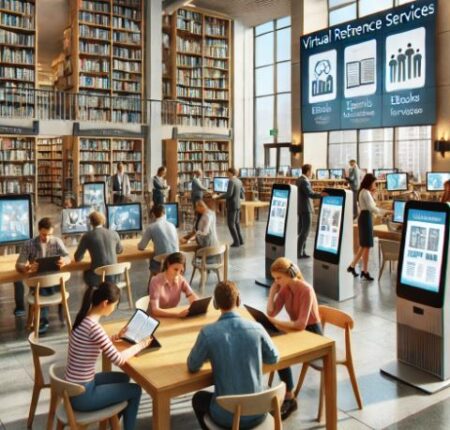
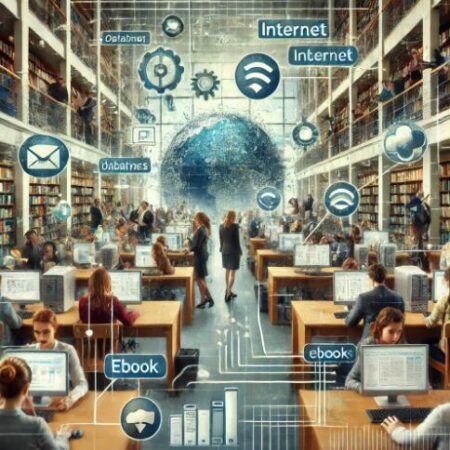
The internet has revolutionized the teaching and learning process, bringing profound changes to the educational landscape. As a powerful tool, it has expanded access to information, enabling students and educators to explore a vast array of resources beyond traditional textbooks and classrooms. For instance, platforms like Google Scholar and Scopus provide students with access to peer-reviewed articles and research papers that were once only available in academic libraries. Additionally, online educational websites such as Khan Academy and Coursera offer free or affordable learning resources, making high-quality education accessible to a global audience. Through online platforms, digital libraries, and educational websites, the internet provides instant access to a wealth of knowledge, facilitating research, self-learning, and collaborative learning.
The internet has also introduced new teaching methods, such as blended learning, flipped classrooms, and e-learning, which combine face-to-face instruction with digital resources. In a flipped classroom, for example, students may watch instructional videos online before class, allowing in-class time to be spent on interactive activities that deepen understanding. This approach has been successfully implemented in various subjects, including mathematics and science, where platforms like Edpuzzle or Moodle allow teachers to create engaging video content and quizzes.
This shift enhances flexibility, allowing students to learn at their own pace and convenience, while offering teachers the ability to tailor lessons to meet diverse learning needs. For example, platforms like Duolingo offer language learners the freedom to practice vocabulary and grammar at their own pace, while simultaneously providing instant feedback to help students progress. Furthermore, the internet has transformed the role of educators, enabling them to integrate multimedia, interactive tools, and real-time communication into their teaching practices. Tools like Zoom, Google Meet, and Microsoft Teams have made it possible for educators to connect with students remotely, host live discussions, and conduct virtual office hours, breaking geographical barriers. However, despite these advancements, challenges such as the digital divide, concerns over information overload, and the need for digital literacy remain. Students in rural areas or underprivileged regions may not have access to reliable internet or digital devices, which hampers their ability to benefit from online learning opportunities. Furthermore, the sheer volume of information available online can overwhelm students, making it difficult to discern credible sources. Platforms like Turnitin and Grammarly help address the issue of academic integrity, ensuring students can properly cite their sources and avoid plagiarism.
The internet’s impact on the teaching-learning process is, therefore, multifaceted, offering both opportunities and challenges that must be carefully navigated to ensure effective educational outcomes. By harnessing the internet’s potential responsibly and inclusively, education can be made more accessible, engaging, and adaptable to the needs of diverse learners.
What is the Internet?
The internet is a vast, global network that connects millions of private, public, academic, business, and government systems, allowing them to communicate and share data. It operates on a decentralized infrastructure, meaning no single entity controls the entire system, and it relies on a series of protocols, such as the Transmission Control Protocol (TCP) and Internet Protocol (IP), to ensure that data is transmitted efficiently and securely across various devices. Initially developed in the late 1960s and early 1970s as ARPANET, a research project funded by the U.S. Department of Defense, the Internet has evolved into an essential tool for communication, information sharing, and business. It allows users to access websites, exchange emails, participate in social media, and engage in a wide range of digital activities through computers, smartphones, and other devices.
The internet is often described as the “information superhighway” due to its capacity to instantly transmit data across vast distances. This has transformed how people access knowledge, conduct business, socialize, and entertain themselves. Major services like the World Wide Web, email, cloud computing, and streaming platforms have become central aspects of modern life. Through search engines like Google and Bing, users can quickly find information on virtually any topic, making the internet an indispensable resource for education, work, and personal development. Additionally, the internet enables real-time communication through video conferencing platforms like Zoom and Skype, which have become integral to both professional and personal interactions. While the internet has dramatically improved global connectivity and access to information, it also raises concerns regarding privacy, security, and the potential for misinformation. Despite these challenges, the internet remains a transformative force, reshaping almost every aspect of daily life and continuing to evolve as new technologies and applications emerge.
Impact of the Internet on the Teaching and Learning Process
The internet has had a profound and transformative impact on the teaching and learning process, reshaping educational practices, methodologies, and access to resources. As a powerful tool, the internet has opened doors to new ways of teaching, learning, and collaborating, while also presenting challenges that educators and institutions must address. Its influence is far-reaching, from providing vast amounts of information to fostering interactive learning environments, all of which have fundamentally changed how education is delivered and experienced.
- Expanding Access to Information: One of the most significant impacts of the internet on education is the expansion of access to information. Traditionally, students and teachers relied on textbooks, physical libraries, and in-class lectures to access knowledge. However, with the advent of the internet, the vastness of information available has increased exponentially. Educational websites, databases, digital libraries, and search engines offer students and educators immediate access to a wealth of resources. Platforms like Google Scholar, JSTOR, and PubMed provide students with access to academic research papers and journals, many of which were once only available in university libraries. This easy access to information has made research more efficient, allowing students to explore topics in greater depth and learn from a diverse range of sources.
Additionally, open-access platforms like Khan Academy, edX, and Coursera provide free or low-cost educational content, bringing world-class teaching to learners across the globe. These platforms allow individuals from all walks of life to access high-quality lessons on subjects ranging from mathematics to history, making education more equitable and inclusive. - Changing Teaching Methodologies: The internet has also revolutionized teaching methodologies, offering educators new tools and platforms to enhance their teaching practices. Traditional methods, such as lecturing from a textbook, have been supplemented or, in some cases, replaced by interactive, multimedia content. Video lectures, podcasts, interactive quizzes, and digital simulations now form an integral part of the modern classroom. Teachers can use platforms such as YouTube and Vimeo to share educational videos that explain complex concepts in engaging ways, making learning more visual and accessible.
Furthermore, the internet has led to the rise of blended learning, a model that combines traditional face-to-face instruction with online learning components. In this approach, students may complete assignments or watch instructional videos online, then come to class for discussions or hands-on activities. This flexibility enables students to learn at their own pace, increasing engagement and enhancing their understanding of the material. Similarly, the flipped classroom model—where students learn new content at home through digital resources and engage in interactive problem-solving in class—has been successfully implemented in various disciplines, including science, mathematics, and language learning. - Fostering Collaboration and Communication: Another significant advantage of the internet in education is its ability to foster collaboration and communication among students and between students and educators. Online platforms such as Google Classroom, Microsoft Teams, and Zoom have made it easier for teachers to connect with students, host virtual classes, and provide real-time feedback. These tools are particularly beneficial for remote learning, as they allow for the continuation of lessons and discussions even when students and teachers are not physically present in the same space.
In addition to facilitating communication between teachers and students, the internet enables peer collaboration. Platforms like Google Docs and Padlet allow students to work together on group projects, even if they are located in different parts of the world. This collaborative approach encourages teamwork and the exchange of ideas, enhancing the learning experience and preparing students for real-world work environments.
Furthermore, social media and academic networks such as LinkedIn, Twitter, and ResearchGate provide additional opportunities for collaboration and knowledge sharing. Students and educators can use these platforms to engage with experts, participate in professional discussions, and access up-to-date research and trends in their fields of interest. - Personalized and Self-Directed Learning: The internet has empowered students to take control of their learning in ways that were previously unimaginable. Online learning platforms like Duolingo, Coursera, and edX offer students the opportunity to learn at their own pace and on their own schedule. This self-directed learning approach promotes autonomy and accountability, encouraging students to set their own goals and monitor their progress. Additionally, online platforms often use algorithms to tailor learning experiences to individual needs, providing customized lessons, exercises, and quizzes that help students focus on areas where they may need additional practice.
Personalized learning extends beyond platforms to include adaptive tools that respond to students’ strengths and weaknesses. For instance, Khan Academy and DreamBox use data analytics to track students’ progress and adjust their learning paths accordingly. This personalization ensures that each student receives a learning experience suited to their abilities, which can improve retention and comprehension. - Overcoming Barriers and Challenges: Despite the many benefits of internet-driven education, there are several challenges that need to be addressed. One of the primary concerns is the digital divide, which refers to the gap between those who have access to the internet and modern devices and those who do not. Students in rural or economically disadvantaged areas may struggle to access online learning resources due to a lack of reliable internet or technological devices. This inequality in access has been particularly evident during the COVID-19 pandemic, when many schools transitioned to remote learning. Ensuring equitable access to digital tools is a significant challenge that requires both government and institutional action.
Another challenge is the overwhelming amount of information available online. While the internet provides an abundance of educational resources, students may struggle to discern credible sources from unreliable ones. Misinformation and biased content are prevalent online, and students must be equipped with the skills to critically evaluate sources. Teachers play a crucial role in guiding students on how to effectively search for, analyze, and use online information, promoting digital literacy alongside traditional subject matter knowledge.
Finally, the internet can be a source of distraction. With access to social media, entertainment, and gaming websites, students may find it difficult to focus on their studies. Teachers and students alike must develop strategies to manage time effectively and maintain focus on educational goals, especially in an online or hybrid learning environment.
The internet has had a transformative impact on the teaching and learning process, offering unprecedented access to information, new teaching tools, and collaborative opportunities. It has expanded educational horizons, making learning more flexible, personalized, and inclusive. However, the challenges of unequal access, misinformation, and distractions must be addressed to fully harness the potential of the internet in education. As technology continues to evolve, the internet will remain a central component of the education system, driving innovation and shaping the future of learning. To ensure that its benefits are maximized, educators, institutions, and policymakers must work together to create an equitable, efficient, and effective digital learning environment for all.
How the Internet Has Changed Traditional Teaching Methods
The internet has profoundly transformed traditional teaching methods, reshaping the way education is delivered, received, and experienced. In the past, teaching was largely confined to face-to-face lectures, textbooks, and handouts, often relying on static content. Today, educators have the ability to integrate multimedia tools such as videos, animations, podcasts, and interactive simulations into their lessons, making the learning process more engaging and accessible. These digital tools cater to various learning styles, enabling visual learners to benefit from infographics and videos, while auditory learners can engage with podcasts. Platforms like YouTube and Khan Academy provide teachers with vast libraries of instructional content, allowing them to supplement their lessons and present information in a more dynamic and varied manner. This multimedia integration enhances the overall learning experience, making it more interactive and appealing to a diverse range of students.
The internet has also led to the rise of blended and flipped learning models, which challenge the traditional approach of in-class lectures followed by homework. Blended learning combines online instruction with face-to-face lessons, offering students greater flexibility to engage with content at their own pace. This model allows educators to reserve class time for discussions, activities, and problem-solving, shifting from the conventional “lecture-based” model. In the flipped classroom model, the process is further reversed: students learn new content at home through videos or digital lessons, and class time is used for interactive learning activities. These approaches foster deeper understanding, as students come to class prepared to engage in more meaningful ways with the material. Tools like Edpuzzle, which turn videos into interactive lessons with embedded quizzes, have made flipped classrooms more effective and accessible.
Additionally, the internet has expanded the classroom beyond physical boundaries, making education more global and inclusive. Traditional education was often restricted by geographical limitations, but with online learning platforms such as Coursera and edX, students can now access courses from top universities around the world. This has democratized learning, allowing individuals in remote or underprivileged areas to take part in high-quality educational programs. Furthermore, the internet enables collaboration among students from different parts of the world, fostering cross-cultural understanding and global connections. Online platforms like Google Classroom, Microsoft Teams, and Zoom have facilitated communication and collaboration, enabling students to work together on projects regardless of location. This level of connectivity was unimaginable in traditional classrooms, where students were often limited to local or regional interactions.
The internet has also empowered students to take control of their learning. With the vast range of online resources available, students can now engage in self-directed learning, exploring topics of interest and conducting research outside the classroom. Platforms such as Khan Academy, Duolingo, and various online tutorials provide students with the opportunity to learn at their own pace, tracking their progress and receiving personalized feedback. This shift from teacher-led to student-driven learning encourages autonomy, responsibility, and lifelong learning. Students are no longer confined to the constraints of the curriculum and classroom hours, allowing them to delve deeper into subjects that interest them or that require more attention.
Moreover, the internet has revolutionized assessment and feedback in education. In traditional classrooms, assessments were often paper-based, and feedback could take days or even weeks to reach students. Today, digital tools allow for instant feedback through online quizzes, assignments, and assessments, which help educators gauge student understanding in real-time. Platforms like Google Forms, Kahoot!, and Quizlet offer instant grading and provide detailed feedback that helps students identify areas for improvement. This immediate response supports a more adaptive learning environment, where students can correct misunderstandings and reinforce their learning right away. In addition, adaptive learning technologies can tailor lessons to the individual needs of students, ensuring that each learner progresses at their own pace and receives appropriate challenges.
The internet has dramatically changed traditional teaching methods, introducing new ways of learning, teaching, and assessing students. From multimedia integration and flexible learning models to global collaboration and personalized learning, the internet has made education more accessible, engaging, and tailored to the needs of diverse learners. While traditional methods remain valuable, the integration of the internet into education has enriched the teaching and learning process, providing a more dynamic and inclusive approach to learning. As digital tools and technologies continue to evolve, the impact of the internet on education will only grow, offering new possibilities for both educators and students.
The Benefits of Using the Internet as an Educational Tool in the Classroom
The integration of the internet into the classroom has brought about a transformative shift in education, offering numerous benefits for both students and teachers. No longer confined to traditional textbooks and face-to-face lectures, the use of the internet as an educational tool has expanded access to information, enhanced student engagement, supported personalized learning, and fostered better collaboration. With the internet, students now have immediate access to a vast array of resources, from academic journals to instructional videos and educational websites. Platforms like Google Scholar, JSTOR, Khan Academy, and edX make it easier for students to access a diverse range of educational materials, often at no cost. This increased access to information allows students to explore topics in greater depth, engage with multiple perspectives, and stay up to date with the latest developments in their fields.
In addition to expanding access to information, the internet enhances student engagement by offering multimedia tools that cater to different learning styles. Educational videos, interactive simulations, and digital games make lessons more engaging and dynamic. For example, a history teacher can use YouTube videos to take students on virtual tours of historical landmarks, while a science teacher can use simulations to visually demonstrate complex concepts. Interactive platforms like Kahoot! and Quizlet allow teachers to turn learning into a game, promoting active participation and making the learning experience more enjoyable. These tools help maintain student interest, making education more engaging and fostering better retention of information.
The internet also supports personalized learning by allowing students to learn at their own pace. Unlike traditional classrooms, which often follow a one-size-fits-all approach, the internet provides platforms like Duolingo and DreamBox that tailor lessons to each student’s needs and abilities. These platforms adapt to students’ progress, ensuring they are appropriately challenged without feeling overwhelmed. Additionally, the internet allows students to revisit material or explore new topics outside the classroom, promoting autonomy and encouraging lifelong learning. This ability to personalize learning ensures that students can progress at their own pace and receive a more tailored educational experience.
Collaboration and communication among students and between students and teachers have also been enhanced by the internet. Online platforms such as Google Classroom, Microsoft Teams, and Zoom enable students to collaborate on group projects, exchange ideas, and communicate with their teachers outside of class hours. These tools facilitate real-time feedback and support, helping students stay on track and engage in continuous dialogue with their peers and instructors. The internet also enables global collaboration, allowing students to connect with their peers from around the world, fostering cross-cultural understanding and enhancing teamwork and communication skills. Moreover, the internet plays a crucial role in developing students’ critical thinking and research skills. With the vast amount of information available online, students are encouraged to think critically about the sources they encounter, evaluate their credibility, and differentiate between reliable and unreliable content. Teachers can guide students in learning how to conduct effective online research and use credible sources to support their work. This fosters independent thinking and problem-solving, as students explore complex issues, seek out solutions, and engage with a variety of digital resources. These skills are essential not only for academic success but also for navigating the complexities of the modern world.
Finally, the internet promotes inclusivity and accessibility in education. Digital tools and resources can accommodate students with various learning needs, such as text-to-speech software for students with visual impairments or captioned videos for those with auditory disabilities. Additionally, online resources are often available in multiple languages, making education more accessible to students from diverse linguistic backgrounds. The internet allows students with different learning styles to engage with content in ways that work best for them, whether through video lessons, interactive quizzes, or text-based materials, ensuring that all learners have an equal opportunity to succeed.
How the Internet Impacts Student Engagement and Participation in Learning Activities
The internet has become a game-changer in education, influencing the way students engage with learning materials and participate in classroom activities. Unlike traditional teaching methods, which often rely on lectures and textbooks, the internet offers a dynamic, interactive environment that fosters deeper involvement and greater participation. By providing a wide range of multimedia resources, collaborative tools, and opportunities for real-time feedback, the internet has transformed student engagement, encouraging active participation, personal exploration, and a more meaningful connection to the learning process. Here is how the internet impacts student engagement and participation in learning activities, emphasizing the unique opportunities it presents for both students and educators.
- Interactive Learning and Multimedia Tools: One of the primary ways the internet enhances student engagement is through the use of interactive learning and multimedia tools. In traditional classrooms, students often receive information passively through lectures and textbooks. The internet, however, enables students to engage with learning materials in a more dynamic way. Interactive simulations, educational games, videos, and multimedia presentations allow students to actively participate in their learning process. For example, in subjects like science and math, students can use digital tools to experiment with virtual labs or simulations that allow them to observe and manipulate variables in real time. These interactive experiences foster a deeper understanding of complex concepts by allowing students to apply their knowledge in a practical, engaging way.
Moreover, the internet provides access to a wealth of multimedia resources that cater to different learning styles. Visual learners benefit from instructional videos and animations, while auditory learners can engage with podcasts or recorded lectures. This multimedia integration makes lessons more engaging, helping to keep students focused and interested in the material. As a result, students are more likely to remain engaged in the learning process, participate actively in class discussions, and retain the information they encounter. - Flexibility and Autonomy in Learning: The internet also empowers students to take control of their learning, contributing to increased engagement and participation. Traditional education often follows a rigid structure, with students required to complete assignments and attend classes according to a fixed schedule. The internet, however, enables students to access learning materials at their own pace and on their own time. Online courses, digital textbooks, and resources like Khan Academy, Coursera, and YouTube allow students to revisit lessons, study additional topics, or advance through material at their convenience. This flexibility not only fosters a sense of ownership over the learning process but also helps students stay engaged by giving them the freedom to explore topics that pique their interest.
For example, students struggling with a particular concept can watch additional tutorials or read supplementary materials online, reinforcing their understanding before moving on to more advanced topics. On the other hand, students who grasp the material quickly can seek out additional resources or challenges, preventing boredom and promoting deeper engagement. This level of autonomy ensures that students are actively involved in their learning journey, enhancing their motivation and commitment to the subject matter. - Collaboration and Peer Interaction: The internet has significantly improved opportunities for collaboration, which plays a key role in increasing student engagement and participation. Traditional classroom settings often limit student interaction to group projects and in-class discussions. The internet, however, offers an array of online platforms and communication tools that enable students to collaborate in real time, regardless of their physical location. Tools like Google Classroom, Microsoft Teams, and Zoom facilitate group work, online discussions, and peer reviews, encouraging students to engage with one another and learn collaboratively.
This collaborative environment fosters a sense of community, even in online or hybrid classrooms, which can help increase student participation. When students work together on projects or share ideas through online discussion forums, they feel more connected to their peers and to the learning process. In addition, online collaboration tools allow for a more inclusive approach to participation, giving every student a voice and encouraging those who may be shy or reluctant to speak up in a traditional classroom to engage more freely in discussions.
Furthermore, the internet allows students to connect with peers from around the world, providing a global perspective that can enhance their learning experience. Virtual exchange programs and international student collaborations expose students to different cultural viewpoints and foster cross-cultural communication. This global engagement not only broadens students’ horizons but also makes learning more relevant and exciting, increasing overall participation and interest in the subject matter. - Real-Time Feedback and Active Learning: The internet has revolutionized the way teachers provide feedback, allowing for more immediate responses and interactions with students. In traditional classrooms, feedback on assignments and projects could take days or even weeks to be provided, limiting its impact on student engagement. With digital tools, teachers can give real-time feedback through online quizzes, interactive assignments, and peer review systems. Platforms like Google Forms, Quizlet, and Kahoot! Enable teachers to assess student understanding quickly and provide instant feedback, allowing students to identify areas of improvement and adjust their learning strategies.
This immediate feedback loop keeps students engaged by reinforcing correct answers and guiding them when they make mistakes. Moreover, the ability to track progress in real-time motivates students to stay engaged, as they can see how well they are doing and what areas they need to focus on. The internet also supports active learning strategies, such as problem-solving activities, discussions, and group exercises, which require students to think critically and apply their knowledge. Active learning encourages students to take responsibility for their education and participate more fully in their learning process. - Gamification and Motivation: The internet has also introduced gamification as a way to boost student engagement. Many online platforms now incorporate game-like elements, such as points, levels, badges, and leaderboards, to motivate students to participate actively in learning activities. Games and challenges offer students a sense of achievement as they progress through the material, making learning more enjoyable and rewarding. For example, educational apps like Duolingo use gamification to teach languages, while platforms like Kahoot! turn quizzes into competitive games that encourage participation and engagement.
Gamification taps into students’ intrinsic motivation by making learning more interactive and fun. As students compete for higher scores, earn rewards, and challenge themselves to beat their previous performance, they become more invested in the learning process. This form of motivation is particularly effective in keeping students engaged over time, as it adds an element of excitement and achievement to their educational experience.
The internet has had a profound impact on student engagement and participation in learning activities, offering a wealth of interactive tools, resources, and opportunities for collaboration. By providing access to multimedia content, allowing for flexible and self-directed learning, fostering collaboration, and enabling real-time feedback, the internet has transformed the traditional classroom experience. It empowers students to take control of their learning, stay motivated, and participate more actively in the learning process. As digital technologies continue to evolve, the internet will remain an essential tool in enhancing student engagement, helping students connect with their education in more meaningful and interactive ways.
The Role of the Internet in Enhancing Access to Educational Resources and Materials
The internet has played a transformative role in enhancing access to educational resources and materials, breaking down barriers that once limited the availability of knowledge and learning opportunities. Traditionally, academic research and educational materials were largely confined to physical libraries and expensive subscriptions. However, the internet has made it possible for students, educators, and lifelong learners to access a vast array of content from anywhere in the world. Platforms like Google Scholar, JSTOR, PubMed, and ResearchGate provide immediate access to academic journals and research papers, enabling users to engage with peer-reviewed materials without the need to be affiliated with a specific institution. Open access repositories, such as arXiv and the Directory of Open Access Journals (DOAJ), further democratize knowledge by offering free access to high-quality research content. This vast availability of scholarly materials ensures that individuals, regardless of their location or institutional affiliation, can engage with cutting-edge research and expand their knowledge base.
The internet has also significantly expanded access to online courses, tutorials, and other educational content, empowering lifelong learning. Platforms like Coursera, edX, Khan Academy, and Udemy offer courses on a wide range of subjects, from technical fields like engineering and computer science to creative arts and personal development. These courses, often provided by prestigious universities and institutions, make world-class education accessible to anyone with an internet connection. This flexibility allows learners to study at their own pace, making it easier for working professionals, stay-at-home parents, and others with limited time to pursue further education. Moreover, these platforms often include interactive elements such as quizzes, peer-reviewed assignments, and discussion forums, enhancing engagement and offering a more personalized learning experience.
In addition to providing access to research and courses, the internet has greatly improved access for students with disabilities by offering a variety of assistive technologies. Tools such as text-to-speech software, screen readers, and speech recognition programs help students with visual or auditory impairments engage with educational content. Online platforms are also increasingly designed with accessibility in mind, providing captions, subtitles, and audio descriptions to ensure that students with diverse needs can fully participate in the learning process. This has opened up new educational opportunities for students who may have previously faced barriers to accessing traditional classroom settings, allowing them to engage with the material in ways that suit their needs.
The internet has also fostered a collaborative learning environment by providing tools that facilitate communication and resource-sharing. Digital platforms such as Google Drive, Microsoft Teams, and Slack enable students to collaborate in real-time, share resources, and work together on group projects, regardless of their physical location. Additionally, social media networks and academic platforms, such as LinkedIn and ResearchGate, allow individuals to engage in discussions, share insights, and access the latest research across global communities. This increased collaboration not only enriches students’ learning experiences but also helps them develop valuable communication and teamwork skills that will be useful in their future careers.
Another significant benefit of the internet is the widespread availability of Open Educational Resources (OER). These freely accessible, openly licensed materials, including textbooks, lecture notes, and instructional videos, are available for students and educators to use, adapt, and share. Platforms like OER Commons and the Open Textbook Library have created repositories of high-quality educational content that can be freely accessed and tailored to meet the specific needs of learners. OER has significantly reduced the cost of educational materials, making learning more affordable and accessible to students, particularly in developing countries or for those facing financial constraints. This has been a crucial step in ensuring that education remains inclusive and accessible to all.
Furthermore, the internet has made a wide range of educational tools and software available, supporting students in completing assignments, collaborating with peers, and enhancing their learning experiences. Programs for word processing, data analysis, and graphic design are now freely accessible online, allowing students to work on projects, create presentations, and share their work with ease. Computational tools, such as Wolfram Alpha and MATLAB, which were once reserved for specialized academic settings, are now widely available, enabling students to engage with complex problem-solving and simulations. These tools help bridge the gap between theoretical knowledge and practical application, allowing students to gain hands-on experience and apply what they have learned in real-world contexts.
How the Internet Affects the Development of Critical Thinking and Problem-Solving Skills in Students
The internet has had a profound impact on the development of critical thinking and problem-solving skills in students by providing access to a vast array of resources that encourage independent thought, exploration, and the application of knowledge. Traditionally, students were confined to textbooks and teacher-led instruction, but the internet has opened up opportunities for students to engage with diverse perspectives, research materials, and problem-solving tools. By giving students access to various forms of content, such as academic articles, videos, podcasts, and interactive simulations, the internet promotes critical analysis of information and helps students develop the skills needed to evaluate sources, detect biases, and assess the validity of arguments. This process of synthesizing multiple viewpoints encourages students to think more deeply and critically about the topics they encounter, which is essential for effective problem-solving.
In addition to expanding access to information, the internet promotes inquiry-based learning, which actively involves students in the learning process. Rather than passively receiving information, students are encouraged to ask questions, conduct independent research, and seek answers through exploration. Platforms like search engines, digital libraries, and academic databases allow students to find and assess information from a variety of sources, which cultivates their ability to think critically and solve problems on their own. This independent research process helps students develop intellectual autonomy, as they learn to assess the quality and relevance of the information they gather and apply it to real-world challenges.
The internet also exposes students to complex problems and real-world scenarios that require creative problem-solving. Online platforms and courses offer case studies, simulations, and exercises that challenge students to apply their knowledge to solve practical problems in subjects such as mathematics, science, engineering, and business. By engaging with these problems, students are forced to think critically about how to approach and resolve them, often requiring them to analyze data, consider multiple perspectives, and find innovative solutions. Collaborative tools such as Google Docs, Microsoft Teams, and Zoom further enhance this process by allowing students to work together in real-time, share ideas, and collectively tackle challenges. This collaborative approach encourages the exchange of diverse ideas and perspectives, enhancing problem-solving abilities and critical thinking.
Furthermore, the internet fosters the development of digital literacy, a crucial component of critical thinking. As students navigate vast amounts of information online, they are required to evaluate the credibility of sources and determine which information is accurate and reliable. This skill is essential in an era where misinformation is prevalent, and students must learn to discern trustworthy content from unreliable or biased sources. By engaging with digital tools and learning how to assess information critically, students develop analytical skills that are vital not only for academic success but also for making informed decisions in daily life.
While the internet offers many opportunities for the development of critical thinking and problem-solving skills, it also presents challenges, such as information overload. With so much information available, students may feel overwhelmed or struggle to identify relevant content. To address this, students must be equipped with strategies for filtering and evaluating information effectively. Educators play a key role in guiding students through this process, teaching them how to assess sources, identify misinformation, and synthesize relevant data to solve problems.
The internet also enhances students’ ability to innovate and make decisions by offering access to digital tools that enable experimentation and creative thinking. Platforms for coding, design, and engineering allow students to apply theoretical knowledge to real-world projects, test hypotheses, and refine their ideas. This hands-on approach to problem-solving fosters creativity and allows students to experiment with different solutions, learning from their successes and failures. Additionally, the internet provides exposure to emerging technologies and global trends, inspiring students to think creatively and find innovative solutions to contemporary issues.
How the Internet Has Contributed to the Globalization of Education and Access to Online Learning Platforms
The internet has played a pivotal role in the globalization of education by breaking down geographical and economic barriers, making high-quality learning accessible to students around the world. Traditionally, access to top-tier education was limited by location, requiring students to attend specific institutions or travel abroad for advanced study. However, the rise of online learning platforms has allowed students from every corner of the globe to engage with courses, lectures, and resources provided by leading universities and institutions. Platforms such as Coursera, edX, Udemy, and Khan Academy offer a wide range of subjects taught by experts from prestigious institutions, making education more accessible and affordable for people from diverse backgrounds and regions.
The internet has fostered a more inclusive and diverse educational environment by allowing students to connect and collaborate with peers from different cultures, enhancing cross-cultural understanding and knowledge exchange. Virtual exchange programs, online group projects, and international collaboration tools have made it possible for students to work together regardless of their physical location, contributing to a more interconnected world. This access to global education opportunities has also enabled lifelong learning, with individuals able to acquire new skills or improve existing ones at any stage of their careers, without the need for traditional brick-and-mortar education systems.
The affordability of many online learning platforms has significantly reduced the financial barriers that once limited access to education. Free courses, open-source materials, and low-cost certification programs allow learners from economically disadvantaged regions to access high-quality educational resources without the heavy financial burden of tuition fees. As a result, the internet has democratized education, making it possible for people in remote or underserved areas to gain knowledge and skills that were previously out of reach. The global reach of the internet continues to redefine the boundaries of education, creating opportunities for anyone, anywhere, to learn and grow.
The Potential Drawbacks of Over-Relying on the Internet in the Teaching-Learning Process
While the internet has undoubtedly transformed the teaching and learning process, providing students and educators with a wealth of resources and tools, there are potential drawbacks associated with over-relying on it. The convenience and accessibility of online resources are undeniable, but an overdependence on the internet can have several negative consequences that may undermine the effectiveness of education. From issues of information overload to a decrease in face-to-face interaction and concerns about academic integrity, the overuse of the internet in education requires careful consideration and balance.
- Information Overload and Quality Control: One of the most significant drawbacks of over-relying on the internet is the potential for information overload. With vast amounts of information available at the click of a button, students may struggle to filter out irrelevant or unreliable content. The internet can be an overwhelming source of data, and without the necessary critical thinking skills, students might find it difficult to discern credible sources from inaccurate or biased ones. This issue can lead to confusion, misinformation, and shallow learning, as students might focus on the quantity of information rather than the quality of the content. Furthermore, the sheer volume of content available online can distract students from focusing on core concepts and essential learning objectives, resulting in fragmented or incomplete understanding of the subject matter.
- Decreased Face-to-Face Interaction and Social Skills; Another potential drawback of excessive internet use in education is the reduction in face-to-face interactions. In traditional classroom settings, students have the opportunity to engage directly with their peers and teachers, participating in discussions, collaborative projects, and hands-on activities. These interactions are vital for the development of social skills, communication abilities, and teamwork. However, as more educational activities move online, students may miss out on these valuable experiences. Remote learning, although flexible and convenient, can create a sense of isolation, as students might not have the same opportunities for spontaneous conversations and collaborative learning that occur in physical classrooms. This lack of social interaction may hinder the development of interpersonal skills, which are crucial for both academic success and future career prospects.
- Digital Divide and Inequality in Access; The internet’s role in education has also highlighted the issue of the digital divide—disparities in access to technology and reliable internet connections. While internet-based learning offers a wealth of opportunities, it also assumes that all students have access to the necessary devices and high-speed internet, which is not the case for everyone. Students in rural or economically disadvantaged areas may lack the infrastructure or resources to participate in online learning effectively. This digital inequality can exacerbate educational disparities, as students without reliable internet access or appropriate technology are left behind in an increasingly digital learning environment. Over-relying on the internet in education may inadvertently deepen the divide between students who have access to technology and those who do not, creating further inequities in educational opportunities.
- Dependency on Technology and Decreased Cognitive Engagement: Another potential risk of over-relying on the internet is the growing dependency on technology for learning. While digital tools can enhance the learning experience, they can also become a crutch that reduces students’ ability to engage in critical thinking and problem-solving without external assistance. Overuse of online resources such as search engines, calculators, or automated learning platforms can lead to a decrease in cognitive engagement, as students may rely too heavily on these tools rather than thinking through problems or processing information independently. This reliance can weaken foundational learning skills, such as memorization, critical analysis, and deep comprehension, as students might begin to expect quick answers or simplified solutions instead of working through complex problems on their own.
- Distraction and Reduced Focus: The internet offers an abundance of distractions that can detract from focused learning. Social media, entertainment websites, and gaming platforms are all easily accessible and can tempt students away from their educational tasks. The constant notifications, advertisements, and potential for multitasking can make it difficult for students to maintain concentration and stay engaged with their learning activities. This fragmentation of attention can hinder the development of discipline and focus, as students may struggle to commit to deep, uninterrupted study sessions. In the classroom setting, students may be more prone to browsing the internet for unrelated content during lessons, reducing their active participation and engagement with the course material.
- Erosion of Academic Integrity: Over-relying on the internet for research and learning can also raise concerns about academic integrity. The ease of accessing vast amounts of information online makes it tempting for students to cut corners, such as plagiarizing content or submitting work that they did not personally create. Plagiarism detection tools, like Turnitin, have become increasingly important in addressing these issues, but the temptation to take shortcuts remains. The internet’s vast availability of ready-made essays, research papers, and project templates makes it easier for students to submit work that lacks originality or critical thought. This undermines the integrity of the educational process and prevents students from developing the research and writing skills necessary for academic and professional success.
- Diminished Physical and Mental Health: Finally, over-relying on the internet in the teaching and learning process can have negative implications for students’ physical and mental health. Extended periods of screen time can contribute to eye strain, headaches, and poor posture, especially if students are using devices for online learning for many hours each day. Additionally, the sedentary nature of online learning can discourage physical activity, leading to health problems associated with a lack of exercise. Mentally, the constant exposure to digital devices and online content can contribute to stress, anxiety, and information fatigue, as students may feel pressured to stay connected, keep up with a constant flow of information, or perform well in an environment that is increasingly fast-paced and digital.
While the internet offers numerous advantages in the teaching and learning process, an over-reliance on it can have significant drawbacks. From the risks of information overload and reduced social interaction to issues of inequality in access and academic integrity, the internet presents challenges that need to be addressed in order to maximize its benefits. To ensure that the internet remains a valuable tool for education, it is important to strike a balance between utilizing digital resources and maintaining traditional learning methods that foster face-to-face interaction, critical thinking, and personal engagement. By addressing these potential drawbacks, educators and students can harness the full potential of the internet while mitigating the risks associated with over-dependence on technology.
Reference Articles:
- Abubakar, H. (2018). Impact of Internet Technology Usage on Job Performance of Senior Secondary School Teachers in Kaduna State Nigeria. International Journal of Curriculum and Instruction, 10(2), Article 2.
- Arsham, H. (2002). Impact of the Internet on Learning and Teaching. USDLA Journal, 16(3).
- Carswell, L. (1997). Teaching via the Internet: The impact of the Internet as a communication medium on distance learning introductory computing students. Proceedings of the 2nd Conference on Integrating Technology into Computer Science Education, 1–5. https://doi.org/10.1145/268819.268821
- Gialamas, V., Nikolopoulou, K., & Koutromanos, G. (2013). Student teachers’ perceptions about the impact of internet usage on their learning and jobs. Computers & Education, 62, 1–7. https://doi.org/10.1016/j.compedu.2012.10.012
- Hammonds, S. (2003). Impact of internet–based teaching on student achievement. British Journal of Educational Technology, 34(1), 95–98. https://doi.org/10.1111/1467-8535.00310
- Hope, C. B., Kajiwara, S., & Mengxiong, L. (2002). The Impact of the Internet: Increasing the Reference Librarian’s Role as Teacher. In Evolution in Reference and Information Services. Routledge.
- Kumar, B. T. S., & Manjunath, G. (2013). Internet use and its impact on the academic performance of university teachers and researchers: A comparative study. Higher Education, Skills and Work-Based Learning, 3(3), 219–238. https://doi.org/10.1108/HESWBL-09-2011-0042
- Noytim, U. (2006). The impact of the Internet on English language teaching: A case study at a Thai Rajabhat University [Thesis]. https://opus.lib.uts.edu.au/handle/10453/20339
- Nwezeh, C. M. T. (2010). The impact of internet use on teaching, learning and research activities in Nigerian universities. The Electronic Library, 28(5), 688–701. https://doi.org/10.1108/02640471011081960
- Ojedokun, A. A., & Owolabi, E. O. (2003). Internet Access Competence and the Use of the Internet for Teaching and Research Activities By University of Botswana Academic Staff. African Journal of Library, Archives and Information Science, 13(1), Article 1.
- Pollock, P. H., & Wilson, B. M. (2002). Evaluating the Impact of Internet Teaching: Preliminary Evidence from American National Government Classes. PS: Political Science & Politics, 35(3), 561–566. https://doi.org/10.1017/S1049096502000847
- Schofield, J. W., & Davidson, A. L. (2003). The Impact of Internet Use on Relationships Between Teachers and Students. In Culture, Technology, and Development. Psychology Press.
- Yau, J. T. K., & Al-Hawamdeh, S. (2001). The Impact of the Internet on Teaching and Practicing Journalism. Journal of Electronic Publishing, 7(1). https://doi.org/10.3998/3336451.0007.102
- Zenger, J. T., & Walker, T. J. (2000). Impact of the Internet on Entomology Teaching and Research. Annual Review of Entomology, 45(Volume 45, 2000), 747–767. https://doi.org/10.1146/annurev.ento.45.1.747