
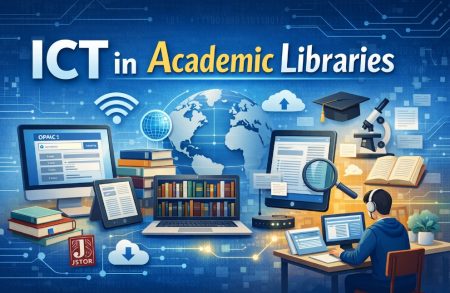
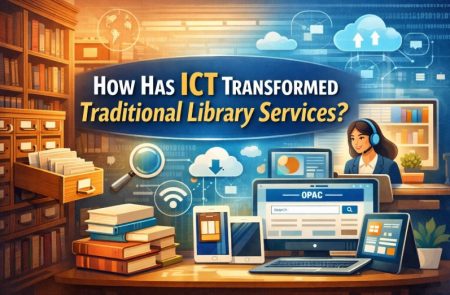
ICT-based library services refer to the integration of Information and Communication Technologies (ICT) in the operations and delivery of library services, transforming traditional libraries into dynamic digital hubs. With the advancement of technology, libraries have increasingly relied on ICT tools to improve accessibility, enhance resource management, and streamline user interactions. These services include digital catalogues, online databases, e-books, and virtual reference services, all of which make it easier for users to access information remotely. For example, libraries like the Library of Congress and the British Library provide online access to a vast array of digital resources, including rare manuscripts and historical archives, making them accessible to a global audience.
ICT enables libraries to offer interactive and user-friendly systems for searching, borrowing, and renewing materials. Many modern libraries now offer mobile applications that allow users to access services such as book reservations, overdue reminders, and digital content access on their smartphones. Virtual reference services, such as chatbots and live chat options, also allow patrons to get immediate assistance, even after hours. Cloud computing has also enabled libraries to store vast amounts of digital content and data, improving the efficiency of resource management. However, while ICT-based services have revolutionized library functions, they also come with challenges, such as the need for constant technological upgrades, digital literacy, and ensuring equitable access for all users. Despite these challenges, the shift toward ICT-based library services continues to offer great potential for enhancing learning, research, and information dissemination in the digital age.
Challenges of ICT-Based Library Services
The integration of Information and Communication Technologies (ICT) in library services has transformed the way libraries function, offering numerous benefits such as improved accessibility, efficiency, and enhanced user experiences. Digital catalogs, online databases, e-books, and virtual reference services have all contributed to making libraries more user-friendly and accessible. However, as libraries move toward digital transformation, they encounter a variety of challenges that can hinder the full potential of ICT-based services. These challenges need to be addressed effectively to ensure that libraries continue to evolve and meet the needs of modern users.
- Infrastructure Limitations: A significant challenge faced by libraries, particularly in developing regions, is inadequate ICT infrastructure. Libraries often struggle with insufficient internet connectivity, outdated hardware, and a lack of reliable power sources. These issues hinder the smooth delivery of ICT-based services. For example, a library with limited bandwidth may experience slow access to online databases or digital content, frustrating users and diminishing the overall quality of the service. In many cases, libraries must balance their budgets with the need to continually update their infrastructure to keep up with technological advancements, which can be an expensive and daunting task.
- Digital Literacy: The adoption of ICT-based services in libraries depends largely on the digital literacy of both users and library staff. While younger generations are generally more tech-savvy, many older patrons and some library staff may struggle with using digital systems. In some communities, a lack of basic digital literacy can be a major barrier to utilizing online catalogs, e-books, or virtual reference services. Libraries must invest in training programs for both staff and users to ensure that everyone can effectively navigate the digital landscape. Without adequate training, patrons may be less likely to use ICT-based services, reducing the potential impact of the technology.
- Resistance to Change: In any institution, there is often resistance to change, and libraries are no exception. Many library staff members may be accustomed to traditional methods of cataloging, lending, and information retrieval. The introduction of ICT-based systems can create uncertainty, fear of obsolescence, and reluctance to adopt new technologies. This resistance can also stem from a perceived lack of time or resources to learn new systems. Addressing this challenge requires proactive leadership, continuous professional development, and a culture of adaptation and innovation within libraries.
- Digital Divide: The digital divide is one of the most pressing challenges faced by libraries, especially in rural or low-income areas. While ICT-based services promise greater accessibility to information, not all users have equal access to the necessary devices or reliable internet connections. This disparity exacerbates inequalities, as marginalized groups may be unable to take full advantage of digital resources. Libraries must find ways to bridge this divide, perhaps by offering free internet access, providing public computers, or partnering with local organizations to provide digital literacy programs. Ensuring equitable access to ICT-based services is vital to fostering inclusivity and supporting community development.
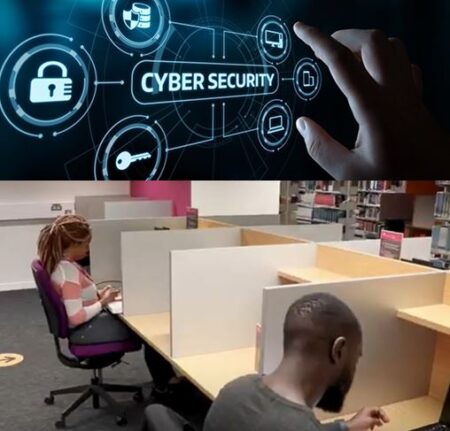
- Privacy and Security Concerns: The digitalization of library services raises significant privacy and security issues. Personal data, such as library card information, borrowing history, and reading preferences, is increasingly stored in digital systems, making it vulnerable to hacking, unauthorized access, or misuse. Additionally, online interactions through virtual reference services or digital catalog systems may expose users to security risks, such as phishing attacks. Libraries must implement robust cybersecurity measures to protect user data and ensure compliance with privacy regulations. Clear policies regarding data collection, storage, and use should be communicated to users to build trust and transparency.
- Copyright and Licensing Issues: With the rise of digital content comes the complex issue of copyright and licensing. Libraries that provide access to e-books, journals, and other digital resources must navigate intricate copyright laws and licensing agreements with publishers and content providers. These restrictions can limit the number of copies that can be made available to users, as well as the duration of access. Furthermore, libraries must stay updated on changes in copyright laws and licensing terms, which can vary across regions and countries. This adds a layer of complexity to the management of digital collections and resource-sharing practices.
- Data Management and Preservation: Libraries are responsible for the long-term preservation of knowledge, and this responsibility extends to digital content. The rapid pace of technological change means that digital formats, software, and hardware can quickly become obsolete. Libraries face the challenge of ensuring that their digital resources remain accessible and usable for future generations. Data management strategies must be carefully planned to address issues such as file format standardization, long-term storage solutions, and data migration. Without proper attention to data preservation, valuable digital resources could be lost over time, undermining the purpose of ICT-based library services.
- Staff Training and Development: As libraries embrace ICT-based services, it is crucial that library staff are adequately trained to handle the new technologies. Staff must possess not only technical skills but also an understanding of how to assist patrons in navigating digital resources. This requires continuous professional development and training programs to keep staff updated on emerging technologies, software, and best practices. Libraries that fail to invest in staff training risk creating a disconnect between the technology and the services offered, which could lead to user frustration and diminished service quality.
- Sustainability and Cost Issues: The implementation and maintenance of ICT-based services require significant financial resources. From hardware and software upgrades to training programs and cybersecurity measures, the costs associated with digital library services can be substantial. Many libraries operate on limited budgets and may struggle to secure funding for these ongoing expenses. Sustainable financing models are essential for libraries to maintain and expand ICT-based services over time. This might involve seeking partnerships, applying for grants, or finding innovative ways to generate revenue to support the growth of digital library services.
While ICT-based library services have revolutionized the way libraries operate and provide access to information, they also present several challenges that must be addressed to ensure their success. Overcoming infrastructure limitations, bridging the digital divide, ensuring digital literacy, addressing privacy concerns, and securing funding are just some of the critical hurdles libraries must navigate. Despite these challenges, the shift toward ICT-based services offers immense potential for improving access to knowledge, enhancing learning experiences, and fostering a more connected and informed society. With the right strategies and investments, libraries can continue to evolve and thrive in the digital age.
Impact of Infrastructure Limitations on ICT-Based Library Services in Developing Regions
Infrastructure limitations significantly affect the effectiveness of ICT-based library services in developing regions, where libraries face considerable challenges in delivering digital services to their communities. In many of these areas, inadequate access to reliable electricity, limited internet connectivity, and outdated hardware create barriers that hinder the effective use of technology in libraries. Without consistent and high-speed internet, accessing online databases, digital books, and other electronic resources can be frustrating or even impossible. For example, users may experience long loading times or complete service disruptions when attempting to access e-books or research papers, ultimately limiting the benefits of digital libraries.
Poor infrastructure can lead to underdeveloped computer labs or outdated devices that are not compatible with modern software or digital platforms. Libraries in these regions may lack sufficient computers or adequate technology, which restricts the number of users who can access digital resources at any given time. As a result, patrons may be forced to wait for long periods or find it difficult to access the services they need. Additionally, many libraries in developing regions struggle with unreliable power supplies, leading to frequent power outages that disrupt library services and prevent users from engaging with ICT tools.
These infrastructure challenges affect the efficiency and effectiveness of ICT-based services and contribute to widening the digital divide, where marginalized communities are left behind due to limited access to technology. For libraries to truly harness the potential of ICT-based services in developing regions, substantial investments in infrastructure, including better internet connectivity, updated hardware, and reliable power sources, are essential. Only with these improvements can libraries fully realize the benefits of ICT in expanding access to knowledge and information.
The Role of Digital Literacy in the Adoption of ICT-Based Library Services
Digital literacy plays a crucial role in the successful adoption of ICT-based library services, as it directly impacts how users and library staff interact with and make use of digital resources. In today’s information age, libraries are increasingly offering digital services, such as online catalogs, e-books, research databases, and virtual reference support. However, the effectiveness of these services depends on the ability of users to navigate and utilize technology effectively, which is where digital literacy becomes critical.
For library users, digital literacy encompasses the skills required to access and interact with digital tools and platforms. Users who are not digitally literate may struggle with tasks such as searching for information online, accessing e-books, or using databases effectively. This lack of proficiency can create a barrier to fully utilizing ICT-based library services, leading to frustration and underuse of available resources. For example, a person who is unfamiliar with online catalog systems may find it difficult to locate and borrow books, ultimately reducing the benefits of having an extensive digital collection.
Similarly, library staff must possess a certain level of digital literacy to manage and support ICT-based systems. Staff members need to be skilled in operating digital tools, troubleshooting technical issues, and assisting users with technology-related questions. Without this expertise, the library may struggle to deliver efficient services, and users may find it difficult to get the help they need when encountering problems with digital resources.
In many developing regions, where digital literacy is often low, libraries face the challenge of educating both users and staff. Libraries must invest in training programs that teach essential digital skills, such as how to search online, use email, or navigate digital archives. These programs help bridge the gap for users who might not have had previous exposure to digital technology, enabling them to take full advantage of ICT-based library services.
Overcoming Resistance to Adopting New Technologies in Libraries
Resistance to adopting new technologies is a common challenge faced by libraries as they strive to integrate ICT-based services into their operations. Both library staff and users may exhibit reluctance toward adopting digital tools due to various factors, such as unfamiliarity with the technology, fear of change, or concerns about job security. Overcoming this resistance is crucial for libraries to fully realize the potential of new technologies and enhance the services they offer.
For library staff, resistance may stem from a lack of confidence in using new systems or fear that their traditional skills may become obsolete. To address this, libraries should prioritize comprehensive training and professional development programs. These initiatives should focus on how to use the technology and how it can enhance existing workflows, improve service delivery, and benefit both staff and users. By demonstrating the tangible advantages of adopting new technologies—such as time savings, more efficient resource management, and improved user satisfaction—staff members can be more inclined to embrace these changes. Additionally, involving staff early in the decision-making and implementation process can foster a sense of ownership and reduce feelings of resistance.
For users, the adoption of new technology often requires overcoming a digital literacy gap or overcoming apprehension about learning new systems. To combat this, libraries should provide user-friendly interfaces and ensure that new technologies are intuitive and accessible. Offering targeted training programs and tutorials for users, especially for those with limited experience in using digital tools, is another effective strategy. Libraries can also organize awareness campaigns to showcase the benefits of the new technologies, such as increased access to resources, greater convenience, and the ability to interact with services from anywhere. By gradually introducing changes and providing ample support, libraries can ease users into adopting new systems without overwhelming them.
In addition, fostering a culture of innovation and continuous improvement within the library is essential. When both staff and users see the library as an evolving space that embraces technology for the betterment of services, resistance can be mitigated. Encouraging open communication, feedback, and collaborative problem-solving during the transition phase can also help address concerns and make the adoption process smoother.
The Impact and Challenges of Emerging Technologies like Artificial Intelligence and Machine Learning on Library Services
Emerging technologies like artificial intelligence (AI) and machine learning (ML) have the potential to revolutionize library services by enhancing the efficiency of information retrieval, personalizing user experiences, and streamlining library management. As libraries increasingly adopt these technologies, they can improve services such as cataloging and resource recommendations and even assist in decision-making. However, these advancements also present new challenges that libraries must address to ensure successful integration.
Impact on Library Services
One of the most significant ways AI and ML are transforming library services is through automation and personalization. AI-driven systems can help manage and classify vast amounts of information more efficiently than traditional methods. Machine learning algorithms, for example, can analyze user behavior and recommend resources tailored to individual preferences. This creates a more personalized experience for library users, helping them discover relevant books, articles, and databases based on their previous interactions. A user might receive suggestions for e-books, journals, or even media content they may not have otherwise encountered.
AI-powered chatbots and virtual assistants are becoming more common in library services, providing users with immediate assistance around the clock. These AI tools can help answer common queries, assist with catalog searches, and provide detailed information on available resources, allowing libraries to serve users more effectively without overburdening staff.
In library management, AI and ML can also streamline administrative tasks such as cataloging, acquisitions, and managing digital collections. Machine learning algorithms can improve the accuracy and efficiency of metadata tagging, ensuring resources are correctly categorized and easy to retrieve. This saves time and improves the quality and accessibility of digital resources.
Challenges Posed by Emerging Technologies
While the benefits of AI and ML in library services are clear, they also present several challenges that need to be managed carefully.
- Data Privacy and Security: As AI and ML systems require large amounts of data to function effectively, the collection, storage, and management of personal data become a significant concern. For example, user data collected to personalize recommendations may raise privacy issues, especially if not handled securely. Libraries need to ensure that they comply with data protection laws and implement robust security measures to safeguard user information.
- Algorithmic Bias: Machine learning algorithms are trained on existing data sets, and if those data sets are biased, the algorithms can perpetuate and even amplify those biases. In the context of libraries, this could lead to skewed recommendations or unfair representation of digital resources, potentially reinforcing existing inequalities. Libraries must ensure that their AI systems are trained on diverse and representative data to minimize these risks and ensure fairness in the services they offer.
- Technological Costs: Implementing AI and ML technologies can be costly, especially for libraries with limited budgets. The purchase of software, infrastructure upgrades, and the ongoing maintenance of these systems require significant financial investment. For libraries in developing regions, these financial barriers can prevent the adoption of emerging technologies, resulting in a widening gap in service quality between well-funded and under-resourced libraries.
- Staff Training and Skill Gaps: The integration of AI and ML into library operations requires specialized knowledge and skills that library staff may not possess. Training staff to effectively manage and use these technologies can be time-consuming and expensive. Without the necessary expertise, libraries may struggle to maximize the potential of AI and ML systems, leading to inefficiencies and reduced effectiveness.
- Dependence on Technology: While AI and ML can significantly enhance library services, an over-reliance on technology could make libraries vulnerable to technical issues such as system failures, bugs, or cyberattacks. A malfunction in AI systems, for example, could disrupt critical library functions, like catalog searches or automated lending. Libraries must develop contingency plans and maintain a balance between human oversight and technological solutions.
Emerging technologies like AI and ML have the potential to greatly enhance library services by automating processes, personalizing user experiences, and improving resource management. However, they also introduce several challenges, including issues related to data privacy, algorithmic bias, high implementation costs, staff training, and over-reliance on technology. To successfully integrate these technologies, libraries must address these challenges with careful planning, investment in staff development, and a commitment to ensuring equity and fairness in service delivery. If managed effectively, AI and ML can lead to a more efficient, personalized, and accessible library experience for all users.
The Role of Staff Training in Overcoming Challenges in the Delivery of ICT-Based Library Services
Staff training is a fundamental factor in overcoming the challenges faced by libraries when implementing and maintaining ICT-based services. As libraries increasingly rely on digital tools and technologies to enhance user experiences and streamline operations, it becomes crucial that library staff are well-equipped with the necessary skills and knowledge to manage these systems effectively. Without proper training, even the most advanced ICT infrastructure may fall short of delivering the expected results, leading to inefficiencies, user frustration, and operational delays.
One of the key roles of staff training is ensuring that library personnel are proficient in operating and troubleshooting the various ICT tools and platforms used within the library. This includes understanding library management systems, online catalogs, digital resource management, and virtual reference services. Trained staff can quickly address technical issues, assist users in navigating digital resources, and ensure the smooth functioning of ICT-based services, which is essential for maintaining a high level of service quality.
Staff training directly impacts the user experience. Many library patrons, especially those who are less familiar with technology, may require assistance in accessing online resources, navigating digital archives, or using e-books. Well-trained staff can provide effective support, ensuring that all users, regardless of their digital literacy level, can access and make the most of available resources. This not only improves user satisfaction but also helps libraries reach their goal of providing equitable access to information for all members of the community.
Training also promotes adaptability and continuous learning. The field of technology evolves rapidly, and libraries must stay up to date with the latest digital tools and trends. Staff training programs allow library personnel to continuously improve their skills and stay current with emerging technologies such as AI, machine learning, and cloud-based solutions. By fostering a culture of continuous learning, libraries can remain competitive and innovative, adapting to new developments in technology while ensuring that services remain relevant and effective.
Effective staff training helps to reduce resistance to change. When new technologies are introduced, staff members may feel overwhelmed or fearful of their ability to adapt. Training programs help mitigate these concerns by providing staff with the tools and confidence they need to navigate new systems. This improves staff morale and encourages a more positive attitude towards technological advancements, which is crucial for the successful implementation of ICT-based services.
Financial Challenges Libraries Face When Upgrading or Maintaining ICT Infrastructure
In today’s digital age, libraries have increasingly embraced Information and Communication Technologies (ICT) to enhance their services and improve user access to information. From digital catalogs and e-books to online databases and virtual reference services, ICT infrastructure has become a cornerstone of modern library operations. However, upgrading and maintaining these technologies poses significant financial challenges, particularly for libraries with limited budgets or those in regions with fewer resources. These challenges range from the high initial investment required for new technology to the ongoing costs of maintenance, training, and security. Addressing these financial hurdles is essential for libraries to effectively serve their communities in the digital age.
- High Initial Investment Costs: One of the primary financial challenges libraries face is the high initial cost of ICT infrastructure. To remain competitive and offer up-to-date services, libraries must invest in new hardware, software, networking equipment, and digital resources. This often includes purchasing computers, servers, storage devices, and networking systems, as well as obtaining software licenses for library management systems, digital catalogs, and e-books. For many libraries, particularly those in underfunded areas, this upfront investment can be prohibitively expensive.
Additionally, many ICT systems require installation and integration costs, which involve the need for external consultants or IT specialists to ensure the technology is set up correctly and integrates smoothly with existing systems. The cost of these services can add an extra layer of financial pressure, especially for libraries with limited technological expertise in-house. Given that technology evolves rapidly, libraries must also plan for regular upgrades, which further increases the financial burden. - Ongoing Maintenance and Upgrades: Once the initial investment is made, libraries face the ongoing challenge of maintaining and upgrading their ICT infrastructure. As technology evolves at a fast pace, hardware and software can quickly become outdated or inefficient. To keep up with the latest advancements, libraries must budget for regular upgrades, including replacing outdated computers, servers, or networking equipment. Additionally, digital platforms like library management systems, e-book repositories, and online databases often require subscription renewals or license updates, which can be costly.
Maintenance costs are another ongoing financial strain. Libraries need to hire or contract IT professionals to ensure that systems are running smoothly and that technical issues are promptly addressed. From troubleshooting server outages to resolving connectivity problems, these maintenance tasks can be time-consuming and require specialized expertise. Moreover, as libraries move toward cloud-based services, they may also incur cloud storage and service fees, which can quickly add up depending on the size of the library’s digital collection. - Staff Training and Development: A significant, yet often overlooked, financial challenge is the cost of staff training and professional development. As libraries implement more complex technologies, library staff must be trained to effectively use and manage these systems. Training programs that cover everything from basic technical skills to specialized knowledge on using digital resources, managing online databases, or ensuring cybersecurity are essential for maintaining the effectiveness of ICT-based services.
Training programs are not only an additional expense but also a potential loss of productivity. When staff members attend training, library operations may temporarily slow down, and customer service may be impacted. The cost of continuous professional development is especially challenging for libraries with limited budgets, as they must balance the need for training with other operational expenses. - Financial Sustainability and Grant Dependency: Many libraries, especially those in economically disadvantaged areas, rely heavily on grants and external funding to support ICT infrastructure upgrades and maintenance. However, this reliance on grants can be unstable and unpredictable. Grant cycles are competitive, and the amount of funding awarded may not cover the full cost of ICT upgrades, forcing libraries to seek additional funding sources. Even when grants are awarded, they may come with restrictions or specific requirements that limit the library’s flexibility in how funds can be spent. Additionally, grants and external funding are often short-term solutions. For libraries to sustain long-term ICT services, they must find ways to secure consistent funding streams. This could involve partnerships with local businesses or governmental agencies, exploring alternative revenue-generating methods like user fees for premium digital content, or advocating for increased local or national government funding.
- Cybersecurity and Data Protection Costs: With the rise of digital services comes an increasing risk of cybersecurity threats and data breaches, making it essential for libraries to invest in robust security systems. Protecting user data, library records, and digital content is a matter of privacy and trust and a legal and regulatory requirement. Implementing cybersecurity measures, such as firewalls, encryption, antivirus software, and data backup systems, can incur significant costs. Moreover, libraries must stay up to date with changing privacy laws and data protection regulations, which may necessitate ongoing investments in security upgrades and staff training on data management best practices. The costs associated with a data breach—such as fines, legal fees, and damage to the library’s reputation—can be even more devastating. Thus, libraries must allocate sufficient funds for cybersecurity to prevent costly breaches and ensure user trust in their digital systems.
The financial challenges libraries face in upgrading and maintaining ICT infrastructure are significant but not insurmountable. Libraries must balance the need for advanced technology with the reality of limited budgets. By strategically managing resources, seeking external funding, and exploring cost-effective solutions, libraries can continue to offer essential digital services to their communities. Ensuring that ICT infrastructure remains sustainable and adaptable is crucial for libraries to meet the evolving needs of users and stay relevant in an increasingly digital world.




1 Comment
I really like what you talking about,I go for of that