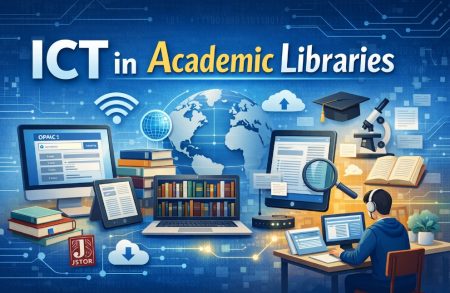
Information and Communication Technology (ICT) has become an integral part of modern libraries, transforming how libraries operate, manage resources, and deliver services to users. The introduction of ICT has expanded the traditional role of libraries, making them hubs of digital information, interactive learning, and advanced research. With ICT, libraries have moved beyond physical books and traditional card catalogs, allowing for the digital management of collections, enhanced access to global information, and the ability to offer remote services. ICT tools enable the automation of various library functions, including cataloging, circulation, and user management, which streamline operations and increase efficiency. Furthermore, libraries are leveraging ICT to provide users with digital resources such as e-books, journals, databases, and multimedia content, all accessible from anywhere in the world. The integration of technology into libraries also supports the development of digital literacy programs, helping users acquire essential skills to navigate the increasingly digital world. Despite the numerous advantages, the adoption of ICT in libraries comes with challenges such as budget constraints, the need for staff training, and ensuring equal access to technology for all users. Nevertheless, ICT continues to play a critical role in shaping the future of libraries, enabling them to meet the evolving needs of their diverse communities.
ICT-Based Library Services
Information and Communication Technology (ICT) has profoundly reshaped various industries, and libraries are no exception. Traditionally, libraries were viewed as quiet places filled with physical books where patrons could access and borrow resources. However, with the advent of ICT, libraries have evolved into dynamic hubs of digital learning, offering a wide range of services that cater to the diverse needs of users in the digital age. Today, ICT-based library services streamline internal operations and provide users with more efficient, accessible, and personalized ways of interacting with library resources.
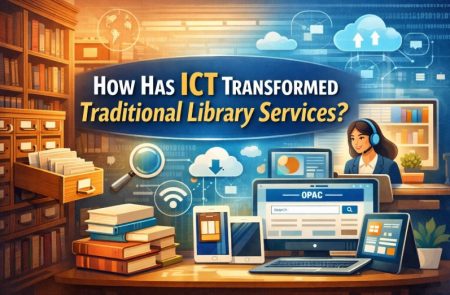
- Online Public Access Catalog (OPAC): One of the most significant transformations in library services is the development of Online Public Access Catalogs (OPACs). OPACs allow library patrons to search the catalog of available books, journals, and other materials online. This system has replaced the traditional card catalog and offers a much more efficient and user-friendly interface. Through OPACs, users can easily search for resources by title, author, subject, or keyword and get real-time information on availability. Additionally, many libraries have expanded OPAC functionalities to enable online reservations and renewals, saving time and enhancing the convenience for users who may not be able to visit the library in person.
- Digital Libraries and E-Resources: Digital libraries have revolutionized the way libraries store and share information. These libraries make vast collections of digitized content, such as e-books, journals, research papers, and multimedia resources, available to users anywhere in the world. ICT has opened the door to countless digital resources, enabling library patrons to access materials that were once confined to physical formats. Through subscription-based databases, users can access cutting-edge research, academic publications, and specialized journals at their fingertips. These resources are crucial for students and academics and for anyone seeking to expand their knowledge without geographical barriers.
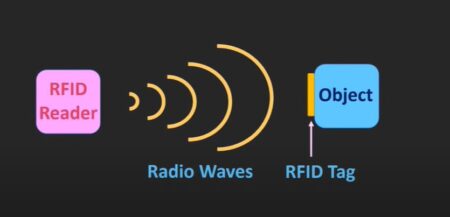
- Automated Circulation Systems: Automated circulation systems use technologies such as barcodes or RFID (Radio Frequency Identification) to automate the borrowing and returning of materials. These systems help streamline library operations by reducing human errors, improving transaction speed, and lowering the overall workload on library staff. With RFID, for instance, books and other materials can be checked out and checked in automatically, and patrons can even track their borrowing history. Automated circulation systems also improve inventory management and reduce the time spent on manual tasks, enabling librarians to focus more on enhancing user experience.
- Library Management Software: Library Management Software (LMS) has been a game-changer for managing and organizing library operations. LMS integrates various library functions, including cataloging, acquisition, circulation, and inventory management, into a single system. This automation reduces administrative burden, enhances accuracy, and improves efficiency across the library’s operations. Libraries can manage both physical and digital collections, track usage statistics, and generate reports seamlessly. With the growth of digital collections, LMS plays an essential role in managing complex metadata, ensuring that resources are properly cataloged and easily accessible to users.
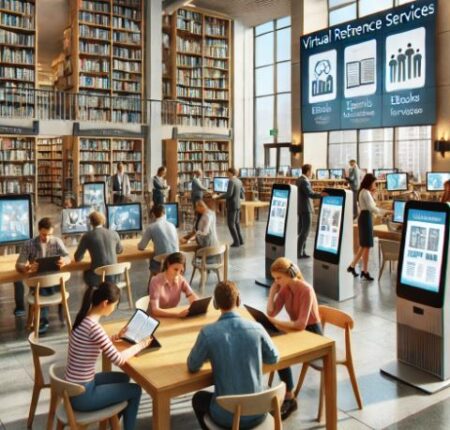
- Virtual Reference Services: Virtual reference services have made it easier for library patrons to access help from librarians and library staff remotely. Whether through chatbots, video calls, email support, or real-time messaging, virtual reference services are designed to answer questions, assist with research, and guide users through library systems. These services are especially beneficial for users who cannot visit the library in person due to distance, time constraints, or health reasons. Virtual reference ensures that users receive timely and accurate information no matter where they are located, contributing to a more inclusive and responsive library environment.
- E-Learning and Online Courses: In recent years, libraries have partnered with educational institutions and online platforms to offer e-learning resources, tutorials, and even complete online courses. These ICT-based services enable users to engage in self-paced learning and acquire new skills from the comfort of their homes. Libraries may provide access to educational platforms like Coursera, edX, and Lynda, or create their own digital learning modules to support academic and professional development. This is especially beneficial for lifelong learners, individuals seeking career advancement, and students pursuing supplementary learning outside of traditional classroom settings.
- Digital Preservation and Archiving: One of the key roles that ICT plays in libraries is the preservation of valuable historical and cultural materials. Digital preservation involves converting fragile or rare documents, manuscripts, photographs, and other physical media into digital formats. This process ensures that these materials can be stored safely and remain accessible for future generations. By digitizing archives, libraries can preserve collections that may otherwise deteriorate over time while also providing global access to these treasures. Digital preservation has made it easier for libraries to share their archives with scholars, researchers, and the general public worldwide.
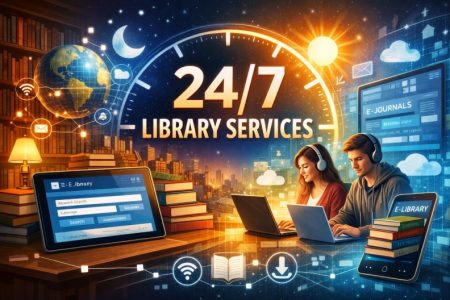
- Remote Access to Library Resources: One of the most user-friendly aspects of ICT-based library services is remote access to library resources. Many libraries now provide online access to their digital content and databases, allowing users to browse e-books, journal articles, and other materials from anywhere with an internet connection. Libraries use technologies such as VPNs or proxy servers to ensure that users can access these resources even if they are not physically present on the library premises. Remote access ensures that students, researchers, and other users can continue to benefit from library services regardless of their location.
- Social Media and Community Engagement: In the digital age, libraries have adopted social media platforms to reach and engage with their communities. Social media channels like Facebook, Twitter, Instagram, and YouTube allow libraries to promote events, share new resources, engage with users, and answer queries in real-time. This helps libraries extend their outreach efforts and fosters a sense of community among patrons. By using social media, libraries can connect with a younger, more tech-savvy demographic and ensure they are visible and accessible to a broader audience.
- Mobile Library Services: As smartphones have become essential to everyday life, libraries have also embraced mobile technology to enhance service delivery. Many libraries now offer mobile apps that allow users to search for resources, check out books, renew loans, and receive notifications about overdue items. These apps are convenient tools that provide users with a seamless library experience on their smartphones or tablets, offering greater accessibility and flexibility for library patrons.
ICT-based library services have transformed libraries into more than just places for borrowing books. They have become interactive, user-focused environments that provide access to an ever-growing range of digital resources, e-learning opportunities, and automated services. While these advancements have greatly enhanced the user experience, they pose challenges, including ongoing staff training, infrastructure investment, and equitable access to technology. Nevertheless, the benefits of ICT in libraries are undeniable, and as technology continues to evolve, so too will the ways in which libraries serve and empower their communities. The future of libraries is undoubtedly digital, and ICT will continue to play a crucial role in shaping this future.
Needs of ICT in Library
The need for Information and Communication Technology (ICT) in libraries has become increasingly essential as the demands of library users evolve and the amount of information grows exponentially. Today’s Libraries are not just physical book repositories; they are dynamic centers of information and knowledge that must adapt to the digital age. ICT is crucial in transforming libraries into more efficient, accessible, and user-friendly spaces. It enables libraries to streamline operations such as cataloging, circulation, and inventory management through automated systems, thus improving efficiency and reducing the workload on staff. With the integration of ICT, libraries can also provide remote access to resources, making it easier for users to access digital books, journals, and databases from anywhere at any time. This is particularly important as more people seek convenience and flexibility in accessing information outside the physical confines of a library building.
ICT significantly enhances user experience by offering tools like online public access catalogs (OPACs), which allow users to search and locate resources quickly and efficiently. Mobile applications and websites further extend these services, enabling users to check out books, reserve materials, and manage their accounts remotely. Furthermore, ICT helps libraries support digital literacy programs, offering workshops and resources to help users navigate the digital world and develop essential technological skills. In an age where access to information is key to success, ICT is not just an added benefit but a fundamental necessity for modern libraries to remain relevant and accessible to their communities. Technology integration helps libraries improve their internal operations and expand the range of services they can offer, meeting the needs of a diverse and technology-driven user base.
The Role of ICT in Modernizing Library Services
Information and Communication Technology (ICT) plays a transformative role in modernizing library services by reshaping how libraries operate, interact with users, and manage resources. With the advent of ICT, traditional libraries have evolved from being static spaces housing physical books into dynamic, interactive hubs offering a wide range of digital and online services. One of the most significant impacts of ICT is the automation of library operations. Traditional tasks such as cataloging, circulation, and inventory management are now automated, making these processes more efficient, accurate, and less time-consuming. Integrated Library Management Systems (ILMS) enable librarians to handle large volumes of data and resources with ease, ensuring that both physical and digital collections are well-organized and accessible to users.
ICT also plays a crucial role in expanding access to information. Through online public access catalogs (OPAC), users can search, locate, and reserve books or other materials remotely, saving them time and enhancing convenience. Additionally, ICT has facilitated the rise of digital libraries and online resources, such as e-books, academic journals, databases, and multimedia content, which can be accessed at any time and from anywhere, significantly broadening the scope of library services. This is especially important as the demand for remote access and digital learning continues to grow. Furthermore, libraries have adopted virtual reference services, using tools like email, chatbots, and video calls, allowing librarians to assist users without the need for in-person visits. These digital interactions improve the accessibility and efficiency of library services, ensuring users can get the help they need regardless of their location.
ICT enables libraries to offer educational and digital literacy programs, empowering users with the skills needed to navigate the increasingly digital world. Libraries can now provide e-learning platforms, online workshops, and training sessions on topics ranging from basic computer skills to advanced research techniques. ICT is at the heart of modernizing library services, enhancing both internal library functions and the overall user experience. By integrating advanced technologies, libraries are improving operational efficiency and expanding their role as vital educational and informational resources in a rapidly evolving world.
Improving Access to Library Resources and Information Through ICT Integration
The integration of Information and Communication Technology (ICT) has significantly enhanced access to library resources and information, making them more available, efficient, and user-friendly for patrons. Traditionally, library access was restricted to physical visits, where users had to search through card catalogs or manually locate books and materials. However, with the introduction of ICT, libraries have digitized much of their collections, enabling users to access a wealth of information online, anytime, and from anywhere. Through Online Public Access Catalogs (OPAC), users can search for books, journals, articles, and multimedia resources remotely, improving convenience and accessibility. This not only saves time for library patrons but also reduces the limitations of physical location, allowing users to access materials without having to visit the library in person.
ICT facilitates the integration of digital resources such as e-books, electronic journals, and databases, expanding the range of materials available to users beyond the physical collection. This makes it possible for libraries to offer an extensive array of resources that can be accessed remotely, often with just a few clicks. Databases and online repositories enable users to explore academic research, specialized knowledge, and multimedia content in ways that were previously impossible. Additionally, ICT tools like mobile applications and library websites make it easy for users to access resources, check out materials, renew books, and place holds, all from their smartphones or computers. This flexibility supports the growing demand for on-the-go access to information in a fast-paced, digital world.
In addition to improving access to materials, ICT also enhances communication between libraries and their users. Virtual reference services, such as live chat, email support, and video consultations, offer real-time assistance, allowing users to get help with research or locating materials without visiting the library physically. Through these tools, libraries can connect with patrons more efficiently, providing assistance and support no matter the user’s location. Ultimately, the integration of ICT transforms how library resources are accessed and makes these resources more diverse, accessible, and available, greatly improving the overall user experience.
Supporting Library Staff in Day-to-Day Operations and Workflows Through ICT
Information and Communication Technology (ICT) plays a pivotal role in supporting library staff by streamlining day-to-day operations and enhancing workflows. Traditionally, library tasks such as cataloging, circulation, and inventory management were time-consuming and required significant manual effort. With the introduction of ICT, these processes have become automated, allowing library staff to focus on more value-added activities and enhancing operational efficiency. For example, Integrated Library Management Systems (ILMS) simplify cataloging and classification by automatically organizing and managing data, reducing errors, and ensuring that resources are easy to find and track. These systems also help library staff monitor check-ins and check-outs, manage overdue items, and update user records in real-time, all of which help maintain accurate records and prevent delays.
ICT also improves workflow efficiency through automation in tasks like acquisitions, processing new materials, and managing interlibrary loans. With the use of barcode scanning and Radio Frequency Identification (RFID) technology, the physical handling of materials is minimized. Staff can quickly check out or return books, update records, and track inventory using these technologies. RFID, for instance, allows staff to easily locate items in the library, conduct inventory audits more efficiently, and speed up check-in/check-out processes, ultimately reducing human error and saving time.
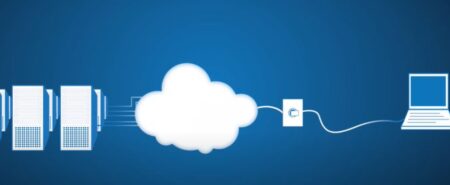
In addition to automating physical operations, ICT provides library staff with essential tools for managing digital content and electronic resources. With the proliferation of digital collections such as e-books, journals, and databases, ICT systems help staff organize and maintain these resources, ensuring they are accessible to users and properly licensed. Furthermore, cloud-based systems allow library staff to work collaboratively across multiple locations, share information more effectively, and keep real-time track of resources without being physically present in one central location.
ICT also supports library staff by improving communication within the library and with library patrons. Tools like email, chat services, and virtual reference desks allow staff to provide prompt assistance to users, answer queries, and guide patrons through the library’s digital offerings. Furthermore, social media platforms and library websites help staff keep the community informed about events, new acquisitions, and library services. By incorporating these digital tools, library staff can improve customer service, extend outreach efforts, and foster greater engagement with library patrons.
Improving Communication Between Libraries and Patrons Through ICT
Information and Communication Technology (ICT) has greatly enhanced the communication between libraries and their patrons, making it more efficient, accessible, and timely. Traditional communication methods, such as in-person visits and phone calls, have been supplemented by digital platforms that allow for constant interaction. Libraries can now use websites and mobile apps to provide users with easy access to information about library hours, new acquisitions, upcoming events, and available resources. Patrons can manage their accounts, reserve books, renew materials, and check out resources, all from the convenience of their own homes or on the go. This accessibility helps users stay connected to the library and its offerings without needing to visit in person.
Moreover, ICT enables real-time communication between library staff and users through virtual reference services, such as email, live chat, and video calls. These tools ensure that patrons can receive immediate assistance with questions, research, or library-related issues, even outside of regular library hours. This is particularly valuable for users who are unable to visit the library physically due to time constraints, distance, or other factors, expanding the reach of library services.
Social media platforms further enhance communication by providing libraries with an opportunity to engage with their communities. Libraries can use platforms like Facebook, Twitter, and Instagram to share updates on new books, library events, and other important news. Social media also serves as a two-way communication channel, allowing patrons to interact directly with library staff, ask questions, and provide feedback. This interaction helps foster a sense of community and strengthens the library’s relationship with its users. ICT also allows libraries to send personalized notifications and updates to patrons. Automated email alerts, app notifications, and SMS messages can remind users of due dates, inform them about new arrivals, or promote upcoming library programs. By tailoring communication to individual preferences and behaviors, libraries can ensure that patrons are always informed and engaged, making library services more relevant and accessible.
Enhancing Library Services for Research and Education Purposes Through ICT
Information and Communication Technology (ICT) has significantly enhanced library services, particularly in the areas of research and education. By integrating advanced digital tools and resources, libraries are now able to provide more comprehensive, accessible, and efficient support for academic and educational pursuits. One of the primary ways ICT enhances library services for research is through the vast array of online databases and digital resources it offers. These databases, which include scholarly articles, journals, e-books, and research papers, provide students, researchers, and educators with access to global information and up-to-date materials that were previously difficult to obtain. ICT enables libraries to provide access to specialized resources that may not be available in physical collections, expanding research opportunities and facilitating access to high-quality information for academic work.
ICT also plays a crucial role in facilitating collaborative research. Through cloud-based platforms, library users can collaborate remotely on projects, share documents, and conduct joint research, all within the library’s virtual ecosystem. This functionality is particularly beneficial for research teams or students working on group projects, as it eliminates the need for physical proximity while still enabling effective collaboration. Additionally, the use of ICT tools such as citation management software, digital archives, and research management systems helps streamline the research process, allowing users to organize references, manage bibliographies, and ensure the accuracy of their work.
For educational purposes, ICT enhances the library’s role in supporting teaching and learning. Many libraries now offer online learning platforms, e-learning modules, and virtual classrooms that allow students to access educational resources outside of traditional classroom settings. This is especially important for distance learning programs, as ICT enables remote students to access the same resources as those attending in-person classes. Furthermore, ICT helps libraries create interactive learning environments by offering multimedia content such as instructional videos, podcasts, and digital tutorials, which engage students in more dynamic ways.
Libraries equipped with ICT tools provide valuable support in fostering digital literacy, helping users acquire the necessary skills to navigate online research and information resources effectively. This is especially crucial as more research and learning materials transition to digital formats, requiring users to be proficient in utilizing technology to access, evaluate, and utilize information.
How ICT Can Help Provide Lifelong Learning Opportunities for Library Users
Information and Communication Technology (ICT) plays a vital role in facilitating lifelong learning, offering users of all ages access to continuous education, skill development, and personal growth. Libraries, traditionally seen as places for academic study, are now evolving into hubs of ongoing learning, thanks to the integration of digital tools and resources. By leveraging ICT, libraries provide diverse, flexible, and accessible learning opportunities that cater to a broad spectrum of interests and needs, supporting individuals throughout their lives.
One of the primary ways ICT aids in lifelong learning is by offering access to a wide range of online resources, including e-books, academic journals, instructional videos, and online courses. Through digital libraries and databases, users can explore new topics, update their professional knowledge, or pursue personal interests, all at their own pace. For example, a professional looking to learn new software skills can access online tutorials or video courses on platforms like Lynda or Coursera, often available through their local library’s digital resources. This flexibility allows learners to fit education into their busy schedules, whether they are working adults or retirees.
ICT also supports lifelong learning by enabling libraries to offer various educational programs that cater to the diverse needs of their communities. Many libraries now host webinars, online workshops, and virtual classes on topics ranging from financial literacy to digital literacy, language learning, or even health and wellness. These programs, facilitated through video conferencing tools and e-learning platforms, make learning accessible to users who may have physical, financial, or time constraints. For instance, libraries may offer digital literacy classes to help older adults navigate the internet while simultaneously providing coding workshops for teenagers and young adults looking to develop technical skills.
Another key benefit of ICT is the ability to create personalized learning experiences. Through online platforms and apps, libraries can offer customized reading recommendations, learning pathways, and educational resources based on individual interests and needs. Many libraries also utilize learning management systems (LMS) to track progress and offer certification upon completion of certain learning modules, encouraging users to continue engaging with educational content over time. Moreover, ICT enables libraries to support the concept of “just-in-time learning” by providing instant access to resources and information when users need it most. For example, a person facing a new career challenge might turn to a library’s online resources to learn new skills related to project management or marketing. ICT tools such as search engines, digital archives, and interactive online forums allow users to find relevant information quickly, ensuring they can continue learning as challenges and opportunities arise in their personal or professional lives.
Libraries are increasingly creating online communities and learning networks where users can connect, collaborate, and learn from one another. Social media platforms, discussion boards, and collaborative online spaces allow learners to share ideas, resources, and experiences, fostering a sense of community and mutual support. These digital spaces can be particularly empowering for adult learners who might feel isolated or disconnected from traditional educational settings.
Reference Articles:
- Adeleke, A. A., & Olorunsola, R. (2010). ICT and library operations. The Electronic Library, 28(3), 453–462. https://doi.org/10.1108/02640471011052025
- Akintunde, S. A. (n.d.). Libraries as Tools for ICT Development.
- Chack, P., Prajapati, A. M., & Trivedi, S. (2017). A CRITICAL REVIEW ON CONVENTIONAL AND MODERN LIBRARY SERVICES.
- Ekoja, I. I. (2011). Modern ICT Tools: Online Electronic Resources Sharing Using Web 2.0 and Its Implications For Library And Information Practice In Nigeria. Samaru Journal of Information Studies, 11(1–2), Article 1–2.
- Islam, S., & Islam, N. (2007). Use of ICT in Libraries: An Empirical Study of Selected Libraries in Bangladesh.
- Jotwani, D. (2008). Best Practices in a Modern Library and Information Center—The Case of Central Library, IIT Bombay. https://ir.inflibnet.ac.in:8443/ir/handle/1944/1223
- Krubu, D., & Osawaru, K. (n.d.). THE IMPACT OF INFORMATION AND COMMUNICATION TECHNOLOGY (ICT) IN NIGERIAN UNIVERSITY LIBRARIES.
- Kumar, N. (2017). Use of Information Communication Technology (ICT) and Library Operation: An Overview.
- Mojjada, M. H. (2025). ICT in Libraries: A Theoretical Approach. Chyren Publication.
- Olu Adeyoyin, S. (2005). Information and communication technology (ICT) literacy among the staff of Nigerian university libraries. Library Review, 54(4), 257–266. https://doi.org/10.1108/00242530510593443
- Siriwongworawat, S. (2003). Use of ICT in Thai libraries: An overview. Program, 37(1), 38–43. https://doi.org/10.1108/00330330310460581