What Is Book Reservation in the Library?
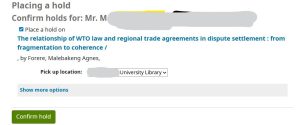 Book reservation, often called a “hold” service, is a user-centered feature in libraries that allows patrons to request a book that is currently unavailable. This situation might arise because the book is already borrowed by someone else or is temporarily out of reach on the shelf. Instead of frequently checking for the book’s return, users can place a reservation through the library’s Online Public Access Catalogue (OPAC) or at the service desk. This process ensures they are next in line to borrow the item once it becomes available. The system is designed to provide fair and organized access to high-demand resources, especially in academic settings where certain textbooks or reference materials are often needed by multiple users.
When a reserved book is returned, the library system automatically identifies any active reservations and sets the book aside for the next eligible user. The reserved item is typically held for a specific period, during which the user is notified, usually via email or SMS, about its availability for pickup. If the user does not collect the book within the designated time, the reservation may be cancelled, and the item will then be made available to the next person in the queue or returned to general circulation.
How Does the Book Reservation System Work?
The book reservation system in a library is designed to manage access to high-demand materials in a fair and organized manner. When a user searches for a book through the library’s Online Public Access Catalogue (OPAC) and finds that it is currently issued to another borrower, they can place a reservation (or “hold”) using their library account. This process typically involves logging in with a membership ID, selecting the desired book, and confirming the request. Once the reservation is placed, the system records it and adds the user to a queue if others have already requested the same item, ensuring a first-come, first-served approach.
For example, imagine a student needs a popular textbook for an upcoming exam, but all copies are currently borrowed. Instead of checking repeatedly, the student places a reservation through the OPAC. If two other students have already reserved the book, the system places the new request in the third position. When the book is returned, it is automatically assigned to the first person in the queue.
Once the reserved book becomes available, the library system alerts the next user—usually through email or SMS—and temporarily holds the book at a designated location such as the circulation desk. The user is given a specific time frame to collect it. For instance, if the library allows a 48-hour pickup window, the user must collect the book within that period. If they fail to do so, the reservation is cancelled, and the book is offered to the next user in line.
Another example can be seen when a user accidentally reserves a book but later no longer needs it. In such cases, the user can cancel the reservation through their library account, allowing the book to be reassigned more quickly to others waiting.
Can I Reserve a Book That Is Currently Checked Out?
Most libraries allow you to reserve a book that is currently checked out by another user. This service, commonly referred to as a “hold” or reservation, is designed to help patrons access materials that are temporarily unavailable. Instead of waiting and repeatedly checking the shelf, you can place a reservation through the library’s Online Public Access Catalogue (OPAC) or with the assistance of library staff.
Once you submit your request, your name is added to a waiting list, and the system ensures that the book will be allocated to you when it is returned. For example, if a required textbook is already checked out to another student, you can place a reservation and receive a notification when it becomes available. If multiple users reserve the same book, the system operates on a queue basis, meaning the book is offered to users in the order their requests were received. When a book is returned, it is set aside for the next person in line, who is typically notified via email or SMS to collect it within a specific timeframe.

How Long Does a Reservation Remain Active?
The duration of a book reservation in a library generally depends on the library’s specific policies, but it usually remains active until the requested item becomes available and is offered to the user. Once the book is returned, the library sets it aside for the person who placed the reservation and holds it for a limited pickup period, typically 24 to 72 hours. During this time, the user is notified (via email or SMS) and is expected to collect the book within the given deadline.
For example, in many academic libraries, if a book is reserved and later returned, it may be held for 48 hours for the requesting user. If the user does not collect the book within this period, the reservation is automatically cancelled, and the book is either offered to the next person in the queue or returned to general circulation. Additionally, if multiple users have reserved the same book, the reservation remains active in the queue until it is fulfilled or cancelled.
In some cases, users may also have the option to cancel their reservation if they no longer need the book, allowing others to access it more quickly.
What Happens If You Don’t Pick Up Your Reserved Book on Time?
If you do not collect your reserved book within the specified pickup period, the library system will usually cancel your reservation automatically. When a book becomes available, it is set aside for you and held for a limited time, typically between 24 to 72 hours. You are expected to collect the item after receiving a notification, such as an email or SMS. If you do not pick up the book within this timeframe, the library assumes that you no longer need it.
For example, if a library offers a 48-hour pickup window and you do not collect the book during that time, your reservation will expire. The book will then either be offered to the next person in the reservation queue or returned to the general shelf for others to borrow. This practice ensures that library resources are not unnecessarily held and remain accessible to other users. Additionally, in some libraries, repeated failure to collect reserved books may result in temporary restrictions on your reservation privileges. Therefore, it is always a good practice to cancel your reservation in advance if you no longer need the book, allowing others to access it without delay.
Can You Borrow a Reserved Book?
You cannot borrow a book that has already been reserved by another user. Once a reservation (or hold) is placed, the book is temporarily set aside for the person who made the request. During this reservation period, other users cannot check out the book, even if it is available at the circulation desk.
Typically, a reserved item is held for a specific time, often around 48 hours, for the user who requested it. For example, if a student reserves a book and another user tries to borrow it during this holding period, the system will prevent the transaction. The book remains unavailable to others until the reserved user either collects it or the reservation expires.
If the reservation period ends and the user does not pick up the book, the hold is cancelled, and the book becomes available again, either for the next person in line or for general borrowing. This policy ensures fair access and helps prevent conflicts over high-demand resources.