User-Centered Library Services: Meaning, Importance, and Practical Examples in Modern Libraries
User-centered library services refer to an approach in which the planning, design, and delivery of services are guided by the actual needs, preferences, and behaviors of users rather than traditional, system-driven practices. In this model, libraries actively gather insights through surveys, feedback forms, usage statistics, and direct interactions, and then adjust their services accordingly. For example, if students frequently struggle to find books, a library may improve its online catalogue (OPAC) interface or provide step-by-step search guides. Similarly, offering remote access to e-resources through tools like OpenAthens allows users to access databases and journals from home, addressing the needs of off-campus learners. User-centered services may also include personalized research consultations, extended opening hours during exams, and accessible facilities for users with disabilities. In essence, instead of expecting users to adapt to library systems, the library adapts to serve its users more effectively.
The importance of user-centered library services in modern libraries has increased significantly due to rapid technological changes and evolving user expectations. Today’s users expect fast, convenient, and personalized services similar to those offered by digital platforms. For instance, the use of AI-powered chatbots in libraries can provide instant answers to frequently asked questions, reducing waiting time and supporting users even outside service hours. Likewise, libraries that redesign their spaces based on user feedback, such as creating collaborative study areas, silent zones, and technology-enabled learning spaces, are better able to support diverse learning styles. User-centered services also improve decision-making, as libraries rely on real data rather than assumptions; for example, analyzing database usage can help libraries decide which subscriptions to renew or cancel. Moreover, this approach promotes inclusivity by ensuring that services cater to different user groups, including undergraduate students, researchers, and users with varying levels of digital literacy.
User-Centered vs. Traditional Library Service Models
 User-centered library services differ significantly from traditional library service models in their focus, design philosophy, and methods of service delivery. Traditional library models are primarily system-oriented, meaning that services are designed according to established rules, standardized procedures, and the convenience of library operations. In this approach, users are expected to adjust to the library’s structure- such as fixed service hours, rigid borrowing policies, and limited assistance that is restricted to physical service desks. Accessing information in traditional models often requires users to navigate complex catalogue systems on their own, with minimal personalization or proactive support.
In contrast, user-centered services place users at the heart of all decision-making processes, emphasizing flexibility, accessibility, and responsiveness. Libraries that adopt this model actively seek user feedback and analyze usage patterns to tailor their services to meet actual needs. For example, instead of maintaining strict service hours, a user-centered library might extend hours during exam periods or provide 24/7 digital access to resources. Additionally, while traditional models rely heavily on face-to-face interactions, user-centered services incorporate multiple communication channels, such as online chat, email, and AI-powered support systems, to ensure immediate assistance. Furthermore, user-centered approaches prioritize personalized experiences, such as customized research support or curated resource recommendations, while traditional models tend to offer uniform services to all users.
The Role of Personalization in Enhancing Library Services
Personalization plays a crucial role in improving library services by aligning resources, support, and user experiences with the specific needs and preferences of individual users. In a user-centered library environment, personalization moves beyond a “one-size-fits-all” approach and focuses on delivering targeted services that reflect different academic levels, research interests, and information-seeking behaviors. For example, undergraduate students may benefit from basic library orientation sessions, simplified research guides, and introductory workshops, while faculty members and researchers often require advanced database training, support with tools like EndNote or Mendeley, and assistance in conducting systematic literature reviews. Similarly, a student in business studies may receive curated resources from databases like Scopus or SpringerLink, whereas an engineering student may be guided toward IEEE Xplore for more relevant materials.
Personalization significantly enhances user satisfaction and engagement by making services more relevant and efficient. Digital library systems can recommend books, articles, or databases based on a user’s previous searches or borrowing history. For instance, if a user frequently searches for topics on artificial intelligence, the system can suggest newly added books, journals, or relevant workshops in that field. AI-powered chatbots can also provide more context-aware responses, such as guiding a user directly to specific services like remote access registration or plagiarism checking support. Personalized communication—such as targeted emails or notifications about upcoming workshops, newly subscribed databases, or important deadlines—ensures that users receive information that is directly useful to them, rather than generic announcements.
In addition, personalization contributes to improved learning and research outcomes by offering support that directly matches user needs. For example, a student preparing a thesis may receive one-on-one consultation sessions focused on topic selection, database searching, and citation styles, while a researcher may subscribe to alert services that notify them of newly published articles in their area of study. Libraries can also personalize physical spaces by providing different zones, such as quiet study areas for focused work and collaborative spaces for group discussions, based on user preferences.
How AI and Chatbots Improve User-Centered Library Services
Artificial Intelligence (AI) and chatbots are revolutionizing user-centered library services by making support more accessible, responsive, and tailored to the individual needs of users. One of their most significant contributions is providing 24/7 instant assistance, eliminating the constraint of traditional service hours. For instance, a student working late at night can use a chatbot to find library opening hours, locate resources, or get guidance on accessing databases without having to wait for staff assistance. This availability enhances convenience and overall user satisfaction.
AI and chatbots also improve efficiency and response times by quickly and accurately handling repetitive queries. Common questions-such as how to borrow books, access electronic resources, or reset library accounts-can be answered instantly. For example, a chatbot can guide a user step-by-step on how to access remote databases through systems like OpenAthens or explain how to check a book’s availability in the Online Public Access Catalog (OPAC). This capability reduces the workload on library staff, allowing them to focus on more complex research support and personalized services.
Another important advantage is the ability to provide personalized and context-aware support. Advanced AI systems can analyze user queries and past interactions to deliver more relevant responses. For example, if a user frequently searches for research-related information, the chatbot can suggest appropriate databases, citation tools like Mendeley, or information about upcoming research workshops. Similarly, a new student may receive basic guidance on library services, while a researcher might be directed to advanced resources and specialized support. This tailored approach makes the service more meaningful and user-focused.
AI and chatbots also enhance user engagement and communication. They can proactively interact with users by sending reminders about due dates, notifying them about new resources, or suggesting relevant services. For example, a chatbot integrated into a library website can greet users and ask how it can assist them, creating a more welcoming environment, especially for those who might feel hesitant to approach library staff directly. This proactive engagement encourages more users to seek help and utilize library services. Additionally, AI tools contribute to the continuous improvement of services by analyzing user queries and interaction data. Libraries can identify frequently asked questions, common problems, or gaps in services based on chatbot logs. For instance, if many users repeatedly ask about accessing a specific database, the library can improve related instructions, create tutorials, or simplify access. This data-driven approach ensures that services evolve according to the real needs of users.
Integrating Mobile-Friendly Services for Better Accessibility in Libraries
Libraries can greatly enhance accessibility by incorporating mobile-friendly services that enable users to access information and support anytime and anywhere through their smartphones and tablets. In today’s digital landscape, many users primarily rely on mobile devices, so libraries must ensure that their websites, catalogs, and digital platforms are fully responsive and easy to navigate on smaller screens. For instance, a mobile-optimized Online Public Access Catalog (OPAC) allows users to search for books, check availability, and place holds directly from their phones without needing a computer. Additionally, providing seamless remote access to electronic resources through mobile-compatible authentication systems ensures that students and researchers can read journals, download articles, and utilize databases even when they are off-campus.
Libraries can further enhance accessibility by offering dedicated mobile applications or integrating services into widely used platforms. For example, a library app can enable users to renew books, receive due-date reminders, and get notifications about new arrivals or upcoming workshops. QR codes placed on bookshelves or in study areas can help users quickly access digital guides, tutorials, or related resources using their smartphones. Mobile-friendly communication tools, such as chat services or AI-powered chatbots embedded in library websites, also allow users to ask questions and receive instant assistance without needing to visit the physical desk. This is particularly beneficial for users who may have time constraints or feel hesitant to seek help in person.
Mobile-friendly services promote inclusivity by supporting users with various needs and technological preferences. Features like simple navigation, readable fonts, voice search, and compatibility with assistive technologies can make library services more accessible to users with disabilities. For example, a visually impaired user can benefit from mobile platforms that support screen readers, while a busy student can quickly access short video tutorials or research guides on their phones. By adopting a mobile-first design approach and continuously improving digital interfaces based on user feedback, libraries can create a more flexible, inclusive, and user-centered service environment that aligns with modern user behaviors and expectations.
Strategies to Engage Library Users More Effectively
Engaging users effectively is essential for libraries to remain relevant, dynamic, and responsive in today’s information-driven environment. Modern users expect not only access to resources but also meaningful interaction, support, and convenience. To achieve this, libraries must adopt strategic, user-centered approaches that encourage active participation and continuous use of services. The following key strategies can help libraries engage users more effectively.
- Understanding User Needs and Expectations: A deep understanding of user needs is the foundation of effective engagement. Libraries must go beyond assumptions and actively collect data through surveys, interviews, feedback forms, and usage analytics. This process helps identify what users actually require-whether it is access to specific databases, extended study hours, or improved research support. For instance, if a large number of students face difficulty in using academic databases, the library can introduce targeted training sessions or simplified user guides. Similarly, analyzing borrowing patterns or digital resource usage can reveal subject-specific demands. By continuously studying user behavior, libraries can design services that are relevant, timely, and aligned with academic and research goals.
- Strengthening Communication and Outreach: Effective communication ensures that users are aware of the services, resources, and opportunities available to them. Libraries must adopt a multi-channel communication strategy that includes websites, email newsletters, social media platforms, and mobile notifications. Clear, concise, and timely messages can significantly increase user participation. For example, promoting a newly subscribed database through targeted emails to relevant departments can attract more users. Additionally, regular updates about workshops, new arrivals, and service changes help maintain user interest. Outreach efforts, such as collaborating with academic departments or participating in university events, further expand the library’s visibility and encourage more users to engage with its services.
- Organizing Interactive Programs and Events: Interactive programs provide direct opportunities for users to connect with the library and develop essential skills. Libraries can organize workshops, seminars, orientation sessions, and hands-on training programs that address specific academic needs. For example, sessions on citation management tools, research methodologies, or plagiarism awareness can attract students and researchers alike. Competitions, exhibitions, or themed events can also create a lively and engaging environment. These activities not only enhance user skills but also position the library as an active learning and research support center rather than just a repository of books.
- Leveraging Technology and Digital Tools: Technology plays a vital role in making library services more accessible and user-friendly. By integrating digital tools such as AI-powered chatbots, mobile-friendly websites, and online help desks, libraries can provide instant support and improve user interaction. For instance, a chatbot can answer frequently asked questions, guide users to relevant resources, and provide assistance at any time of the day. Mobile-friendly platforms allow users to search catalogs, access e-resources, and manage their accounts conveniently. Virtual tutorials and online guides can further support users who prefer self-paced learning. The effective use of technology ensures that library services remain efficient, modern, and aligned with user expectations.
- Personalizing Library Services: Personalization is a powerful strategy that enhances user engagement by delivering services tailored to individual needs. Libraries can use data insights to provide customized recommendations, targeted notifications, and specialized support. For example, a researcher working in a specific field may receive alerts about newly published articles or relevant databases, while a new student may receive guidance on basic library services. One-on-one research consultations and subject-specific assistance further strengthen this personalized approach. By making services more relevant and user-specific, libraries can create a more meaningful and satisfying experience for their users.
- Creating a Welcoming and Inclusive Environment: A positive and inclusive library environment encourages users to spend more time and actively engage with services. Libraries should design spaces that accommodate different user preferences, such as quiet study areas, collaborative zones, and technology-enabled workspaces. Accessibility is also a key consideration, ensuring that facilities and digital platforms are usable by individuals with diverse needs. For example, providing assistive technologies, comfortable seating, and clear signage can improve the overall user experience. A welcoming atmosphere, supported by friendly and approachable staff, makes users feel comfortable seeking help and participating in library activities.
Effective user engagement in libraries depends on a combination of understanding user needs, maintaining strong communication, offering interactive programs, leveraging technology, personalizing services, ensuring inclusivity, encouraging feedback, and providing continuous support. By implementing these strategies in a detailed and consistent manner, libraries can create a dynamic, user-centered environment that not only attracts users but also keeps them actively involved in learning, research, and knowledge development.
Enhancing User Interaction through Social Media and Online Platforms in Libraries
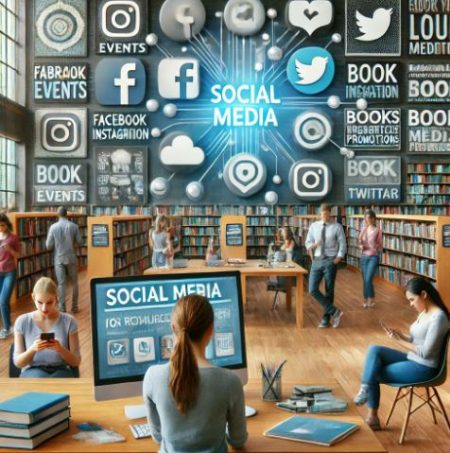
Social media and online platforms play a significant role in enhancing user interaction with libraries by creating dynamic, accessible, and real-time communication channels. Unlike traditional methods of communication, which often rely on physical presence or formal notices, platforms such as Facebook, Instagram, and YouTube allow libraries to connect with users instantly and informally. Through these platforms, libraries can share updates about new books, databases, workshops, and service changes in engaging formats using images, reels, and videos. For example, a library can post a short video tutorial on YouTube demonstrating how to access remote databases, or share an Instagram reel introducing newly arrived books. Similarly, Facebook posts can be used to announce upcoming workshops or changes in library hours, reaching users directly on their mobile devices and increasing participation.
Social media enhances two-way communication, making user interaction more active and participatory. Users can comment on posts, ask questions, react to content, or send direct messages, allowing libraries to respond quickly and build stronger relationships. For instance, a student facing difficulty accessing e-resources can send a message via Facebook and receive immediate step-by-step guidance without physically visiting the library. Libraries can also use polls or question features on Instagram Stories to gather user opinions—for example, asking students what type of workshops they prefer or what resources they need most. Online platforms such as library websites further support this interaction by integrating live chat services or AI-powered chatbots, enabling users to get instant answers to frequently asked questions at any time.
In addition, social media and online platforms support user engagement through targeted and personalized communication. Libraries can tailor content for different user groups by posting discipline-specific resources or announcements. For example, a post about engineering databases can be targeted toward engineering students, while a video on citation tools like Mendeley or EndNote can benefit researchers. Email newsletters and website notifications can also be personalized-for instance, sending reminders about due dates, reserved books, or relevant training sessions. Furthermore, analytics tools available on platforms like Facebook and Instagram allow libraries to track engagement metrics such as likes, shares, and comments, helping them understand what type of content resonates most with users. This data-driven approach enables libraries to continuously refine their strategies and improve user interaction.
How Can Libraries Support Users Who Are Reluctant to Seek Help?
Libraries can effectively support users who are reluctant to seek help by creating a service environment that reduces anxiety, increases accessibility, and encourages self-directed as well as low-pressure interaction. Many users hesitate to ask for help due to a lack of confidence, fear of judgment, or simply not knowing how to approach library staff. To address this, libraries should provide multiple alternative support channels that allow users to seek assistance in a more comfortable way. For example, anonymous or semi-anonymous tools such as online chat services, AI-powered chatbots, and email support enable users to ask questions without face-to-face interaction. A student who feels unsure about asking at the service desk can instead use a chatbot on the library website to get instant guidance on finding books or accessing databases.
In addition, libraries can support reluctant users by offering clear, easy-to-follow self-help resources. Step-by-step guides, video tutorials, FAQs, and signage placed throughout the library can empower users to solve problems independently. For instance, a short video showing how to search the OPAC or access remote databases can help users who prefer not to ask for assistance. Similarly, QR codes placed on shelves or service points can link users directly to relevant guides, making support easily accessible without requiring personal interaction. These resources reduce dependency on staff while still providing effective guidance.
Creating a welcoming and non-intimidating environment is also essential. Friendly, approachable staff and a supportive atmosphere can gradually encourage hesitant users to seek help when needed. Libraries can adopt proactive but non-intrusive approaches, such as staff gently offering assistance or using signage like “Ask us anytime—we’re here to help.” Orientation programs and small-group training sessions can also help users become familiar with library services in a less formal setting. For example, new students may feel more comfortable asking questions during an orientation workshop than at a busy service desk. Furthermore, personalized and discreet support can make a significant difference. Libraries can offer one-on-one consultation services that users can book privately, ensuring a safe and focused environment for asking questions. Targeted communication, such as emails highlighting beginner-friendly resources or basic research guides, can also reach users who may not actively seek help. For instance, sending a “Getting Started with Library Resources” guide to new users can provide essential support without requiring them to ask for it.
Successful Examples of User-Centered Library Services
User-centered library services focus on designing and delivering services based on the real needs, preferences, and behaviors of users. Many modern libraries have successfully implemented innovative practices that improve accessibility, engagement, and overall user satisfaction. The following examples highlight some of the most effective user-centered services adopted by libraries today.
- 24/7 Virtual Assistance through Chatbots: One of the most successful examples is the use of AI-powered chatbots that provide round-the-clock assistance. These chatbots can answer frequently asked questions, guide users in searching for books, and provide instructions for accessing digital resources. For example, a student working late at night can use a chatbot to learn how to access a database or check library timings without waiting for staff support. This ensures continuous service availability and improves user convenience.
- Remote Access to E-Resources: Providing remote access to digital resources is a key user-centered service, especially for students and researchers who cannot always visit the library physically. Libraries use authentication systems that allow users to access databases, e-books, and journals from anywhere. For instance, a user can access research databases like Scopus or SpringerLink from home, enabling uninterrupted academic work. This service supports distance learning and enhances resource accessibility.
- Personalized Research Support: Many libraries offer one-on-one consultation services tailored to individual user needs. Librarians provide customized guidance on research topics, database searching, and citation management. For example, a postgraduate student working on a thesis may receive help in selecting relevant journals, organizing references using tools like Mendeley, and applying proper citation styles. This personalized approach improves research quality and user satisfaction.
- Flexible and User-Friendly Library Spaces: Modern libraries have redesigned their physical spaces to meet diverse user preferences. Instead of uniform reading areas, they provide silent zones, collaborative spaces, and technology-enabled workstations. For example, group study rooms equipped with digital displays support teamwork, while quiet areas cater to users who need a distraction-free environment. This flexibility enhances the overall user experience.
- Mobile-Friendly Services and Applications: Libraries have increasingly adopted mobile-friendly platforms to align with user behavior. Mobile-optimized catalogs and apps allow users to search for books, renew loans, reserve materials, and receive notifications directly on their smartphones. For example, a user can check due dates or reserve a book while commuting. This convenience makes library services more accessible and user-friendly.
- Interactive Workshops and Training Programs: User-centered libraries organize training sessions based on user needs and feedback. These include workshops on research skills, database usage, plagiarism awareness, and citation tools. For instance, a hands-on workshop on EndNote or Mendeley can help users manage references more effectively. Such programs not only improve user skills but also increase engagement with library services.
- Ask a Librarian Service; The Ask a Librarian service is a highly effective user-centered initiative that provides direct, on-demand support from professional librarians. This service is typically offered through multiple channels such as live chat, email, or web forms, allowing users to seek help in a convenient and comfortable way. For example, a student struggling to find relevant journal articles for an assignment can submit a query through the Ask a Librarian form and receive tailored guidance from a subject expert. Similarly, a researcher may request assistance with advanced database searches or citation issues. This service is especially valuable for users who prefer personalized, expert support without needing to visit the library physically.
- Proactive Communication and Alerts: Libraries use targeted communication strategies to keep users informed and engaged. This includes sending reminders for due dates, notifications about reserved books, and updates on new resources or events. For example, a researcher may receive alerts about newly published articles in their field. Proactive communication helps users stay connected with library services.
Successful examples of user-centered library services demonstrate how libraries can adapt to changing user expectations by focusing on accessibility, personalization, and continuous improvement. From AI-driven assistance and remote access to personalized support and Ask a Librarian services, these practices enhance user experience and ensure that libraries remain relevant in the modern digital environment.