How Does a Library Catalogue Help Users
A library catalogue is one of the most essential tools in any modern library. Whether in physical or digital format, it serves as a gateway that connects users to the vast array of resources available in the library. By organizing information systematically and making it easily searchable, a library catalogue significantly enhances the user experience and supports effective learning, teaching, and research.
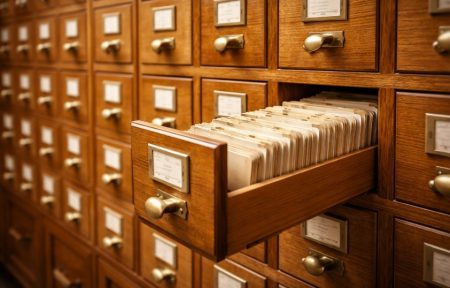
- Easy Discovery of Resources: One of the most significant advantages of a library catalogue is that it makes finding resources fast and efficient. In the past, users had to rely on browsing shelves or using card catalogues, which were time-consuming and often ineffective. Today, users can simply enter a keyword, author name, title, or subject into the catalogue and instantly receive a list of relevant materials. This feature is especially useful for users who have only a general idea of their topic. For example, a student researching “digital libraries” may not know specific book titles, but the catalogue can generate multiple relevant resources based on that keyword. This not only saves time but also broadens the scope of learning by introducing users to materials they might not have discovered otherwise.
- Access to Detailed Bibliographic Information: A library catalogue offers detailed bibliographic information that helps users evaluate resources before accessing them. Each record typically includes details such as the title, author, edition, publisher, year of publication, subject headings, and sometimes summaries or abstracts. This level of detail enables users to assess the relevance, credibility, and currency of a resource. For instance, a researcher might prefer the latest edition of a textbook or a publication from a reputable publisher. By reviewing catalogue records, users can make informed decisions without needing to physically handle the material. This is especially important for academic research, where the quality and accuracy of sources are critical.
- Location and Availability Tracking: One of the key functions of a library catalogue is to inform users about the availability and physical location of resources. The catalogue indicates whether an item is available, checked out, or reserved by another user. It also provides the call number, which is essential for locating the item on the shelves. In large libraries with multiple floors and sections, this feature is especially important. For example, a user can easily find out that a book is located in a specific section on a particular floor, thus avoiding unnecessary searching. This not only improves efficiency but also enhances the overall user experience by making the library easier to navigate.
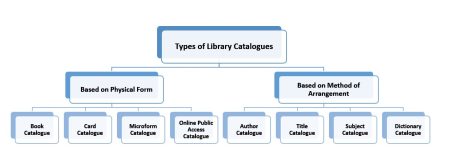
- Remote and 24/7 Access: Modern library catalogues, commonly known as Online Public Access Catalogues (OPACs), provide remote access. Users can reach the catalog from their homes, dormitories, or any location with internet connectivity. This 24/7 availability is especially beneficial for students and researchers who may need to plan their work outside of library hours. For example, a student preparing for an assignment late at night can search the catalogue, find relevant books, and plan to pick them up the next day. This flexibility ensures that the library remains accessible even when the physical space is closed, supporting continuous learning and research.
- Support for User Services: Library catalogues today are integrated with various user-oriented services that enhance convenience. Through personal accounts, users can check their borrowed items, renew books, place holds or reservations, and monitor due dates. This reduces the need for direct interaction with library staff for routine tasks. For example, if a book is currently checked out by another user, a student can place a hold through the catalogue and receive it when it becomes available. Similarly, the ability to renew books online helps users avoid late fees and manage their borrowing more effectively. These features make the library system more user-friendly and efficient.
- Organized and Structured Information: Library catalogues utilize standardized classification systems and metadata to systematically organize resources. This structured approach ensures that materials are arranged in a logical manner, often by subject or discipline. As a result, users can easily locate specific items and also explore related resources within the same subject area. For example, when searching for a book on “machine learning,” a user might come across additional books on artificial intelligence, data science, or other related topics. This encourages deeper exploration and supports comprehensive learning. Additionally, the organized nature of the catalogue guarantees consistency and accuracy in information retrieval.
In conclusion, a library catalogue is much more than a simple list of books; it is a powerful tool that enhances how users interact with library resources. It enables easy discovery of materials, provides detailed information, shows availability, offers remote access, supports user services, organizes information systematically, and enhances research capabilities. As a result, the catalogue significantly improves the efficiency and effectiveness of library use. In today’s digital age, it remains an essential component of any modern library system.