What is a Library Catalogue and What Does It Do?
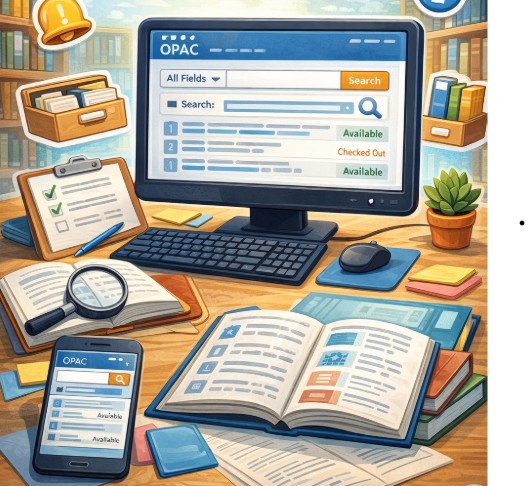
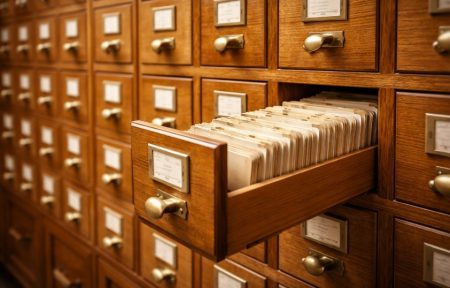
A library catalogue is a systematic and organised listing of all the resources available in a library, designed to help users easily discover and access information. Traditionally, catalogues existed in the form of card catalogues, but today most libraries use digital systems known as Online Public Access Catalogues (OPACs). A library catalogue provides essential bibliographic details about each item, such as the title, author, subject, publication information, and call number. For example, if a student searches for a book like Introduction to Machine Learning, the catalogue will display the author’s name, edition, publisher, and a call number indicating exactly where the book is located on the shelf. Its primary function is to serve as a search and discovery tool, enabling users to locate materials efficiently by searching across various access points such as author names, book titles, keywords, and subject headings. For instance, a user interested in “customer churn analysis” can search by subject or keyword and retrieve a list of relevant books, journals, or e-resources available in the library. In addition to identifying whether a particular item exists, the catalogue also shows its availability status—such as whether the book is available, issued, or reserved—and its location, such as “3rd Floor, Stack Section.” In many modern systems, including university library OPACs, users can also place a hold on a book or renew borrowed items online; for example, a student can reserve a currently borrowed book so that it becomes available to them once it is returned. Furthermore, digital catalogues often provide access to electronic resources, such as e-books or journal articles, allowing users to click directly and read online.
How Does a Library Catalogue Help Users Find Books?
A library catalogue serves as a structured tool that helps users locate books by organising all library resources in a clear and accessible manner. Users can search for books using various methods such as title, author, subject, or keywords, which makes the discovery process fast and efficient. For example, if a user types in the title “Data Science Basics,” the catalogue will display matching results along with information like the author’s name, edition, and publication year. Similarly, if someone searches by subject, such as “machine learning,” the catalogue will generate a list of all related books available in the library.
In addition to identifying relevant materials, the catalogue provides the exact location of each book through a call number, guiding users to the correct shelf or section. For instance, a search result might show “QA76.9 .M35 2020 – 4th Floor Stack Section,” which helps the user physically locate the book in the library. The catalogue also indicates the availability status of each book, revealing whether it is available, currently checked out, or reserved by another user. If a book is already borrowed, the catalogue may allow the user to place a hold on it, so they can access it once it is returned.
Modern online catalogues (often referred to as OPACs) enhance user convenience by allowing remote searching. This enables students to check available resources from home before visiting the library. In some cases, users can directly access e-books or digital versions through the catalogue with just a single click.
What Kind of Information Does a Library Catalogue Provide?
A library catalogue is a well-structured information system that provides detailed information about all the resources available in a library. It plays a crucial role in helping users efficiently identify, locate, and access materials. Modern catalogues, particularly Online Public Access Catalogues (OPACs), display information in an organised and user-friendly manner. The following points describe the different types of information typically provided by a library catalogue:
- Bibliographic Information: Bibliographic information is the cornerstone of any library catalogue, as it provides essential details about a resource’s identity. This information includes the title, author or authors, edition, publisher, place of publication, and year of publication. These elements assist users in confirming that they have located the exact item they need, particularly when multiple books have similar titles or when different editions are available. For instance, a student searching for a textbook may encounter several editions of the same book, and the bibliographic details aid them in selecting the most recent or relevant one. In academic settings, this information is also valuable for citation and referencing, making it an indispensable aspect of research work.
- Subject and Classification Information: Subject and classification information allow users to explore materials based on topics instead of specific titles. Each item in the catalogue is assigned subject headings and a classification number according to a standardised system, such as the Dewey Decimal Classification or the Library of Congress Classification. This system groups similar subjects together, making it easier for users to discover related materials. For example, if a user is researching machine learning, they can find multiple books under the same classification range, even if they are not familiar with specific titles. This feature not only supports targeted searching but also encourages broader exploration and a deeper understanding of the subject area.
- Call Number and Location Details: The call number and location details serve as a physical guide within the library. Once a user identifies a book in the catalogue, the call number helps them locate the exact position of the item on the shelves. The catalogue also indicates where the item is stored, such as the floor number, section name, or specific collection area (e.g., reference section or reserve section). In large academic libraries with multiple floors and extensive collections, this information is crucial for saving time and reducing confusion. Without clear location details, users may struggle to find materials even after identifying them in the catalogue.
- Availability Status: The availability status is one of the most useful features of a library catalogue, as it informs users whether a resource can be accessed immediately. The catalogue clearly indicates if a book is available on the shelf, currently checked out to another user, reserved, or restricted for in-library use only. This information helps users make quick decisions about their next steps. For example, if a book is marked as “checked out,” users may choose to place a hold on it or look for alternative resources. This feature reduces unnecessary searching within the library and enhances overall efficiency in the use of resources.
- Access to Digital Resources: Modern library catalogues go beyond just physical collections by offering access to digital resources such as e-books, online journals, and databases. These catalogues often include direct links that allow users to open and read materials instantly on their devices. This feature is especially beneficial for remote users who cannot visit the library in person. For instance, a student working from home can search for a topic, find an e-book in the catalogue, and start reading it right away. This integration of digital access greatly enhances the convenience and accessibility of library services in the digital age.
- Search and Discovery Features: The search and discovery capabilities of a library catalogue make it a powerful tool for retrieving information. Users can search using various parameters, such as title, author, subject, keyword, or even ISBN. Advanced search options may allow users to filter results by publication date, format, or language. These features help users refine their searches and quickly find the most relevant materials. For example, a user researching “customer behaviour” can narrow results to recent publications or specific formats like journal articles. This flexibility ensures that users can efficiently navigate large collections without feeling overwhelmed.
- User Services and Account Functions: Many modern catalogues offer integrated user services that enhance the overall library experience. Through personal accounts, users can place holds on books, renew borrowed items, check due dates, and review their borrowing history. These features provide convenience and save time by reducing the need for in-person visits for routine tasks. For example, a student can renew a borrowed book online before the due date to avoid fines or reserve a book that is currently unavailable. Such services make the catalogue not just a search tool but also an interactive platform for managing library use.
A library catalogue offers much more than just a basic list of books. It combines various elements such as bibliographic data, subject organization, location guidance, availability status, digital access, search features, user services, and descriptive content to create a comprehensive system for discovering and accessing information. Each of these components plays a crucial role in helping users navigate the library effectively, making the catalogue an essential part of modern library services and academic research.