Readers’ Advisory Service in Modern Librarianship
The Readers’ Advisory Service (RAS) is a user-centered library service designed to help individuals find reading materials that align with their interests, needs, preferences, and reading levels. While traditionally linked to public libraries, this service involves personalized interactions between librarians and users. Librarians recommend books based on factors such as genre, mood, subject interest, and past reading experiences. For instance, if a student expresses enjoyment of mystery novels like Sherlock Holmes, the librarian might suggest similar authors such as Agatha Christie or contemporary crime thrillers. Conversely, if a casual reader seeks “light and inspirational books,” they may be directed toward motivational or short fiction collections. Unlike reference services, which primarily focus on providing factual information, Readers’ Advisory emphasizes the experience of reading, encouraging engagement, enjoyment, and lifelong reading habits. This approach reflects a shift from a collection-centered philosophy to one that prioritizes the reader, underscoring the importance of understanding user needs alongside knowledge of the collection.
In modern librarianship, the Readers’ Advisory Service has significantly evolved with the incorporation of digital technologies and changing user expectations. It is no longer limited to face-to-face interactions; it now extends to online platforms, library websites, OPACs (Online Public Access Catalogs), social media, and even AI-powered systems like chatbots and recommendation engines. For example, a library OPAC may suggest “related titles” when a user searches for a book, or a library’s Facebook page might feature weekly “Staff Picks” to guide readers. AI-based chatbots can respond to queries such as “Can you recommend some books on leadership?” by generating a curated list of relevant titles.
Contemporary definitions of RAS highlight its role in facilitating personalized access to both print and digital resources through data-driven insights and user behavior analysis. Librarians now blend their professional expertise with technological tools to offer tailored recommendations, curated reading lists, and interactive advisory services. For instance, an academic library might recommend research-based reading materials for coursework while also promoting recreational reading collections to help reduce student stress. Thus, in the modern context, Readers’ Advisory Service is defined as a dynamic, hybrid service that combines human judgment with digital innovation to connect readers with relevant resources, enhance user satisfaction, and foster a sustained culture of reading in both physical and virtual library environments.
Readers’ Advisory as a User-Centered Service Model
The Readers’ Advisory Service (RAS) is a user-centered service model that prioritizes individual needs, interests, and reading preferences over the simple promotion of library collections. Unlike traditional library services that often focus on providing information or directing users to specific sources, Readers’ Advisory starts with understanding the reader—their tastes, motivations, reading levels, and purposes for reading. Librarians engage users through conversations, asking open-ended questions such as what they have enjoyed reading in the past or what type of reading experience they are seeking. For instance, a user looking for “light and relaxing” books will receive very different recommendations than someone seeking in-depth academic materials or complex literary works. This personalized approach ensures that recommendations are meaningful and relevant to each individual.
Additionally, Readers’ Advisory emphasizes the reading experience rather than just the content, aligning it closely with user expectations and satisfaction. It considers elements such as tone, mood, writing style, and pacing, which can vary from reader to reader. In modern library environments, this user-centered focus is further enhanced through digital tools and platforms. Online catalogs, personalized recommendation systems, and AI-powered chatbots enable libraries to analyze user behavior and provide tailored suggestions, even in virtual settings. For example, a library system might suggest similar titles based on a user’s borrowing history, or a chatbot might recommend books based on keywords like “motivation” or “mystery.” By combining human understanding with technological support, Readers’ Advisory ensures that users not only receive resources but are also guided toward enjoyable and fulfilling reading experiences. This strong emphasis on personalization, engagement, and user satisfaction makes Readers’ Advisory a truly user-centered service model in modern librarianship.
Key Tools and Resources Supporting Effective Readers’ Advisory Services
An effective Readers’ Advisory Service (RAS) relies on a combination of well-designed tools and resources that help librarians understand user needs and provide accurate, personalized recommendations. Each of the following tools plays a specific role in enhancing the quality and efficiency of advisory services.
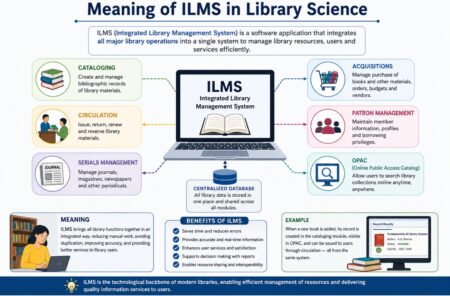
- Online Public Access Catalogue (OPAC): The Online Public Access Catalogue (OPAC) is an essential tool for Readers’ Advisory, acting as the primary gateway to a library’s collection. It enables both librarians and users to search for materials using multiple access points, such as author, title, subject, keywords, and classification numbers. Modern OPAC systems offer more than just basic search functions; they include advanced features like subject linking, tag-based browsing, and recommendation functions. These may include options like “similar titles,” “users also borrowed,” or “related subjects.” Such features allow librarians to quickly identify relevant materials and guide users toward additional reading choices. For instance, when a user searches for a specific novel, the OPAC can help uncover other books in the same genre or thematic category, making it easier for users to expand their reading options.
- Annotated Book Lists and Reading Lists: Annotated book lists are curated collections of titles organized around specific themes, genres, or reader interests, and are accompanied by brief descriptions or annotations. These annotations typically include summaries, reading levels, tones, and key themes, helping users make informed decisions without needing to consult each book individually. Such lists are particularly useful for guiding users who may not be sure what they want to read. Librarians often prepare lists such as “Recommended Books for Beginners,” “Top Inspirational Reads,” or “Contemporary Fiction Highlights.” These lists can be distributed in both print and digital formats and are especially effective in promoting a reading culture, supporting academic reading, and assisting time-constrained users in selecting appropriate materials.
- Bibliographic Databases and Book Discovery Tools: Bibliographic databases and book discovery tools provide extensive information about books and other reading materials. This includes abstracts, subject classifications, author details, and publication information. Many of these resources feature reviews, ratings, and recommendations, which assist librarians in evaluating the suitability of a book for specific users. Additionally, these tools support advanced searching and filtering, enabling librarians to find materials based on criteria such as subject matter, target audience, or publication type. In the context of Readers’ Advisory, these resources are especially valuable for identifying new titles, exploring unfamiliar genres, and keeping up with current publishing trends. By utilizing these databases, librarians can ensure their recommendations are accurate, relevant, and up to date.
- Genre Guides and Subject Pathfinders: Genre guides and subject pathfinders are organized tools designed to help users explore specific areas of reading interest. They typically provide an overview of the genre or subject, key authors, important works, and suggested reading sequences. These guides are particularly useful for those who are new to a genre or wish to delve deeper into it. For example, a “Science Fiction Guide” might introduce subgenres like dystopian fiction or space opera, along with recommended authors and titles. In academic libraries, subject pathfinders may also include scholarly resources, making them valuable for both recreational and academic reading. These tools facilitate independent exploration while also assisting librarians in providing structured recommendations.
- Book Review Sources: Book review sources, including professional journals, magazines, and user-generated platforms, play a crucial role in Readers’ Advisory by providing evaluative information about various reading materials. These reviews typically discuss factors such as writing style, tone, complexity, and target audience, all of which are essential for matching books to readers’ preferences. Librarians depend on these sources to evaluate the quality and relevance of materials before recommending them. For example, a review that describes a book as “fast-paced and suspenseful” can guide a librarian in suggesting it to a user who enjoys thrillers. Both expert reviews and reader feedback contribute to a well-rounded understanding of a book’s appeal.
- Library Websites and Digital Portals: Library websites and digital portals play a crucial role in delivering Readers’ Advisory services online. These platforms often feature curated content such as “Staff Picks,” “New Arrivals,” themed reading lists, and virtual book displays. Users can access recommendations anytime and from anywhere, making advisory services more accessible and convenient. Additionally, digital portals may include search tools, links to e-resources, and personalized recommendation features. By integrating Readers’ Advisory into their websites, libraries extend their reach beyond physical locations and cater to the needs of remote users.
- Social Media Platforms: Social media has become a powerful tool for promoting Readers’ Advisory services and engaging with users in an interactive way. Libraries utilize platforms such as Facebook, Instagram, and Twitter to share book recommendations, reading lists, and literary updates. Posts on these platforms often feature visuals, short descriptions, and user engagement elements like comments and polls, encouraging participation and feedback. This informal and dynamic approach helps libraries connect with a wider audience, especially younger users, and fosters a sense of community around reading. Regular posts such as “Book of the Week” or “Staff Favorites” can significantly enhance user interest and awareness.
- AI-Based Recommendation Systems and Chatbots: Artificial Intelligence (AI) tools, including recommendation systems and chatbots, represent a modern advancement in Readers’ Advisory services. These systems analyze user queries, preferences, and behaviors to generate personalized book suggestions in real time. For instance, chatbots can instantly respond to questions like “Can you recommend books on leadership?” by providing a relevant list of titles. AI-based tools are particularly useful for handling large volumes of queries and offering 24/7 service. However, they are most effective when combined with human expertise to ensure that recommendations remain accurate, meaningful, and context-sensitive.
- Displays and Physical Book Arrangement: Physical displays within libraries play an important role in Readers’ Advisory by capturing user attention and encouraging spontaneous reading choices. Thematic displays, such as “Motivational Books,” “Exam Preparation Resources,” or “New Arrivals,” help users discover relevant materials without needing to actively search. Strategic placement of books, like face-out shelving or highlighted sections, increases visibility and circulation. These visual tools complement digital resources, creating an inviting reading environment that promotes exploration and engagement.
Each of these tools and resources enhances the effectiveness of Readers’ Advisory services by improving accessibility, personalization, and user engagement. When combined thoughtfully, they enable libraries to deliver a comprehensive and dynamic advisory system that meets the diverse needs of modern readers while fostering a strong and sustainable reading culture.
Best Practices for Promoting Readers’ Advisory Services in Libraries
Promoting the Readers’ Advisory Service (RAS) within a library requires a strategic blend of visibility, user engagement, and effective communication to ensure that patrons are aware of and actively utilize the service. One of the most important best practices is to integrate Readers’ Advisory into everyday library interactions. Librarians should proactively offer recommendations during circulation, reference queries, or casual conversations with users. For example, when a student borrows a book, the librarian can suggest similar titles or related resources, naturally embedding advisory services into routine library use. This approach not only increases awareness but also builds trust, encouraging users to seek recommendations in the future.
Another key practice is to create attractive and well-organized promotional displays within the library. Thematic displays, such as “New Arrivals,” “Staff Picks,” and “Exam Preparation Reads,” can capture users’ attention and inspire their reading choices without necessitating direct interaction. Clear signage, visually appealing arrangements, and strategically placed shelves can significantly enhance the visibility of recommended materials. Additionally, libraries should regularly update these displays to reflect current trends, seasonal themes, or academic needs, ensuring that users find the content relevant and engaging.
Digital platforms also play a crucial role in promoting Readers’ Advisory services in modern libraries. Library websites, OPAC systems, and social media platforms can be utilized to share curated reading lists, book reviews, and personalized recommendations. For instance, posting weekly book suggestions on Facebook or maintaining a “Recommended Reads” section on the library website can reach users beyond the physical library space. Furthermore, integrating AI-based chatbots or recommendation features into digital systems allows users to access advisory services at any time, increasing convenience and accessibility. User engagement activities are another effective strategy for promoting RAS. Libraries can organize reading programs, book clubs, author talks, and thematic events that encourage users to explore different genres and share their reading experiences. These activities not only promote the service but also foster a community of readers within the library. For example, a monthly book discussion session can introduce participants to new titles while simultaneously highlighting the role of Readers’ Advisory.
Finally, continuous feedback and staff development are essential for sustaining effective promotion. Libraries should collect user feedback to understand preferences, evaluate the effectiveness of recommendations, and improve service delivery. At the same time, librarians should receive regular training to stay updated with new books, reading trends, and advisory techniques. By combining proactive engagement, visual promotion, digital outreach, and continuous improvement, libraries can effectively promote Readers’ Advisory services and foster a strong, user-centered reading culture.