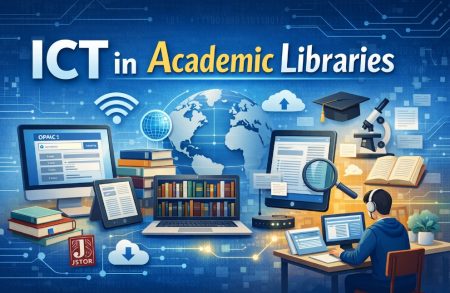
Information and Communication Technology (ICT) has fundamentally transformed how libraries acquire, organize, and manage information resources, replacing slow, paper-based workflows with automated, integrated, and data-driven systems. In traditional libraries, acquisition activities—such as selecting titles, placing orders, recording invoices, and tracking budgets—were handled manually through registers, files, and physical correspondence with vendors. This often resulted in delays, duplicate purchases, and limited financial oversight. In contrast, ICT-enabled acquisition modules in modern library management systems enable libraries to place orders electronically, track fund utilization in real-time, and manage both print and electronic resources within a single platform. For example, academic libraries using automated systems can subscribe to large e-journal packages from publishers and monitor usage statistics instantly, something that was impossible under manual systems.
ICT has also revolutionized the organization of information resources. Traditionally, libraries relied on card catalogues where each book required multiple handwritten or typed cards arranged in cabinets. Updating or correcting records was time-consuming, and users had to be physically present to search for materials. Today, ICT-based cataloguing uses standardized metadata formats and shared bibliographic records, enabling faster and more consistent organization of resources. Online Public Access Catalogues (OPACs) allow users to search by title, author, subject, or keywords from any location. For instance, when a new book is added to the system, it becomes immediately searchable through the OPAC, eliminating the need to create or file physical cards and greatly improving access and discoverability.
In terms of management, ICT has introduced efficiency, accuracy, and analytical capabilities that manual systems lacked. Previously, circulation records, serials checklists, and usage statistics were maintained manually, making it difficult to evaluate collection performance or user demand. Modern ICT-driven systems automatically record borrowing patterns, generate reports, and support evidence-based decision-making. For example, libraries can now identify low-use print journals and replace them with high-demand electronic versions or digitize frequently used materials for easier access. Institutional repositories further demonstrate this shift, as universities manage theses, dissertations, and research outputs digitally, ensuring long-term preservation and global accessibility.
How Has ICT Transformed Traditional Library Services?
Information and Communication Technology (ICT) has brought a fundamental shift in the philosophy and practice of library services. Traditional libraries were largely manual, print-oriented, and dependent on physical presence, which often limited efficiency and accessibility. The integration of ICT has transformed libraries into hybrid and digital knowledge centers, offering faster, more reliable, and user-focused services. Each major area of transformation is discussed in detail below.
- Automation of Library Operations: ICT has automated core library operations such as acquisition, cataloguing, circulation, and serials control, which were previously handled through manual registers and paper files. In traditional systems, routine tasks such as issuing books, recording returns, or tracking overdue items required significant staff time and were prone to human error. With automated library management systems, these processes are now handled electronically, enabling real-time updates, accurate record-keeping, and faster service delivery. Automation has also enhanced accountability and transparency, enabling libraries to track workflows and optimize staff productivity.
- Transformation of Cataloguing and Information Organization: Traditional cataloguing relied heavily on card catalogs, which limited access and required constant physical maintenance. ICT has replaced these systems with digital catalogues and metadata-based organization, making information more searchable and flexible. Online Public Access Catalogues (OPACs) allow users to search collections using multiple access points such as keywords, authors, and subjects. Additionally, ICT enables libraries to adopt standardized metadata and shared cataloguing practices, ensuring consistency and improving interoperability across library systems.
- Improved Access to Information Resources: ICT has eliminated the constraints of time and location that characterized traditional library services. Earlier, users had to visit the library during operating hours to consult printed materials. Today, electronic books, online journals, and digital databases can be accessed remotely at any time. This expanded access has greatly benefited students, researchers, and faculty members by supporting flexible learning, remote research, and uninterrupted academic activities.
- Digitization and Preservation of Resources: In traditional libraries, preservation focused primarily on physical care, which was often insufficient for rare or fragile materials. ICT has enabled libraries to digitize valuable collections, reducing physical handling and ensuring long-term preservation. Digitized materials can be stored securely, backed up, and accessed simultaneously by multiple users. This transformation has not only enhanced preservation strategies but also expanded access to cultural, historical, and scholarly resources.
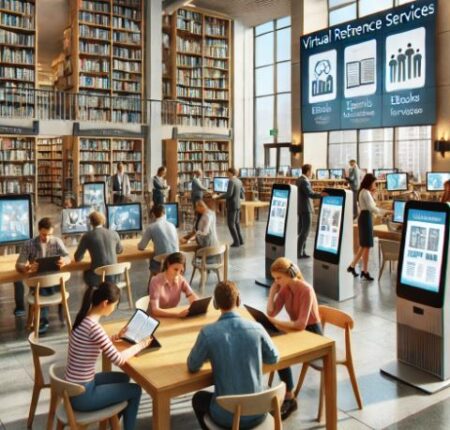
- Modernization of Reference and Information Services: Reference services have evolved significantly due to ICT. Traditionally, reference assistance was provided only through face-to-face interactions at the reference desk. ICT has expanded these services through email, online query forms, and virtual platforms, allowing users to seek help without visiting the library. This modernization has improved response time, extended service coverage, and enabled librarians to provide more specialized and timely research support.
- Efficient Resource Sharing and Networking: Prior to the adoption of ICT, libraries operated largely as independent entities with limited collaboration. ICT has enabled libraries to form networks and consortia that support resource sharing and cooperative collection development. Through shared catalogs and electronic resource agreements, libraries can provide access to a wider range of materials while reducing duplication and costs. This collaborative approach enhances the overall efficiency and sustainability of library services.
- Enhanced User Education and Information Literacy: Traditional user education programs were often limited to orientation sessions conducted within library premises. ICT has expanded these initiatives through online tutorials, digital guides, and recorded workshops that users can access at their convenience. Libraries now play a vital role in developing users’ information literacy, digital skills, and critical evaluation abilities, helping them navigate complex information environments more effectively.
- Data-Driven Library Management: Manual systems provided a limited scope for collecting and analyzing usage data. ICT-based systems automatically generate detailed statistics on circulation, database access, and user behavior. These data support evidence-based decision-making, allowing libraries to evaluate service performance, identify user needs, and allocate resources more effectively. Data-driven management enhances strategic planning and improves service quality.
- Redefinition of the Librarian’s Role: The adoption of ICT has redefined the professional role of librarians. Rather than focusing primarily on routine clerical tasks, librarians now act as information facilitators, digital content managers, and research support specialists. This shift requires continuous skill development in areas such as database searching, digital tools, and user training, reflecting the evolving demands of the modern information landscape.
- User-Centered and Personalized Services: Traditional library services typically followed standardized service models with limited customization options. ICT enables libraries to offer personalized services such as customized alerts, recommended resources, and tailored research assistance. By analyzing user behavior and preferences, libraries can design services that better meet individual needs, thereby increasing user satisfaction and engagement.
ICT has transformed traditional library services by improving operational efficiency, expanding access, enhancing resource management, and strengthening user engagement. While the core mission of libraries remains unchanged, ICT has significantly enhanced their capacity to support education, research, and knowledge dissemination in an increasingly digital world.
In What Ways Has Library Automation Software Transformed Cataloguing, Circulation, and Serials Management?
Library automation software has significantly modernized core library functions by replacing manual, paper-based procedures with integrated, technology-driven workflows. In traditional library environments, cataloguing, circulation, and serials management were handled separately using card catalogs, issue registers, and manual checklists, which were time-consuming and prone to inconsistencies. The introduction of automated library management systems has unified these functions into a single platform, improving accuracy, efficiency, and service quality.
In cataloguing, automation has transformed the creation, organization, and retrieval of bibliographic records. Earlier, cataloguers prepared multiple handwritten or typed catalog cards for each item, and any correction required redoing the entire process. Automation software now enables librarians to create, edit, and reuse standardized bibliographic records using shared databases, ensuring consistency and saving time. Once catalogued, records become instantly searchable through Online Public Access Catalogues (OPACs), allowing users to locate materials quickly using multiple access points such as keywords, subjects, or authors.
Circulation services have also been greatly improved through automation. Traditionally, issuing and returning books required manual entry in registers and physical date stamping, making the process slow and susceptible to errors or record loss. Automated circulation modules now handle checkouts, renewals, reservations, and overdue management electronically. These systems update records in real time, generate automatic reminders, and provide accurate circulation statistics, enabling faster service delivery and better control over library collections.
Serials management, one of the most complex tasks in traditional libraries, has been streamlined through the use of automation software. Manual serials control involved maintaining issue registers, checking physical arrivals, and tracking renewals by hand, often leading to missed issues or delayed claims. Automated serials modules allow libraries to record subscription details, track expected and received issues, generate alerts for missing numbers, and manage renewals systematically. This ensures continuity of journal collections and reduces administrative workload.
How Has the Introduction of OPAC and Web-Based Discovery Tools Replaced or Enhanced Traditional Card Catalog Systems?
The introduction of Online Public Access Catalogues (OPACs) and web-based discovery tools has brought about a fundamental transformation in the way library users search for and access information, effectively overcoming the limitations of traditional card catalog systems. In the manual era, card catalogs served as the primary gateway to library collections, but they were physically restrictive, time-consuming to maintain, and limited in search functionality. Users had to be present in the library, search through drawers of cards, and rely mainly on author, title, or subject headings, which often made information retrieval a slow and frustrating process.
OPACs significantly enhanced this system by converting bibliographic records into digital formats accessible through computers. Unlike card catalogs, OPACs allow users to perform multiple types of searches simultaneously, including keyword, author, title, subject, call number, and even publication year. This flexibility has greatly improved search accuracy and speed. A single record update in an OPAC becomes instantly visible to all users, whereas updating a card catalog requires retyping and refilling multiple cards. As a result, OPACs reduced duplication of work and ensured more accurate and up-to-date catalog information.
Web-based discovery tools have further expanded the capabilities of OPACs by integrating multiple library resources into a single search interface. Traditional card catalogs only represented print holdings within a specific library, but modern discovery tools allow users to search across books, e-books, journals, databases, institutional repositories, and multimedia resources simultaneously. This “one-stop search” approach enhances user experience by presenting results in a unified and user-friendly manner, often with filters for resource type, availability, subject, and publication date.
Another major enhancement is remote accessibility. Card catalogs were confined to the physical library space, limiting access to users who could visit the library in person. In contrast, OPACs and discovery tools are web-based, enabling users to search collections at any time and from anywhere. This feature supports distance learning, off-campus research, and flexible study patterns, making library services more inclusive and accessible. Additionally, OPACs and discovery tools have introduced interactive and user-centered features that were impossible in traditional systems. Users can view item availability in real time, place reservations, renew borrowed items, and receive alerts for new acquisitions. Some systems also offer personalized recommendations, search history, and saved searches, further enhancing engagement and usability.
How Has ICT Improved User Access to Library Resources Beyond Physical Library Boundaries?
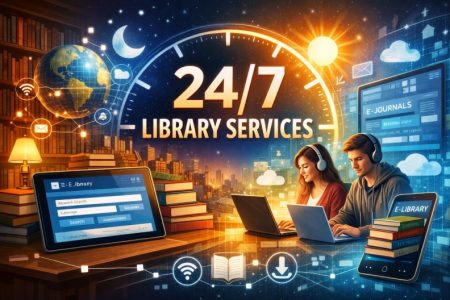
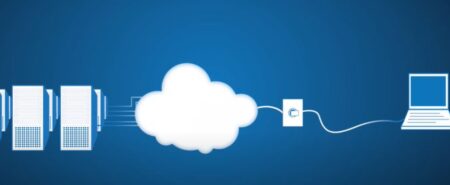
Information and Communication Technology (ICT) has significantly enhanced user access to library resources by eliminating the traditional limitations of physical location and fixed opening hours. In earlier library systems, users were required to be physically present in the library to consult books, journals, and reference materials, which often restricted access for distance learners, off-campus researchers, part-time students, and users with time or mobility constraints. With the integration of ICT, libraries have evolved into virtual information environments where users can access resources and services anytime and from anywhere. The availability of electronic resources, such as e-books, e-journals, and online databases, allows users to retrieve scholarly content remotely using internet-connected devices, significantly increasing convenience and accessibility.
Unlike print materials, which are limited by the number of physical copies, digital resources often support simultaneous access by multiple users, making them particularly effective for large academic communities. ICT has also enabled secure remote authentication systems that allow users to access subscribed library resources from outside campus networks, ensuring uninterrupted support for online learning, research, and academic activities. Furthermore, digital libraries and institutional repositories provide global access to theses, dissertations, research articles, and digitized collections, increasing both accessibility and visibility of scholarly outputs. Web-based services such as Online Public Access Catalogues (OPACs) and discovery tools enable users to search collections, check availability, place reservations, and manage their library accounts without visiting the library building. In addition, ICT-supported communication tools, including email and virtual reference services, allow users to seek professional assistance from librarians remotely.