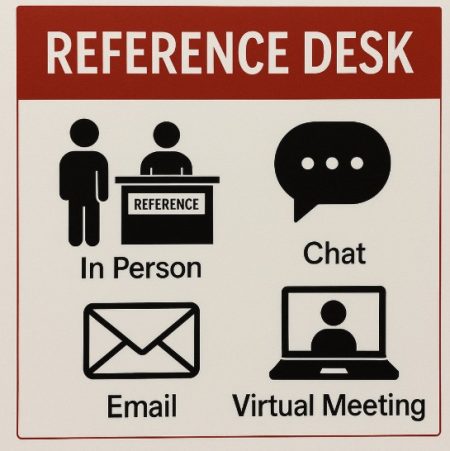
A library reference desk is a central service point where users receive personalized assistance in locating information, understanding resources, and navigating the library’s collections. It serves as the frontline of academic and research support, connecting patrons with the knowledge and guidance they need to solve problems, complete assignments, and pursue independent inquiry. Unlike the circulation desk, which handles borrowing and returning materials, the reference desk focuses on answering questions, providing research strategies, and assisting users in interpreting and evaluating information sources. Reference librarians utilize a wide range of tools, including online databases, catalogs, subject guides, and digital platforms, to provide accurate, timely, and reliable support. In modern libraries, the reference desk has expanded beyond physical interactions to include virtual services via email, chat, and AI-powered systems, ensuring users can access help whenever needed.
What is a Library Reference Desk?
A library reference desk is a dedicated service point where trained librarians provide assistance to users in finding accurate and relevant information. It acts as the heart of user support in any library, helping patrons navigate the vast range of print and digital resources available. For example, a student who needs journal articles for a research paper can approach the reference desk for assistance in searching academic databases, such as JSTOR or Scopus. Unlike the circulation desk, which primarily handles lending and returning books, the reference desk focuses on answering questions, guiding research, teaching database search techniques, and helping users evaluate the credibility of information. If a user is unsure how to cite a source in APA style, reference librarians can provide guidance and demonstrate citation tools, such as Zotero, as an example. They also conduct what is known as a “reference interview” to clearly understand a user’s needs, such as asking follow-up questions when a patron says, “I need information on climate change,” to determine whether they require scientific data, policy reports, or newspaper articles. Using catalogs, subject guides, reference books, and online tools, librarians offer personalized assistance. In today’s digital age, the reference desk extends beyond physical interactions to encompass virtual platforms, including email, chat support, and AI-based services. For instance, many university libraries now provide 24/7 online chat help for students working late at night.
Why Do Libraries Have a Reference Desk?
Libraries have a reference desk to provide users with expert guidance in finding accurate, relevant, and reliable information. While many users come to the library knowing what they want, others need help navigating catalogs, identifying credible sources, or choosing the right database for their research. The reference desk serves as the central point where trained librarians offer personalized support, ensuring that users do not feel overwhelmed by the vast amount of information available. For example, a student struggling to locate peer-reviewed articles on a specific topic can approach the reference desk and receive help in accessing scholarly databases or refining their search keywords. The reference desk also plays a crucial role in teaching information literacy, showing users how to evaluate sources, cite them properly, and utilize digital tools effectively. Additionally, librarians conduct reference interviews to fully understand a user’s needs, which helps them provide more accurate and targeted assistance. Beyond face-to-face interaction, many libraries now extend reference services through email, online chat, and virtual consultations, ensuring continuous support even outside library hours.
How Does a Reference Desk Differ from the Circulation Desk?
In a library, the reference desk and the circulation desk serve two distinct yet complementary purposes, each contributing to the overall user experience in different ways. The reference desk is primarily focused on providing research assistance and helping users locate and evaluate information. It is staffed by trained reference librarians who guide patrons through the process of searching catalogs, exploring academic databases, finding reliable online resources, or understanding how to cite materials properly. For example, if a student needs scholarly articles for a term paper or help refining a research topic, the reference desk is the place to go.
In contrast, the circulation desk handles the operational aspects of library services, such as issuing, renewing, and returning library materials. Staff at the circulation desk assist users with borrowing books, settling fines, updating membership records, and managing reserved or hold items. For instance, a user who wants to check out a novel or return a borrowed textbook would interact with the circulation desk rather than the reference desk.
Another major difference lies in the depth of interaction. Reference desk conversations often involve detailed, personalized guidance, sometimes requiring extended discussions during a reference interview to fully understand a user’s information needs. Circulation desk interactions, however, are usually transactional and brief, focused on completing library-related procedures quickly and efficiently.
Technology also plays different roles in each area. The reference desk frequently uses tools such as online databases, digital repositories, citation managers, and subject guides, while the circulation desk relies on library management systems (LMS) and RFID or barcode systems to track materials. In many academic libraries, self-checkout machines and book return kiosks further support circulation functions, while virtual reference services such as email, chat, and AI chatbots expand the reach of reference services beyond the physical desk.
What Types of Questions Can Be Asked at the Reference Desk?
A reference desk is a vital service point within any library, designed to support users in locating, understanding, and using information effectively. One of its key functions is to provide personalized assistance by answering a wide range of questions, from simple factual queries to complex research challenges. Understanding the types of questions that can be asked at the reference desk helps both users and librarians make the most of this essential service.
- Directional Questions: Directional questions are the simplest type of queries received at the reference desk. These inquiries focus on navigating the library’s physical space or locating specific services.
Examples:-
- “Where is the periodicals section?”
- “On which floor can I find the study rooms?”
- “Where is the printer located?”
Although brief, these questions enhance the user experience by helping patrons navigate the library with confidence.
-
- Factual or Ready-Reference Questions: These questions require quick and accurate answers, often involving factual information. Librarians may consult reference books, online resources, or trusted websites to provide a response.
Examples:-
- “Who wrote The Old Man and the Sea?”
- “What year was this book published?”
- “What is the capital of Bhutan?”
Ready-reference queries are typically concise and do not require in-depth research, but they demand accuracy and reliability.
-
- Research and In-Depth Questions: Research-related inquiries form a core part of reference desk services, especially in academic libraries. These questions demand deeper understanding, critical thinking, and search expertise.
Examples:-
- “How do I find peer-reviewed articles on renewable energy policy?”
- “Can you help me refine my research topic on social media addiction?”
- “Where can I find thesis papers related to marketing?”
Librarians assist users in identifying keywords, selecting databases, and developing effective search strategies.
-
- Database and Search Assistance Questions: With the growth of digital resources, users often approach the reference desk for help navigating online tools and databases.
Examples:-
- “How do I search for articles on JSTOR or Scopus?”
- “How do I filter results to only show peer-reviewed materials?”
- “Can you show me how to use Boolean operators?”
This support helps users build confidence in using electronic resources independently.
-
- Reference Material Questions: Many patrons seek help finding or using specialized reference materials like dictionaries, encyclopedias, atlases, handbooks, and directories.
Examples:-
- “Where can I find a geography atlas?”
- “Do you have a business directory for Bangladesh?”
- “Is there an encyclopedia on environmental science?”
These resources provide foundational information for both academic and personal inquiries.
-
- Citation and Academic Writing Questions: Academic integrity and proper citation are essential in educational environments. Users often depend on reference librarians when they face challenges with citation styles.
Examples:-
- “How do I cite a government website in APA 7?”
- “Can you help me format my reference list?”
- “How do I use Zotero or Mendeley for citation management?”
Librarians guide students in applying correct citation rules and using relevant tools.
-
- Technology and Digital Tools Questions: Libraries increasingly integrate technology into their services, leading users to seek assistance in using devices, software, or online tools.
Examples:-
- “How do I download an article from this database?”
- “Can you help me scan a document?”
- “How do I save a file on Google Drive?”
This type of support ensures that patrons can access digital content efficiently.
-
- Reference Interview Questions: When users are unsure of what they need, librarians conduct a “reference interview” to clarify their information requirements. This involves asking guiding questions to help users express their needs.
Examples:-
- “I need information on water pollution. Can you help me narrow it?”
- “I’m doing a project on climate change; where should I start?”
Reference interviews help users find the most relevant and accurate resources.
-
- Policy and Service-Related Questions: Users often seek clarification on library policies, membership details, or service availability.
Examples:-
- “How many books can I borrow at once?”
- “What are the library’s opening hours?”
- “Do you provide interlibrary loan services?”
Responding to such inquiries ensures smooth and efficient use of library facilities.
-
- Virtual Reference Questions: Many reference desks now extend their services to virtual platforms such as email, live chat, and AI chatbots. Users ask the same types of questions online that they would in person.
Examples:-
- “Can you send me the link to the e-resources portal?”
- “How do I access the library databases from home?”
Virtual reference services provide flexible support for remote users.
-
The reference desk plays a critical role in supporting library users by addressing a wide spectrum of questions from simple directional inquiries to complex research guidance. By offering expert assistance, librarians empower users to navigate information resources confidently, develop strong research skills, and make informed decisions. Understanding the types of questions that can be asked at the reference desk ultimately enhances the effectiveness of library services and improves the overall learning experience for all visitors.