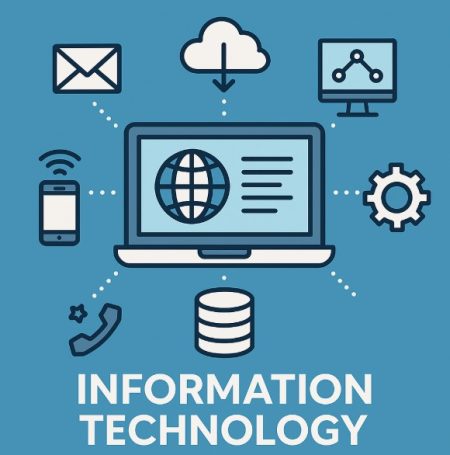
Access to information in the context of modern society refers to the ability of individuals, communities, and institutions to obtain the knowledge, data, and resources they need to make informed decisions, participate in public life, and exercise their rights. Today, information extends far beyond printed books or physical libraries; it includes digital platforms such as online government portals (e.g., applying for national ID services or checking exam results), academic databases (like Scopus or Research4Life for researchers), and public websites that publish health guidelines, transportation schedules, or weather alerts. In daily life, people rely on access to information to choose healthcare services, compare university programs, understand banking processes, or simply learn new skills through online tutorials. This access also plays a crucial role in strengthening democratic participation- for example, citizens can review government budgets, track public projects, or monitor election updates through official transparency websites. However, despite these benefits, modern information access presents challenges, such as the digital divide, where rural students may lack internet connectivity to attend online classes, the spread of misinformation on social media, and privacy concerns when accessing online services.
Is Access to Information a Fundamental Right?
Access to information has become one of the most debated and transformative issues in the modern world. As societies become increasingly interconnected and dependent on digital communication, the ability to obtain accurate, relevant, and timely information is no longer a luxury; it is a necessity. Many scholars, policymakers, and human rights advocates argue that access to information should be viewed as a fundamental right, essential for individual empowerment, social development, and democratic governance. But what does this mean in practice, and why is this right so important?
At its core, the right to access information is rooted in the broader principles of freedom of expression. Article 19 of the Universal Declaration of Human Rights states that every person has the right “to seek, receive, and impart information.” This highlights the idea that information is not just something people receive, but something they actively seek in order to learn, grow, make decisions, and participate in society. Access to information forms the foundation of an informed citizenry; people need knowledge to exercise other rights, from voting and education to healthcare and employment.
In democratic systems, access to information plays a critical role in ensuring transparency and accountability. When citizens have access to information about government activities, such as public spending, development projects, policies, and decision-making processes, they are better equipped to question, evaluate, and influence governance. Many countries have established Right to Information (RTI) or Freedom of Information (FOI) laws that give citizens the legal power to request government-held data. For example, RTI laws have enabled individuals to expose corruption, uncover misuse of public funds, and demand improvements in public services. Such laws strengthen democratic culture by ensuring that power remains in the hands of the people.
Beyond governance, the right to access information supports everyday activities that contribute to personal and community development. Students depend on open access to books, academic articles, online journals, and educational resources to succeed in their studies. Workers rely on updated information regarding job opportunities, labor rights, and skill development programs. Communities use information to make informed decisions about healthcare, environmental issues, financial management, and technological advancements. Libraries, both physical and digital, play a vital role by offering free and equitable access to knowledge resources, helping bridge information gaps within society.
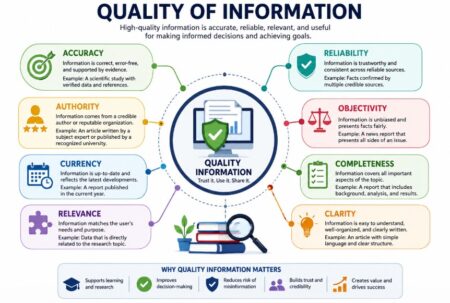
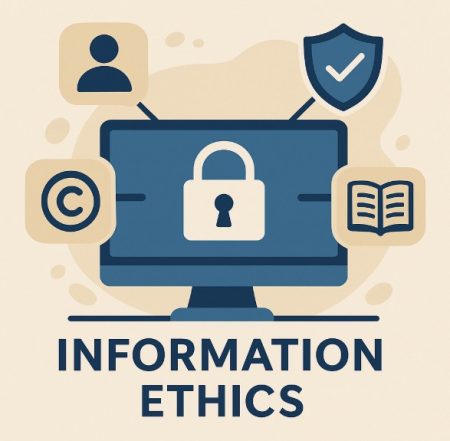
Yet, the realization of this right is not without challenges. Despite advancements in technology, millions of people worldwide still face significant barriers due to limited internet access, a lack of digital literacy, high technology costs, or inadequate educational infrastructure. This “digital divide” restricts the ability of marginalized and rural communities to benefit from information resources. Additionally, concerns about misinformation, disinformation, and data privacy complicate the modern information landscape. Access to information must be balanced with ethical considerations, such as protecting personal data and ensuring that individuals receive reliable, verified content rather than deceptive or harmful sources.
Despite these challenges, recognizing access to information as a fundamental right remains essential for building a fair, informed, and empowered society. When individuals have equal opportunities to learn, question, and engage, societies become more resilient, inclusive, and democratic. Protecting and expanding this right is not only a responsibility of governments but also of educational institutions, libraries, technology providers, and civil society. Ensuring universal access to information means investing in digital infrastructure, promoting literacy, safeguarding data privacy, and encouraging transparency across all sectors.