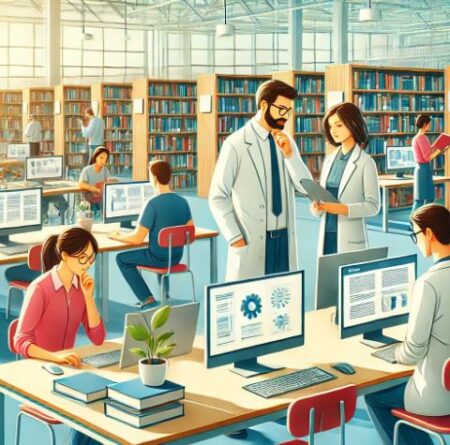
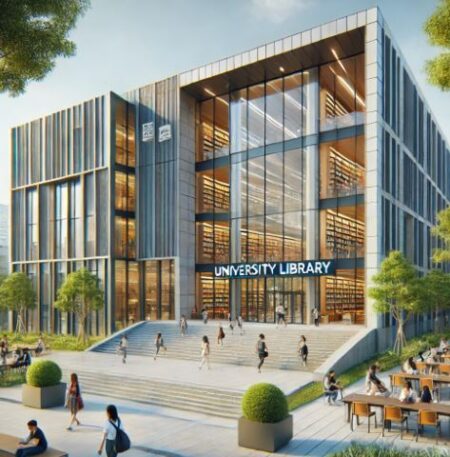
A library is a structured hub of knowledge and information, designed to collect, organize, preserve, and provide access to a wide range of resources for learning, research, and personal growth. Traditionally, libraries house physical collections such as books, journals, magazines, and newspapers-for example, a university library may maintain thousands of textbooks and scholarly journals to support academic programs. Modern libraries, however, have evolved into hybrid spaces that integrate digital technologies, offering e-books, online journals, subscription-based databases like JSTOR or ScienceDirect, and multimedia resources such as educational videos or audiobooks. Beyond serving as a repository, libraries function as dynamic learning environments, featuring quiet study zones, group discussion rooms, and digital labs equipped with computers or makerspaces with 3D printers to cater to different user needs. They also provide access to OPAC systems (Online Public Access Catalogues), enabling users to search and reserve materials remotely. Furthermore, libraries play a critical role in promoting information literacy, offering training sessions on referencing tools like EndNote or Mendeley, and workshops on plagiarism awareness. By combining traditional and modern services, libraries ensure that knowledge remains accessible, inclusive, and relevant for students, researchers, and the community in an ever-changing digital world.
The Key Components of a Library
Modern libraries have transformed from traditional book repositories into dynamic learning ecosystems that blend physical resources, digital technologies, skilled personnel, and user-oriented services. This evolution is driven by the growing demand for access to information anytime and anywhere, as well as the changing learning habits of users. The primary components of a modern library can be grouped into physical infrastructure, collections, technology, human resources, and services, each of which plays a vital role in creating a holistic user experience.
- Physical Infrastructure: The physical infrastructure of a library forms the foundation for its operations. Modern libraries are designed to provide zoned spaces for diverse activities, such as quiet reading rooms for individual study, collaborative spaces for group projects, multimedia rooms for digital content creation, and makerspaces equipped with innovative tools like 3D printers. Public libraries often include children’s sections with interactive learning materials, while academic libraries provide seminar rooms and research carrels for advanced learners. Accessibility is also a key consideration, with features such as ramps, elevators, and ergonomic furniture ensuring inclusivity for people with disabilities. A well-planned layout, combined with adequate lighting, soundproofing, and comfortable seating, enhances the overall user experience and encourages longer visits.
- Collections: Print and Digital- Collections are the core of any library. Traditionally, libraries housed books, newspapers, periodicals, and rare manuscripts, organized using standard classification systems like Dewey Decimal or Library of Congress Classification to make retrieval easier. However, the digital revolution has expanded the scope of collections to include e-books, online journals, electronic theses, and multimedia resources such as audiobooks, educational videos, and podcasts. Academic libraries now subscribe to online databases such as JSTOR, ScienceDirect, and ProQuest, giving students and researchers access to scholarly content worldwide. Many libraries also provide access to institutional repositories where research papers, theses, and dissertations are archived digitally. This combination of print and digital resources ensures that libraries cater to both traditional readers and digital-native users.
- Technology and Digital Access: Technology is at the heart of a modern library’s operations. One of the most critical tools is the Online Public Access Catalogue (OPAC), which allows users to search for and reserve books online. Advanced libraries use RFID technology for self-checkout and anti-theft security, reducing wait times at circulation desks. High-speed Wi-Fi connectivity, computer labs, and printing/scanning stations are standard features that support academic and personal work. Remote access services, such as OpenAthens or proxy servers, enable users to access e-resources from outside the campus, which is particularly essential for distance learners and researchers working off-site. Some libraries also include makerspaces, offering tools like 3D printers, audio-video editing software, and virtual reality kits, promoting creativity and innovation.
- Human Resources: Despite technological advancements, human resources remain a critical component of modern libraries. Librarians are no longer just custodians of books; they are information specialists and technology facilitators. Their responsibilities include curating collections, teaching information literacy, guiding users in research, and providing assistance in citation management tools like EndNote, Mendeley, or Zotero. Many academic libraries offer one-on-one research consultations, helping students refine their search strategies and avoid plagiarism. Staff training is essential to keep pace with technological developments and evolving user expectations. Well-trained personnel ensure smooth library operations and deliver personalized services that technology alone cannot achieve.
- Services and Programs: Modern libraries provide a wide array of services beyond lending books. These include reference services, interlibrary loans, and remote assistance through chat or email. Libraries also conduct orientation programs, workshops on database searching, and seminars on academic integrity for students and researchers. Public libraries often focus on community engagement, hosting events like reading clubs, author meet-ups, coding workshops for children, and digital literacy classes for seniors. Such services strengthen the library’s role as a hub of lifelong learning and community development. Furthermore, academic libraries support research by offering plagiarism detection tools like Turnitin, thesis formatting assistance, and research data management guidance.
The primary components of a modern library illustrate its transformation into a multi-functional knowledge hub. A well-designed physical space, combined with diverse collections, cutting-edge technology, professional staff, and innovative programs, ensures that libraries remain relevant in the digital era. By integrating these components, modern libraries support not only academic excellence but also personal development, creativity, and social engagement—cementing their role as an indispensable part of society.
How Do Traditional and Digital Components of a Library Complement Each Other?
Modern libraries have evolved from being traditional book repositories into dynamic knowledge hubs that blend the strengths of physical and digital resources. Traditional print collections such as books, journals, newspapers, and archival materials remain vital for users who value the tactile reading experience and for disciplines that require original formats, like art, history, and law. Rare manuscripts and first editions, for example, provide unique historical and cultural value that digital copies cannot fully replicate. At the same time, digital resources such as e-books, online journals, and databases like JSTOR and ScienceDirect complement these physical materials by offering accessibility and convenience. Users can now access scholarly resources anytime, anywhere, without being restricted by geography or library hours.
This integration also caters to diverse learning preferences. Physical resources support deep reading, critical thinking, and annotation, which are essential for subjects like literature and philosophy. Conversely, digital platforms provide interactive features such as hyperlinks, multimedia integration, and advanced search tools, making them ideal for quick referencing and research. A student working on a project might rely on printed books for detailed analysis while using digital citation tools or online databases for the latest scholarly articles. Together, these resources ensure a richer and more versatile learning experience.
Another area where traditional and digital components complement each other is information discovery. Physical materials are organized through systematic classification methods like Dewey Decimal or Library of Congress Classification, enabling structured browsing. Digital tools such as Online Public Access Catalogs (OPACs) enhance this process by offering keyword searches, real-time availability updates, and integrated access to both print and electronic resources. Users can search, reserve, and even download resources with ease, creating a seamless research experience.
Digital technologies also address preservation challenges faced by physical collections. Rare and fragile resources can be digitized to ensure their longevity while making them available to a global audience. Libraries are increasingly creating digital archives for theses, manuscripts, and historical newspapers, reducing physical wear and optimizing storage space. Resource-sharing systems like interlibrary loans also benefit from digital integration, enabling libraries worldwide to collaborate and provide broader access to materials.
Modern libraries further integrate these components through hybrid services. Information literacy programs now teach users how to evaluate both print and digital sources, while library spaces combine traditional reading areas with computer labs and makerspaces. Digital reference services guide users in navigating e-resources and databases, complementing traditional research support. This approach not only improves accessibility but also encourages innovation and creativity.
How Do Different Zones Enhance Library Usability?
Modern libraries are no longer just silent rooms filled with shelves of books; they are vibrant, multifunctional environments designed to cater to diverse user needs. Zoning-a strategic division of library space into functional areas—has become a core element in improving usability and overall user experience. The most common zones include quiet areas, collaborative spaces, and makerspaces, each serving a distinct purpose while collectively transforming the library into a dynamic knowledge hub. Here’s how these zones enhance usability in today’s libraries:
- Quiet Areas: Supporting Focused Study and Reflection
Quiet zones are essential for users who require an environment conducive to concentration, deep reading, and uninterrupted study. These areas often feature comfortable seating, adequate lighting, and soundproofing measures to create a serene atmosphere. For example, students preparing for exams or researchers analyzing complex materials rely on these spaces for sustained focus. The presence of silent areas acknowledges the traditional role of the library while adapting it to modern expectations for personal space and mental well-being. - Collaborative Spaces: Encouraging Group Work and Knowledge Sharing
In contrast to quiet zones, collaborative spaces are designed to foster interaction, teamwork, and creative thinking. Equipped with flexible furniture, whiteboards, and digital display screens, these areas allow users to engage in group discussions, project work, and brainstorming sessions. Many academic libraries integrate technology in these spaces, providing Wi-Fi, power outlets, and video conferencing tools to support blended learning. By enabling collaboration, libraries extend their function beyond resource provision to become active facilitators of peer learning and innovation. - Makerspaces: Driving Creativity and Hands-On Learning
Makerspaces represent the most progressive aspect of modern library zoning. These zones provide access to tools and technologies such as 3D printers, laser cutters, robotics kits, and multimedia production software, empowering users to create, experiment, and innovate. Makerspaces bridge the gap between theoretical knowledge and practical application, making libraries central to experiential learning. For instance, students in engineering programs can prototype designs, while artists can explore digital media projects. These spaces also attract community members interested in DIY projects, entrepreneurship, or digital literacy training.
Why Zoning Matters?
The introduction of multiple zones within a library reflects the shift from a single-purpose reading hall to a multifunctional learning ecosystem. Each zone addresses a specific user need—whether it’s quiet for concentration, collaborative settings for social learning, or hands-on environments for creativity—thus accommodating diverse learning styles. This approach enhances user satisfaction, optimizes space utilization, and positions libraries as inclusive, future-ready institutions that support education, research, and innovation.
Zoning transforms libraries into dynamic spaces that meet the demands of a modern knowledge society. Quiet areas uphold the traditional value of focused study, collaborative zones promote teamwork and communication, and makerspaces foster creativity and technological literacy. Together, these zones make libraries more versatile, user-friendly, and relevant in the digital age, ensuring they remain vital learning hubs for students, professionals, and the wider community.