An Anti-Disinformation Campaign is a coordinated effort designed to counter the spread of false or deliberately misleading information, also known as disinformation. These campaigns aim to educate the public, promote critical thinking, and equip individuals with tools to identify and combat fake news. With the rise of digital communication and social media, disinformation has become a significant challenge, influencing public opinion, sowing distrust, and undermining democratic processes.
Anti-disinformation campaigns use a variety of strategies, such as fact-checking, partnerships with media platforms, and awareness drives, to address the sources and impacts of disinformation. By fostering media literacy and encouraging responsible information sharing, these campaigns play a crucial role in safeguarding truth, protecting public trust, and ensuring informed decision-making in society.
What is an Anti-Disinformation Campaign?
An anti-disinformation campaign is a strategic initiative designed to combat the spread of false or deliberately misleading information, commonly referred to as disinformation. These campaigns play a crucial role in addressing the growing challenge of misinformation in today’s digital age, where social media and online platforms have amplified the speed and scale at which false information can circulate. Disinformation can have far-reaching consequences, from influencing public opinion and elections to undermining public health initiatives and eroding trust in institutions. An anti-disinformation campaign seeks to mitigate these impacts by raising public awareness, promoting critical thinking, and empowering individuals to identify and challenge false narratives.
Key components of such campaigns often include fact-checking, media literacy education, and partnerships with technology platforms to flag and reduce the visibility of misleading content. These efforts also involve advocacy for responsible information sharing, encouraging people to verify the accuracy of content before sharing it online. Furthermore, anti-disinformation campaigns frequently engage stakeholders such as governments, journalists, educators, and civil society organizations to create a unified approach to addressing this global issue. By focusing on proactive measures and fostering a culture of accountability, these campaigns aim to protect public trust, safeguard democratic processes, and ensure that accurate information prevails in shaping societal decisions.
Why Anti-Disinformation Campaigns are Important?
Anti-disinformation campaigns are essential because they address one of the most pressing challenges of the digital age: the widespread dissemination of false and deliberately misleading information. Disinformation poses a significant threat to public trust, democratic systems, and societal harmony. When false narratives gain traction, they can influence elections, incite social unrest, undermine public health initiatives, and erode trust in institutions such as governments, media, and scientific organizations. Anti-disinformation campaigns play a pivotal role in countering these risks by educating the public about the dangers of disinformation, promoting critical thinking, and empowering individuals to discern credible information from falsehoods.
These campaigns are also crucial for safeguarding democratic processes. In an era where disinformation is used as a tool to manipulate public opinion and polarize societies, ensuring that citizens have access to accurate and reliable information is fundamental to fair and informed decision-making. By promoting media literacy and encouraging responsible information sharing, anti-disinformation campaigns help create a more informed public that is less susceptible to manipulation.
Anti-disinformation campaigns foster collaboration among key stakeholders, including governments, technology companies, educators, and civil society. This united effort is essential for tackling the root causes of disinformation and addressing the systemic issues that allow it to spread. Ultimately, these campaigns are not just about correcting falsehoods; they are about protecting the principles of truth, trust, and accountability that are the foundation of any stable and resilient society. In combating disinformation, these campaigns ensure that facts, not falsehoods, guide public discourse and decision-making.
How does an anti-disinformation campaign differ from a general awareness campaign?
An anti-disinformation campaign and a general awareness campaign differ primarily in their focus, objectives, strategies, and target outcomes.
| Aspect | Anti-Disinformation Campaign | General Awareness Campaign |
|---|---|---|
| Focus | Specifically, it targets false or misleading information (disinformation), addressing its sources, methods of spread, and impact. It aims to counteract the intentional or unintentional dissemination of false narratives. | Broadly aims to inform or educate the public about a specific issue or cause, such as public health, environmental conservation, or social rights, without necessarily addressing the accuracy or veracity of competing narratives. |
| Objectives | Seeks to identify, debunk, and prevent the spread of disinformation while promoting media literacy and critical thinking. Its goal is to reduce the influence of falsehoods and restore trust in credible information. | Focuses on raising awareness, educating the public, and encouraging specific actions or behavior changes related to a cause, without directly engaging with misinformation or countering false narratives. |
| Strategies | Often involves fact-checking, flagging false information, collaborating with media platforms to reduce the visibility of disinformation, and educating individuals on recognizing and avoiding fake news. | Relies on communication strategies like advertisements, outreach programs, or community engagement to spread information and inspire action, typically without addressing competing or misleading claims. |
| Target Outcomes | Aims to create a more discerning and media-literate public that can identify and reject false information. It seeks to reduce the spread and impact of disinformation in society. | Seeks to inform or inspire action regarding a particular issue, such as adopting healthier lifestyles, supporting a policy change, or contributing to a cause. |
| Example | An anti-disinformation campaign about vaccines would focus on debunking myths, fact-checking claims, and educating people on identifying credible medical sources. | A general awareness campaign about vaccines would emphasize the benefits of vaccination and encourage people to get vaccinated without necessarily addressing misinformation. |
Anti-disinformation campaigns are more targeted at addressing and neutralizing the harm caused by false information, whereas general awareness campaigns are broader and aim to promote understanding or action on a given topic.
What Are the Main Objectives of an Anti-Disinformation Campaign?
In an age where information travels faster than ever, spreading false or deliberately misleading content—known as disinformation—has become a significant challenge. From undermining public trust to influencing elections and endangering public health, disinformation can have severe consequences for individuals, communities, and entire nations. To counter this threat, anti-disinformation campaigns have emerged as critical tools in promoting truth and safeguarding the integrity of information. But what are the primary objectives of these campaigns? Let’s explore their key goals.
- Countering False Narratives: One of the primary objectives of an anti-disinformation campaign is to identify and combat false narratives. Disinformation often exploits emotions, biases, and sensationalism to spread quickly and widely. These campaigns focus on debunking such falsehoods by providing fact-checked, accurate information to the public. By doing so, they help reduce the influence of disinformation and correct widespread misconceptions.
For example, during the COVID-19 pandemic, numerous campaigns worked tirelessly to debunk myths about vaccines and provide scientifically backed information to combat vaccine hesitancy. - Raising Awareness About Disinformation: Educating the public about the existence and dangers of disinformation is another crucial goal. Many people may not realize how easily false information can infiltrate their daily lives or understand the motives behind its creation, such as political agendas, financial gain, or sowing division. These campaigns empower individuals to recognize and reject disinformation by raising awareness, making them less susceptible to manipulation.
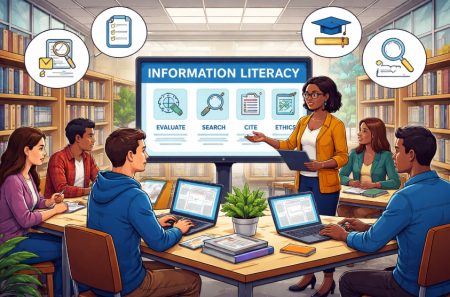
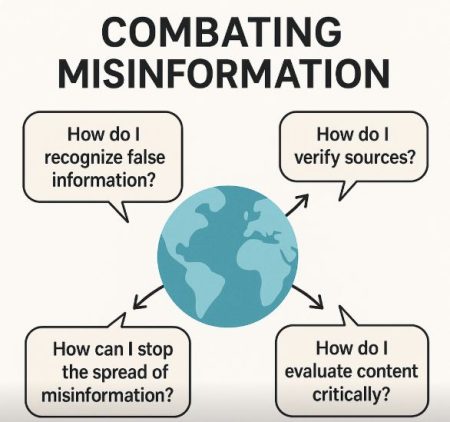
- Promoting Media Literacy: Media literacy is a cornerstone of any effective anti-disinformation campaign. These initiatives aim to teach individuals how to critically evaluate the credibility of information and sources. Skills such as identifying bias, verifying facts, and recognizing sensationalism are essential for navigating today’s information landscape.
For instance, workshops, online resources, and school programs often focus on teaching people how to verify news, cross-check sources, and use fact-checking tools. A media-literate public is better equipped to question dubious claims and avoid amplifying false information. - Encouraging Responsible Information Sharing: In the digital age, where a single click can spread information to thousands, responsible sharing is more important than ever. Anti-disinformation campaigns advocate for ethical online behavior, encouraging individuals to pause and verify information before sharing it. By promoting this mindset, these campaigns aim to reduce the unintentional spread of disinformation, which often happens when people share content without fact-checking it.
- Restoring Trust in Credible Sources: Disinformation often targets reputable institutions, experts, and media outlets to erode public trust. Anti-disinformation campaigns work to rebuild this trust by showcasing the reliability, transparency, and accountability of credible sources. By strengthening public confidence in these institutions, the campaigns help ensure that accurate information remains a trusted resource.
- Mitigating Social and Political Harm: Disinformation can have far-reaching consequences, from deepening societal divisions to influencing political outcomes. Anti-disinformation campaigns aim to minimize these impacts by addressing the root causes and preventing the escalation of false narratives. Whether it’s tackling disinformation about elections, climate change, or public health, these campaigns play a vital role in maintaining social cohesion and stability.
- Collaborating with Stakeholders: Combating disinformation is not a one-person job; it requires a collaborative effort. Anti-disinformation campaigns often involve partnerships between governments, social media platforms, educators, journalists, and civil society organizations. These collaborations help create a unified approach to detecting, flagging, and reducing the spread of false information. For example, social media platforms might integrate fact-checking systems and algorithms to reduce the visibility of disinformation.
- Building Resilience Against Future Disinformation: Beyond addressing current issues, anti-disinformation campaigns aim to create a resilient public that can withstand future waves of false information. This involves fostering a culture of skepticism and inquiry, encouraging individuals to question and verify information before accepting it as truth. By building this resilience, these campaigns ensure that societies are better prepared to counter evolving disinformation tactics.
The objectives of an anti-disinformation campaign go far beyond simply debunking falsehoods. They encompass a comprehensive strategy to educate, empower, and protect the public while fostering a culture of truth, trust, and accountability. From promoting media literacy to mitigating social harm and building resilience, these campaigns play an essential role in preserving the integrity of information in an increasingly complex digital world. As disinformation continues to evolve, so too must the efforts to combat it—ensuring that truth prevails in the fight against falsehoods.
Why Do Societies Need Anti-Disinformation Campaigns?
Societies need anti-disinformation campaigns to combat the growing threat posed by the deliberate spread of false or misleading information. Disinformation undermines trust in institutions, disrupts social cohesion, and can have severe consequences for public health, democracy, and economic stability. In today’s digital age, where information spreads rapidly through social media and other online platforms, false narratives can influence public opinion, incite division, and manipulate individuals into making decisions based on misinformation. Anti-disinformation campaigns work to address these challenges by raising awareness about the dangers of disinformation, promoting critical thinking, and encouraging the responsible sharing of accurate information.
A significant reason for these campaigns is their role in safeguarding democracy. Disinformation often targets elections, policies, and political systems, misleading voters and polarizing societies. Without access to accurate information, citizens cannot make informed decisions, jeopardizing the integrity of democratic processes. Similarly, in the realm of public health, disinformation about topics such as vaccines or treatments can erode trust in science and healthcare systems, leading to harmful consequences for individuals and communities. Anti-disinformation campaigns help counter these threats by debunking myths and promoting evidence-based knowledge.
These campaigns foster long-term societal resilience by equipping individuals with the tools to critically evaluate information. Promoting media literacy empowers people to discern credible sources, verify facts, and resist manipulation. This is especially crucial in a digital landscape where disinformation is not only prevalent but often intentionally crafted to exploit emotions and biases. Anti-disinformation campaigns also play a crucial role in addressing the broader impacts of disinformation, such as its use in geopolitical conflicts to destabilize nations or its economic effects on businesses and consumer trust.
Anti-disinformation campaigns are vital for preserving truth, trust, and informed decision-making in society. They address the immediate harm caused by false narratives while laying the groundwork for a more informed and resilient public. As disinformation tactics continue to evolve, these campaigns will remain a critical tool in protecting the foundations of a cohesive and functional society.
Who Benefits from the Success of Anti-Disinformation Campaigns, and How?
The success of anti-disinformation campaigns benefits many stakeholders, creating a ripple effect that strengthens individuals, institutions, and societies. At the individual level, people gain access to accurate and reliable information, enabling them to make informed decisions in critical areas such as healthcare, voting, and financial planning. Anti-disinformation efforts empower individuals to recognize and reject false narratives, reducing their vulnerability to manipulation and fostering confidence in their ability to navigate complex information landscapes.
Communities also reap significant benefits as these campaigns address false narratives that fuel division and discrimination. By promoting truth and understanding, anti-disinformation efforts enhance social cohesion and reduce the likelihood of conflicts sparked by misinformation. Governments benefit by preserving the integrity of democratic processes as campaigns counter election-related disinformation and build public trust in institutions. Accurate information during public health crises, for instance, ensures better compliance with measures designed to protect citizens and reduce strain on healthcare systems.
Businesses and economies stand to gain as well, as anti-disinformation campaigns protect brands from reputational harm caused by false claims and stabilize markets by reducing misinformation-driven volatility. Media outlets and journalists benefit from restored credibility, as efforts to counter fake news highlight the importance of reliable reporting. On a broader scale, societies become more resilient to threats like geopolitical manipulation and cyber-attacks, fostering global stability and collaboration.
Finally, future generations benefit from the foundational changes these campaigns bring. By promoting critical thinking, media literacy, and accountability, anti-disinformation campaigns help cultivate a culture of truth and informed decision-making. This not only addresses current challenges but also ensures long-term societal stability and progress in a world increasingly shaped by digital communication. In essence, the success of anti-disinformation campaigns supports a more informed, united, and empowered society.
What Strategies Are Typically Used in Anti-Disinformation Campaigns to Identify and Counter False Information?
The rapid spread of disinformation-deliberately false or misleading information—has become a significant challenge in today’s interconnected world. From influencing elections to undermining public health efforts, disinformation can cause widespread harm. Anti-disinformation campaigns play a critical role in addressing this issue by employing targeted strategies to identify and counter false narratives. Here are some of the most effective and commonly used approaches.
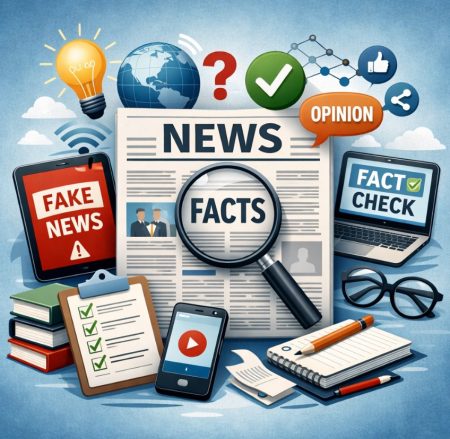
- Fact-Checking and Verification: Fact-checking lies at the heart of any anti-disinformation campaign. Professional fact-checking organizations such as Snopes, PolitiFact, and FactCheck.org analyze claims circulating online and in the media to determine their accuracy. These organizations often work in real-time to verify news stories, debunk viral falsehoods, and provide the public with corrected information. Timely fact-checking minimizes the spread and impact of false narratives by ensuring accurate information reaches audiences quickly.
- Collaboration with Technology Platforms: Social media platforms are often the primary channels for spreading disinformation. To counter this, anti-disinformation campaigns collaborate with platforms like Facebook, Twitter, and YouTube to detect and limit the visibility of false content. Platforms use AI-powered algorithms to identify patterns of disinformation, such as coordinated bot activity or fake accounts, and flag or remove misleading content. Additionally, features such as content labeling and reduced visibility in search results help limit the reach of disinformation.
- Promoting Media Literacy: Media literacy education is a powerful tool in the fight against disinformation. By teaching individuals how to critically evaluate information and recognize bias, campaigns empower people to become more discerning consumers of content. Schools, non-governmental organizations, and governments often host workshops, create educational materials, and promote fact-checking tools to enhance media literacy. Interactive resources like online games and simulations further engage users in learning how to identify and counter disinformation.
- Public Awareness Campaigns: Public awareness campaigns use various communication strategies to inform people about the dangers of disinformation and how to combat it. These campaigns leverage social media, television, and print media to disseminate accurate information and provide practical tips for spotting fake news. Partnering with trusted public figures, such as scientists, journalists, and community leaders, adds credibility to these campaigns and amplifies their reach.
- Crowdsourcing and Community Engagement: Crowdsourcing strategies encourage individuals to report suspicious content or participate in collaborative fact-checking initiatives. Online communities, such as specialized forums or platforms like Reddit, often work together to analyze and debunk false claims. This approach leverages collective intelligence, making it easier to identify and address disinformation on a broader scale.
- Tracing and Exposing Sources: Disinformation campaigns often rely on anonymous or coordinated efforts, such as bot networks or fake social media accounts. Anti-disinformation efforts use digital forensic tools to trace the origins of false information, identify its sources, and expose its motives. By shining a light on the creators of disinformation, campaigns can discredit their content and reduce its effectiveness.
- Counter-Narratives: Rather than merely debunking false information, many campaigns proactively create counter-narratives that provide accurate and compelling alternatives. These narratives are often tailored to specific audiences or regions to ensure they resonate with their intended targets. For example, during public health crises, counter-narratives might focus on sharing personal stories or expert testimonials that highlight the importance of vaccines or other preventive measures.
- Regulatory and Policy Measures: Governments play a key role in combating disinformation by enacting policies that promote transparency and accountability. For example, platforms may be required to label political ads or disclose the sources of content. Some governments have also introduced laws to penalize those who spread malicious disinformation, creating legal deterrents against such behavior.
- Psychological and Behavioral Strategies: Understanding how people process information is crucial in combating disinformation. Campaigns use techniques such as “prebunking,” which involves educating people about common disinformation tactics before they encounter false claims. Behavioral nudges, such as prompts that encourage users to verify content before sharing it, have also proven effective in reducing the spread of misinformation.
- Global Partnerships and Collaboration: Disinformation is often a global issue requiring cross-border cooperation. International organizations like the International Fact-Checking Network (IFCN) bring together fact-checking groups, NGOs, and governments to share best practices and resources. Collaborative efforts ensure that disinformation campaigns targeting specific regions or global events are tackled comprehensively.
Anti-disinformation campaigns employ a multifaceted approach to tackle the complex and evolving challenges posed by false information. From fact-checking and media literacy to leveraging technology and promoting counter-narratives, these strategies work together to protect truth and empower individuals. As the tactics used by disinformation creators continue to adapt, anti-disinformation campaigns must also evolve, ensuring societies remain resilient and well-informed in the face of ever-changing threats.
How Do Anti-Disinformation Campaigns Use Technology to Verify and Promote Accurate Information?
In the digital age, technology has become both a facilitator of disinformation and a crucial tool in combating it. Anti-disinformation campaigns leverage various technological solutions to identify false information, verify facts, and promote accurate narratives. These tools and methods help campaigns operate at the speed and scale necessary to counter the rapid spread of disinformation. Here’s how technology is used in these efforts:
- Artificial Intelligence and Machine Learning: Artificial Intelligence (AI) and machine learning are at the forefront of identifying disinformation. These technologies can analyze vast amounts of data to detect patterns indicative of coordinated disinformation efforts.
- Pattern Recognition: AI algorithms identify suspicious behaviors, such as repetitive sharing by bots or networks of fake accounts.
- Content Verification: Machine learning systems cross-check claims against databases of verified facts, flagging potential inaccuracies.
- Real-Time Monitoring: AI-powered tools continuously scan social media and news outlets to detect and alert campaigns about viral disinformation.
For example, platforms like Twitter use AI to identify and label manipulated media, helping users discern truth from falsehood.
- Fact-Checking Tools: Fact-checking is a cornerstone of anti-disinformation efforts, and technology has streamlined this process.
- Automated Fact-Checking: Tools like ClaimReview and FactStream automate the comparison of claims against verified databases, saving time and increasing accuracy.
- Crowdsourced Verification: Platforms like Factmata allow communities to collaborate on verifying information, combining human judgment with technological efficiency.
- Browser Extensions: Plugins such as NewsGuard provide users with credibility ratings for websites, helping them evaluate the trustworthiness of their information sources.
These tools make fact-checking accessible to both professionals and everyday users.
- Data Visualization and Disinformation Mapping: Visualization tools help anti-disinformation campaigns uncover and explain the pathways of false narratives.
- Disinformation Mapping: Tools like Graphika map how disinformation spreads across networks, identifying its origins and key nodes of dissemination.
- Source Analysis: Data visualization highlights patterns in how disinformation circulates, making it easier to trace and counter.
By visually representing the impact of disinformation, campaigns can better communicate the scope of the problem to the public.
- Social Media Monitoring and Content Moderation: Social media is a primary battleground for disinformation, and monitoring tools help campaigns track and respond to it effectively.
- Trend Analysis: Platforms like Brandwatch monitors trending topics and hashtags to identify emerging disinformation narratives.
- Flagging and Labeling: Social media companies use algorithms to flag questionable content, adding warnings or reducing its visibility to limit its spread.
These efforts, combined with human moderation, ensure that platforms are less hospitable to false information.
- Blockchain Technology: Blockchain offers a novel way to verify the authenticity of information and combat manipulation.
- Source Authentication: Blockchain can track the origins of content, ensuring that it has not been altered or falsified.
- Digital Provenance: Campaigns use blockchain to maintain transparent records of information, enhancing trust in verified content.
This technology is particularly useful for verifying multimedia content, such as photos and videos.
- Deepfake Detection: Deepfakes—manipulated videos or images—are a growing concern in the disinformation landscape. Anti-disinformation campaigns use advanced tools to combat this threat.
- AI Detection: Tools like Microsoft’s Video Authenticator analyze visual and audio files to detect deepfake content.
- Watermarking: Digital watermarking technology is used to verify the authenticity of original media.
These tools help ensure that manipulated content doesn’t undermine trust in legitimate information.
- Prebunking and Gamification: Technology also helps educate the public about disinformation through prebunking—exposing them to disinformation tactics before they encounter false narratives.
- Interactive Games: Platforms like “Bad News” and “Fakey” teach users how disinformation works by simulating the tactics used by bad actors.
- Behavioral Nudges: Social media platforms integrate prompts that encourage users to verify content before sharing, promoting thoughtful online behavior.
These techniques build long-term resilience against disinformation.
- Search Engine Optimization (SEO) for Accuracy: Search engines play a key role in shaping what information people see first.
- Prioritizing Credible Sources: Anti-disinformation campaigns work with search engines to ensure that verified and credible content appears at the top of search results.
- Demoting False Content: Algorithms are adjusted to reduce the visibility of known disinformation sites, limiting their reach and influence.
By shaping search engine behavior, campaigns make it easier for users to find trustworthy information.
- Public Education Tools: Technology-driven educational resources empower individuals to identify and reject disinformation.
- Fact-Checking Apps: Mobile apps provide quick access to verification tools and tutorials on evaluating information credibility.
- Real-Time Alerts: Campaigns use technology to send alerts about trending disinformation, keeping the public informed about ongoing threats.
These resources enhance individual awareness and contribute to a more discerning public.
Anti-disinformation campaigns rely on technology to navigate the fast-paced and complex world of digital communication. From AI-powered analysis and blockchain authentication to gamification and educational tools, technology enables campaigns to identify false information, verify facts, and promote accuracy at scale. As disinformation tactics evolve, the continued development and application of these technologies will remain essential to safeguarding truth and fostering informed societies. By leveraging the power of technology, anti-disinformation campaigns ensure that credible information can prevail in the fight against falsehoods.
What Role Does Collaboration Between Governments, NGOs, and Private Companies Play in the Success of Anti-Disinformation Campaigns?
Collaboration between governments, non-governmental organizations (NGOs), and private companies plays a pivotal role in the success of anti-disinformation campaigns by combining their unique strengths and resources to address complex and evolving challenges. Governments provide regulatory frameworks, public accountability, and enforcement mechanisms to counter disinformation effectively. Through intelligence and policy development, they can target malicious actors, such as foreign entities or organized groups, that spread false information. NGOs bring a grassroots perspective, offering expertise in advocacy, media literacy, and community engagement. Their independent status allows them to build trust within communities, develop targeted awareness campaigns, and hold other stakeholders accountable for their roles in combating disinformation.
Private companies, particularly technology firms and social media platforms, contribute critical infrastructure and technical expertise. These organizations have access to the data and tools needed to identify and limit the spread of disinformation, such as AI-powered detection systems and content moderation algorithms. They also significantly promote accurate information through features like fact-checking integrations, flagged content, and educational initiatives embedded in their platforms.
Collaboration between these entities ensures a holistic approach to combating disinformation. Governments can establish legal safeguards and ensure accountability, while NGOs provide transparency and public engagement. Private companies, in turn, can operationalize these efforts at scale, leveraging their platforms to reach millions of users. Together, they create a unified front that addresses the immediate impacts of disinformation and fosters long-term resilience by building public trust, promoting media literacy, and investing in technology to stay ahead of evolving threats. This partnership is essential for ensuring the effectiveness and credibility of anti-disinformation campaigns, creating a more informed and cohesive society.
Who Are the Primary Audiences Targeted by Anti-Disinformation Campaigns?
The primary audiences targeted by anti-disinformation campaigns are those most vulnerable to disinformation and those with the potential to combat it effectively. The general public is a key focus, as they are the primary consumers of information and are often exposed to disinformation through social media, news outlets, and other platforms. Campaigns aim to improve media literacy and critical thinking skills, empowering individuals to discern credible sources and avoid sharing false content. Within this broad category, social media users, especially younger audiences, are often targeted because they encounter and disseminate large volumes of information online. Tools like content warnings and educational prompts help address this audience’s specific behaviors.
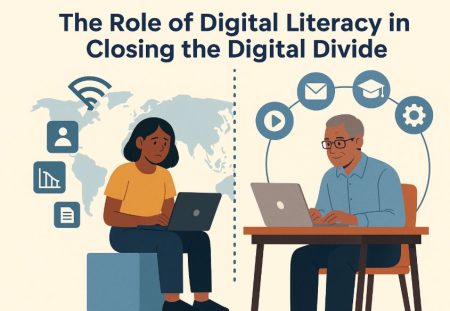
Another significant target group includes youth and students. As digital natives, they frequently consume online content but may lack the experience to identify and counter false narratives. Schools and universities are integral partners in delivering educational programs that emphasize fact-checking and understanding disinformation tactics. Similarly, older adults are targeted because they may lack digital literacy skills, making them more susceptible to scams and misinformation. Campaigns designed for this audience focus on accessible resources and workshops to enhance their understanding of online content.
Vulnerable communities, including marginalized groups, are also key audiences for anti-disinformation campaigns. Disinformation often exploits existing biases, fears, or socio-economic vulnerabilities, making tailored messaging essential to counter specific narratives. Additionally, journalists and media professionals are targeted as they play a crucial role in shaping public opinion. Training and resources are provided to help them identify and avoid amplifying disinformation while ensuring accurate reporting.
Policymakers and public officials are another critical audience, as they are responsible for creating regulations to combat disinformation and are often targets of false narratives themselves. Health professionals and scientists are also engaged in addressing misinformation related to health and science, ensuring that accurate, evidence-based information reaches the public. Lastly, community leaders, influencers, and educators are targeted for their ability to amplify truthful narratives and foster critical thinking in their communities. By focusing on these diverse groups, anti-disinformation campaigns take a comprehensive approach to reducing the spread and impact of false information.
What Are Some Effective Ways to Engage People Who Are Already Influenced by Disinformation?
The spread of disinformation-deliberately false or misleading information poses a significant challenge in today’s digital age. For those already influenced by disinformation, engaging them in a meaningful way is not only challenging but essential. These individuals often have strong emotional or ideological attachments to false narratives, making direct confrontation counterproductive. Instead, effective engagement requires empathy, trust-building, and strategic communication. Here are some proven strategies to engage individuals influenced by disinformation and guide them toward accurate information.
- Approach with Empathy, Not Confrontation: Confronting someone with facts and accusing them of being wrong can trigger defensiveness and entrench their beliefs. Instead, start conversations with empathy and understanding. Acknowledge their concerns and validate their reasons for questioning mainstream narratives. This opens the door for constructive dialogue without alienating them.
For example, you might say, “I understand why this might seem true—it’s a common concern. Let’s explore it together,” rather than dismissing their beliefs outright. Empathy helps build trust, making individuals more receptive to alternative perspectives. - Build Trust Through Credible Messengers: People are more likely to reconsider their beliefs when information comes from sources they trust. Collaboration with community leaders, influencers, or individuals within their social or ideological circles can be highly effective. These trusted messengers can share accurate information in a way that resonates with the audience’s values and beliefs, breaking down barriers that mainstream sources might face.
- Present Facts in a Non-Confrontational Way: When addressing disinformation, it’s essential to provide clear, concise, and verifiable facts. Avoid overwhelming individuals with too much information or aggressively contradicting their beliefs. Instead, focus on one issue at a time, using simple and relatable explanations. Visual aids, such as infographics or videos, can also make complex information more accessible.
For example, when countering vaccine misinformation, you might provide a single, powerful statistic about vaccine efficacy along with a link to a reputable source rather than inundating them with scientific jargon. - Use Storytelling and Personal Narratives: Facts alone may not always resonate, especially when disinformation is tied to emotional or ideological beliefs. Personal stories and testimonials can bridge this gap. Sharing relatable experiences that highlight the real-world consequences of disinformation can create emotional connections and challenge false narratives.
For instance, sharing the story of someone who suffered due to believing health-related disinformation can help individuals see the human impact of their beliefs without feeling attacked. - Focus on Shared Values: Framing information around shared values and common goals can reduce resistance and foster open-mindedness. For example, emphasizing community well-being, family safety, or mutual respect can create a foundation for discussing factual information.
When engaging someone influenced by climate change denial, instead of focusing on scientific data, highlight the benefits of clean energy and its positive impact on their community. - Teach Critical Thinking and Media Literacy: Disinformation thrives on individuals’ inability to verify sources or recognize manipulative tactics. Providing tools and resources to improve media literacy and critical thinking can empower individuals to question disinformation independently.
Offer simple techniques like cross-referencing information, checking for reputable sources, and identifying emotionally manipulative content. Teaching people how disinformation is crafted and spread can also help them recognize it in the future. - Engage in Private, One-on-One Conversations: Public debates or online arguments can make people more defensive, as they feel the need to “save face.” Private conversations, on the other hand, allow for honest, judgment-free discussions. This setting fosters trust and makes individuals more open to reconsidering their beliefs.
- Avoid Shaming or Ridiculing: Mocking or shaming someone for their beliefs often backfires, pushing them further into disinformation communities where their views are validated. Respectful engagement is key to keeping the conversation productive. Focus on understanding their concerns and guiding them gently toward reliable information.
- Use Prebunking and Behavioral Nudges: Prebunking involves educating individuals about common disinformation tactics before they encounter false narratives. By teaching people how disinformation exploits emotions or cherry-picks data, you can make them more skeptical of manipulative content. Behavioral nudges, such as prompts encouraging users to verify content before sharing, can also reduce the spread of false information.
- Encourage Gradual Exposure to Accurate Information: People influenced by disinformation may not immediately accept conflicting information, but gradual exposure to credible sources can chip away at their beliefs over time. Encourage them to follow reputable outlets or read content that aligns with their interests but provides a more balanced perspective.
Engaging people already influenced by disinformation is a delicate and challenging process, but it is not impossible. By approaching conversations with empathy, building trust, and using strategies like storytelling, shared values, and media literacy, it is possible to guide individuals toward accurate information. These methods address existing false beliefs and foster long-term resilience against future disinformation. In the fight against disinformation, patience and understanding are just as important as facts and evidence.
What Are the Biggest Challenges Faced by Anti-Disinformation Campaigns in the Digital Age?
In today’s hyper-connected world, disinformation-deliberately false or misleading information spreads faster and more widely than ever before. Anti-disinformation campaigns are critical in countering this phenomenon, but they face numerous obstacles that complicate their mission. From technological hurdles to societal skepticism, the digital age presents unique challenges for these campaigns. Here, we explore the biggest difficulties that anti-disinformation efforts encounter.
- The Speed and Scale of Disinformation: The digital age allows information to spread instantaneously, often reaching millions of people within minutes. Social media platforms amplify this speed, making it challenging for anti-disinformation campaigns to keep pace. When fact-checkers debunk false narratives, these stories may already be entrenched in public consciousness, causing long-lasting harm.
- Algorithm-Driven Amplification: Social media algorithms prioritize content that generates high engagement, such as sensational or emotionally charged posts. Unfortunately, disinformation often fits this mold better than accurate but less dramatic content. As a result, disinformation spreads more widely, gaining visibility over verified information and making it harder for campaigns to counter its influence.
- Erosion of Trust in Institutions: Disinformation often targets trust in governments, media, and experts, labeling them as biased or corrupt. This erosion of trust makes it difficult for anti-disinformation campaigns to reach their audiences effectively, as many people dismiss messages from credible sources as part of a broader conspiracy.
- Limited Digital Literacy: Many individuals lack the skills needed to critically evaluate online information, verify sources, or identify manipulative tactics. This lack of digital literacy makes people more susceptible to disinformation and hampers the efforts of campaigns that rely on public discernment to curb the spread of false narratives.
- The Echo Chamber Effect: Social media platforms create echo chambers by showing users content that aligns with their existing beliefs. This reinforces biases and isolates individuals from alternative perspectives or fact-checked information. Disinformation thrives in these closed environments, making it difficult for campaigns to penetrate these bubbles and reach affected individuals.
- Increasingly Sophisticated Disinformation Tactics: Disinformation creators are becoming more adept at using advanced technology, including AI-generated content, deepfakes, and coordinated bot networks. These tools make disinformation more convincing and harder to detect, increasing the burden on campaigns to develop equally advanced detection methods.
- Anonymity and Global Reach: The internet’s anonymity allows malicious actors, including state-sponsored entities, to spread disinformation without fear of accountability. Additionally, disinformation often crosses borders, making it challenging for campaigns to address their sources and coordinate responses across jurisdictions.
- Resistance to Fact-Checking: People influenced by disinformation often distrust fact-checking efforts, perceiving them as biased or part of the disinformation itself. This skepticism, often fueled by disinformation campaigns that discredit fact-checkers, reduces the effectiveness of anti-disinformation initiatives and makes it harder to correct false narratives.
- Resource Constraints: Anti-disinformation campaigns often operate with limited funding, manpower, and technological tools compared to the vast networks spreading false information. This imbalance hampers their ability to scale their efforts, particularly when addressing global or highly coordinated disinformation campaigns.
- Balancing Freedom of Speech: Regulating disinformation requires careful navigation of free speech concerns. Overly aggressive measures to remove false content can be perceived as censorship, creating backlash and potentially undermining the credibility of anti-disinformation efforts.
- Cross-Border Challenges: Disinformation campaigns are frequently global in scope, originating in one country and spreading to others. Addressing these campaigns requires international cooperation, but differences in laws, priorities, and resources among nations can complicate collaborative efforts and weaken enforcement.
- Lack of Unified Action: While governments, NGOs, and private companies are all involved in combating disinformation, their efforts are often fragmented and lack coordination. Inconsistent messaging and competing priorities reduce the overall impact of campaigns, leaving gaps that disinformation can exploit.
The challenges faced by anti-disinformation campaigns in the digital age are formidable, reflecting the complexity and scale of the problem. From the speed and sophistication of disinformation to societal mistrust and limited resources, these obstacles demand innovative, collaborative, and multifaceted solutions. Addressing these challenges requires technological advancements and a commitment to fostering digital literacy, rebuilding trust in institutions, and creating unified global strategies.
How Can an Anti-Disinformation Campaign Help Restore Public Trust in Media and Institutions?
An anti-disinformation campaign can be pivotal in restoring public trust in media and institutions by addressing the root causes of mistrust and actively promoting transparency, accountability, and accurate information. One of the primary ways it achieves this is by countering false narratives that discredit these entities. Disinformation often portrays media and institutions as biased, corrupt, or untrustworthy. Anti-disinformation campaigns work to debunk such claims by fact-checking and exposing the motives behind false narratives, highlighting how they are often designed to manipulate and sow division.
Another critical strategy is improving media literacy among the public. Many individuals lack the skills to evaluate information, leaving them vulnerable to critical disinformation. Campaigns that educate people on how to verify sources, recognize credible journalism, and identify manipulative tactics empower them to make informed judgments, thereby fostering trust in legitimate media and institutions. Additionally, these campaigns can advocate for transparency in how media and institutions operate. Encouraging news organizations and institutions to openly disclose their processes, funding sources, and methods for correcting errors helps rebuild credibility.
Engagement is also key. Anti-disinformation campaigns that involve community leaders, influencers, and trusted voices in their efforts create a bridge between skeptical audiences and credible institutions. By addressing public concerns directly through forums, Q&A sessions, and localized outreach, these campaigns can demonstrate that institutions are responsive and accountable to the people they serve. Promoting positive stories about media and institutional successes further reinforces their value and commitment to the public good.
Restoring trust takes time and consistent effort. Anti-disinformation campaigns that focus on long-term strategies, such as fostering resilience against future disinformation and continuously promoting transparency, lay the foundation for a more informed and trusting society. By tackling both the disinformation itself and the underlying reasons for mistrust, these campaigns can rebuild confidence in media and institutions, reinforcing their essential roles in democracy and public life.
Reference Articles:
- A, R. T., I, S. N., & Y, K. Y. (2020). Disinformation (fake news, propaganda) as a threat to resilience: Approaches used in the eu and its member state Lithuania. Baltic Region, 12(1), Article 1.
- Anti-disinformation approaches will proliferate. (2023). Emerald Expert Briefings, oxan-db(oxan-db). https://doi.org/10.1108/OXAN-DB280802
- Berzina, K., Kovalcikova, N., Salvo, D., & Soula, E. (2019). Annex a.: European Efforts to Counter Disinformation (EUROPEAN POLICY BLUEPRINT FOR COUNTERING AUTHORITARIAN INTERFERENCE IN DEMOCRACIES, pp. 41–49). German Marshall Fund of the United States. https://www.jstor.org/stable/resrep21251.8
- Buchanan, T. (2020). Why do people spread false information online? The effects of message and viewer characteristics on self-reported likelihood of sharing social media disinformation. PLOS ONE, 15(10), e0239666. https://doi.org/10.1371/journal.pone.0239666
- Klum Stelander, J. (2017). EU against disinformation: Understanding a modern anti-disinformation campaign. https://urn.kb.se/resolve?urn=urn:nbn:se:uu:diva-339597
- Krohn, V. (2024, July 3). Differing Anti-disinformation Approaches Between the United Kingdom and Sweden [Info:eu-repo/semantics/bachelorThesis]. University of Twente. https://essay.utwente.nl/101663/
- Kvirikashvili, G. (2021). Resilience Against External Disinformation Campaigns. https://dspace.cuni.cz/handle/20.500.11956/152633
- Nisbet, E. C., & Kamenchuk, O. (2019). The Psychology of State-Sponsored Disinformation Campaigns and Implications for Public Diplomacy. https://doi.org/10.1163/1871191X-11411019
- Tan, B. W. (2020). Countering disinformation: Using systems thinking to develop an integrated approach [Thesis, Massachusetts Institute of Technology]. https://dspace.mit.edu/handle/1721.1/145243