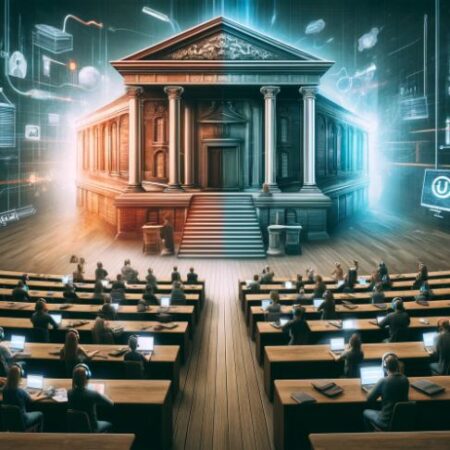
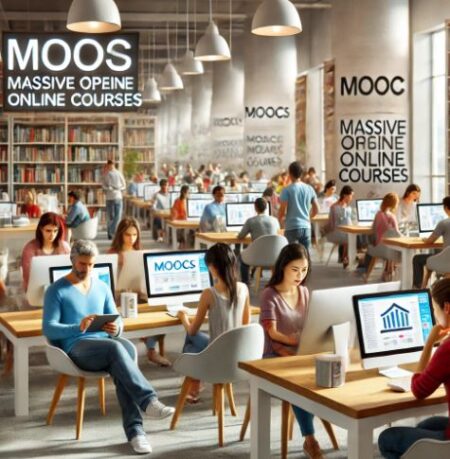
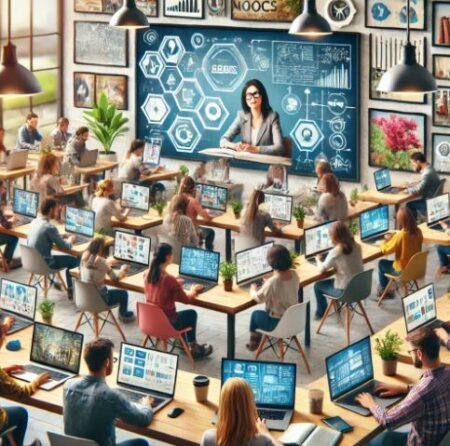
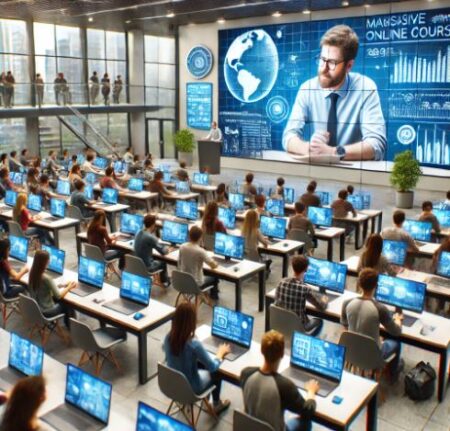
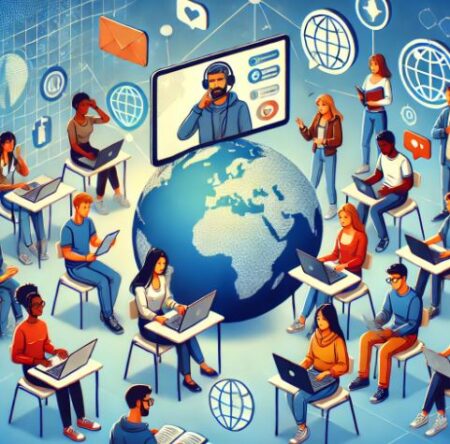
Massive Open Online Courses (MOOCs) are digital platforms offering wide-ranging educational content to a global audience at minimal or no cost. Originating as an evolution in distance learning, MOOCs have expanded access to high-quality education, allowing anyone with internet access to learn from prestigious institutions and industry experts.
Educational gaps refer to disparities in the availability, quality, and outcomes of educational opportunities, often influenced by geographical, socioeconomic, and skill-based factors. Geographically, learners in remote or rural areas might lack access to specialized courses available in urban centers. Socioeconomically, individuals from lower-income backgrounds may not be able to afford the high costs of traditional education. Furthermore, even within well-resourced regions, there might be gaps in specific skill sets critical for emerging industries underserved by conventional educational systems.
MOOCs play a pivotal role in bridging these gaps. They democratize learning by making educational resources available to anyone, anywhere, breaking down the barriers that traditionally restricted access based on location, economic status, or prior qualifications.
The Role of MOOCs in Bridging Educational Gaps
Massive Open Online Courses (MOOCs) have emerged as a revolutionary force in modern education, providing scalable and accessible learning solutions that address various educational gaps. These platforms facilitate lifelong learning and offer numerous opportunities for personal and professional development across diverse global contexts. Let’s explore how MOOCs are effectively bridging gaps in education that stem from geographical, socioeconomic, and skill-based disparities.
- Eliminating Geographical Disparities: One of the most significant barriers to education is geographic location. Students in rural or remote areas often have limited access to quality educational resources and institutions. MOOCs dismantle these barriers by enabling access to courses from prestigious universities and institutions worldwide, ensuring that high-quality education is no longer confined to urban centers or wealthy countries. This global reach is instrumental in leveling the educational playing field and fostering an inclusive learning environment.
- Overcoming Socioeconomic Barriers: Economic constraints significantly influence educational accessibility. The high costs associated with traditional education systems can exclude capable students from lower socioeconomic backgrounds. MOOCs address this challenge by offering free or low-cost courses and reducing or eliminating the financial barriers to education. This model allows individuals to pursue their educational aspirations without the burden of excessive debt, promoting more equitable access to learning opportunities.
- Addressing Skill Gaps: The rapid pace of technological advancement and the evolving nature of the job market require continuous skill development. MOOCs serve as vital resources for both initial and ongoing education, offering courses in emerging fields such as data science, artificial intelligence, and renewable energy technologies. These courses enable individuals to acquire new skills or update existing ones, enhancing employability and adaptability in a competitive job market.
- Complementing Traditional Education: MOOCs are not just alternatives to traditional education; they are complementary resources that enhance learning experiences. They provide supplementary content that can help students better understand complex subjects or explore areas not fully covered in their primary education. Additionally, MOOCs are increasingly recognized for their potential to contribute to formal education through partnerships that offer academic credit, further integrating them into the traditional educational framework.
- Promoting Lifelong Learning: Lifelong learning is essential in a world where knowledge continuously evolves. MOOCs support this by providing accessible, flexible, and diverse learning opportunities that encourage individuals to engage in educational activities throughout their lives. Whether for professional development, personal interest, or academic pursuits, MOOCs offer resources that help learners remain relevant and informed.
In conclusion, MOOCs (Massive Open Online Courses) have become pivotal in addressing educational disparities, offering a bridge over the gaps created by geographical, socioeconomic, and skill-based divides. By providing widespread access to high-quality education from top-tier institutions, MOOCs ensure that knowledge is not a privilege of the few but a universal right accessible to all. Their affordability and flexibility empower individuals from various backgrounds to pursue learning without the traditional barriers of cost and location.
MOOCs cater to the need for continuous education in a rapidly changing world, enabling individuals to acquire and update skills pertinent to evolving industry demands. As such, they are not just educational tools but catalysts for social equity and personal empowerment. The role of MOOCs extends beyond individual benefits, influencing broader educational policies and practices, encouraging lifelong learning, and fostering a more informed and capable global citizenry.