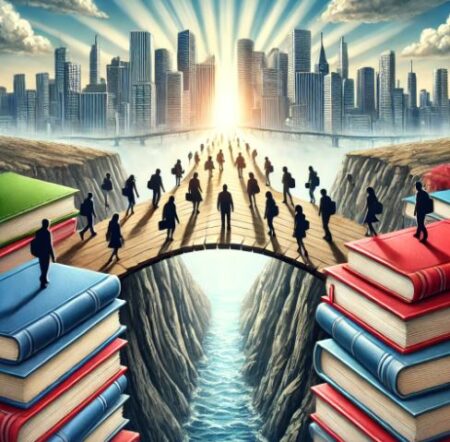
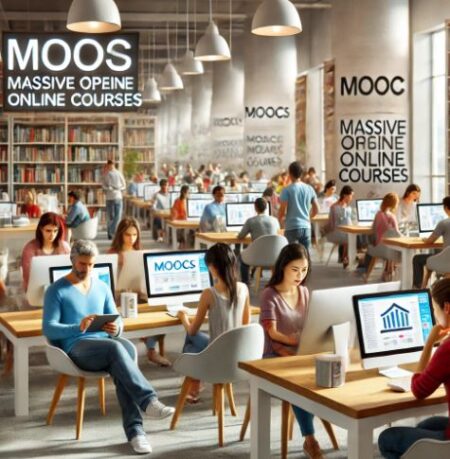
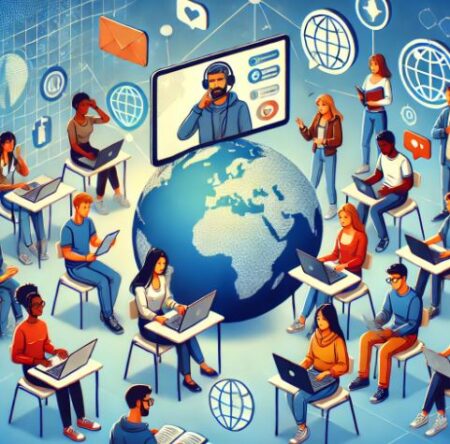
In the last decade, Massive Open Online Courses (MOOCs) have surged from a novel educational concept to a global phenomenon, enrolling millions of learners worldwide. MOOCs, designed to provide free or low-cost access to top-tier educational resources, have democratized learning by removing many barriers associated with traditional education, such as high costs and geographical limitations. Their widespread adoption has raised pivotal questions about the future landscape of traditional education, challenging conventional classroom models and prompting institutions worldwide to rethink how knowledge is delivered in the digital age. As MOOCs continue to evolve, their profound impact on traditional educational systems remains a critical area of exploration, revealing both opportunities and challenges in creating a more inclusive and adaptable educational ecosystem.
The Impact of MOOCs on Traditional Education
The impact of Massive Open Online Courses (MOOCs) on traditional education has been profound and multifaceted, signaling a significant shift in how education is accessed, delivered, and perceived globally. Here’s an exploration of the key areas where MOOCs have influenced traditional educational paradigms:
- Access and Democratization of Education
MOOCs have dramatically broadened access to education, making high-quality courses available to anyone with an internet connection. This has democratized education, allowing individuals from diverse backgrounds, including those in remote or underserved regions, to access courses from prestigious universities. This global reach challenges traditional education’s accessibility, pushing institutions to reconsider their offerings and outreach strategies. - Curriculum and Pedagogy
Traditional institutions have been influenced by the pedagogical models introduced by MOOCs, which often emphasize student-centered learning, interactive content, and real-time feedback. The success of these methods in MOOCs has encouraged traditional institutions to incorporate similar techniques into their own teaching, leading to more blended learning environments that combine online and face-to-face interactions. - Credentialing and Lifelong Learning
MOOCs have introduced new forms of credentialing, such as certificates and micro-credentials, that are more flexible and modular than traditional degrees. These credentials allow individuals to acquire specific skills and knowledge without committing to a full degree program, appealing particularly to lifelong learners and working professionals. This trend is prompting traditional educational institutions to reevaluate their credentialing systems to remain relevant and competitive. - Cost Structures and Economic Models
The cost-effectiveness of MOOCs, often free or low-priced, puts pressure on traditional educational institutions to justify their tuition fees. As students and policymakers increasingly scrutinize the return on investment in education, traditional institutions are compelled to demonstrate value or adapt their economic models, possibly by incorporating more cost-effective online components. - Research and Collaboration
MOOC platforms have facilitated unprecedented levels of collaboration and data collection on learning behaviors and outcomes. The vast amount of data generated by MOOCs provides insights that can drive educational research and innovation. Traditional institutions are tapping into these data, either by participating in MOOC platforms or by applying similar analytics to their own programs to enhance educational outcomes. - Institutional Roles and Identities
The rise of MOOCs challenges the traditional roles of educational institutions as the sole providers of knowledge and certification. Universities are increasingly seen as nodes within a larger network of educational resources, including MOOCs, corporate training programs, and informal learning platforms. This shift encourages traditional institutions to redefine their roles, focusing more on facilitating lifelong learning, research, and community engagement rather than solely delivering formal education.
The impact of MOOCs on traditional education continues to evolve, driven by technological advancements, changing learner expectations, and the ongoing global reassessment of educational values and efficacy. While some view MOOCs as a disruptive force, they can also be seen as a catalyst for necessary change, pushing traditional institutions to adapt, innovate, and ultimately deliver more inclusive, effective, and flexible educational experiences.