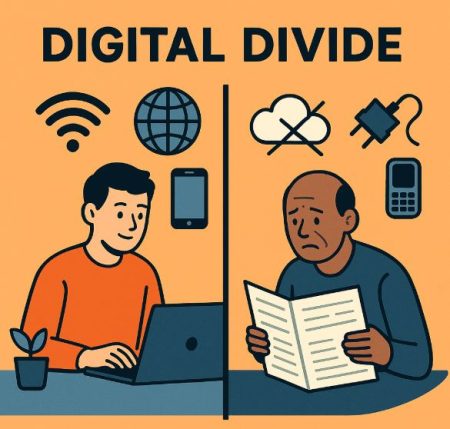
In today’s increasingly interconnected world, digital literacy has become an essential skill for navigating modern life, yet many individuals, particularly in underserved communities, face barriers to acquiring this crucial competence. The digital divide, which refers to the gap between those who have easy access to technology and the internet and those who do not, remains a significant challenge to global equity. For example, while urban areas often have widespread internet access, rural or low-income communities may struggle with unreliable connectivity, limiting their ability to fully participate in the digital economy. Digital literacy plays a pivotal role in bridging this divide, empowering individuals with the skills necessary to access information, participate in online education, secure employment, and engage in civic life. For instance, during the COVID-19 pandemic, many educational institutions transitioned to online learning. Students without digital literacy or access to technology were at a significant disadvantage, highlighting the urgency of digital literacy programs. Without these essential skills, people are at risk of being excluded from the vast opportunities provided by technology, further exacerbating social and economic inequalities. By fostering digital literacy in marginalized groups, governments, educational institutions, and organizations can help create a more inclusive society, ensuring that no one is left behind in the digital age. Programs like the “One Laptop per Child” initiative, which provides affordable technology to children in developing regions, illustrate how targeted efforts can make a significant difference. This is not just a matter of teaching basic technical skills but also of cultivating the ability to critically evaluate information, use digital tools effectively, and navigate the online world with confidence and competence.
What is Digital Literacy, and How Does It Differ from Basic Computer Skills?
Digital literacy and basic computer skills are both essential in today’s technology-driven world, but they represent different levels of competence and understanding. Basic computer skills are foundational abilities that allow individuals to perform essential tasks such as operating a computer, using software applications like word processors and spreadsheets, and navigating the internet. These skills are necessary for everyday digital interactions, like writing documents, managing emails, and browsing websites. However, basic computer skills focus primarily on using devices and software, without delving into the critical thinking or ethical considerations that come with digital engagement.
On the other hand, digital literacy encompasses a broader, more complex set of skills. It not only includes the ability to use digital tools effectively but also involves critical thinking, creativity, and an understanding of digital ethics. A digitally literate person can engage with online content, evaluate the reliability of information, and create digital content, such as blogs or videos. Digital literacy also extends to understanding privacy and security, recognizing online threats, and being aware of one’s digital footprint. For example, while someone with basic computer skills might be able to search for information on Google, a digitally literate person would be able to assess the credibility of the sources they find, share content responsibly, and ensure their online safety.
The key difference between digital literacy and basic computer skills lies in the depth and scope of each. Basic computer skills are the necessary building blocks for interacting with technology, but digital literacy goes beyond these basics. It involves engaging with technology thoughtfully, critically, and ethically, allowing individuals to not only consume but also create and contribute to the digital world. As technology continues to evolve, digital literacy becomes increasingly important, ensuring individuals can navigate and participate fully in the digital age. Without digital literacy, people may miss out on opportunities to engage with the digital world meaningfully, leading to further divides in access and equity. Therefore, fostering digital literacy is essential in empowering individuals to thrive in a society that is increasingly dependent on technology.
The Impact of Digital Literacy on Access to Essential Services
In an increasingly digital world, digital literacy is crucial in determining an individual’s ability to access essential services such as education, healthcare, and government programs. As more of these services move online, individuals who lack the skills to navigate digital platforms are at a significant disadvantage. Digital literacy, which includes the ability to understand, use, and evaluate digital tools effectively, has a profound impact on an individual’s ability to fully participate in modern society and access services that are vital to their well-being.
- Digital Literacy and Education: The realm of education is one of the areas most significantly impacted by digital literacy. As schools, universities, and educational resources shift to online platforms, digital literacy becomes indispensable for students and educators alike. Accessing educational materials, participating in online classes, and submitting assignments often require a basic level of digital competency. Students who lack these skills may struggle to keep up with coursework or miss out on valuable learning opportunities. For instance, during the COVID-19 pandemic, when schools worldwide transitioned to remote learning, students without digital literacy or access to technology were at a severe disadvantage, leading to gaps in education that continue to affect them today.
Moreover, digital literacy allows students to conduct research online, use digital tools for collaborative learning, and engage in global educational networks. Those without these skills may find themselves excluded from online courses, educational resources, and scholarship opportunities. In contrast, individuals with strong digital literacy skills are better equipped to navigate e-learning platforms, collaborate on projects, and access a wealth of information and educational resources that are increasingly available in digital formats. - Digital Literacy and Healthcare Access: In the healthcare sector, digital literacy directly influences an individual’s ability to access healthcare services. Many healthcare systems now offer online appointment scheduling, telemedicine consultations, patient portals for medical records, and access to vital health information. For example, patients can schedule virtual doctor’s appointments, access their test results online, or use health management apps to track their wellness. Without the ability to use these digital tools, individuals may face barriers to timely medical care, leading to worse health outcomes.
Furthermore, digital literacy is essential in understanding and navigating the wealth of health information available online. Misinformation about health topics can be easily spread, and only those with strong digital literacy skills can effectively evaluate the reliability of health information they encounter. For example, individuals with digital literacy are better equipped to distinguish between trustworthy medical websites and unreliable sources, ensuring they make informed decisions about their health.
In regions where healthcare resources are scarce, digital literacy can even help bridge the gap, providing access to medical advice and consultations that may not otherwise be available in person. Telehealth initiatives, for instance, allow people in rural or underserved communities to access healthcare remotely, but only if they possess the digital skills needed to use the technology effectively. - Digital Literacy and Government Programs: Government services, from unemployment benefits to tax filing and social security programs, are increasingly digitized. Digital literacy directly affects an individual’s ability to access these services, particularly for those who rely on government assistance. For example, filing for unemployment benefits, renewing a driver’s license, or applying for social services often requires navigating complex online platforms. Individuals without digital literacy skills may miss out on crucial benefits, leading to financial instability or delays in receiving essential support.
In many countries, government websites and apps provide access to a range of services, from applying for financial aid to checking eligibility for public assistance. However, for people lacking digital literacy, these services can be difficult or even impossible to access. This issue is especially prevalent among older adults or individuals living in rural areas where digital access may be limited or unavailable. Digital literacy ensures that people can access these programs, complete applications, and communicate with government representatives efficiently. Additionally, digital literacy enhances civic engagement by allowing individuals to participate in online voting, access public records, and engage in government forums. People who are digitally literate can more effectively advocate for themselves and their communities by utilizing online platforms to voice their opinions and access critical civic information. - Overcoming Barriers: While digital literacy has a clear impact on accessing education, healthcare, and government services, many individuals face barriers to acquiring these skills. These barriers include lack of access to technology, inadequate training, or limited exposure to digital platforms, particularly in rural or economically disadvantaged communities. Addressing these disparities requires coordinated efforts from governments, educational institutions, and non-profit organizations to provide digital literacy programs and ensure equitable access to technology.
For example, programs aimed at providing affordable internet access, such as community Wi-Fi initiatives, can help bridge the gap for underserved populations. In addition, public libraries and community centers can offer digital literacy training and resources to those who may not have access at home. These efforts are essential in helping individuals acquire the skills needed to engage with essential services and navigate the increasingly digital landscape of modern society.
Digital literacy is no longer just a skill for technological enthusiasts or young generations—it is a fundamental requirement for accessing essential services in today’s society. Whether it’s for education, healthcare, or government programs, the ability to use digital tools effectively impacts an individual’s ability to participate fully in society. By fostering digital literacy through targeted education and outreach programs, society can ensure that all individuals, regardless of their background, have the opportunity to access the resources they need for a better life. In the digital age, closing the gap in digital literacy is vital to creating a more inclusive and equitable world.
How Improving Digital Literacy Can Help Reduce Economic Inequalities, Particularly in Rural or Underdeveloped Areas
In today’s world, the digital divide remains one of the most significant barriers to economic development, particularly in rural and underdeveloped areas. While urban regions and more developed nations have seen exponential growth in digital infrastructure and technology adoption, many rural communities remain disconnected—lacking both access to digital devices and the skills to use them effectively. However, improving digital literacy in these areas has the potential to significantly reduce economic inequalities and open doors to a variety of opportunities that can empower individuals and uplift entire communities. From access to education and employment opportunities to the ability to start businesses and engage in financial services, digital literacy can transform lives by leveling the playing field for those who have long been left behind.
- Access to Remote Work and Job Opportunities: One of the most significant ways digital literacy can reduce economic inequality is by providing individuals in rural and underdeveloped areas with the skills needed to access remote job opportunities. As the global workforce increasingly shifts toward digital tools and platforms, people with strong digital skills are well-positioned to secure positions that were once out of reach for those living in remote areas. Remote jobs in fields like customer service, data entry, IT support, and content creation can be accessed from anywhere with an internet connection, provided the individual has the digital literacy to navigate the necessary platforms and tools.
For example, an individual in a rural area with basic digital literacy skills can apply for remote jobs, participate in video interviews, and complete work online without needing to relocate to a major city. This reduces the need for rural populations to migrate in search of work, ultimately improving their economic stability and quality of life. By enabling remote work opportunities, digital literacy not only creates employment but also facilitates income diversification, making communities more resilient to economic shocks. - Online Education and Skill Development: Digital literacy is also crucial for accessing educational resources and skill development programs that can enhance an individual’s qualifications and employability. In rural and underdeveloped areas, where access to physical educational institutions is limited, digital literacy allows people to tap into the wealth of online learning platforms. Websites like Coursera, Udemy, LinkedIn Learning, and Khan Academy offer affordable or free courses in a wide range of subjects, including healthcare, technology, business, and language skills.
For instance, a farmer in a rural community could take an online course on advanced farming techniques or sustainable agriculture, gaining the knowledge needed to improve crop yields and increase profitability. Similarly, someone interested in pursuing a career in graphic design could complete an online certification program without leaving their hometown. By providing access to online education, digital literacy enables individuals to gain the skills needed to secure better-paying jobs, transition to higher-value sectors, or even start their own businesses. - Empowering Entrepreneurship and E-Commerce: Digital literacy can be a game-changer for rural entrepreneurs. Many people in underdeveloped areas are involved in local businesses, such as farming, craft making, or small-scale manufacturing. However, without the ability to use digital tools, these businesses are often confined to local markets with limited opportunities for growth. By improving digital literacy, rural entrepreneurs can engage in e-commerce, creating online stores, marketing products, and reaching customers beyond their immediate geographic area.: For example, local artisans can use platforms like Etsy or Amazon to sell their crafts to a global market, while farmers can access online marketplaces to sell their produce directly to consumers. Social media also provides entrepreneurs with a free or low-cost way to advertise and promote their products, which is particularly valuable for small businesses with limited marketing budgets. By giving entrepreneurs the skills to leverage digital tools for business growth, digital literacy fosters local economic development, creates new income streams, and helps individuals build sustainable businesses that contribute to community prosperity.
- Access to Financial Services and Microfinance: In many rural areas, traditional financial services such as banking and loans are either unavailable or difficult to access due to geographic and infrastructural barriers. However, digital literacy can enable people to use mobile banking, mobile money services, and digital payment platforms like PayPal, Venmo, or M-Pesa, which are transforming financial inclusion in underserved regions. For instance, M-Pesa, a mobile money service, has allowed millions of people in rural Kenya to send money, make payments, and access savings and loans, all from their mobile phones.
Improving digital literacy can help individuals in rural communities take full advantage of these services. With the ability to conduct financial transactions online, individuals can save money, access microloans, and invest in opportunities that were previously out of reach. This fosters financial independence, encourages entrepreneurship, and facilitates economic participation, ultimately leading to a reduction in poverty and financial inequality. - Improved Access to Government Services: Governments around the world are increasingly digitizing services, making it easier for citizens to access important resources like healthcare, education, social welfare programs, and job applications. However, to take advantage of these digital services, individuals need to be digitally literate. For example, individuals who are digitally literate can apply for government benefits online, access public health information, or register for job training programs, making it easier to improve their economic circumstances.
In rural areas, where government offices may be far away or understaffed, the ability to access these services online is crucial. Without digital literacy, individuals may miss out on crucial support and resources, exacerbating the cycle of poverty and economic inequality. By improving digital literacy, individuals gain the tools to access government programs, apply for social support, and engage with public services that can help uplift them economically. - Fostering Digital Literacy in Agriculture: In many rural areas, agriculture is the primary source of income. Digital literacy can help farmers improve productivity and increase income through the use of agricultural apps, weather forecasting tools, and online marketplaces. By using mobile devices or computers, farmers can access information on best practices for irrigation, crop protection, and pest control. They can also access real-time data about market prices, allowing them to sell their produce at the best prices.
For example, mobile apps such as Farmers’ Market allow rural farmers to track commodity prices and make informed decisions about when and where to sell their crops. Digital tools can help them manage supply chains more efficiently, reducing waste and increasing profitability. By improving digital literacy in agriculture, rural communities can increase their productivity, make smarter business decisions, and ultimately enhance their income.
Digital literacy is a powerful tool in reducing economic inequalities, particularly in rural and underdeveloped areas. By enabling individuals to access remote work, online education, e-commerce, financial services, and government support, digital literacy can open doors to a range of opportunities that were once out of reach. It empowers individuals to enhance their skills, improve productivity, and participate in the global economy. The ability to use digital tools effectively helps bridge the gap between rural and urban areas, creating a more equitable society where everyone, regardless of their geographic location or economic status, can thrive. As we continue to witness the transformative impact of technology, ensuring access to digital literacy is one of the most critical steps in fostering economic inclusion and creating sustainable growth for all.
How Educational Systems Across the Globe Incorporate Digital Literacy into Their Curricula to Address the Digital Divide
As technology continues to influence nearly every aspect of modern life, digital literacy has become a critical skill for students to thrive in the 21st century. From accessing information and communicating effectively to engaging in digital economies and participating in social and political life, digital literacy enables individuals to interact meaningfully with the world around them. However, as technology advances rapidly, the digital divide—the gap between those who have access to digital tools and the skills to use them and those who do not—has widened, particularly in underserved regions. To address this divide and ensure that all students have an equitable opportunity to succeed in a digital world, educational systems across the globe are integrating digital literacy into their curricula. This integration plays a pivotal role in leveling the playing field and preparing students to participate fully in the digital age.
Globally, governments and educational organizations are increasingly recognizing the importance of digital literacy and working to incorporate it into national curricula. In developed nations such as the United States, Canada, and Australia, digital literacy is often introduced early in a student’s education journey. For example, in the U.S., the International Society for Technology in Education (ISTE) has developed standards outlining the digital skills students should acquire from elementary school to high school. These standards focus on enhancing learning through technology, improving creativity, and fostering critical thinking. In Europe, the European Union has implemented the DigComp framework, which defines digital competence and guides the development of digital skills across member states. Countries like Finland have adopted an innovative approach by embedding digital literacy across subjects to ensure students gain these skills while enhancing their core academic competencies.
In developing regions, where the digital divide is more pronounced due to limited access to digital infrastructure, education systems are also making strides in incorporating digital literacy. For example, India has implemented the National Policy on ICT in Education, which integrates digital literacy into school curricula and emphasizes technology’s role in enhancing learning. In Africa, initiatives like the African Digital Education Program aim to provide digital literacy education, especially in rural areas. By leveraging mobile technology and low-cost solutions, these programs ensure that students can develop digital skills even in resource-constrained environments. In Latin America, countries like Brazil, Mexico, and Chile have launched digital literacy programs to bridge the divide. For instance, Chile’s Digital School initiative provides teachers with digital resources and trains them to incorporate technology into classrooms, ensuring that rural and underserved students have access to the same educational opportunities as their urban counterparts.
Educational systems around the world are increasingly recognizing that digital literacy should not be taught in isolation but integrated across various subjects. Rather than offering standalone digital literacy courses, many curricula now embed digital skills within core subjects such as math, science, and language arts. This interdisciplinary approach allows students to see how digital tools can enhance their learning across different fields. For example, in Finland, students learn to evaluate information from digital sources in language arts while using digital tools for research in science. Similarly, in Singapore, students use digital tools to conduct research, collaborate on projects, and present their findings, all while learning the digital skills needed to navigate the digital world. This holistic approach ensures that digital literacy is woven into the fabric of students’ education, rather than being an isolated skill.
A key challenge in implementing digital literacy education is ensuring that teachers are properly trained and supported. Teachers are often the first line of instruction when it comes to imparting digital skills, so it is essential to provide them with the tools, knowledge, and confidence to teach effectively in a digital environment. Many educational systems are investing in professional development programs to train teachers in integrating technology into their classrooms. For example, the UK’s National Grid for Learning initiative provides teachers with access to digital resources and workshops to help them incorporate technology into their teaching methods. Similarly, Kenya’s Digital Literacy Programme trains teachers to use digital tools, focusing on remote and rural schools to ensure equitable access to digital education.
Despite the progress made, challenges remain in fully integrating digital literacy into curricula. Infrastructure limitations, such as unreliable internet connections and a lack of devices, continue to pose significant barriers, particularly in rural and developing areas. Additionally, many teachers may not have the necessary digital skills to effectively teach in a technology-rich environment. To address these challenges, innovative solutions such as low-cost technology (e.g., mobile phones and tablets) and offline digital tools are being explored. In regions with limited infrastructure, project-based learning using digital devices or community internet hubs can help bridge the gap. Public-private partnerships also play a crucial role in providing access to technology, training, and resources for both teachers and students.
Incorporating digital literacy into education systems worldwide is essential for addressing the digital divide and ensuring that all students, regardless of their geographical location or socioeconomic background, have the skills needed to succeed in the digital age. By embedding digital literacy into curricula, providing professional development for teachers, and addressing infrastructure challenges, educational systems can help prepare the next generation to engage with and contribute to a technology-driven world. As digital tools continue to shape every aspect of society, making digital literacy a core component of education will be crucial in ensuring that no one is left behind and that all students have the opportunity to thrive in the digital age.
The Role of Libraries and Community Centers in Promoting Digital Literacy Among Underserved Populations
In today’s digital age, digital literacy has become a fundamental skill for navigating everyday life, from accessing information to participating in the workforce and engaging in civic life. However, underserved populations, particularly those in low-income, rural, or marginalized communities, often face significant barriers to acquiring these essential digital skills. Libraries and community centers play a critical role in promoting digital literacy among these populations by providing access to technology, offering educational programs, and fostering digital inclusion. These institutions serve as vital resources for individuals who may not have the means to acquire digital skills through formal education or private means, ensuring that everyone has the opportunity to participate fully in the digital world.
- Providing Access to Technology: One of the primary ways that libraries and community centers support digital literacy is by offering free access to digital resources, including computers, tablets, and high-speed internet. Many underserved individuals and families cannot afford personal computers or reliable internet access, which are often prerequisites for developing digital literacy. Libraries and community centers bridge this gap by providing public access to these resources in safe and welcoming environments. This access allows people to gain hands-on experience with digital tools, explore online educational resources, and practice using technology for various purposes, including job searching, educational advancement, and communication.
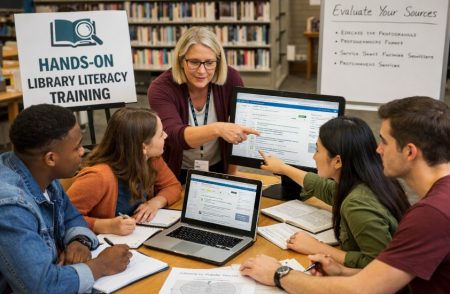
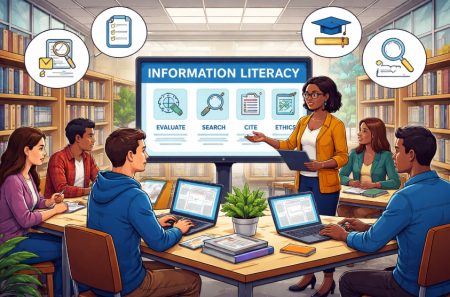
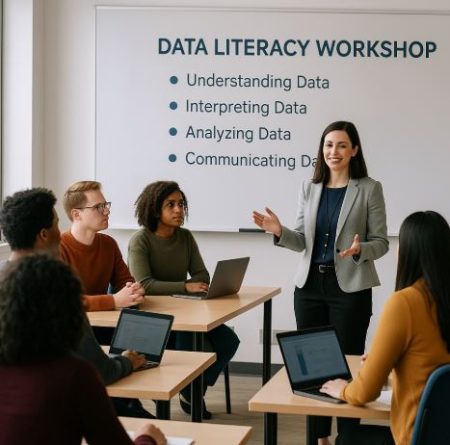
In rural or economically disadvantaged areas, where access to private technology might be limited, libraries and community centers become essential hubs for digital inclusion. For example, libraries offer individuals access to workstations where they can complete homework assignments, apply for jobs, or connect with government services, activities that are increasingly conducted online. - Offering Digital Literacy Training and Workshops: Beyond providing access to technology, libraries, and community centers offer digital literacy programs and workshops tailored to the needs of their communities. These programs are designed to teach essential digital skills, ranging from basic computer usage to more advanced skills such as using email, navigating the internet, and understanding online privacy and security. Some libraries and community centers offer beginner courses that help individuals learn how to use a computer, while others may provide advanced training in software programs, coding, digital marketing, or even entrepreneurship.
In addition to structured classes, libraries often offer one-on-one assistance to individuals who need personalized support. Librarians and community center staff can help users with specific technology-related tasks, such as creating resumes, filling out online forms, or troubleshooting computer problems. These personalized services help people build confidence in their digital skills, empowering them to use technology independently. - Supporting Education and Workforce Development: Libraries and community centers also play a crucial role in supporting education and workforce development by providing access to digital learning tools and online education platforms. With digital literacy becoming a prerequisite for most modern jobs, it is essential for individuals in underserved communities to have the skills needed to succeed in the workforce. Libraries often partner with organizations and offer online courses, certifications, and resources that enhance workforce development. Platforms like LinkedIn Learning, Coursera, and edX are often available through libraries, providing access to a wide range of free or discounted courses that help individuals develop skills in areas such as business, technology, and healthcare.
Moreover, libraries provide resources to assist job seekers, such as resume-building tools, job search databases, and workshops that teach interviewing skills and career development strategies. By integrating digital literacy into these services, libraries ensure that people in underserved populations can effectively search for employment, apply for positions, and succeed in the digital job market. - Creating Inclusive Digital Spaces: Libraries and community centers also serve as inclusive spaces where people can learn, share, and collaborate using technology. In many communities, these institutions provide multigenerational learning environments where individuals of all ages, from children to seniors, can access digital training. For older adults, libraries often offer courses focused on digital safety, social media literacy, and online communication, which enable them to stay connected with family and friends and engage more fully in society. These efforts help older generations stay informed, socially connected, and independent, while also providing them with the skills needed to navigate an increasingly digital world.
Additionally, community centers often foster peer-to-peer learning by organizing technology clubs or mentorship programs, where more tech-savvy individuals assist others in learning digital skills. This collaborative approach fosters a sense of community and collective empowerment, making digital literacy more accessible and relevant to all community members. - Promoting Digital Inclusion for Civic Participation: Libraries and community centers also contribute to digital inclusion by helping underserved populations access and navigate government services and civic participation tools. As government services become more digitalized, libraries and community centers ensure that everyone, regardless of their socioeconomic background, can access services such as healthcare registration, social services, and voting information. Many libraries provide assistance with completing online forms, applying for benefits, and navigating complex government websites, helping individuals engage with their civic duties and access essential services.
Moreover, libraries can serve as voting information centers and provide access to platforms that facilitate political engagement and advocacy, ensuring that everyone has the opportunity to participate in democratic processes. Through these initiatives, libraries and community centers help ensure that digital literacy is not only about using technology but also about engaging with the broader social, economic, and political world. - Addressing the Digital Divide in Rural Areas: Rural communities often face unique challenges in accessing digital resources, including limited internet connectivity and fewer opportunities for digital skills development. Libraries and community centers in rural areas are essential in addressing these challenges by providing internet access, organizing digital literacy programs, and offering technology-focused community outreach. Mobile libraries and pop-up technology stations bring digital learning resources directly to remote areas, ensuring that no community is left behind in the digital age. These efforts are particularly important as rural populations are at risk of falling further behind in the digital world if they do not have access to the training and resources needed to build digital skills.
Libraries and community centers play an indispensable role in promoting digital literacy among underserved populations by providing access to technology, offering educational programs, and creating inclusive spaces for learning and collaboration. These institutions bridge the digital divide by ensuring that all individuals, regardless of their socioeconomic status or geographic location, have the tools and support needed to succeed in the digital world. As digital literacy becomes an essential skill for full participation in society, libraries and community centers serve as vital hubs of digital inclusion, helping individuals unlock opportunities, gain confidence in their skills, and actively engage in the modern world. By continuing to invest in these resources, society can ensure that everyone, regardless of their background, has a fair chance to thrive in an increasingly digital future.