Traditional cataloging plays a fundamental role in the organization and retrieval of library materials, serving as the backbone of any library system. It involves the systematic arrangement of resources such as books, journals, articles, and multimedia according to a specific classification and cataloging method. This process is crucial as it allows libraries to manage vast collections efficiently, ensuring users can easily access the needed materials. Traditional cataloging not only provides a structured inventory of resources but also ensures that materials are categorized in a way that promotes ease of discovery, improving both the user experience and the overall functionality of the library.
One of the most integral components of traditional cataloging is the use of subject headings, which play a critical role in the organization of library resources. Subject headings are standardized terms that describe the primary topics or themes of materials in the library’s collection. They act as a key tool for grouping similar items together, allowing library users to quickly locate resources related to specific subjects, regardless of the different words authors may use in their titles or abstracts. By employing subject headings, libraries can provide a consistent and efficient system for organizing content, ensuring that materials on the same topic are categorized under the same headings, even if they appear in different formats or from different authors.
Definition and Purpose of Subject Headings
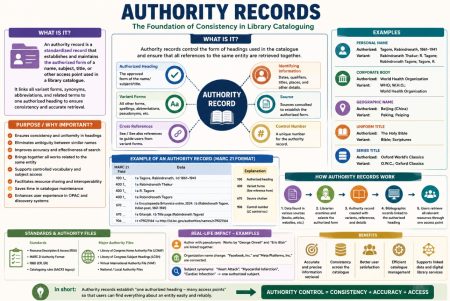
Subject headings are standardized terms or phrases used to categorize and describe library materials’ main topics or themes, such as books, articles, and multimedia resources. These headings are essential in organizing the vast amount of information stored in library catalogs, enabling users to locate and access materials related to specific subjects easily. By employing a controlled vocabulary, subject headings help create consistency across different catalogs, ensuring that items covering the same topic are grouped together, regardless of variations in language or terminology used by authors.
The primary purpose of subject headings is to facilitate information retrieval. Without subject headings, users would have to rely solely on titles, authors, or keywords to search for materials, which would significantly hinder their ability to find relevant resources. Subject headings provide an organized framework that allows users to search by topics, improving the efficiency of the search process. They ensure that materials covering similar subject matter are easily identifiable, whether they are categorized under the same or related terms. This also allows libraries to avoid confusion caused by synonyms or ambiguous terms, providing a clearer, more structured path to the information users seek.
Subject headings help support research and academic exploration. By grouping materials based on subject, libraries enable users to explore topics from various angles and access a broader range of related materials. Researchers, students, and casual library users alike benefit from the ability to conduct topic-specific searches, as subject headings guide them to the most relevant resources within the library’s collection. Ultimately, subject headings enhance the overall usability of library catalogs, making it easier for users to engage with information and facilitating more efficient learning, research, and information discovery.
The Importance of Subject Headings in Traditional Cataloging
Traditional cataloging plays a crucial role in organizing library collections, ensuring that users can easily locate and access the materials they need. One of the key components of traditional cataloging is the use of subject headings, a standardized set of terms that describe the content or theme of a resource. Subject headings are essential for efficient cataloging, as they facilitate the classification, retrieval, and discovery of library materials. Here are the significance of subject headings in traditional cataloging and their contribution to enhancing library user experience.
- Efficient Information Retrieval: One of the primary reasons subject headings are so important in traditional cataloging is that they enable efficient information retrieval. In a large library collection, books and articles may cover similar subjects, but different words or phrases may be used to describe those topics. Without subject headings, users would have to rely on searching for specific titles, authors, or keywords, which would make it difficult to locate all the relevant materials on a given topic.
Subject headings solve this issue by categorizing materials under a standardized set of terms, making it possible for users to search by subject rather than by title or author. This makes the search process more efficient and ensures that all materials related to a particular topic are grouped together, even if they use different terminology or are written by different authors. Whether a user is searching for books, articles, or multimedia materials, subject headings provide a clear path to finding resources on the same subject matter, enhancing the overall user experience. - Consistency and Standardization: Subject headings help ensure consistency and standardization in library cataloging, which is particularly important in large institutions with diverse collections. Different authors and publishers may use various terms to describe the same concept, leading to confusion or difficulties in finding materials. By using a controlled vocabulary for subject headings, libraries can eliminate this problem and create a uniform cataloging system. This ensures that resources covering the same subject, no matter how they are worded in the title or abstract, are categorized under the same heading.
For instance, a book on “climate change” might be referred to as “global warming” or “environmental sustainability” by different authors. Subject headings standardize these terms, ensuring that all related materials are categorized together under one subject heading, such as “Climate Change.” This consistency allows users to more easily navigate the library catalog and find all materials relevant to their research or interests. - Support for Research and Exploration: Subject headings are particularly beneficial for academic research and exploration, where access to a wide range of materials is essential for comprehensive study. By grouping materials according to subject, subject headings help researchers explore related topics and broaden their understanding of a particular field. For example, a student researching “renewable energy” could use subject headings to find materials related to “solar power,” “wind energy,” “energy policy,” and other related subjects. This organized approach to subject-based searching allows users to uncover resources that they might not have discovered by searching for individual titles or authors. Additionally, subject headings allow users to conduct browsing searches across multiple topics, making it easier for them to explore new areas of interest. Researchers can follow subject headings to identify new perspectives or uncover lesser-known resources that might otherwise have been overlooked.
- Improved Resource Discovery: Subject headings also enhance the discovery of resources that users might not have initially considered. By grouping materials under specific subject headings, libraries help users access a broader spectrum of related resources that might not be immediately apparent through title-based searches. For example, a user searching for information on “artificial intelligence” may also be led to related topics like “machine learning,” “robotics,” or “data science” through subject heading classifications. This feature is particularly valuable for interdisciplinary research, as it allows users to explore materials across various related fields.
Furthermore, subject headings ensure that materials are properly categorized, preventing important resources from being overlooked or misplaced in the catalog. This organized method of classification supports the library’s goal of making all materials easily accessible and discoverable to its users.
In traditional cataloging, subject headings are indispensable tools that significantly enhance the organization and retrieval of library materials. They enable efficient information retrieval, ensure consistency in cataloging, and support academic research by grouping related materials under standardized terms. Subject headings facilitate browsing and exploration, improve the discovery of relevant resources, and ensure that users can access the information they need with minimal effort. As libraries continue to evolve in the digital age, subject headings remain a foundational element of effective library management, contributing to the seamless navigation of vast and diverse collections. Their continued importance in cataloging practices underscores the value of well-organized library systems in promoting knowledge and research.