Hierarchical Classification: Principles, Structure, and Applications in Libraries
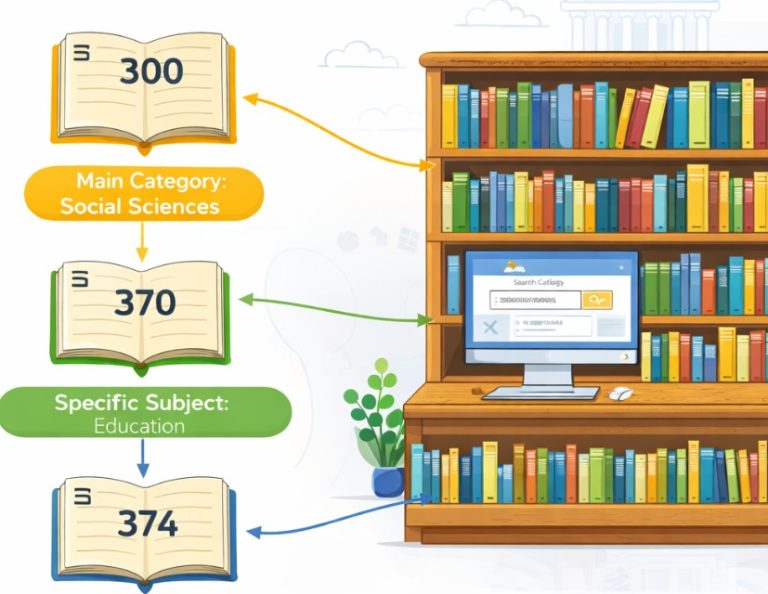
Hierarchical classification is a fundamental approach to organizing knowledge in which subjects are arranged in a systematic order from broader concepts…

LEARN. EXPLORE. PUT KNOWLEDGE TO WORK.
Explore library science, research and technology. Find practical guides and free tools for students, teachers and library professionals.
Hierarchical classification is a fundamental approach to organizing knowledge in which subjects are arranged in a systematic order from broader concepts…

A shared library catalogue is a unified bibliographic database that brings together the holdings of multiple libraries into a single searchable…
A library plays a vital role in the overall teaching and learning process by serving as a central hub for knowledge,…
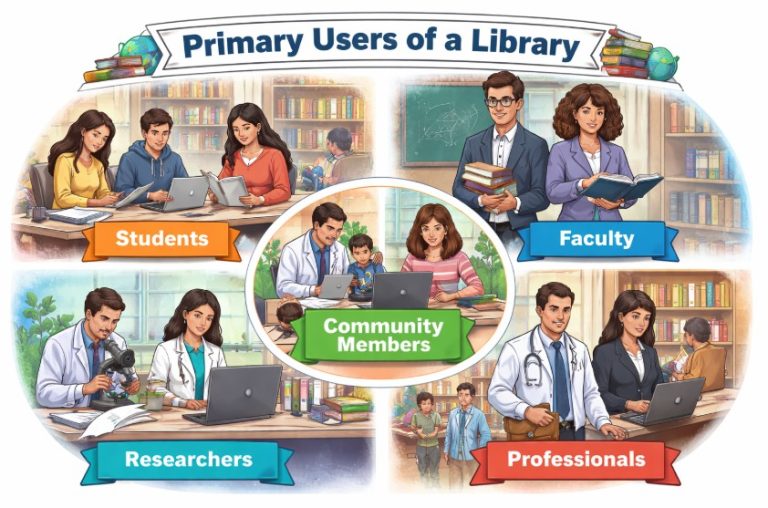
Who Are the Primary Users of a Library? Libraries are established to serve specific groups of people by providing access to…
PMEST is a theoretical framework introduced by S. R. Ranganathan for subject analysis in library classification, especially in faceted classification and…
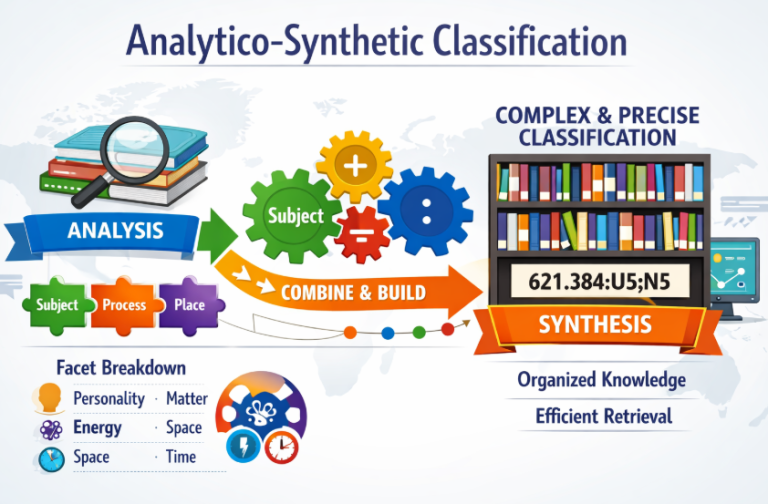
Analytico-Synthetic Classification is a fundamental approach to knowledge organization in library and information science that emphasizes systematic subject analysis and logical…
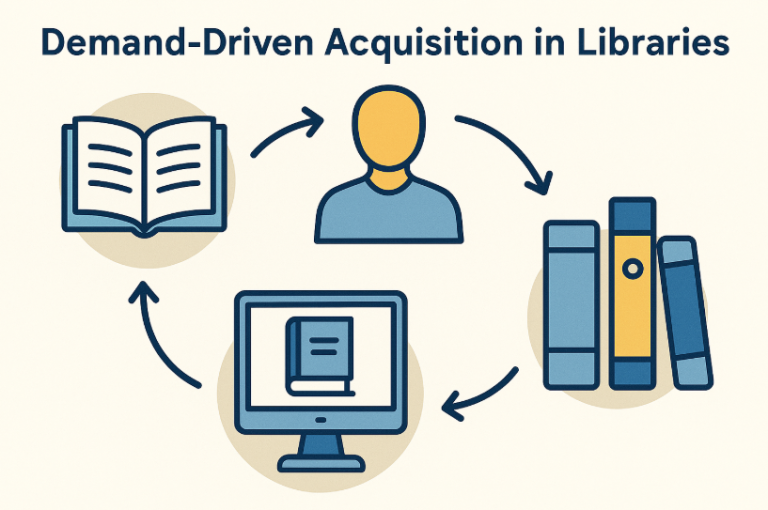
Demand-Driven Acquisition (DDA) is a modern, user-centered approach to library collection development in which resources are purchased only when there is…
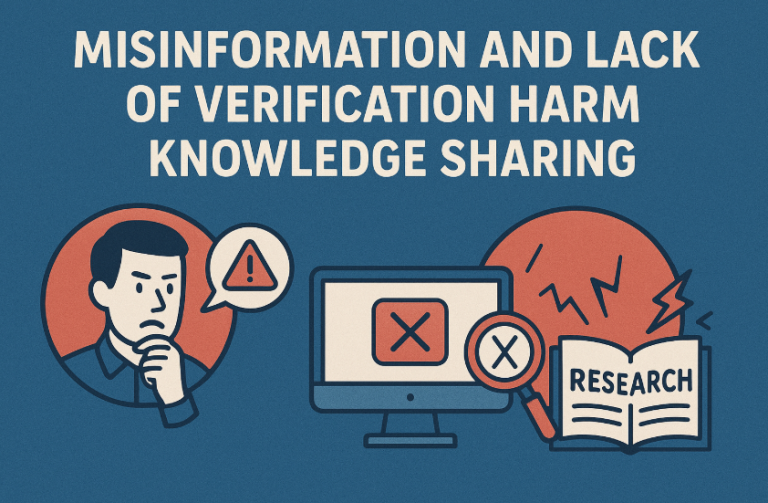
Misinformation significantly undermines trust in shared knowledge within academic and professional communities by weakening confidence in the accuracy, reliability, and credibility…
Modern libraries function as dynamic knowledge hubs in the digital era by blending traditional information services with advanced technologies to support…
Relying on a single source of information without verifying it elsewhere can expose individuals to several significant risks, often leading to…
An indexing language is a structured system of terms used to represent the subject content of documents in a consistent and…
Unverified knowledge refers to information, claims, or beliefs that have not been tested, validated, or confirmed through credible evidence or systematic…
Verifying the accuracy of knowledge in an academic or professional context means carefully examining information to ensure it is correct, reliable,…