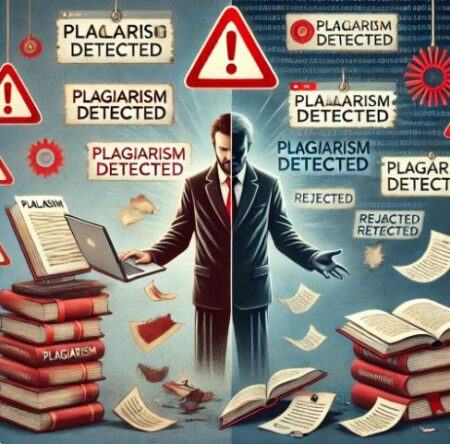
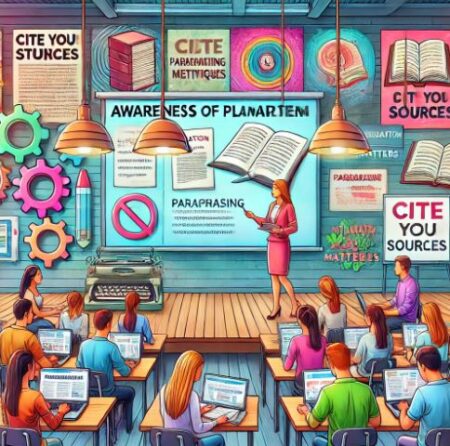
Plagiarism has long been recognized as a serious violation of academic integrity, undermining the foundation of scholarly work and the credibility of educational institutions. It occurs when individuals use someone else’s ideas, words, or research without proper acknowledgment, presenting them as their own. In academic environments, where the creation of original thought and the exchange of knowledge are central, plagiarism directly challenges the authenticity and intellectual rigor of academic pursuits. The act of plagiarizing not only compromises the academic reputation of students but also diminishes the value of degrees conferred by institutions that fail to address it effectively. As such, plagiarism erodes trust in both individual scholars and the institutions they represent, leading to a culture of dishonesty that can severely impact academic achievements and future opportunities. Student Behavior Fuels Plagiarism.
The significance of plagiarism in modern academic environments has grown increasingly concerning, particularly with the rapid development of technology. Easy access to vast amounts of information through the internet, along with the proliferation of digital tools, has made it simpler for students to copy and paste content from online sources. For example, a student might effortlessly extract text from a website, e-book, or academic paper and submit it as their own work. This ease of access has made plagiarism more tempting and, in some cases, more difficult to detect. However, the advent of advanced plagiarism detection tools, such as Turnitin and Copyscape, has allowed institutions to monitor and identify instances of academic dishonesty more effectively, raising the stakes for students caught engaging in such practices.
Despite these technological advancements, the persistence of plagiarism highlights that the issue is not solely technological but also deeply rooted in institutional and behavioral factors. Institutional factors, such as the clarity of academic integrity policies, the resources available to educate students on proper citation practices, and the pressures of academic achievement, all contribute to the prevalence of plagiarism. Similarly, student behavior plays a crucial role; factors like poor time management, lack of understanding of plagiarism, and the temptation to take shortcuts in the face of academic pressure often lead students to engage in dishonest practices. The interplay between institutional factors and student behavior creates a complex environment in which plagiarism can thrive. Addressing this issue requires a comprehensive approach that targets both the educational system’s shortcomings and the personal habits of students, aiming to foster a culture of academic honesty and integrity.
Plagiarism in Academic Contexts
Plagiarism in academic contexts refers to the unethical practice of using someone else’s ideas, research, or words without proper acknowledgment. It is a form of academic dishonesty that undermines the core principles of education—integrity, originality, and intellectual fairness. In academic environments, the expectation is that students and researchers will contribute new insights or build upon existing knowledge with proper attribution. When plagiarism occurs, it violates this principle and distorts the intellectual contribution made by others. For instance, when a student copies a paragraph from a published paper and submits it as their own work, they not only disregard the work of the original author but also deceive their instructors and peers about their academic capabilities.
There are various forms of plagiarism in academic settings, ranging from direct copying and pasting to more subtle acts like paraphrasing someone’s work without giving credit or reusing one’s own previously submitted papers without disclosure. In more extreme cases, students may submit entire research projects or essays bought from third-party services, further complicating the issue. Each of these practices poses significant challenges to the integrity of academic institutions, as they compromise the value of the degree programs they offer. Institutions are expected to produce graduates who are capable of independent, original thought, and plagiarism directly undermines this goal by producing work that is not truly reflective of the student’s abilities.
The consequences of plagiarism in academic contexts are far-reaching. Beyond the immediate academic penalties, such as receiving a failing grade or facing disciplinary action, plagiarism can have long-term effects on a student’s academic career. It can lead to the loss of academic credibility, damaged reputations, and even expulsion in severe cases. Moreover, plagiarism affects the broader academic community. It undermines the trust between students, faculty, and researchers, which is essential for the collaborative nature of scholarly work. For example, research findings that are plagiarized may be misinterpreted, falsified, or misused, thus contributing to the spread of false information in academic literature.
To address the problem of plagiarism, educational institutions must foster a culture of academic integrity. This includes educating students about the significance of originality, proper citation practices, and the ethical use of information. Additionally, universities and colleges must implement clear, transparent plagiarism policies and utilize advanced detection tools to identify and address instances of plagiarism. By taking these measures, academic institutions can promote a culture of honesty and responsibility, ensuring that academic work remains a reflection of individual effort, creativity, and intellectual growth.
Institutional Factors Contributing to Plagiarism in Academic Environments
Plagiarism is a persistent challenge in academic settings, and its prevalence is often influenced by various institutional factors. Educational institutions play a crucial role in shaping the ethical standards of their students and fostering an environment that either prevents or inadvertently encourages academic dishonesty. While individual student behavior is a key contributor to plagiarism, the institutional context in which students learn can have an equally significant impact. Let’s explore several institutional factors that contribute to plagiarism, including the clarity and enforcement of academic integrity policies, the availability of plagiarism prevention resources, institutional culture, academic pressures, and the use of plagiarism detection tools.
- Clarity and Enforcement of Academic Integrity Policies: One of the fundamental institutional factors influencing plagiarism is the clarity and consistency of academic integrity policies. For academic integrity policies to be effective, they must not only define plagiarism but also set out clear consequences for engaging in such behavior. Institutions that lack explicit policies or whose policies are unclear or inconsistently enforced may inadvertently create an environment where plagiarism is tolerated or overlooked. For example, if students are not educated about what constitutes plagiarism—whether it be copying, improper paraphrasing, or self-plagiarism—they may unknowingly commit these offenses. Furthermore, institutions that fail to rigorously enforce plagiarism policies and impose minimal penalties may unintentionally diminish the severity of the issue, leading students to feel that the risks associated with plagiarism are minimal.
In contrast, institutions with transparent and well-communicated academic integrity policies, along with firm enforcement mechanisms, are more likely to deter students from engaging in plagiarism. Clear guidelines, frequent reminders, and well-communicated consequences serve as essential tools in cultivating an atmosphere of academic honesty. When students are aware of the repercussions and the importance of integrity in their academic work, they are more likely to adhere to ethical standards. - Availability of Plagiarism Prevention Resources: The availability of resources designed to prevent plagiarism plays a pivotal role in reducing instances of academic dishonesty. Educational institutions must provide adequate training and support to help students understand how to properly attribute sources and avoid plagiarism. This can be achieved through workshops, online tutorials, and seminars that cover topics such as citation practices, paraphrasing, and the ethical use of sources. Institutions that fail to offer such resources leave students ill-equipped to avoid plagiarism, especially when they are not familiar with proper citation methods or may not fully grasp the ethical implications of using someone else’s work.
Additionally, institutions that invest in resources like citation management tools (e.g., Zotero, EndNote, and Mendeley) can empower students to organize and track their sources effectively. By offering these tools, academic institutions make it easier for students to manage their references and avoid the pitfalls of accidental plagiarism. Furthermore, providing access to academic writing centers or offering individualized support for students struggling with writing or research skills can be instrumental in fostering a deeper understanding of plagiarism prevention. - Institutional Culture and Attitudes Toward Plagiarism: Institutional culture significantly influences how students view plagiarism and academic integrity. In institutions where there is a pervasive attitude of leniency or indifference toward academic dishonesty, plagiarism can become normalized. For example, in environments where academic pressure is high and the focus is primarily on grades and performance, students may feel compelled to resort to plagiarism as a means of coping with academic stress or unrealistic expectations.
In such institutions, there may be an underlying message that the end result—achieving high marks or maintaining academic standing—is more important than the means by which those results are achieved. This can foster a culture where plagiarism is viewed as an acceptable shortcut to academic success. On the other hand, institutions with a strong culture of academic integrity, where ethical behavior is not only encouraged but expected, are more likely to have students who internalize the importance of honesty in their academic endeavors. A culture that values process over mere outcomes promotes an understanding that integrity is as important as achievement. - Academic Pressures and Expectations: Academic pressures and expectations are significant institutional factors that contribute to plagiarism. In highly competitive academic environments where students face heavy workloads, strict grading standards, and performance-based scholarships, the pressure to succeed can be overwhelming. Students may feel that plagiarizing is a necessary evil in order to keep up with the demands placed upon them. The intense pressure to meet deadlines, produce high-quality work, and achieve top grades can sometimes lead students to make unethical decisions, such as plagiarizing, to avoid the consequences of failure.
The academic environment itself can exacerbate this issue if institutions do not offer adequate support to manage these pressures. Institutions that prioritize well-being and balance, offering mental health services, academic counseling, and stress management workshops, can help mitigate these pressures. By promoting an environment where students are encouraged to prioritize learning and personal growth over competition and grades, plagiarism becomes less likely as a coping mechanism. - Use of Plagiarism Detection Tools: The integration of plagiarism detection tools into academic workflows is another institutional factor that can reduce plagiarism. Plagiarism detection software, such as Turnitin and Copyscape, plays a crucial role in identifying instances of academic dishonesty, whether intentional or accidental. Institutions that make effective use of these tools can detect and address plagiarism early, which discourages students from engaging in dishonest practices in the first place. These tools not only serve as a deterrent but also provide instructors with the means to offer constructive feedback to students on how to improve their citation and paraphrasing practices.
However, while plagiarism detection tools are invaluable in the fight against academic dishonesty, their effectiveness depends on how they are integrated into the academic process. Institutions that use these tools consistently and transparently, providing students with feedback and opportunities to learn from their mistakes, can foster a greater understanding of the importance of academic integrity. In contrast, institutions that only use plagiarism detection as a punitive measure without providing students with guidance on how to avoid plagiarism miss an opportunity to use technology as an educational tool.
Institutional factors—such as the clarity of academic integrity policies, the availability of plagiarism prevention resources, the institutional culture, academic pressures, and the use of plagiarism detection tools—play a significant role in either mitigating or contributing to the prevalence of plagiarism in academic environments. By addressing these factors, educational institutions can foster a culture of integrity and ethical scholarship, reducing the likelihood of plagiarism and enhancing the overall quality of academic work. Institutions that prioritize academic integrity through comprehensive policies, support resources, and a culture of honesty will help students avoid plagiarism and cultivate the skills necessary for responsible academic conduct in their future careers.
Student Behavior Fuels Plagiarism in Academic Environments
Plagiarism is not only a result of institutional shortcomings but is also heavily influenced by student behavior. While academic institutions have a crucial role to play in preventing plagiarism through clear policies and educational resources, students’ individual actions and attitudes often determine whether or not they engage in academic dishonesty. Student behavior is shaped by various psychological, social, and situational factors, many of which lead to the temptation to plagiarize. These behaviors can stem from a lack of understanding, the pressures of academic life, poor time management, and the perception that plagiarism is an acceptable shortcut to success. Let’s explore the primary student behaviors that contribute to plagiarism, such as lack of awareness, procrastination, academic pressure, and the influence of technology.
- Lack of Awareness and Understanding of Plagiarism: One of the most significant contributing factors to plagiarism is a lack of awareness or misunderstanding of what constitutes plagiarism. Many students, particularly those new to academic environments or unfamiliar with academic writing norms, may not fully understand the ethical implications of copying someone else’s work or failing to provide proper attribution. Students may mistakenly believe that common knowledge, or information they find online, does not need to be cited, leading them to inadvertently plagiarize. Similarly, students might not recognize that paraphrasing someone else’s ideas without citation is also a form of plagiarism.
Without comprehensive education on what plagiarism is and how to avoid it, students may not realize the gravity of their actions. In some cases, students may even think of plagiarism as a minor offense or a necessary means to meet the academic demands placed on them. Therefore, a significant portion of plagiarism may be the result of ignorance rather than malicious intent. This underscores the importance of institutions providing thorough education on academic integrity and plagiarism prevention, ensuring that students understand the full scope of plagiarism and its consequences. - Procrastination and Poor Time Management: Another behavior that fuels plagiarism is poor time management and procrastination. Many students struggle with completing assignments on time and often find themselves rushing to meet deadlines. In these high-pressure situations, students may opt to plagiarize as a means of circumventing the time and effort required to produce original work. Procrastination can create a sense of urgency that clouds decision-making, leading students to take shortcuts in order to submit their assignments on time.
For example, a student who has left their research paper until the last minute may find it tempting to copy sections from online sources rather than spend hours synthesizing the material and creating original content. The desire to avoid the stress of completing an assignment in a limited time frame can lead students to rationalize plagiarism as an acceptable solution. In such cases, students may justify their actions by thinking that the academic penalties will be less severe than the anxiety and pressure they feel in meeting deadlines. Addressing this behavior requires promoting better time management strategies and offering academic support to help students plan and manage their assignments more effectively. - Pressure to Perform and Academic Expectations: The pressure to succeed academically is another key factor that contributes to plagiarism. Students often feel immense pressure to achieve high grades in order to secure scholarships, meet familial expectations, or maintain their academic standing. In highly competitive academic environments, where grades and performance are often prioritized above all else, students may resort to plagiarism as a means of securing the grades they believe are necessary for their future success.
For instance, students may feel that they are unable to compete with their peers unless they produce work of the same caliber, even if it means copying and pasting from external sources. This intense pressure to perform academically can lead students to prioritize results over learning and personal integrity, and plagiarism becomes a perceived shortcut to achieving high marks. In such situations, students may not fully appreciate the long-term value of academic honesty, opting instead for what they believe will help them succeed in the short term. Institutional support, such as counseling services, academic advising, and resources on managing stress, can help mitigate these pressures and encourage students to approach academic work with integrity. - Influence of Technology and Easy Access to Information: The rapid development of technology has made it easier than ever for students to access vast amounts of information online. While the internet is an invaluable resource for academic research, it has also made it easier for students to engage in plagiarism. The ease of copying and pasting text from websites, journals, or e-books means that students can easily commit plagiarism without much effort or concern about being caught. In some cases, students may view this as a minor offense, especially if they are not familiar with proper citation techniques or do not have access to plagiarism detection tools that highlight the consequences of their actions.
Moreover, the availability of online services that offer pre-written essays, research papers, and other academic materials further exacerbates the problem. Some students may feel that purchasing or using these materials is an acceptable way to complete their assignments, viewing it as a shortcut rather than a form of academic dishonesty. The prevalence of these services has made plagiarism more accessible and tempting, especially when students are under pressure to perform or lack confidence in their ability to complete assignments on their own. - Peer Influence and Social Norms: Peer behavior also plays a significant role in influencing student decisions regarding plagiarism. In environments where cheating or plagiarism is normalized or even casually discussed, students may feel that such behavior is acceptable and common. For example, if a student sees their peers routinely engaging in plagiarism without facing consequences, they may be more inclined to adopt the same behavior. The normalization of dishonest practices within social groups or academic cohorts can create a culture where plagiarism is seen as a permissible or even necessary means to succeed.
Students may also engage in plagiarism due to a lack of confidence in their own abilities, leading them to mimic the work of their peers or to copy from sources they perceive as authoritative. This behavior is further reinforced by the desire to fit in and succeed alongside their peers, especially in competitive academic settings where group achievements are often emphasized.
Student behavior plays a critical role in the prevalence of plagiarism in academic environments. Whether driven by a lack of understanding, procrastination, academic pressure, or the easy accessibility of online resources, students’ actions can fuel plagiarism and undermine the academic integrity of educational institutions. Addressing these behaviors requires a multifaceted approach that includes providing comprehensive education on plagiarism, offering resources to support academic skills development, reducing academic pressures, and fostering a culture of academic integrity. By understanding and addressing the behaviors that lead to plagiarism, institutions can take significant steps toward reducing dishonesty and promoting ethical academic conduct among their students.
The Interplay Between Institutional Factors and Student Behavior
The issue of plagiarism in academic environments cannot be attributed solely to either institutional factors or student behavior; rather, it is the result of a complex interplay between the two. Institutional factors, such as policies, resources, and the academic environment, shape the way students approach academic work, while student behavior, including individual decisions and attitudes, significantly influences the overall academic culture. When both institutional structures and student behaviors align—or when one exacerbates the other—plagiarism becomes more prevalent and harder to address. Understanding this dynamic is key to developing effective strategies to reduce academic dishonesty and promote integrity in academic settings.
Institutions set the tone for student behavior through the creation of policies, the provision of resources, and the establishment of academic expectations. Clear, well-enforced academic integrity policies are one of the most direct ways that institutions can influence student behavior. When students are aware of the rules and consequences surrounding plagiarism, and when these policies are consistently enforced, they are less likely to engage in dishonest practices. However, if institutions fail to communicate these policies effectively or if penalties for plagiarism are inconsistently applied, students may perceive plagiarism as a minor offense or even a viable shortcut. In this way, weak institutional policies can lead to a normalization of plagiarism among students, who may feel justified in copying work or bypassing proper citation practices, especially if they believe the risk of being caught is low.
Conversely, strong institutional support, such as plagiarism prevention programs and academic integrity education, can help guide students toward ethical behavior. When institutions offer resources like workshops on proper citation, academic writing, and time management, students are more likely to understand the importance of academic honesty and how to avoid plagiarism. These resources, when combined with a supportive academic environment, can foster an attitude of responsibility and integrity among students. However, if students do not take advantage of these resources—due to lack of awareness, indifference, or time constraints—the effectiveness of institutional efforts may be limited. Thus, the success of institutional policies often depends on students’ willingness to engage with the resources provided and integrate these lessons into their academic practices.
On the other hand, student behavior can shape how institutional policies are perceived and followed. Students’ attitudes toward academic work, learning, and integrity are critical to determining whether they will adhere to institutional guidelines or resort to plagiarism. For example, students under immense academic pressure—whether due to high workload demands, external expectations, or the pursuit of scholarships—may be more likely to bypass the process of original research and engage in plagiarism as a shortcut to academic success. This behavior reflects a disconnect between the institutional emphasis on academic achievement and the student’s desire to meet performance expectations, often at the expense of academic integrity.
In such situations, institutional factors such as high academic pressure, rigid grading systems, and an overemphasis on outcomes rather than the learning process can exacerbate student behaviors that contribute to plagiarism. When academic success is tied solely to grades or when students feel that they are competing against their peers for limited resources, plagiarism may seem like a reasonable option to ensure success. For instance, students might feel justified in plagiarizing to meet the high expectations set by their professors or to remain competitive in their academic programs. Here, institutional pressures align with student behaviors, creating a cycle in which the environment encourages dishonest practices, while students, in turn, reinforce this cycle through their actions.
This interplay also extends to the use of technology. The increasing reliance on online resources has made information more accessible, which has had both positive and negative implications for academic integrity. On the one hand, the internet provides vast opportunities for learning and research; on the other hand, it has made it easier for students to copy and paste text without proper citation, especially when they are under time constraints or struggling with academic pressures. Educational institutions can play a role in mitigating this problem by providing tools like plagiarism detection software, which can deter students from engaging in dishonest practices. However, students’ attitudes toward these tools also matter: if they see plagiarism detection as a mere hurdle to overcome, rather than a tool for learning and improving, they may attempt to outmaneuver these systems, rather than learn from them. Moreover, the culture of an institution plays a significant role in influencing student behavior. In institutions where academic integrity is a core value, students are more likely to internalize the importance of honesty in their academic work. However, if the culture at an institution is one where plagiarism is overlooked or even accepted as a way to manage academic pressure, students may be more inclined to engage in dishonest behaviors. The institutional culture, therefore, influences not only how students perceive plagiarism but also how they justify or rationalize their actions.
Possible Solutions and Recommendations for Combating Plagiarism in Academic Environments
Plagiarism remains a significant challenge in academic environments, undermining the integrity of educational institutions and the value of scholarly work. Addressing this issue requires a comprehensive approach that involves both institutional interventions and student-focused strategies. By addressing the root causes of plagiarism, promoting academic integrity, and providing the necessary tools for students to succeed ethically, institutions can significantly reduce instances of academic dishonesty. Below are several possible solutions and recommendations that can help mitigate plagiarism in academic settings.
- Strengthening Institutional Policies and Enforcement: A key solution to combating plagiarism is the development and enforcement of clear, comprehensive academic integrity policies. Institutions should ensure that their plagiarism policies are clearly defined and communicated to students and staff. These policies should outline what constitutes plagiarism, provide examples of different forms of plagiarism (e.g., direct copying, self-plagiarism, improper paraphrasing), and specify the consequences of engaging in plagiarism.
Furthermore, consistent enforcement of these policies is crucial. Institutions should ensure that any instance of plagiarism is addressed in a fair and transparent manner, with clear consequences in place. Having a consistent approach to plagiarism enforcement sends a strong message that academic dishonesty will not be tolerated, deterring students from engaging in unethical practices. To ensure transparency, students should be made aware of the process for reporting and handling plagiarism cases, creating a culture of accountability. - Providing Education on Academic Integrity and Plagiarism Prevention: A proactive approach to plagiarism prevention involves providing students with education on academic integrity, proper citation practices, and plagiarism avoidance. Institutions should offer mandatory orientation sessions, workshops, or online courses that introduce students to the importance of academic integrity and the various ways they can avoid plagiarism. Topics should include proper citation methods (e.g., APA, MLA, Chicago), paraphrasing techniques, and the ethical use of sources.
Additionally, providing resources such as guides, tutorials, and plagiarism detection tools can help students understand how to properly manage their academic work. When students have access to the necessary tools and knowledge, they are more likely to engage in honest academic practices and avoid the temptation to plagiarize. For example, incorporating interactive tools that demonstrate the consequences of plagiarism or showing students how to effectively use citation management software (e.g., Zotero, EndNote, Mendeley) can empower them to produce original work while maintaining academic integrity. - Promoting Time Management and Academic Support: One of the key behavioral factors contributing to plagiarism is poor time management and procrastination. Students under pressure to meet deadlines may resort to plagiarism as a quick fix. Therefore, promoting better time management skills is essential to reducing plagiarism. Institutions can offer workshops or resources that help students manage their time effectively, plan for long-term projects, and avoid last-minute rushes that lead to academic dishonesty.
Academic support services, such as tutoring, writing centers, and counseling services, are also crucial. These services help students improve their academic skills, understand their assignments, and receive assistance with writing and research. By providing additional support for students who may struggle with academic tasks or experience high levels of stress, institutions can reduce the temptation to plagiarize due to a lack of confidence or skills. - Creating a Culture of Academic Integrity: Institutions should work towards creating a culture of academic integrity, where ethical behavior is not only encouraged but celebrated. This can be achieved by consistently emphasizing the importance of honesty in academic work throughout the institution, from faculty to students. Academic integrity should be integrated into the institution’s values, mission statements, and practices, and there should be an emphasis on the intrinsic value of learning and personal growth rather than just achieving high grades.
To build such a culture, universities can recognize and reward students who demonstrate a commitment to academic integrity, whether through awards, certificates, or public acknowledgment. Encouraging peer-to-peer discussions about the ethical use of sources and the consequences of plagiarism can also help foster a community of integrity. When students witness a culture that values and rewards academic honesty, they are more likely to internalize these values in their own academic work. - Utilizing Plagiarism Detection Tools Effectively: Plagiarism detection tools, such as Turnitin, can play a crucial role in both detecting plagiarism and educating students. Institutions should integrate plagiarism detection software into their academic workflows, ensuring that both students and faculty are aware of its existence and how it works. These tools can serve as a deterrent, as students are aware that their work will be checked for plagiarism.
In addition to detection, these tools can also serve an educational purpose. For example, instructors can provide feedback to students on how to improve their citation practices or paraphrasing techniques, helping them understand what went wrong in cases of unintentional plagiarism. However, it is important that plagiarism detection tools be used as a learning tool rather than a solely punitive one. By offering constructive feedback, institutions can help students learn from their mistakes and improve their academic practices moving forward. - Encouraging Responsible Use of Technology: The rise of digital tools and online resources has made plagiarism easier to commit but also easier to prevent. Institutions should educate students on how to responsibly use technology for academic purposes. While the internet is a valuable tool for research, it also provides easy access to plagiarized content. Teaching students how to evaluate and synthesize information rather than merely copying and pasting will help them develop critical thinking skills and reduce their reliance on dishonest practices. Moreover, institutions can promote the use of open-access scholarly databases, where students can access credible sources and research materials. Encouraging students to cite these sources correctly and engage with them critically will promote academic integrity and discourage the temptation to plagiarize.
- Fostering Transparent Assessment Practices: Finally, institutions should ensure that assessment practices themselves do not inadvertently encourage plagiarism. Assessment methods that encourage independent thought, critical analysis, and creativity are less likely to foster plagiarism than rote memorization or easily searchable assignments. By designing assignments that require original analysis, problem-solving, or personal reflection, educators can make plagiarism more difficult and less attractive to students. Incorporating formative assessments, such as drafts or peer reviews, into the evaluation process also allows students to receive feedback and make improvements before submitting their final work. This not only enhances the quality of student work but also reduces the likelihood of plagiarism by encouraging students to engage with their assignments on a deeper level.
Combating plagiarism in academic environments requires a multifaceted approach that addresses both institutional factors and student behaviors. Strengthening academic integrity policies, providing plagiarism prevention education, promoting better time management, fostering a culture of academic honesty, utilizing plagiarism detection tools, and encouraging responsible use of technology are all essential strategies. By taking these steps, institutions can significantly reduce the incidence of plagiarism, ensuring that academic work remains a true reflection of students’ abilities, efforts, and intellectual growth. In doing so, educational institutions can uphold their commitment to integrity, ethical scholarship, and the advancement of knowledge.
Reference Articles:
- Ahmadi, A. (2014). Plagiarism in the academic context: A study of Iranian EFL learners. Research Ethics, 10(3), 151–168. https://doi.org/10.1177/1747016113488859
- Akbar, A. (2018). Defining Plagiarism: A Literature Review. Ethical Lingua: Journal of Language Teaching and Literature, 5(1), 31–38. https://doi.org/10.30605/ethicallingua.v5i1.750
- Ashworth, P., Bannister ,Philip, Thorne ,Pauline, & and Students on the Qualitative Research Methods Course Unit. (1997). Guilty in whose eyes? University students’ perceptions of cheating and plagiarism in academic work and assessment. Studies in Higher Education, 22(2), 187–203. https://doi.org/10.1080/03075079712331381034
- Berlinck, R. G. S. (2011). The academic plagiarism and its punishments—A review. Revista Brasileira de Farmacognosia, 21, 365–372. https://doi.org/10.1590/S0102-695X2011005000099
- Beute, N., van Aswegen, E. S., & Winberg, C. (2008). Avoiding Plagiarism in Contexts of Development and Change. IEEE Transactions on Education, 51(2), 201–205. https://doi.org/10.1109/TE.2007.912407
- Coburn, C. E. (2004). Beyond Decoupling: Rethinking the Relationship Between the Institutional Environment and the Classroom. Sociology of Education, 77(3), 211–244. https://doi.org/10.1177/003804070407700302
- Comas-Forgas, R., & Sureda-Negre, J. (2010). Academic Plagiarism: Explanatory Factors from Students’ Perspective. Journal of Academic Ethics, 8(3), 217–232. https://doi.org/10.1007/s10805-010-9121-0
- Denisova-Schmidt, E., Prytula ,Yaroslav, & and Rumyantseva, N. L. (2019). Beg, borrow, or steal: Determinants of student academic misconduct in Ukrainian higher education. Policy Reviews in Higher Education, 3(1), 4–27. https://doi.org/10.1080/23322969.2018.1518726
- East, J. (2006). The problem of plagiarism in academic culture. International Journal for Educational Integrity, 2(2), Article 2. https://doi.org/10.21913/IJEI.v2i2.88
- Fatima, A., Abbas ,Asad, Ming ,Wan, Hosseini ,Samira, & and Zhu, D. (2019). Internal and External Factors of Plagiarism: Evidence from Chinese Public Sector Universities. Accountability in Research, 26(1), 1–16. https://doi.org/10.1080/08989621.2018.1552834
- Gasparyan, A. Y., Nurmashev, B., Seksenbayev, B., Trukhachev, V. I., Kostyukova, E. I., & Kitas, G. D. (2017). Plagiarism in the Context of Education and Evolving Detection Strategies. Journal of Korean Medical Science, 32(8), 1220–1227. https://doi.org/10.3346/jkms.2017.32.8.1220
- Georg, W. (2009). Individual and institutional factors in the tendency to drop out of higher education: A multilevel analysis using data from the Konstanz Student Survey. Studies in Higher Education, 34(6), 647–661. https://doi.org/10.1080/03075070802592730
- Gerhardt, D. (2006). Plagiarism in Cyberspace: Learning the Rules of Recycling Content with a View Towards Nurturing Academic Trust in an Electronic World. Richmond Journal of Law & Technology, 12(3), 10.
- Heckler, N. C., & Forde, D. R. (2015). The Role of Cultural Values in Plagiarism in Higher Education. Journal of Academic Ethics, 13(1), 61–75. https://doi.org/10.1007/s10805-014-9221-3
- Husain, F. M., Al-Shaibani, G. K. S., & Mahfoodh, O. H. A. (2017). Perceptions of and Attitudes toward Plagiarism and Factors Contributing to Plagiarism: A Review of Studies. Journal of Academic Ethics, 15(2), 167–195. https://doi.org/10.1007/s10805-017-9274-1
- Kahu, E. R., & and Nelson, K. (2018). Student engagement in the educational interface: Understanding the mechanisms of student success. Higher Education Research & Development, 37(1), 58–71. https://doi.org/10.1080/07294360.2017.1344197
- Kashian, N., Cruz, S. M., Jang, J., & Silk, K. J. (2015). Evaluation of an Instructional Activity to Reduce Plagiarism in the Communication Classroom. Journal of Academic Ethics, 13(3), 239–258. https://doi.org/10.1007/s10805-015-9238-2
- Li, J., & Xue, E. (2023). Dynamic Interaction between Student Learning Behaviour and Learning Environment: Meta-Analysis of Student Engagement and Its Influencing Factors. Behavioral Sciences, 13(1), Article 1. https://doi.org/10.3390/bs13010059
- Macdonald, R., & and Carroll, J. (2006). Plagiarism—A complex issue requiring a holistic institutional approach. Assessment & Evaluation in Higher Education, 31(2), 233–245. https://doi.org/10.1080/02602930500262536
- Magyar, A. E. (2012). Plagiarism and attribution: An academic literacies approach. Journal of Learning Development in Higher Education, 4, Article 4. https://doi.org/10.47408/jldhe.v0i4.141
- Marsh, B. (2012). Plagiarism: Alchemy and Remedy in Higher Education. State University of New York Press.
- Melius, J. (2011). The Influence of Undergraduate Students’ Engagement Practices and Their Institutional Environment on Academic Achievement. Journal of Human Behavior in the Social Environment, 21(6), 606–624. https://doi.org/10.1080/10911359.2011.583494
- Ørngreen, R., Meyer, B., & Buhl, M. (2019). ECEL 2019 18th European Conference on e-Learning. Academic Conferences and publishing limited.
- Reason, R. D., Cox, B. E., Lutovsky Quaye, B. R., & Terenzini, P. T. (2010). Faculty and Institutional Factors that Promote Student Encounters with Difference in First-Year Courses. The Review of Higher Education, 33(3), 391–414.
- Salleh, M. H. B. (2011). ACADEMIC DISHONESTY: FACTORS THAT CONTRIBUTE PLAGIARISM IN A TECHNICAL COLLEGE IN MALAYSIA.
- Scanlan, C. L. (2006). Strategies to Promote a Climate of Academic Integrity and Minimize Student Cheating and Plagiarism. Journal of Allied Health, 35(3), 179–185.
- Shaghaghi, M., & Vasfi, M.-R. (2019). An Investigation into the Underpinning Factors of Plagiarism among Universities in Iran. Libri, 69(3), 201–212. https://doi.org/10.1515/libri-2017-0100
- Sung, M., & Yang, S.-U. (2009). Student–university relationships and reputation: A study of the links between key factors fostering students’ supportive behavioral intentions towards their university. Higher Education, 57(6), 787–811. https://doi.org/10.1007/s10734-008-9176-7
- Tamdgidi, M. H., Kutz, E., & Zamel, V. (2011). Teaching Transformations 2011—Contributions from the May 2011 Joint Annual Conference of the Center for Innovative Teaching (CIT) and Educational Technology (EdTech) at UMass Boston. Ahead Publishing House (imprint: Okcir Press).
- Titus, M. A. (2004). An Examination of the Influence of Institutional Context on Student Persistence at 4-Year Colleges and Universities: A Multilevel Approach. Research in Higher Education, 45(7), 673–699. https://doi.org/10.1023/B:RIHE.0000044227.17161.fa