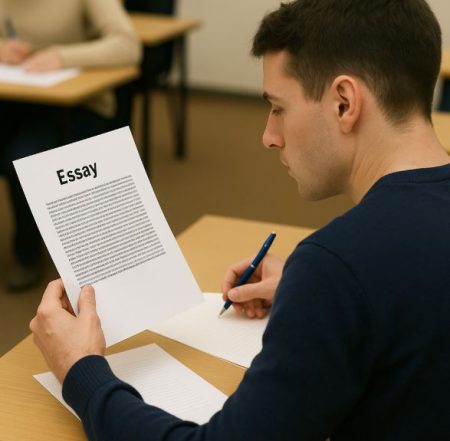
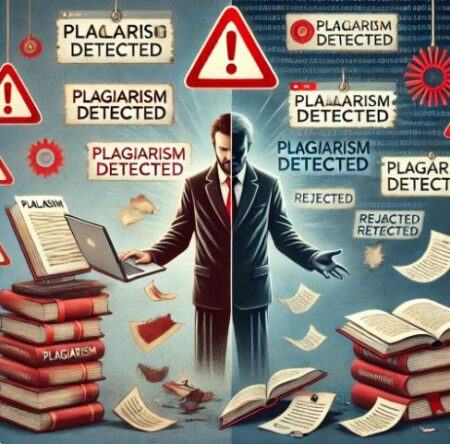
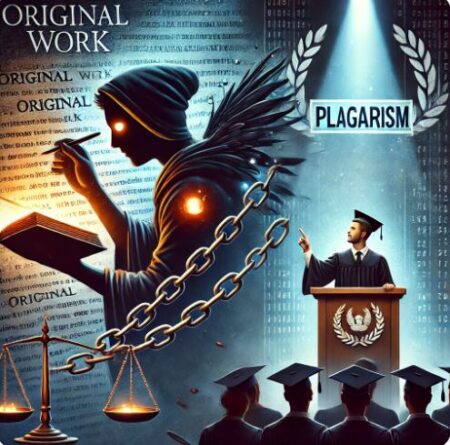
Plagiarism, the act of using someone else’s work or ideas without proper acknowledgment, is a violation of ethical and intellectual standards. It is considered a serious offense because it undermines the principles of honesty, originality, and respect for intellectual property. While often associated with academic misconduct, plagiarism extends far beyond the classroom. In the professional world, it can damage reputations, erode trust, and even result in job loss. Moreover, plagiarism can have legal repercussions, particularly when it involves copyright infringement, leading to financial penalties or lawsuits.
The consequences of plagiarism affect individuals, institutions, and industries, tarnishing credibility and stifling creativity. Whether intentional or accidental, failing to credit sources diminishes the integrity of one’s work and disrespects the efforts of the original creator. By understanding why plagiarism is unethical and harmful, individuals can strive to uphold the values of integrity and accountability in all forms of writing and creative expression.
The Academic Consequences of Plagiarism
Plagiarism is a grave violation of academic integrity, and its consequences can have lasting impacts on a student’s academic journey and future prospects. Educational institutions uphold strict standards of originality and honesty, and plagiarism undermines these principles, leading to disciplinary actions and reputational harm. Below are some of the key academic consequences of plagiarism:
- Failing Grades: Plagiarism often results in an immediate penalty of failing the specific assignment or the entire course. Educators view plagiarism as a fundamental violation of the academic process, where students are expected to develop and present their own ideas. A failing grade serves as a deterrent and reinforces the importance of originality. However, a single failed grade can impact a student’s overall academic performance, GPA, and ability to meet graduation requirements, particularly in highly competitive programs.
- Academic Probation or Suspension: Students caught plagiarizing may be placed on academic probation, where their academic activities are closely monitored. Probation often involves additional requirements, such as completing workshops on academic integrity or demonstrating improvement in subsequent work. Repeated or severe cases of plagiarism can lead to temporary suspension from the institution. Suspension disrupts the student’s education, creating delays in coursework, internships, and other academic pursuits, which can have ripple effects on their future plans.
- Expulsion from the Institution: Institutions may resort to expulsion for the most egregious instances of plagiarism, particularly deliberate and extensive copying. Expulsion is the most severe penalty, permanently removing the student from the academic program. This ends their current educational journey and tarnishes their record, making it difficult to transfer to another institution. Expulsion carries a lasting stigma, often noted on academic transcripts, which can hinder future educational and professional opportunities.
- Loss of Scholarships and Opportunities: Many scholarships, grants, and financial aid programs require students to adhere to high academic and ethical standards. Plagiarism violates these terms, leading to the loss of funding. This can create financial burdens, making it difficult for students to continue their education. Additionally, plagiarism can disqualify students from valuable opportunities such as internships, research positions, or leadership roles, which are critical for career development. Losing these opportunities can set students back significantly in their academic and professional pursuits.
- Rescission of Degrees: Plagiarism discovered after graduation can have devastating consequences, including the revocation of academic degrees or certifications. Institutions reserve the right to investigate and penalize academic misconduct even retroactively. This invalidates the individual’s academic achievements and damages their credibility in their professional field. For example, a researcher or professional whose degree is revoked due to plagiarism may face significant barriers to continuing their career.
- Damage to Reputation and Relationships: Plagiarism damages trust between students and faculty members. Professors and academic advisors, who often play a significant role in providing mentorship and recommendations, may lose confidence in a student’s abilities and integrity. This erosion of trust can limit access to valuable academic resources, guidance, or endorsements for further studies or career opportunities. Among peers, being labeled as a plagiarist can create social stigma, making collaboration and teamwork challenging.
- Limited Future Opportunities: A record of academic misconduct often follows students throughout their educational and professional lives. Institutions typically maintain records of plagiarism incidents, which may need to be disclosed when applying for advanced programs, scholarships, or even jobs. Admissions committees and employers often consider ethical behavior as a critical factor, and a history of plagiarism can result in rejection. For students aiming to pursue careers in research, academia, or other fields that demand high ethical standards, plagiarism can be a permanent obstacle.
The academic consequences of plagiarism are severe and far-reaching. Failing grades, academic probation, suspension, expulsion, and the loss of scholarships or degrees can significantly impact a student’s education and future aspirations. Beyond institutional penalties, plagiarism damages trust, reputation, and opportunities for intellectual and professional growth. To avoid these outcomes, students must prioritize originality, seek guidance on proper citation practices, and commit to ethical writing and research. Upholding academic integrity is a matter of avoiding consequences and a foundation for genuine learning, creativity, and success.
The Professional Consequences of Plagiarism
Plagiarism, the act of presenting someone else’s work, ideas, or intellectual property as your own, is not confined to academic settings. In the professional world, plagiarism is a serious ethical violation with far-reaching consequences. It undermines trust, damages reputations, and can derail careers. Industries such as journalism, publishing, academia, business, and even creative arts depend heavily on originality, intellectual honesty, and accountability, making the consequences of plagiarism particularly severe in professional contexts. Below, we explore the major repercussions of plagiarism in the professional world.
- Damage to Professional Reputation: Plagiarism severely damages an individual’s reputation within their profession. Being exposed as a plagiarist signals dishonesty and a lack of originality, traits that are detrimental in any career. Colleagues, employers, and clients may lose trust in the individual, perceiving them as unreliable or unethical. This reputational damage can extend beyond the immediate workplace, as the stigma of plagiarism often spreads within professional networks. Rebuilding trust and credibility can take years and, in some cases, may never fully recover.
- Loss of Employment: Many organizations have zero-tolerance policies for plagiarism, viewing it as a breach of trust and professional ethics. Employees caught plagiarizing may face immediate termination, particularly in fields like journalism, advertising, academia, or law, where integrity and originality are paramount. Losing a job due to plagiarism can tarnish a professional’s record, making it harder to secure future employment. Termination for plagiarism often becomes a red flag in resumes or background checks, signaling a lack of integrity to potential employers.
- Legal Consequences: In professional contexts, plagiarism often involves copyright infringement, which can lead to serious legal repercussions. Using someone else’s work without permission may violate copyright laws, exposing the plagiarist to lawsuits. Legal outcomes can include financial penalties, court-ordered settlements, and injunctions preventing further use of the copied material. In cases where the plagiarist’s actions harm the original creator’s reputation or revenue, the penalties may be even more severe. For organizations, the legal fallout can result in additional costs for settlements, legal fees, and damage-control measures.
- Loss of Professional Licenses or Certifications: For professionals in regulated industries, plagiarism can result in disciplinary actions from licensing boards or governing bodies. For example:
- Academia: Professors and researchers caught plagiarizing may lose tenure or face bans from academic publishing.
- Law: Lawyers found guilty of plagiarizing in briefs or arguments risk suspension or disbarment.
- Medicine: Medical professionals who plagiarize research papers or patient care protocols may face suspension of their medical licenses.
Losing a professional license not only halts the individual’s career but also damages their credibility, making reentry into the field nearly impossible.
- Reduced Career Opportunities: Plagiarism can have long-term consequences for career advancement. A history of ethical violations makes it difficult for individuals to gain trust and secure promotions, leadership positions, or competitive roles. In industries where collaboration and originality are highly valued—such as marketing, design, or technology—plagiarism can block career progression entirely. Employers and clients often prioritize ethical behavior and creativity, and a record of plagiarism undermines both.
- Harm to Organizational Reputation: Plagiarism by an employee can damage the reputation of the organization they represent. For instance:
- A journalist caught plagiarizing damages the credibility of their publication, causing readers to question the reliability of its reporting.
- A marketing agency accused of copying another company’s campaign may lose clients and face public criticism.
- A researcher found guilty of plagiarizing in a high-profile study can tarnish the reputation of their affiliated institution or organization.
Organizations often bear the burden of public scrutiny and may need to issue apologies, withdraw plagiarized work, or undertake expensive rebranding efforts to repair the damage.
- Financial Losses: Plagiarism can result in significant financial repercussions for both individuals and organizations. Legal penalties, settlements, and fines are common outcomes, particularly when plagiarism involves high-profile cases or valuable intellectual property. Additionally, businesses may face indirect financial losses, such as reduced revenue from damaged client relationships or increased costs for redoing plagiarized work. In extreme cases, organizations may lose investors or sponsors due to reputational harm, further compounding the financial impact.
- Stifled Innovation and Creativity: Plagiarism undermines the creative process by promoting shortcuts instead of genuine effort. Individuals who rely on copying fail to develop their own ideas, skills, and unique contributions. This stagnation limits personal and professional growth, as plagiarists miss opportunities to engage deeply with their work. On a broader scale, plagiarism devalues original contributions within an industry, discouraging creators and innovators. Industries that thrive on creativity and innovation, such as technology, media, and the arts, suffer when plagiarism becomes widespread.
- Loss of Client Trust: In professions that involve direct client interactions, plagiarism can erode trust and damage relationships. For example:
- A consultant who plagiarizes a report may lose credibility with their client, leading to contract cancellations.
- A graphic designer caught using copied artwork risks losing commissions and tarnishing their reputation within the creative community.
- A public relations firm accused of copying another campaign may struggle to retain existing clients and attract new ones.
Once trust is lost, rebuilding it requires significant time, effort, and reputation management, which may not always succeed.
- Emotional and Professional Isolation: Being exposed as a plagiarist can lead to professional and social isolation. Colleagues and peers may distance themselves from the individual, viewing them as untrustworthy or unethical. This isolation can make it difficult to collaborate, network, or rebuild a career. The emotional toll of being publicly associated with plagiarism can also affect confidence and motivation, further impeding professional recovery.
The professional consequences of plagiarism are severe and far-reaching, impacting individuals, organizations, and entire industries. From reputational damage and job loss to legal repercussions and financial harm, the costs of plagiarism far outweigh any perceived benefits. For professionals, maintaining ethical standards, respecting intellectual property, and prioritizing originality are essential to long-term success and credibility. Organizations must also foster a culture of integrity, providing clear policies and education on plagiarism to protect their reputation and ensure sustainable growth. By upholding these values, individuals and organizations alike can navigate the professional world with trust and accountability.
The Legal Consequences of Plagiarism
Plagiarism, the act of using someone else’s work or ideas without proper acknowledgment, is more than just an ethical breach—it can also have serious legal consequences. While often associated with academic or professional misconduct, plagiarism frequently overlaps with violations of intellectual property rights, particularly copyright law. In today’s interconnected and digital world, where content is easily shared and copied, the legal implications of plagiarism have become increasingly significant. Here are the potential legal repercussions of plagiarism and highlights why respecting intellectual property is essential.
- Copyright Infringement: One of the most common legal outcomes of plagiarism is copyright infringement. Copyright law protects original works of authorship, including written texts, music, art, software, and multimedia. When an individual plagiarizes content that is protected by copyright, they infringe on the creator’s exclusive rights. Legal actions for copyright infringement can include:
- Lawsuits: The copyright owner can sue for damages, particularly if the plagiarized material was used for commercial purposes or caused financial harm.
- Statutory Damages: Courts can impose fines, even if no monetary loss occurred, with penalties often ranging from hundreds to thousands of dollars per violation.
- Injunctions: Courts may issue orders to prevent the further use, sale, or distribution of the plagiarized material.
Copyright infringement cases are often time-consuming and costly, with outcomes that can permanently damage the plagiarist’s financial standing and reputation.
- Financial Penalties: Plagiarism can lead to significant financial consequences, both directly and indirectly. Direct financial penalties may arise from:
- Compensatory Damages: Plagiarists may be required to compensate the original creator for losses, such as lost revenue or harm to their reputation.
- Legal Fees: Both parties may incur substantial costs for legal representation, adding to the financial burden.
- Punitive Damages: Courts may impose additional fines to deter future misconduct.
Indirect financial costs may include losing business contracts, clients, or partnerships if the plagiarism damages the plagiarist’s or their organization’s reputation.
- Breach of Contract: In professional settings, plagiarism can violate terms outlined in contracts. For example:
- Publishing Agreements: Submitting plagiarized material breaches the trust and terms of a publishing contract, potentially resulting in legal disputes, retractions, and loss of future opportunities.
- Employment Contracts: Plagiarism may violate ethical or professional clauses, justifying termination and potentially leading to lawsuits for damages incurred by the employer.
Breach of contract cases can result in significant legal liabilities for the plagiarist and their affiliated organization.
- Criminal Charges: In extreme cases, plagiarism can lead to criminal charges. While criminal liability is rare, it may apply in specific contexts, such as:
- Forgery: Falsifying or altering documents to present plagiarized work as original can result in forgery charges.
- Fraud: Using plagiarized content to gain financial benefits, academic certifications, or employment can constitute fraud, leading to criminal prosecution.
- Theft of Trade Secrets: In business contexts, copying proprietary or confidential information can be treated as theft, resulting in severe penalties, including imprisonment.
These cases often involve high-profile disputes and draw significant public attention, further damaging the plagiarist’s reputation.
- Retractions and Public Apologies: In industries such as academia and publishing, plagiarized works are often formally retracted. Retractions may include public statements acknowledging the misconduct, which can have lasting reputational consequences. In addition, plagiarists may be required to issue apologies, either privately or publicly, to the original creator and affected parties. These measures are not only legally binding but also serve to mitigate the reputational harm caused by plagiarism.
- Organizational Repercussions: When plagiarism occurs within a corporate or institutional setting, the consequences extend beyond the individual. Organizations implicated in plagiarism may face:
- Reputational Damage: Plagiarism harms the organization’s credibility and trust among stakeholders, clients, and the public.
- Loss of Business: A damaged reputation can lead to lost contracts, partnerships, or revenue.
- Regulatory Scrutiny: Ethical violations may attract regulatory or legal investigations, leading to further penalties and oversight.
Organizations often bear the financial and reputational burden of plagiarism, even if the act was committed by an individual employee.
- Complexities of International Law: In cases involving international plagiarism, navigating legal systems becomes more complex. Copyright laws vary across jurisdictions, and the enforcement of intellectual property rights can be challenging in cross-border disputes. Treaties like the Berne Convention for the Protection of Literary and Artistic Works facilitate international copyright protection, but the legal process can still be time-intensive and expensive.
The legal consequences of plagiarism are far-reaching, encompassing lawsuits, financial penalties, breach of contract disputes, and even criminal charges in extreme cases. Beyond the immediate legal implications, plagiarism damages reputations, disrupts careers, and undermines trust in individuals and organizations. Understanding and respecting copyright laws and intellectual property rights is essential for avoiding these outcomes. Whether in academia, publishing, or professional settings, prioritizing originality and ethical practices ensures compliance with the law and fosters a culture of integrity and innovation. Individuals and organizations can protect themselves from legal risks and contribute to a fair and respectful intellectual environment by taking these steps.
Conclusion Plagiarism carries profound consequences that span academic, professional, and legal spheres, affecting individuals and organizations alike. In academics, it undermines the principles of learning and integrity, leading to penalties such as failing grades, suspension, or even expulsion. Professionally, plagiarism damages reputations, halts careers, and can harm organizations’ credibility and financial stability. On a legal level, it can result in lawsuits, financial penalties, and, in extreme cases, criminal charges. The ripple effects of plagiarism extend beyond immediate punishment, leaving lasting impacts on trust, creativity, and opportunities.
Ethical writing and originality are the cornerstones of success in any endeavor. They demonstrate respect for intellectual property, foster trust, and contribute to the advancement of knowledge and innovation. By prioritizing these values, individuals protect themselves from the consequences of plagiarism and lay the foundation for meaningful personal and professional growth.
To uphold integrity and avoid plagiarism, it is crucial to adopt best practices, such as understanding citation requirements, paraphrasing effectively, and using plagiarism detection tools. By committing to ethical writing and fostering a culture of accountability, we not only elevate our own work but also contribute to a more honest and respectful intellectual community. Let us embrace originality as a standard, ensuring that our ideas and contributions shine authentically.
Reference Articles:
- Abbasi, P., Yoosefi-Lebni, J., Jalali, A., Ziapour, A., & Nouri, P. (2021). Causes of the plagiarism: A grounded theory study. Nursing Ethics, 28(2), 282–296. https://doi.org/10.1177/0969733020945753
- Agrawal, R. (2020). Plagiarism. Indian Journal of Pathology and Microbiology, 63(2), 175. https://doi.org/10.4103/0377-4929.282724
- Berlinck, R. G. S. (2011). The academic plagiarism and its punishments—A review. Revista Brasileira de Farmacognosia, 21, 365–372. https://doi.org/10.1590/S0102-695X2011005000099
- Dawson, M. M., & Overfield, J. A. (2006). Plagiarism: Do Students Know What It Is? Bioscience Education, 8(1), 1–15. https://doi.org/10.3108/beej.8.1
- Fusch, P., Ness, L., Booker, J., & Fusch, G. (2017). The Ethical Implications of Plagiarism and Ghostwriting in an Open Society. Journal of Sustainable Social Change, 9(1). https://doi.org/10.5590/JOSC.2017.09.1.04
- Helgesson, G., & Eriksson, S. (2015). Plagiarism in research. Medicine, Health Care and Philosophy, 18(1), 91–101. https://doi.org/10.1007/s11019-014-9583-8
- Kurambayev, B. (2020). The Causes and Consequences of Plagiarism by Journalists in Central Asia. Asian Studies Review, 44(4), 691–708. https://doi.org/10.1080/10357823.2020.1747982
- Latourette, A. W. (2010). Plagiarism: Legal and Ethical Implications for the University. Journal of College and University Law, 37, 1.
- Lose, G. (2011). Plagiarism. International Urogynecology Journal, 22(8), 903–904. https://doi.org/10.1007/s00192-011-1437-9
- Moss, S. A., White, B., & Lee, J. (2018). A Systematic Review Into the Psychological Causes and Correlates of Plagiarism. Ethics & Behavior, 28(4), 261–283. https://doi.org/10.1080/10508422.2017.1341837
- Traniello, J. F. A., & Bakker, T. C. M. (2016). Intellectual theft: Pitfalls and consequences of plagiarism. Behavioral Ecology and Sociobiology, 70(11), 1789–1791. https://doi.org/10.1007/s00265-016-2207-y