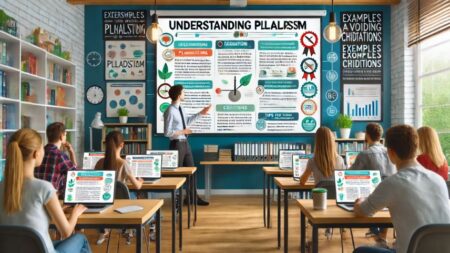
Libraries serve as vital hubs for academic integrity, pivotal in combating plagiarism within educational institutions and beyond. By providing access to a wealth of reliable resources, state-of-the-art tools, and tailored training programs, libraries empower students, researchers, and faculty to uphold ethical practices in their work. Their efforts are not limited to offering plagiarism detection software; they also foster a deeper understanding of proper citation, referencing, and paraphrasing techniques, helping individuals avoid unintentional plagiarism.
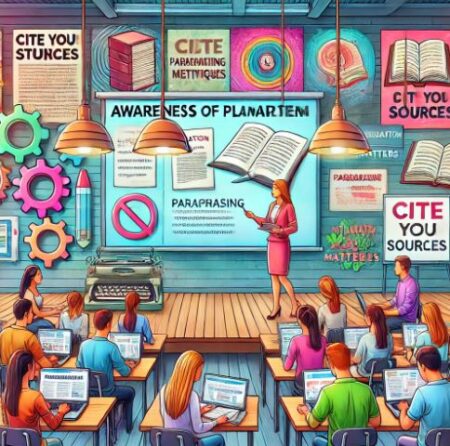
Moreover, libraries actively promote awareness about the consequences of academic dishonesty through workshops, seminars, and collaborative initiatives with educators. They also play a crucial role in shaping institutional policies emphasizing originality and intellectual honesty. As centers of learning and knowledge dissemination, libraries are uniquely positioned to create an environment where academic excellence is achieved through honesty, creativity, and respect for intellectual property.
The Role of Libraries in Promoting Academic Integrity and Combating Plagiarism
In academic institutions, integrity is the cornerstone of genuine learning and research. Upholding this principle ensures the credibility of scholarly work and fosters a culture of originality and ethical behavior. Libraries play a pivotal role in promoting academic integrity and combating plagiarism by providing the tools, resources, and guidance necessary to empower students and researchers in their academic journey.
- Educating on Academic Integrity: Libraries are at the forefront of educating students and researchers about academic honesty and the consequences of plagiarism. Through workshops, training sessions, and orientations, libraries teach the importance of originality and how to avoid academic dishonesty. They also offer targeted instruction on how to properly attribute sources, emphasizing the ethical use of information in scholarly work.
- Providing Access to Essential Resources: Libraries are treasure troves of reliable resources, offering access to books, academic journals, databases, and credible online materials. By providing these resources, libraries reduce the temptation for students to plagiarize from questionable or unverified sources. Furthermore, libraries ensure that students have access to citation guides for various referencing styles, such as APA, MLA, and Chicago, making it easier to properly credit sources.
- Offering Plagiarism Detection Tools: Many libraries subscribe to plagiarism detection tools such as Turnitin or iThenticate, allowing students and faculty to check the originality of their work before submission. These tools serve as deterrents to plagiarism and provide valuable feedback to help users understand and correct improper citations or paraphrasing.
- Developing Research and Writing Skills: Plagiarism often stems from a lack of knowledge or confidence in research and writing skills. Libraries address this by offering one-on-one research consultations, tutorials, and guides that teach proper paraphrasing, summarizing, and citation techniques. By helping students build these foundational skills, libraries empower them to produce original and ethical work.
- Advocating for Institutional Policies: Libraries play a significant role in shaping and supporting institutional policies on plagiarism and academic integrity. By collaborating with faculty, administrators, and academic integrity offices, libraries ensure that clear guidelines and consequences are established and communicated to the academic community.
- Promoting Digital and Information Literacy: In the digital age, the abundance of easily accessible information can make plagiarism more tempting. Libraries combat this by offering digital literacy programs that teach students to responsibly evaluate, use, and attribute online information. These programs also help students understand the importance of intellectual property rights.
- Encouraging Ethical Research Practices: Libraries emphasize the value of originality and ethical research through their services and programming. They encourage students and researchers to develop critical thinking skills, formulate unique perspectives, and engage deeply with their subjects rather than resorting to shortcuts like plagiarism.
- Supporting Faculty in Combating Plagiarism: Faculty members are key partners in the fight against plagiarism, and libraries provide them with the tools and support needed to design plagiarism-proof assignments and detect potential cases of academic dishonesty. Collaborative workshops between libraries and faculty help integrate plagiarism-prevention strategies into the curriculum.
- Creating a Culture of Academic Integrity: Beyond tools and policies, libraries foster a culture where academic honesty is celebrated and valued. They provide study environments that promote genuine learning and intellectual growth, helping students understand that success comes from original effort and ethical scholarship.
Libraries are more than repositories of books and knowledge—they are champions of academic integrity and critical allies in the fight against plagiarism. By educating, equipping, and empowering students and researchers, libraries uphold the principles of honesty and originality that are essential for academic and professional success. In an era where information is abundant and easily misused, libraries remain steadfast in their mission to promote ethical practices and nurture a culture of trust and accountability in academia.
How Libraries Educate Students and Researchers About Plagiarism and Its Consequences
Libraries are key players in the effort to promote academic integrity by educating students and researchers about plagiarism and its potential consequences. Through a combination of workshops, resources, and personalized support, libraries empower individuals to understand the importance of originality and ethical scholarship. Here’s how libraries achieve this:
- Hosting Workshops and Training Sessions: Libraries frequently organize interactive workshops to teach students and researchers what constitutes plagiarism and how to avoid it. These sessions cover topics such as:
- Identifying different types of plagiarism (e.g., direct plagiarism, self-plagiarism, accidental plagiarism).
- Proper citation and referencing techniques across various styles (e.g., APA, MLA, Chicago).
- The ethical use of information in academic and professional writing.
Workshops are often tailored to specific groups, such as undergraduates, graduate students, or researchers, ensuring that the content aligns with their needs.
- Creating Accessible Educational Materials: Libraries provide guides, infographics, and video tutorials to explain plagiarism concepts clearly. These materials are often available on library websites or learning management systems, making them easily accessible for self-paced learning.
Topics covered may include:- Paraphrasing and summarizing correctly.
- Avoiding unintentional plagiarism.
- Using tools like citation generators and plagiarism checkers effectively.
- Providing One-on-One Consultations: Librarians offer personalized consultations to help students and researchers understand plagiarism and improve their academic writing skills. During these sessions, librarians:
- Review drafts to identify potential issues with citation or paraphrasing.
- Provide tailored advice on research techniques and source attribution.
- Help individuals understand specific institutional plagiarism policies.
- Offering Access to Plagiarism Detection Tools: Many libraries provide access to plagiarism detection tools like Turnitin or iThenticate. These tools allow students and researchers to check their work for originality before submission. Libraries also provide training on how to interpret the results of these tools and use them as a learning opportunity.
- Collaborating with Faculty and Academic Departments: Libraries often work with faculty to incorporate plagiarism education into course curricula. By aligning efforts, libraries ensure that students receive consistent messages about academic honesty. This collaboration may include:
- Designing assignments that minimize opportunities for plagiarism.
- Integrating library sessions on plagiarism during class time.
- Providing faculty with resources to address plagiarism concerns effectively.
- Highlighting the Consequences of Plagiarism: Libraries play a crucial role in raising awareness about the consequences of plagiarism, which can include:
- Academic penalties (e.g., failing grades, suspension, expulsion).
- Damage to personal and professional reputation.
- Legal implications, particularly in cases involving copyright infringement.
By emphasizing these repercussions in workshops, materials, and consultations, libraries encourage students to prioritize ethical research practices.
- Promoting Digital and Information Literacy: Libraries help students navigate the complexities of using digital resources responsibly. This includes:
- Teaching how to evaluate online sources for credibility.
- Explaining intellectual property rights and fair use policies.
- Providing training on citation management tools like Zotero, Mendeley, or EndNote to simplify the referencing process.
- Fostering a Culture of Academic Integrity: Beyond individual resources, libraries create an environment that values originality and ethical behavior. This culture is fostered through:
- Plagiarism awareness campaigns, such as “Integrity Weeks.”
- Displays and posters promoting academic honesty.
- Celebrating originality through competitions or showcases of exemplary student work.
Libraries play a multifaceted role in educating students and researchers about plagiarism and its consequences. Library resources, workshops, and personalized support equip individuals with the knowledge and skills to maintain academic integrity. This proactive approach ensures that students and researchers understand the ethical implications of plagiarism and develop the confidence to produce original and honest work.
What Role Do Library Orientation Programs Play in Raising Awareness About Plagiarism Prevention?
Library orientation programs are pivotal in raising awareness about plagiarism prevention by giving students and researchers an early introduction to academic integrity principles and the tools necessary to uphold them. These programs are often the first opportunity for individuals to learn about the concept of plagiarism, its various forms, and the serious academic and professional consequences it entails. By addressing this issue at the outset of an academic journey, libraries set the stage for a culture of originality and ethical scholarship.
One of the key elements of library orientation is familiarizing students with the resources available to help them avoid plagiarism. These resources often include citation guides for formats like APA, MLA, or Chicago, access to plagiarism detection tools such as Turnitin, and training on citation management software like Zotero or Mendeley. Library staff equips students with practical skills for proper source attribution and ethical research practices by demonstrating how to use these tools. This early exposure demystifies complex concepts like referencing and paraphrasing, reducing the likelihood of unintentional plagiarism.
Library orientations also serve as a platform to communicate institutional policies on academic integrity. Through collaborations with academic departments and integrity offices, these programs clearly outline the expectations for ethical behavior and the repercussions of violating plagiarism rules. Understanding these policies early deters academic dishonesty and ensures that students feel confident in seeking help if they are unsure about proper citation or research techniques.
Additionally, library orientations help students build a connection with librarians, establishing them as approachable and knowledgeable resources. This relationship encourages students to seek guidance on research and writing challenges, including how to cite sources correctly or interpret plagiarism detection reports. By fostering this sense of support, orientations play a crucial role in creating a safe environment for learning and growth. Library orientation programs contribute to a broader culture of academic integrity by emphasizing the value of original work and intellectual property rights. These sessions highlight the long-term benefits of ethical scholarship, including personal credibility and professional success. By instilling these values at an early stage, libraries help students develop habits that extend beyond their academic careers into their professional lives.
Library orientation programs are essential in raising awareness about plagiarism prevention. They provide foundational knowledge, introduce critical tools and resources, clarify institutional policies, and foster supportive relationships between students and librarians. These programs ensure that academic integrity becomes a guiding principle throughout their educational and professional journeys by equipping individuals with the skills and understanding they need.
How Can Libraries Collaborate with Faculty to Integrate Plagiarism Education into Academic Curricula?
Libraries and faculty share the responsibility of fostering academic integrity, and their collaboration is essential to integrating plagiarism education into academic curricula. By working together, libraries and faculty can design and implement effective strategies to help students understand plagiarism and develop ethical research and writing practices. A key approach is embedding library-led sessions into courses, where librarians provide targeted instruction on topics such as plagiarism definitions, proper citation, and the use of plagiarism detection tools. These sessions are particularly impactful when tied to specific assignments, allowing students to immediately apply their learning in a practical context.
Another way libraries can collaborate with faculty is by co-developing assignments and projects that emphasize ethical research. Assignments like annotated bibliographies, research papers with mandatory citation reviews, and draft submissions with feedback on proper attribution help reinforce the importance of originality and source documentation. Faculty can also integrate plagiarism prevention into syllabi, incorporating library-recommended resources, workshops, or quizzes to ensure that students are familiar with institutional policies and best practices for avoiding plagiarism.
Libraries can further support faculty by providing tailored learning materials, such as discipline-specific citation guides and tutorials, which are particularly useful for fields with unique referencing styles or conventions. Additionally, librarians can offer training sessions for faculty, equipping them with tools and strategies to detect and prevent plagiarism in their classrooms. This might include guidance on using plagiarism detection software effectively or designing assignments that minimize opportunities for academic dishonesty.
Collaboration extends to shaping institutional policies and fostering a culture of academic integrity. Libraries and faculty can jointly develop consistent guidelines for addressing plagiarism, organize events like Academic Integrity Week, and use data from plagiarism detection tools to identify common challenges faced by students. These insights can inform curriculum design and highlight areas where additional instruction or resources may be needed.
In creating a collaborative environment, libraries, and faculty emphasize that plagiarism prevention is a shared responsibility. By combining their expertise, they can ensure that students understand the principles of academic honesty and feel supported in practicing them. This partnership creates a comprehensive approach to plagiarism education, integrating it seamlessly into the academic experience and preparing students for ethical scholarship and professional success.
What Tools and Resources Can Libraries Provide to Help Students Properly Cite Their Sources?
Proper citation is a cornerstone of maintaining academic integrity and avoiding plagiarism in academia. However, mastering the nuances of citation styles and formatting can be challenging for many students. Libraries play a vital role in simplifying this process by offering a range of tools, resources, and support systems designed to help students properly cite their sources. Here’s a closer look at how libraries empower students to excel in their academic writing while upholding ethical research practices.
- Comprehensive Citation Style Guides: Libraries provide detailed citation guides that cover a variety of referencing styles, including APA, MLA, Chicago, and others. These guides offer step-by-step instructions for citing different types of sources, such as books, journal articles, websites, and multimedia. In addition to print materials, many libraries make these guides available online, ensuring students can access them anytime. Quick-reference sheets and templates further simplify the citation process by offering clear examples of commonly used formats.
- Citation Management Software: One of the most valuable tools libraries provide is access to citation management software. These tools help students collect, organize, and format their references efficiently. Popular options include:
- Zotero: A free, user-friendly tool for managing bibliographies and citations.
- EndNote: A powerful tool for organizing references, commonly used for extensive research projects.
- Mendeley: A reference manager that doubles as a collaboration tool for researchers.
- RefWorks: A cloud-based citation management tool ideal for organizing and sharing references.
Libraries often provide training sessions or tutorials to teach students how to use these tools effectively. By automating much of the citation process, these tools reduce errors and save time.
- Online Citation Generators: For quick and straightforward citation needs, libraries recommend reputable online citation generators like BibMe, EasyBib, or Cite This For Me. These tools allow students to create citations by simply entering source details into predefined fields. While these generators are convenient, libraries also caution students to review generated citations for accuracy and alignment with specific style guidelines.
- Plagiarism Detection Tools: Libraries provide access to plagiarism detection tools, such as Turnitin and iThenticate, which not only identify unoriginal content but also highlight areas where citations may be missing or improperly formatted. These tools act as both a safety net and a learning resource, helping students understand the importance of proper source attribution.
- Workshops and Tutorials: Libraries frequently organize workshops and create tutorials focused on citation practices. These sessions cover a wide range of topics, including:
- Understanding when and how to cite.
- Proper paraphrasing and quoting techniques.
- Formatting citations for various types of sources.
- Using citation management tools effectively.
Interactive workshops and online tutorials allow students to practice their skills and gain confidence in their ability to cite sources accurately.
- Personalized Support from Librarians: One of the most impactful resources libraries offer is personalized support through one-on-one consultations. Librarians help students address specific citation challenges, such as citing unusual sources or understanding complex style guidelines. This individualized assistance ensures that students receive tailored guidance suited to their needs and academic level.
- Access to Authoritative Reference Manuals: Libraries maintain collections of essential reference materials, such as the Publication Manual of the American Psychological Association (APA), the MLA Handbook, and the Chicago Manual of Style. These authoritative texts provide comprehensive guidance on citation rules and formatting. Many libraries also provide digital access to these resources, making them more convenient for students.
- Subject-Specific Citation Resources: Different disciplines often have unique citation requirements. Libraries curate specialized resources for fields like:
- Law: Citation guides for Bluebook and other legal formats.
- Science: Resources for AMA, ACS, and similar styles.
- Engineering: Guidance on technical formats like IEEE.
By offering discipline-specific citation support, libraries ensure that students have the tools they need to meet the unique demands of their academic field.
- Online Research Guides and FAQs: Libraries create online research guides (LibGuides) that provide concise and practical information on citation practices. These guides often include:
- Instructions for citing various types of sources.
- Links to recommended citation tools.
- Answers to frequently asked questions about formatting and attribution.
Online guides are handy for students seeking quick, reliable answers while working on assignments.
- Sample Papers and Templates: To help students visualize proper citation integration, libraries provide sample papers formatted in different citation styles. These examples demonstrate how to incorporate in-text citations and organize reference lists. Additionally, libraries often share templates in tools like Microsoft Word or Google Docs, pre-configured with correct formatting for specific styles.
- Ethical Citation Education: Beyond providing tools and resources, libraries educate students on the ethical importance of proper citation. Through workshops, guides, and campaigns, they emphasize the value of acknowledging intellectual property and fostering a culture of academic honesty. This holistic approach ensures that students know how to cite and understand why citation is a critical part of scholarly work.
Libraries are indispensable allies in helping students master the art of citation. From comprehensive style guides and citation management tools to personalized support and plagiarism detection software, libraries offer a wealth of resources to ensure that students can cite their sources accurately and confidently. Libraries play a crucial role in fostering academic success and integrity by simplifying the citation process and promoting ethical research practices. Students who take advantage of these tools and resources are better equipped to navigate the complexities of academic writing while upholding the principles of honesty and respect for intellectual property.
How Can Libraries Promote the Use of Citation Management Software Like Zotero or EndNote to Encourage Proper Attribution?
Proper citation is a critical skill for academic success and maintaining integrity in research. However, managing numerous references manually can be overwhelming for students and researchers. Citation management tools like Zotero, EndNote, and Mendeley simplify this process by helping users organize, format, and cite sources efficiently. Libraries, as key facilitators of academic support, are pivotal in promoting these tools to encourage proper attribution and ethical research practices. Here’s how libraries can effectively drive the adoption and use of citation management software:
- Hosting Workshops and Training Sessions: One of the most impactful ways libraries can promote citation management software is by organizing workshops and training sessions. These sessions can cater to various skill levels, from beginners learning the basics to advanced users exploring complex functionalities. Key topics might include:
- Setting up and customizing tools like Zotero or EndNote.
- Importing and organizing references from academic databases.
- Using plugins to insert citations and generate bibliographies in word processors like Microsoft Word or Google Docs.
By offering hands-on guidance, libraries empower students and researchers to use these tools confidently and effectively in their academic work.
- Creating Accessible Online Resources: Libraries can develop online resources, such as video tutorials, FAQs, and step-by-step guides, to help users navigate citation management tools. These resources ensure that students and researchers can learn at their own pace and revisit the material whenever needed. Hosting these materials on library websites or learning management systems makes them readily accessible to the academic community.
- Incorporating Software Training Into Orientation Programs: Orientation programs provide an excellent opportunity to introduce students to citation management tools early in their academic journey. Libraries can include brief demonstrations of tools like Zotero or EndNote during these sessions, highlighting how they simplify the research process and ensure proper citation. This early exposure helps students integrate these tools into their academic practices from the outset.
- Collaborating With Faculty to Integrate Tools Into Curricula: Libraries can collaborate with faculty to embed citation management tools into course curricula. For example:
- Research Methods Classes: Teach students to use tools like Zotero to organize references and create bibliographies.
- Capstone Projects or Theses: Requiring students to manage their citations with software to streamline their research process.
- Faculty endorsements of these tools can significantly boost adoption rates as students recognize their practical value in academic assignments.
- Offering Personalized Consultations: Libraries can provide one-on-one consultations to help students and researchers overcome specific challenges with citation management tools. Personalized sessions might include:
- Setting up accounts and integrating tools with word processors.
- Managing large bibliographies for dissertations or research projects.
- Troubleshooting technical issues, such as exporting references or changing citation styles.
This tailored support ensures that users feel confident in adopting these tools for their academic needs.
- Promoting Tools Through Library Websites and Social Media: Libraries can use their websites and social media platforms to actively promote citation management software. Regular blog posts, social media campaigns, and announcements can highlight:
- The benefits of using citation tools for research.
- Tips and tricks for optimizing workflows.
- Upcoming workshops or new features in software updates.
By keeping these tools visible and relevant, libraries can maintain interest and engagement among students and researchers.
- Providing Free or Discounted Access to Premium Tools: Libraries can encourage the use of citation management tools by providing free or discounted access to premium versions of software like EndNote. Institutional licenses or partnerships with software providers can eliminate financial barriers, making these tools more accessible to a broader audience.
- Highlighting Time-Saving Benefits: Many students and researchers are drawn to tools that save time and reduce manual effort. Libraries can emphasize how citation management tools streamline tedious tasks, such as:
- Automatically generating citations and bibliographies.
- Importing references directly from databases and websites.
- Organizing sources into folders for easy retrieval.
By showcasing these practical advantages, libraries can motivate users to adopt these tools as part of their academic routine.
- Using Real-Life Examples and Case Studies: Libraries can demonstrate the effectiveness of citation management tools by sharing real-life examples or case studies. For instance, showcasing how a researcher used Zotero to manage hundreds of sources for a dissertation or how a collaborative team leveraged Mendeley to share references in real-time can inspire others to adopt these tools.
- Fostering a Culture of Ethical Research: Beyond practical benefits, libraries can highlight how citation management tools contribute to ethical scholarship by ensuring accurate attribution. Campaigns, events, and workshops can emphasize the importance of acknowledging intellectual property and maintaining academic integrity, reinforcing the value of these tools in upholding ethical research practices.
Citation management tools like Zotero and EndNote are invaluable assets for students and researchers navigating the complexities of academic writing. Libraries play a critical role in promoting these tools by offering workshops, creating accessible resources, collaborating with faculty, and providing personalized support. By showcasing the practical and ethical benefits of citation software, libraries simplify the research process and help foster a culture of academic honesty and proper attribution. Through these efforts, libraries empower users to succeed in their academic endeavors while maintaining the highest standards of integrity.
What Role Do Libraries Play in Shaping Institutional Policies on Plagiarism?
Libraries play a crucial role in shaping institutional policies on plagiarism by leveraging their expertise, resources, and collaborative networks to promote academic integrity. As centers of knowledge, libraries contribute valuable insights into best practices for plagiarism prevention, ethical scholarship, and intellectual property management. Librarians are often active participants in academic integrity committees, where they provide guidance on crafting clear and effective plagiarism policies. Their deep understanding of citation practices and plagiarism detection tools positions them as essential advisors in creating policies that are both enforceable and educational.
One of the key ways libraries contribute is by facilitating access to and training on plagiarism detection tools like Turnitin or iThenticate. By analyzing usage trends and identifying common challenges faced by students and faculty, libraries provide data-driven insights that help institutions refine their policies. They also ensure that these tools are used ethically, advocating for a balanced approach that prioritizes education over punitive measures. This perspective helps shape policies that differentiate between intentional and unintentional plagiarism, emphasizing remediation and learning opportunities for first-time offenders.
Libraries also play a pivotal role in educating the academic community about plagiarism policies. Through workshops, orientation programs, and online resources, libraries ensure that students and faculty understand the rules and expectations surrounding academic integrity. By embedding policy awareness into library programming and integrating it into coursework in collaboration with faculty, libraries help institutionalize plagiarism prevention as a core component of the academic experience.
Moreover, libraries advocate for fair and consistent enforcement of plagiarism policies across departments. They collaborate with faculty and administrators to ensure that policies are applied uniformly and align with the institution’s academic mission. Libraries also contribute to creating supportive environments that encourage originality and ethical research practices. By fostering a culture of academic integrity, libraries ensure that plagiarism policies are seen not merely as disciplinary measures but as frameworks for promoting trust, accountability, and scholarly excellence.
In What Ways Can Libraries Offer Personalized Guidance or Workshops on Ethical Research Practices?
Libraries have long been regarded as hubs of academic support, offering resources, tools, and expertise to help students and researchers succeed. In today’s academic environment, ethical research practices are more important than ever, as they underpin academic integrity and the credibility of scholarly work. Libraries play a vital role in fostering these practices by offering personalized guidance and workshops tailored to meet the diverse needs of their communities. Here’s how libraries can support ethical research through customized assistance and targeted programming.
- One-on-One Consultations for Tailored Support: Libraries excel at providing personalized, one-on-one consultations to address individual challenges in research and academic writing. These sessions allow librarians to work closely with students and researchers to:
- Navigate complex citation and referencing requirements.
- Identify credible sources and evaluate their ethical use.
- Develop effective paraphrasing and summarizing skills to avoid unintentional plagiarism.
These consultations are especially helpful for those dealing with unique ethical concerns, such as citing unconventional sources, managing large-scale research projects, or understanding discipline-specific research standards. By offering individualized support, libraries ensure that users receive the guidance they need to uphold ethical standards in their work.
- Workshops on Core Ethical Research Practices: Libraries can organize workshops that address essential aspects of ethical research. These sessions are particularly effective when designed to meet the needs of specific audiences, such as undergraduates, graduate students, or faculty. Workshop topics might include:
- Plagiarism Awareness and Prevention: Teaching students to recognize different forms of plagiarism and how to avoid them.
- Proper Citation Techniques: Covering the nuances of various citation styles, such as APA, MLA, and Chicago, and introducing citation management tools like Zotero and EndNote.
- Ethical Use of Digital Resources: Addressing issues such as copyright, fair use, and the responsible use of open-access materials.
Interactive activities, such as analyzing case studies or practicing citation skills, make these workshops engaging and practical, ensuring that participants can immediately apply what they’ve learned.
- Discipline-Specific Sessions for Targeted Learning: Ethical research practices can vary significantly across disciplines. Libraries can tailor workshops to address the unique needs of different fields, such as:
- STEM: Focusing on ethical data management, avoiding fabrication or falsification, and understanding scientific publishing norms.
- Humanities: Exploring proper citation of primary and secondary sources and addressing ethical concerns in qualitative research.
- Social Sciences: Highlighting the responsible use of survey data and addressing ethical issues in fieldwork and human subjects research.
By offering discipline-specific sessions, libraries help students and researchers understand the ethical expectations relevant to their areas of study.
- Integrating Ethical Research Education Into Academic Curricula: Libraries can collaborate with faculty to embed ethical research education into course curricula. This might involve:
- Designing assignments that encourage ethical research practices, such as annotated bibliographies or research papers with multiple drafts and citation reviews.
- Delivering guest lectures or workshops during class sessions to reinforce the importance of academic integrity.
- Creating course-specific research guides that address common ethical challenges in assignments.
This integration ensures that ethical research education is seamlessly incorporated into the academic experience, reaching students at critical points in their learning journey.
- Online Tutorials and Self-Paced Resources: To accommodate the diverse schedules of students and researchers, libraries can develop online tutorials and resources that provide flexible learning opportunities. These might include:
- Video tutorials on topics such as plagiarism prevention, proper citation, and the ethical use of information.
- Interactive modules with quizzes to test understanding of ethical research practices.
- LibGuides and FAQs that offer step-by-step instructions for conducting ethical research.
Online resources are particularly valuable for remote learners and those who need quick access to reliable information.
- Hosting Academic Integrity Events and Campaigns: Libraries can raise awareness of ethical research practices by organizing events and campaigns that emphasize the importance of academic integrity. Examples include:
- Academic Integrity Week: Featuring workshops, panel discussions, and activities that explore topics such as plagiarism, intellectual property, and research ethics.
- Collaborations With Faculty and Experts: Hosting guest speakers or panels that address ethical challenges in specific fields or disciplines.
These events foster a culture of honesty and responsibility, encouraging students and researchers to prioritize ethical practices in their work.
- Training on Research Tools and Software: Libraries provide training on tools that support ethical research, such as:
- Citation Management Software: Tools like Zotero, EndNote, and Mendeley help researchers organize and format citations, reducing the risk of unintentional plagiarism.
- Plagiarism Detection Tools: Software such as Turnitin or iThenticate can help students and researchers identify areas of concern in their work and correct them before submission.
By teaching users how to leverage these tools effectively, libraries help simplify the research process while reinforcing the importance of proper attribution.
- Addressing Real-World Ethical Challenges: Ethical research involves more than just avoiding plagiarism-it also includes navigating complex situations such as:
- Understanding and avoiding self-plagiarism.
- Managing conflicts of interest in collaborative research.
- Ensuring the ethical use of sensitive data or human subjects.
Libraries can provide guidance on these topics through consultations, workshops, and curated resources, helping researchers make informed decisions in their work.
- Building Relationships With Researchers: Libraries can foster ongoing relationships with students and researchers by offering consistent support throughout their academic journeys. Regular check-ins or consultations help individuals stay on track with ethical practices and provide opportunities to address any challenges that arise during the research process.
Libraries are central in promoting ethical research practices through personalized guidance and targeted workshops. By addressing the specific needs of students and researchers, providing flexible learning options, and fostering collaborations with faculty, libraries create an environment that prioritizes academic integrity and responsible scholarship. These efforts help individuals avoid ethical pitfalls and empower them to contribute valuable, credible work to their academic and professional communities. Through their comprehensive support, libraries ensure that ethical research remains a cornerstone of academic success.
Reference Articles:
- Abasi, A. R., & Graves, B. (2008). Academic literacy and plagiarism: Conversations with international graduate students and disciplinary professors. Journal of English for Academic Purposes, 7(4), 221–233. https://doi.org/10.1016/j.jeap.2008.10.010
- Bell, S. (2018). Addressing student plagiarism from the library learning commons. Information and Learning Science, 119(3/4), 203–214. https://doi.org/10.1108/ILS-10-2017-0105
- Diane, P. (2013). Teaching To Avoid Plagiarism: How To Promote Good Source Use: How to Promote Good Source Use. McGraw-Hill Education (UK).
- Germek, G. (2012). The Lack of Assessment in the Academic Library Plagiarism Prevention Tutorial. College & Undergraduate Libraries, 19(1), 1–17. https://doi.org/10.1080/10691316.2012.652547
- Giannakouli, V., Vraimaki, E., Koulouris, A., Kokkinos, D., Kouis, D., Kyprianos, K., & Triantafyllou, I. (2023). How academic librarians combat student plagiarism. The Journal of Academic Librarianship, 49(6), 102785. https://doi.org/10.1016/j.acalib.2023.102785
- Gourlay, L., & Greig, J. (2007). Avoiding plagiarism, developing identities: Responsibility, academic literacies and the curriculum. https://napier-repository.worktribe.com/output/240843
- Gunnarsson, J., Kulesza, W. J., & Pettersson, A. (2014). Teaching International Students How to Avoid Plagiarism: Librarians and Faculty in Collaboration. The Journal of Academic Librarianship, 40(3), 413–417. https://doi.org/10.1016/j.acalib.2014.04.006
- Idiegbeyan-ose, J., Ifijeh, G., Segun-Adeniran, C., Esse, U., Owolabi, S., & Aregbesola, A. (2018). Towards Curbing Plagiarism in Higher Institutions of Learning: The Strategic Role of the Library. Library Philosophy and Practice (e-Journal). http://digitalcommons.unl.edu/libphilprac
- Jackson, P. A. (2006). Plagiarism Instruction Online: Assessing Undergraduate Students’ Ability to Avoid Plagiarism. College & Research Libraries, 67(5), Article 5. https://doi.org/10.5860/crl.67.5.418
- Kar, S. (2024). Academic Integrity, Research Ethics, and Plagiarism: Identifying the Role of Academic Libraries in India through Literature Review. 2(4).
- Khan, A., Richardson, J., & Izhar, M. (2021). Awareness about plagiarism and the effectiveness of library literacy programme towards its deterrence: A perspective of postgraduate resident doctors. Global Knowledge, Memory and Communication, 70(8/9), 731–755. https://doi.org/10.1108/GKMC-08-2020-0130
- Kloda, L., & Nicholson, K. (2007). An exploration of the role of Canadian academic libraries in promoting academic integrity. International Journal for Educational Integrity, 3(1), Article 1. https://doi.org/10.21913/IJEI.v3i1.128
- Lampert, L. (2014). Combating Student Plagiarism: An Academic Librarian’s Guide. Elsevier.
- Matonkar, P. V., & Gopakumar, V. (2024). Beyond Books: Librarians as gatekeepers in the fight against plagiarism. College Libraries, 39(2), Article 2.
- Snyder Gibson, N., & Chester‐Fangman, C. (2011). The librarian’s role in combating plagiarism. Reference Services Review, 39(1), 132–150. https://doi.org/10.1108/00907321111108169
- Stander, M. (2020). Strategies to help university students avoid plagiarism: A focus on translation as an intervention strategy. Journal of Further and Higher Education, 44(2), 156–169. https://doi.org/10.1080/0309877X.2018.1526260
- Stepchyshyn, V., & Nelson, R. S. (2007). Library Plagiarism Policies. Assoc of Cllge & Rsrch Libr.
- Strittmatter, C., & Bratton, V. K. (2014). Plagiarism Awareness among Students: Assessing Integration of Ethics Theory into Library Instruction. College & Research Libraries, 75(5), Article 5. https://doi.org/10.5860/crl.75.5.736
- Wilhoit, S. (1994). Helping Students Avoid Plagiarism. College Teaching. https://www.tandfonline.com/doi/abs/10.1080/87567555.1994.9926849
- Williamson, C., & McGregor, J. (2011). Generating knowledge and avoiding plagiarism: Smart information use by high school students. School Library Media Research, 14, 1–12.