
The responsibilities of a librarian are multifaceted and central to the smooth operation of libraries, whether academic, public, or specialized. At the heart of a librarian’s role is the management and organization of information, ensuring that users have access to the resources they need, both in physical and digital formats. For example, in an academic library, librarians manage collections of textbooks, research journals, and e-books, ensuring these resources are easily accessible to students and faculty. Librarians are responsible for acquiring, cataloguing, and classifying books, journals, and other materials, maintaining a comprehensive and well-organized collection. In this process, they use standardized classification systems, such as the Dewey Decimal Classification or the Library of Congress system, to ensure materials are easy to locate.
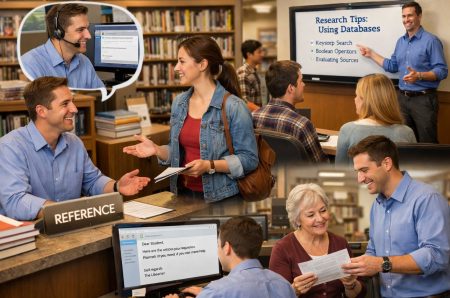
Beyond collection management, librarians play a crucial role in facilitating research by providing reference services, assisting with information retrieval, and educating users on research methods and information literacy. For instance, a librarian might assist a student with finding academic articles on a specific topic or teach a workshop on how to effectively use databases like JSTOR or PubMed. They help students and faculty develop the skills necessary to navigate vast amounts of information, ensuring they can find credible and relevant sources.
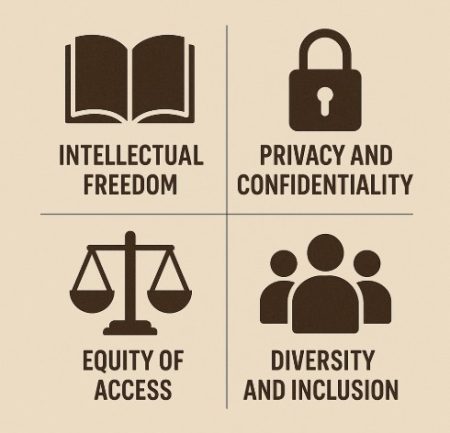
Librarians also ensure that the library is an inclusive space, promoting access to information for all users, regardless of their background or abilities. In a public library setting, this might involve offering books in multiple languages or providing resources for users with disabilities, such as screen readers or Braille books. With the rapid advancement of technology, librarians are increasingly tasked with managing digital resources, overseeing online databases, and ensuring the library’s digital infrastructure is up-to-date. For example, a librarian at a university might manage access to an array of e-journals, ensuring students can access scholarly articles remotely via the university’s digital library portal. Furthermore, librarians collaborate with faculty and staff to integrate library resources into academic curricula, support learning initiatives, and contribute to the development of institutional repositories. A librarian might assist a faculty member in curating a list of essential readings for a course or help set up a repository for academic theses and dissertations, making student research more accessible to the wider academic community. Librarians must also navigate issues of copyright and intellectual property, ensuring that resources are used legally and ethically. For instance, they may provide guidance on the fair use of copyrighted materials in course materials or help faculty members understand licensing agreements for electronic resources.
Their role extends to managing library budgets, organizing educational programs, and staying informed about the evolving landscape of library science and technology to adapt library services to modern needs. In addition, librarians often organize workshops or outreach programs, such as digital literacy classes or author talks, to engage with the community
What is a Librarian?
A librarian is a trained professional responsible for managing, organizing, and curating information in libraries to ensure that users can easily access the resources they need. They play a critical role in a wide range of settings, including academic, public, school, and specialized libraries. The librarian’s work involves more than just shelving books; they are information experts who oversee the acquisition, classification, and preservation of materials, which can include books, journals, e-books, audiovisual content, and digital archives. Librarians ensure that resources are organized using standardized systems, such as the Dewey Decimal Classification or the Library of Congress Classification system, making it easier for patrons to locate and utilize materials effectively.
Librarians also serve as educators, helping users develop research skills, navigate information databases, and engage with digital resources. For instance, they might teach a workshop on how to use academic databases or assist students with reference materials for their research projects. Additionally, librarians provide reference services, where they guide individuals in finding reliable and accurate information. This can range from assisting a student in locating academic articles to helping a community member find relevant resources on a specific topic, such as health or history.
In modern libraries, librarians are increasingly involved in the management of digital resources and technology, ensuring access to online journals, e-books, and other digital archives. They often oversee library websites, digital databases, and institutional repositories, ensuring that these resources are accessible both on-site and remotely. Librarians are also tasked with maintaining the ethical use of resources, ensuring compliance with copyright laws and licensing agreements for digital content.
Beyond information management, librarians contribute to community engagement by organizing events, workshops, and outreach programs. For example, a public librarian might organize a book club, while an academic librarian may collaborate with faculty to integrate library resources into the curriculum. Ultimately, a librarian’s role is to serve as a custodian of knowledge, promoting equitable access to information and supporting learning and research within their community.
Responsibilities of a Librarian
Librarians are integral to the functioning of libraries, acting as the custodians of knowledge and information. Whether working in public, academic, school, or specialized libraries, their primary responsibility is to ensure that information is accessible, well-organized, and properly maintained. Librarians not only manage physical collections of books, journals, and multimedia but also oversee the acquisition, cataloging, and delivery of digital resources. Their role is multifaceted, combining administrative, educational, technological, and community-centered tasks. Below is an exploration of the key responsibilities of a librarian.
- Collection Development and Organization: A fundamental responsibility of a librarian is to build and maintain a comprehensive library collection that meets the needs of its users. This includes acquiring books, journals, e-books, multimedia, and other resources based on the library’s mission and the community’s needs. Librarians are tasked with selecting materials that support the educational, research, and recreational interests of their patrons. They assess the relevance, quality, and currency of materials, ensuring the collection remains up-to-date and reflects a diversity of perspectives. Once materials are acquired, librarians organize them using classification systems such as the Dewey Decimal Classification or the Library of Congress Classification to ensure easy access and retrieval.
- Reference Services and Information Retrieval: Librarians play a crucial role in assisting library users with accessing information. Through reference services, librarians help individuals locate specific materials, find reliable information, and navigate complex databases and archives. Whether helping students with research for academic papers or guiding community members to health-related resources, librarians provide expert assistance. In academic settings, they offer tailored services to faculty and researchers, helping them find scholarly articles, books, and other resources. They also offer one-on-one consultations, teaching users how to search and evaluate information critically.
- Information Literacy and User Education: In addition to providing direct assistance, librarians are educators. They teach users how to use library resources effectively, helping them develop information literacy skills. These skills are essential for navigating and evaluating the vast amounts of information available today. Librarians conduct workshops, seminars, and training sessions on topics such as academic research techniques, digital literacy, and the ethical use of information. For instance, a librarian in a university setting might run a session on how to use online databases like JSTOR, Google Scholar, or PubMed. Such initiatives ensure that users not only find the information they need but also understand how to assess its credibility and use it ethically.
- Digital Resource Management: With the growing prevalence of digital information, librarians are increasingly responsible for managing online resources, including e-books, journals, databases, and digital archives. They ensure that these resources are available to users and easily accessible, both onsite and remotely. Librarians work with vendors to secure digital subscriptions and maintain platforms that house e-resources. They are also tasked with managing digital access, ensuring that users can access resources through university networks, library websites, or remote login systems like OpenAthens. Additionally, librarians often manage institutional repositories, which house scholarly articles, theses, and other academic works produced by faculty and students.
- Cataloging and Metadata Management: Cataloging is a fundamental part of a librarian’s work. Librarians ensure that materials are properly indexed and described so they can be easily searched and retrieved. Cataloging involves creating accurate bibliographic records, tagging materials with appropriate metadata, and maintaining up-to-date records. In the digital era, cataloging includes not just physical materials but also digital files, databases, and multimedia. Proper metadata management enables users to find resources quickly and efficiently, ensuring that libraries remain organized and that materials are easily accessible.
- Preservation and Archiving: Librarians are responsible for the preservation of library materials, ensuring their long-term accessibility. This includes managing the care of rare, historical, and fragile materials, such as old books, manuscripts, and photographs. In academic libraries, this responsibility extends to archiving digital and academic materials produced by students and faculty. Many libraries now implement digital preservation strategies to safeguard older, physical materials by digitizing them for future generations. Additionally, librarians ensure that digital materials, such as e-books or archived websites, remain accessible despite changes in technology or file formats.
- Community Engagement and Outreach: Librarians serve as vital community members who connect library services to the public. In public libraries, this responsibility often involves organizing outreach programs and community events, such as author talks, literacy programs, or summer reading initiatives for children. Academic librarians may engage with students and faculty through workshops, research assistance, or by helping to integrate library resources into course curricula. By staying attuned to the needs of their communities, librarians can tailor services to ensure that everyone, regardless of age, background, or ability, can benefit from the library’s offerings.
- Ethical and Legal Responsibilities: Librarians are tasked with managing resources in an ethical and legally compliant manner. This includes ensuring that materials are used in accordance with copyright law, licensing agreements, and fair use policies. Librarians guide users on copyright issues, such as how to properly cite works and use resources within the boundaries of intellectual property laws. They also uphold privacy standards, ensuring that users’ borrowing and research activities are confidential and secure. In academic settings, librarians are often the point of contact for faculty who need assistance with licensing materials for course readings or ensuring that copyrighted materials are used properly in their teaching.
- Technology Integration: As technology continues to evolve, librarians play a critical role in integrating new technological tools and platforms into library systems. From managing the library’s online catalog and digital databases to overseeing user interfaces for digital archives, librarians ensure that technology enhances access to library resources. Additionally, librarians help implement self-checkout systems, RFID technology, and mobile applications that streamline the borrowing process. They also stay current on emerging technologies, such as artificial intelligence and machine learning, exploring how these tools can improve library services and user experience.
- Budgeting and Resource Allocation: Librarians are often responsible for managing the library’s budget and allocating resources. This involves making decisions about which materials to purchase, renewing subscriptions to journals or databases, and investing in new technologies or programs. Effective budgeting ensures that the library can continue to meet the needs of its users while staying within financial constraints. Librarians balance the need to acquire up-to-date and diverse materials with the practical limits of available funding, making strategic decisions about resource allocation.
Librarians are integral to the success and relevance of libraries in today’s information-driven world. Their diverse responsibilities encompass managing collections, providing reference and research assistance, teaching information literacy, and ensuring the ethical use of information. They also embrace the digital shift, managing online resources and ensuring that libraries are adaptable and future-ready. Whether organizing community outreach programs, preserving rare materials, or introducing new technologies, librarians play a vital role in supporting learning, research, and access to information for all members of society.
How a Librarian Supports Students and Faculty in Research and Academic Pursuits
Librarians play a vital role in supporting students and faculty in their research and academic endeavors, offering expertise that enhances the entire research process. One of the key ways librarians assist is through information retrieval, where they guide users in locating the right resources, whether it’s books, journals, or digital articles. With the overwhelming amount of information available today, librarians are experts at navigating complex databases and archives, helping students and faculty access high-quality, peer-reviewed materials. Beyond merely providing access to resources, librarians actively support the research process by helping students and faculty develop effective research strategies. They assist with refining research questions, narrowing down topics, and formulating effective search queries to optimize research results. This support often takes the form of one-on-one consultations or workshops that teach essential research skills.
Additionally, librarians are educators in the area of information literacy, teaching students and faculty how to evaluate the credibility of sources, utilize citation tools like Zotero or EndNote, and properly cite their work to avoid plagiarism. In today’s digital age, where misinformation is rampant, these skills are essential for academic integrity and research success. Librarians also manage and provide access to a vast array of specialized databases and academic resources, which are critical for high-level research but may not always be easily accessible through general search engines. They guide researchers in accessing subscription-based databases, journals, and e-books, ensuring that students and faculty have the materials they need for their academic projects.
In addition to supporting research, librarians play an important role in guiding the ethical use of information. They ensure that all resources are used responsibly by teaching proper citation practices and advising on copyright issues. This guidance helps faculty and students navigate copyright laws and share their work legally, whether through open-access publishing or respecting fair use policies. Furthermore, librarians assist in the publication process by helping faculty and students identify appropriate journals, understand the peer-review process, and make their work available through institutional repositories or open-access platforms. They also offer guidance on author rights and licensing agreements, ensuring that researchers retain control over their work.
Librarians also support research data management, a growing aspect of academic research. They help researchers organize, store, and share data in compliance with institutional and funding agency requirements, ensuring that research data is well-documented, secure, and accessible for future use. They assist faculty in creating data management plans and navigating data-sharing platforms to foster collaboration and transparency in research. Finally, librarians help facilitate interdisciplinary research by connecting faculty and students with resources from multiple fields, enhancing collaboration and ensuring that academic work is as comprehensive as possible. Through all of these efforts, librarians contribute significantly to the academic success of both students and faculty, helping them navigate the complex world of information to achieve their research goals.
How a Librarian Ensures That the Library’s Resources Meet the Needs of Its Community
A librarian’s role goes far beyond managing collections and maintaining the library’s physical space. One of their most important responsibilities is ensuring that the library’s resources are aligned with the evolving needs of its community. Whether in a public, academic, or specialized library, librarians are tasked with curating and managing resources that are not only relevant but also accessible and inclusive. To meet the diverse needs of library users, librarians engage in a variety of strategies, from conducting assessments and collecting feedback to staying current with emerging trends in information access. Below is a look at how librarians ensure that their library’s resources meet the needs of the community they serve.
- Assessing User Needs: The first step in ensuring the library’s resources meet community needs is to assess those needs accurately. Librarians often conduct surveys, interviews, and focus groups with library users to gather information on what resources and services they require. For example, an academic librarian might survey faculty and students to understand which digital resources or journals are most important for their research and learning. In public libraries, librarians may engage with local community members to determine which books, programs, or services would be most beneficial to different age groups or cultural groups. By actively seeking input, librarians ensure that the library’s collection and services reflect the interests and priorities of the people it serves.
- Curating a Diverse and Relevant Collection: Once librarians understand the needs of their community, they are responsible for curating a collection that reflects those needs. This includes selecting materials in a wide variety of formats, such as books, e-books, journals, multimedia resources, and digital databases. A librarian’s expertise is crucial in ensuring that the library’s collection is not only broad and diverse but also current and relevant. For example, if a community shows a growing interest in environmental sustainability, the librarian may prioritize acquiring materials on climate change, green technologies, and sustainability practices. In an academic setting, librarians work closely with faculty to build collections that support the curriculum, adding resources on emerging research topics or new pedagogical methods.
Librarians also ensure that the collection is balanced and inclusive, offering resources that cater to different cultural, linguistic, and accessibility needs. For example, they might include multilingual resources, accessible formats like Braille books or audiobooks, and materials that represent a variety of cultural perspectives. By maintaining a diverse collection, librarians ensure that all members of the community feel represented and have access to information that meets their individual needs. - Engaging in Continuous Feedback and Evaluation: To ensure ongoing relevance, librarians regularly evaluate the library’s collection and services based on user feedback, circulation statistics, and usage trends. Librarians monitor which books, journals, and other materials are frequently used and which are not, helping them identify gaps in the collection and areas for improvement. This data-driven approach allows librarians to make informed decisions about which resources to update, replace, or remove. For instance, if a particular journal or database is no longer being accessed by students and faculty, the librarian may decide to replace it with a more in-demand resource.
Moreover, librarians encourage feedback from their community through various channels, including suggestion boxes, online surveys, and community meetings. This engagement fosters a sense of ownership among library users and helps the library remain responsive to their changing needs. In academic libraries, this might involve seeking input from students about the ease of accessing online resources or the availability of specific research tools. In public libraries, feedback may focus on the types of programs that would most benefit the community, such as computer literacy workshops or children’s reading hours. - Collaborating with Faculty and Community Leaders: In both academic and public libraries, collaboration with key stakeholders is vital for ensuring that library resources align with community needs. Academic librarians often work closely with faculty members to ensure that the library’s collection supports the curriculum. By meeting with faculty to discuss course requirements, research trends, and emerging topics in various disciplines, librarians can anticipate needs and proactively acquire relevant materials. For example, if a professor plans to teach a new course on data science, the librarian may ensure that resources on programming languages, data analysis tools, and relevant journals are available to support the course.
In public libraries, collaboration with community organizations, local schools, and other institutions helps librarians understand the broader needs of the community. For example, librarians may partner with local schools to provide students with resources for research projects or collaborate with community centers to organize literacy programs for adults. These partnerships help ensure that the library is seen as a valuable community resource and that its offerings align with the local population’s interests and challenges. - Adapting to Technological Advancements: As technology continues to evolve, librarians must ensure that their library’s resources remain accessible and up-to-date. This includes integrating digital resources, such as e-books, online journals, and databases, into the library’s collection. For academic libraries, this may mean providing access to a growing number of digital research tools or offering remote access to resources for students and faculty working from off-campus locations. Public libraries also adapt by offering access to digital media, audiobooks, and streaming services, as well as providing resources for learning new technologies, such as coding or digital literacy.
Librarians are also proactive in adopting emerging technologies that enhance the user experience, such as mobile apps, self-service kiosks, and integrated library systems that make searching for and borrowing materials easier. For example, if a public library notices an increase in mobile device usage, they may introduce a mobile app that allows patrons to check out e-books, reserve physical books, or access library services from their smartphones. These technological updates ensure that library resources are accessible to a broader audience and remain relevant in an increasingly digital world. - Providing Specialized Services: Librarians offer specialized services tailored to meet specific community needs. For example, academic librarians may provide personalized research assistance, information literacy instruction, and workshops on topics like data management or citation tools. In public libraries, librarians may organize programs such as job training workshops, book clubs, or digital literacy classes for seniors. These services directly address the unique needs of different user groups and ensure that the library remains a dynamic space for learning, engagement, and growth.
Librarians are committed to ensuring that their library’s resources meet the ever-changing needs of the community. Through continuous assessments, collaboration, and feedback, librarians curate collections that reflect the diverse interests and requirements of their users. By staying current with technological advancements and offering specialized services, librarians make certain that library resources are accessible, relevant, and supportive of the academic, recreational, and informational needs of the community. Ultimately, the librarian’s role in resource management and community engagement ensures that the library remains an essential and valuable resource for all.
How a Librarian Assists with Information Literacy and Educates Users on Research Skills
Information literacy is a critical skill for navigating today’s information-rich world, where users are often overwhelmed by the sheer volume of data available. Librarians are at the forefront of promoting information literacy and teaching research skills, enabling students, faculty, and the broader community to effectively locate, evaluate, and use information. By offering specialized instruction and personalized guidance, librarians play a vital role in ensuring that users not only access information but also understand how to use it responsibly and ethically. Below, we explore the various ways librarians assist with information literacy and educate users on essential research skills.
- Teaching How to Access and Navigate Information: The first step in information literacy is teaching users how to find and access information efficiently. Librarians provide instruction on how to use library catalogs, search engines, and academic databases to locate relevant materials. This includes teaching users how to formulate effective search queries, how to filter results based on relevance or credibility, and how to navigate different types of resources such as books, journals, and online databases.
For instance, in an academic library, librarians often conduct workshops for students on how to search specialized databases like JSTOR, PubMed, or Google Scholar. These resources contain scholarly articles and other materials that are essential for academic research but may not be readily accessible through simple web searches. By showing students how to access these platforms, librarians ensure that users can find high-quality, peer-reviewed materials for their research projects. - Helping Users Develop Research Strategies: Effective research goes beyond simply finding sources; it also involves developing a coherent research strategy. Librarians assist users in defining clear research questions, narrowing topics, and choosing the appropriate methods for gathering information. They teach strategies for organizing research and managing large volumes of information, which is particularly important for students tackling lengthy research papers or faculty members engaged in complex academic studies.
Librarians may also help users identify the most relevant and authoritative sources for their research, ensuring that they can focus on high-quality, credible materials rather than wasting time on irrelevant or unreliable sources. For example, a librarian may guide a student through a systematic approach to literature reviews or help a researcher locate sources from specialized areas of study that may not be easily discovered through general searches. - Promoting Critical Evaluation of Sources: One of the most important aspects of information literacy is the ability to evaluate sources critically. Librarians educate users on how to assess the credibility, authority, and relevance of information. In an age of misinformation and fake news, this skill is vital. Librarians teach users how to differentiate between scholarly and non-scholarly sources, understand the difference between primary and secondary sources, and assess the validity of research articles and data.
For example, librarians may lead workshops that explain how to evaluate the quality of an academic article by considering factors such as the author’s credentials, the publication source, and the methodology used in the research. They may also teach users how to spot potential biases in research, whether in the form of conflicts of interest or selective presentation of data. By promoting these critical evaluation skills, librarians help ensure that users are equipped to make informed decisions about the sources they use in their academic or personal research. - Instruction on Citation and Avoiding Plagiarism: An essential component of information literacy is understanding how to properly cite sources and avoid plagiarism. Librarians provide instruction on various citation styles, including APA, MLA, Chicago, and others, ensuring that users know how to properly cite books, articles, websites, and other types of sources. They often provide hands-on workshops or one-on-one sessions where students and faculty can learn how to format citations correctly and manage their bibliographies.
In addition, librarians teach users about the ethical considerations of research and writing, emphasizing the importance of giving credit to original authors and avoiding plagiarism. They guide users through proper paraphrasing techniques, the use of quotation marks for direct quotes, and the correct use of citation management tools such as Zotero or EndNote. This instruction is especially crucial in academic settings, where plagiarism can have serious consequences. - Facilitating Access to Specialized Research Tools: In addition to teaching general research skills, librarians provide instruction on the use of specialized research tools that can significantly enhance the quality of users’ work. For instance, they may introduce students and faculty to advanced search tools and databases in their field of study. For a history student, a librarian might show how to use archival databases, while for a scientific researcher, a librarian may demonstrate how to access datasets, research articles, or laboratory resources through databases like ScienceDirect or Scopus.
Librarians are also experts in using citation management software, which allows researchers to organize their sources, generate citations, and maintain a bibliography. They help users become proficient in these tools, ensuring that their research process is streamlined and their citations are accurate. - Teaching Research Ethics and Copyright Laws: Librarians also play a key role in teaching research ethics, including the legal and ethical aspects of using and sharing information. They educate users on copyright laws, fair use policies, and intellectual property rights, helping them understand how to properly use and share materials in their research without infringing on others’ rights. For example, a librarian may lead a session on how to legally use images in academic papers or how to access open-access journals.
They also provide guidance on the ethical use of information, teaching researchers how to ensure that their work respects the rights of others while contributing to the academic community. By educating users on these important topics, librarians ensure that research practices are not only efficient but also ethical. - Personalized Research Assistance: In addition to formal instruction, librarians offer personalized research assistance to users. Whether through one-on-one consultations or brief drop-in sessions, librarians provide tailored support to help users overcome specific research challenges. Students working on a term paper may receive help in narrowing their topic, while faculty members may consult librarians to locate specialized resources for their research projects.
These personalized services help ensure that users can efficiently find the information they need and avoid common research pitfalls. Librarians’ expertise is especially valuable when users encounter complex or unfamiliar research questions, as they can provide expert advice on where to look, what strategies to employ, and how to refine their research goals. - Developing Online Resources and Tutorials: To extend their instructional reach, many librarians create online resources, tutorials, and guides that users can access at any time. These materials include instructional videos, step-by-step guides, and FAQs that help users learn research skills at their own pace. For instance, librarians may create an online tutorial explaining how to use a specific research database or a guide on how to evaluate online sources for credibility.
These digital resources are particularly valuable in providing ongoing support to users who cannot attend in-person workshops or who need to revisit instructions on specific topics. By offering such resources, librarians ensure that information literacy instruction is available to all users, regardless of their location or schedule.
Librarians play an essential role in promoting information literacy and teaching research skills. Through direct instruction, workshops, personalized assistance, and online resources, librarians equip students, faculty, and other library users with the tools they need to navigate, evaluate, and use information effectively. By fostering critical thinking, ethical research practices, and proficiency with research tools, librarians help users become independent, confident, and responsible researchers. As the volume and complexity of information continue to grow, librarians will remain key players in ensuring that individuals are well-prepared to handle the challenges of today’s information-driven world.
Responsibilities of Librarians in Managing Library Budgets and Purchasing New Materials
Librarians play a crucial role in managing library budgets and purchasing new materials, ensuring that resources meet the needs of the library’s community while adhering to financial constraints. This responsibility begins with assessing the community’s needs, using surveys, feedback, and consultations with faculty, students, and library users to identify gaps in the current collection and areas for expansion. For example, academic librarians may consult with faculty to ensure that course materials and research texts align with upcoming curricula, while public librarians may engage with community members to determine which books, programs, or services are most needed. Once the needs are identified, librarians create a budget that allocates resources across various categories, such as books, journals, digital resources, and technology. This budget must balance short-term requirements with long-term goals, ensuring that financial resources are used effectively to support the library’s mission.
When it comes to purchasing new materials, librarians use their expertise to select the most relevant resources for their users. This could include acquiring books, journals, e-books, and multimedia materials that align with the community’s needs. In academic libraries, for instance, librarians focus on acquiring scholarly journals and research texts that support the curriculum and faculty research, while public libraries may prioritize popular fiction, children’s literature, and educational resources. Librarians also negotiate with vendors and publishers to secure the best deals, ensuring that the library’s resources are acquired at the most cost-effective prices. This might involve negotiating bulk purchases, subscription terms, or licensing agreements for digital resources, such as academic databases or e-books, which are crucial for providing remote access to materials.
Additionally, librarians continuously evaluate the effectiveness of the library’s collection by monitoring circulation data, feedback, and usage trends. This evaluation helps them determine which materials are frequently used and which may be outdated or underutilized. If certain materials no longer meet the needs of the community, librarians may remove them from the collection, a process known as de-accessioning. This ensures that the library’s resources remain current and relevant. To supplement the library’s budget, librarians often seek alternative funding sources, such as grants, donations, and partnerships with local businesses or organizations. These additional funds can be used to support specific programs or acquisitions, enhancing the library’s offerings without overextending its budget.
How a Librarian Stays Updated on Current Trends in Information Technology and Library Science
Librarians play a crucial role in staying updated on the latest trends in information technology and library science, ensuring that they can adapt to new tools, technologies, and methodologies that enhance library services. One of the primary ways librarians stay informed is by attending professional conferences, workshops, and seminars, which provide opportunities to learn directly from experts about emerging technologies, best practices, and industry developments. Events like the American Library Association (ALA) Annual Conference or the International Federation of Library Associations and Institutions (IFLA) World Library and Information Congress feature keynote speakers, panel discussions, and hands-on workshops, helping librarians stay at the forefront of trends such as digital archives, artificial intelligence in libraries, and new library management systems.
In addition to attending conferences, librarians regularly read professional journals, publications, and newsletters that cover the latest research and technological advancements in the field. Journals like Library Journal and Information Technology and Libraries provide peer-reviewed articles and case studies on new tools, systems, and practices. These publications, along with newsletters from organizations like the ALA, keep librarians informed about innovations in library science, data management, and digital resource integration. Additionally, online communities and networks offer platforms for librarians to engage with colleagues and share insights about current issues and solutions in library technology. Social media platforms like Twitter and LinkedIn, as well as online discussion groups and forums, enable librarians to stay connected with global trends and collaborate on solving common challenges.
Librarians also pursue online courses and certifications to deepen their knowledge in areas such as data management, digital preservation, and emerging technologies. Many professional organizations and educational platforms offer courses tailored to library professionals, helping them stay current with the rapidly changing technological landscape. By completing these courses, librarians gain practical knowledge that allows them to implement new systems and tools in their libraries. Networking with peers and mentors further enhances their ability to stay updated, as it provides opportunities to exchange ideas, discuss challenges, and learn from the experiences of others. Through mentorship and collaboration, librarians can gain valuable insights into new trends and how to effectively integrate them into their library systems.
Blogs and podcasts also serve as valuable resources for staying informed. Many library professionals and organizations maintain blogs that focus on technological trends, new tools, and innovations in library science. Podcasts, such as The Distant Librarian or Libraries and the Future, offer convenient, on-the-go learning opportunities, allowing librarians to stay updated during commutes or while multitasking. By following industry blogs and listening to podcasts, librarians gain practical knowledge about new developments and trends that they can apply in their daily work.
Lastly, hands-on experimentation with new technologies is an important way for librarians to stay updated. By testing out new systems, tools, or software in their libraries, librarians gain practical experience that helps them make informed decisions about adopting new technologies. For example, a librarian might pilot a new library management system or trial an innovative cataloging software to evaluate its effectiveness and suitability for their library. This direct engagement ensures that librarians not only stay informed about new trends but also have the experience needed to integrate these tools into their services effectively.






1 Comment
Thank you very much. My lecture just gave me assignment to discuss functions of special librarian. This just gave me pointers on how to start tackling my assignment.