In today’s rapidly evolving academic landscape, information literacy has become essential for university students. Information literacy refers to the ability to locate, evaluate, and use information effectively and ethically. With the increasing reliance on digital platforms for research, students must navigate a vast sea of information that is not always reliable or relevant. More than ever, university education requires students to be proficient in identifying credible sources, critically analyzing content, and applying information to support their academic work and professional endeavors. As the shift towards digital resources and online research tools continues, students must learn how to leverage these technologies to their advantage, ensuring that their research is both thorough and accurate.
The importance of information literacy in academic settings cannot be overstated. In an era where information is abundant yet often unverified, students must be equipped with the skills to discern credible from non-credible sources. Developing these skills enables students to perform rigorous research, support their arguments with valid evidence, and avoid academic pitfalls such as plagiarism. Beyond academics, the ability to evaluate and use information effectively is crucial for professional success in virtually every field. Whether using data to inform decision-making, evaluate market research, or understand scientific studies, the capacity to find and use reliable information is indispensable. Therefore, fostering strong information literacy skills in university students is crucial for academic achievement and preparing them to thrive in the information-driven world of the future.
What is Information Literacy?
Information Literacy is the ability to recognize when information is needed and to effectively locate, evaluate, and use that information. In today’s information-rich and technology-driven world, individuals are bombarded with a vast amount of data and content from various sources, both credible and questionable. Information literacy equips people with the critical thinking skills necessary to navigate this landscape, enabling them to distinguish between high-quality, reliable sources and misleading or irrelevant ones. It is a crucial skill for academic success and professional development, as it ensures that individuals can conduct research, make informed decisions, and engage with information in an ethical manner.
At its core, information literacy involves several key components: the ability to identify information needs, locate relevant sources, critically assess the quality and credibility of information, and use it effectively to support arguments, solve problems, or make decisions. Moreover, information literacy requires understanding the ethical implications of using information, including proper citation practices and avoiding plagiarism. It also includes the ability to communicate information clearly and responsibly, whether in written, spoken, or digital formats. By fostering these skills, information literacy helps individuals become more self-reliant, informed, and capable of making evidence-based decisions in their academic and professional lives.
As education becomes increasingly digital and the volume of information available online continues to grow, the importance of information literacy cannot be overstated. In academic settings, students must be able to locate, assess, and use sources for their research projects, assignments, and presentations. Beyond academia, evaluating and using information is equally important in the workplace, where decisions must often be based on data and research findings.
Why Information Literacy Matters for University Students?
University students are exposed to an overwhelming amount of online and offline information. The rapid expansion of digital resources, including databases, e-journals, and social media platforms, has transformed the way we access knowledge. However, this influx of information also brings a significant challenge: the need to critically evaluate, organize, and use it effectively. This is where information literacy becomes essential. It is not just about finding information, but understanding its relevance, credibility, and how to apply it responsibly. For university students, information literacy is a key skill that underpins academic success, fosters critical thinking, and prepares them for the professional world.
- Enhancing Academic Success: One of the primary reasons information literacy matters for university students is its direct impact on academic performance. University education often requires students to engage with a wide array of scholarly sources, such as books, peer-reviewed journals, and online articles. To succeed in assignments, research papers, and exams, students must be able to locate and evaluate these sources effectively. Information literacy enables students to conduct thorough research by teaching them how to navigate academic databases, use advanced search strategies, and assess the quality and relevance of their sources.
For example, when working on a research paper, students who are information literate know how to distinguish between reliable scholarly articles and unreliable, potentially biased information found on social media or non-academic websites. They are also able to utilize proper citation practices to avoid plagiarism, which can have serious consequences in academia. Mastery of these skills results in stronger, more credible academic work, leading to better grades and a deeper understanding of their field of study. - Promoting Critical Thinking: Information literacy also plays a crucial role in fostering critical thinking—a skill that is vital not only in academic settings but also in everyday life. University students are often tasked with analyzing complex issues, evaluating arguments, and forming well-supported opinions. The ability to critically assess information helps students avoid the pitfalls of misinformation and bias. By learning how to evaluate the credibility of sources, question the validity of information, and examine different perspectives, students develop the intellectual tools needed to engage in reasoned, thoughtful discourse.
For instance, when researching a controversial topic, an information-literate student would be able to weigh the evidence from various sources, consider the credibility of each, and formulate an informed opinion based on facts, not just popular opinion or hearsay. This ability to think critically is essential for academic research and also prepares students to make informed decisions in their professional lives. - Preparing for the Professional World: In the professional world, the ability to gather, assess, and apply information is a highly valued skill. Whether working in business, healthcare, technology, or the arts, professionals are frequently required to make decisions based on data, research, and expert opinions. Information literacy equips university students with the tools they need to excel in their future careers by teaching them how to conduct research, analyze information, and use it to solve problems.
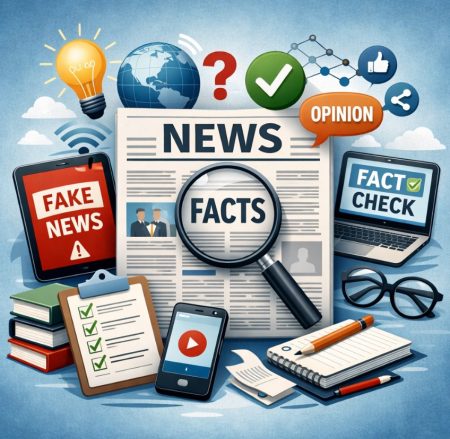
For example, a business student may need to evaluate market trends to determine the viability of a new product, while a healthcare student might need to stay updated on the latest medical research to inform treatment practices. In both cases, being information literate allows students to navigate the vast sea of available information, evaluate its quality, and apply it to real-world situations. As technology continues to advance and industries become increasingly data-driven, information literacy will remain a crucial skill for success in any field. - Ensuring Ethical Use of Information: Another critical aspect of information literacy is its focus on the ethical use of information. University students must understand the importance of respecting intellectual property rights, avoiding plagiarism, and using information responsibly. Information literacy includes teaching students proper citation practices and the ethical implications of using others’ work, which helps them avoid academic misconduct and ensures they uphold high standards of integrity. Furthermore, students learn about the ethical dimensions of information in the digital age, such as privacy concerns, data security, and the responsible sharing of information. In an era where misinformation and fake news are rampant, students who are information literate can not only avoid unethical practices but also become advocates for truth and transparency in their academic and professional communities.
- Navigating the Digital World: The digital landscape has changed how information is created, shared, and consumed. As more and more information becomes available online, students must be able to navigate this vast digital world effectively. Information literacy helps students develop the skills to evaluate online resources, distinguish between credible and unreliable websites, and use digital tools such as search engines, databases, and citation management software. With the rise of social media platforms and online content creation, students must also be able to critically evaluate the credibility of sources they encounter on these platforms. By fostering these skills, information literacy empowers students to make the most of the digital tools at their disposal, ensuring they can access the best possible resources for their academic and professional needs.
Information literacy is a fundamental skill that all university students need to master. It enhances academic success, promotes critical thinking, prepares students for the professional world, ensures ethical use of information, and helps them navigate the complexities of the digital age. In an era where information is constantly evolving, being information literate is no longer a luxury—it is a necessity. By developing these skills, students excel academically and become well-prepared to face the challenges of the modern world. Therefore, universities must prioritize information literacy, equipping students with the tools they need to succeed in their academic careers and beyond.
Key Elements to Include in an Information Literacy Session
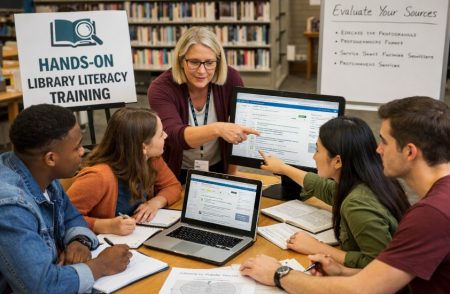
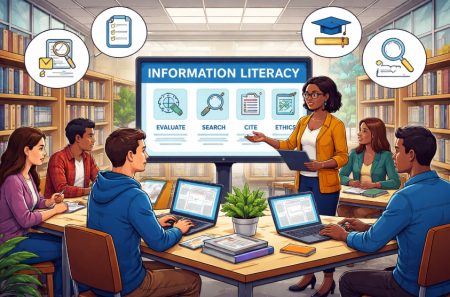
An Information Literacy Session is designed to equip students with the skills necessary to effectively find, evaluate, and use information. The key elements of such a session should ensure that students understand the importance of information literacy, develop the necessary skills to navigate information sources, and learn to apply these skills in academic and professional contexts. Below are the key elements that should be included in an information literacy session:
- Introduction to Information Literacy
- Objective: Provide students with an understanding of what information literacy is and why it is essential for their academic success and professional growth.
- Content:
- Definition of information literacy.
- The role of information literacy in academic research, problem-solving, and decision-making.
- The relevance of information literacy in the digital age and the growing need for critical thinking skills in evaluating and using information.
- Types of Information Sources
- Objective: Teach students about the different types of information they may encounter during their research and how to distinguish between them.
- Content:
- Scholarly Sources: Peer-reviewed journals, academic books, conference papers, and dissertations.
- Popular Sources: Magazines, newspapers, websites, blogs, and social media.
- Grey Literature: Reports, white papers, policy documents, government publications.
- Discuss the strengths and weaknesses of each type of source and the contexts in which they are appropriate to use.
- Evaluating Information
- Objective: Equip students with the skills to assess the credibility, accuracy, and relevance of the information they find.
- Content:
- Authority: Is the author an expert in the field? What are their credentials?
- Accuracy: Is the information supported by evidence? Are there citations to reputable sources?
- Bias: Does the source have a particular agenda or viewpoint? Is the information objective or biased?
- Currency: Is the information up-to-date and relevant to the research topic?
- Relevance: How closely does the information align with the research question or assignment?
- Activity: Provide students with a set of example sources (articles, websites, books) and have them assess the credibility of each based on these criteria.
- Research Tools and Strategies
- Objective: Introduce students to the tools and strategies they can use to effectively find and gather information.
- Content:
- Library Databases: How to use academic databases (e.g., JSTOR, PubMed, Scopus, Google Scholar) to search for peer-reviewed articles and other scholarly materials.
- Search Engines: Best practices for using general search engines (Google) and academic-specific search engines (Google Scholar).
- Keywords and Boolean Operators: Teach students how to refine their searches using specific keywords and advanced search techniques such as AND, OR, and NOT.
- Filters and Limits: Demonstrate how to use filters for date ranges, full-text availability, and peer-reviewed status.
- Organizing and Synthesizing Information
- Objective: Help students understand how to organize and make sense of the information they gather.
- Content:
- Note-Taking: Techniques for taking organized, effective notes, such as using digital tools (e.g., Zotero, OneNote) or traditional methods.
- Synthesis: Show how to synthesize information from multiple sources to build an argument or address a research question.
- Concept Mapping: Encourage the use of tools like mind maps or outlines to organize research findings and create a coherent structure for papers or presentations.
- Ethical Use of Information
- Objective: Teach students about the ethical responsibilities involved in using information.
- Content:
- Plagiarism: Define plagiarism and explain how to avoid it by properly citing sources and acknowledging others’ work.
- Citation: Provide guidance on how to cite sources properly using citation styles like APA, MLA, or Chicago.
- Copyright: Explain the basics of copyright law and how to use information responsibly, including respecting intellectual property rights.
- Activity: Introduce citation management tools (e.g., Zotero, EndNote) and show students how to generate citations for different types of sources.
- Using Information Effectively
- Objective: Teach students how to apply the information they find in a meaningful way.
- Content:
- Constructing Arguments: Guide students on how to incorporate researched information into their own writing to support claims and arguments.
- Critical Thinking: Encourage students to think critically about how the information they gather fits into the broader context of their research.
- Integrating Sources: Demonstrate how to effectively paraphrase, quote, and summarize information while maintaining academic integrity.
- Communicating Information
- Objective: Teach students how to communicate their research findings clearly and effectively.
- Content:
- Academic Writing: Basic principles of academic writing, including the structure of a research paper or essay.
- Presentation Skills: Tips for effectively presenting research findings in oral or visual formats (e.g., PowerPoint presentations).
- Audience Consideration: Emphasize the importance of tailoring research and its presentation to specific audiences (e.g., professors, peers, professionals).
- Hands-On Practice and Activities
- Objective: Provide students with opportunities to apply what they have learned in a practical setting.
- Activity:
- Assign a small research task where students need to locate, evaluate, and organize sources on a given topic.
- Have students present their findings and discuss how they evaluated the credibility of their sources.
- Conduct group exercises where students evaluate a variety of sources and discuss their relevance and quality in relation to a research question.
- Conclusion and Resources
- Objective: Wrap up the session by summarizing key points and providing resources for further learning.
- Content:
- Recap: Summarize the key takeaways from the session, emphasizing the importance of each step in the research process.
- Further Resources: Provide students with links to additional materials, such as online tutorials, citation guides, and library workshops.
- Encourage Continued Learning: Encourage students to visit the library regularly, use available research tools, and attend workshops on information literacy.
- Assessment and Follow-Up
- Objective: Evaluate students’ understanding of the concepts presented and offer support for further learning.
- Content:
- Quiz or Assignment: Create a short quiz or an assignment that asks students to apply what they’ve learned about information literacy.
- Follow-Up Support: Offer one-on-one consultations with a librarian for students needing additional help with their research.
These key elements form the foundation of a well-rounded information literacy session that empowers students to become proficient researchers and responsible users of information.
Formal Information Literacy Session for University Students
Objective: This session is designed to equip university students with the necessary skills to find, evaluate, and use information effectively and ethically. The aim is to foster critical thinking and academic integrity, helping students succeed in their research, assignments, and professional careers.
Target Audience: University students (undergraduate or graduate levels), regardless of discipline. The session is flexible and can be tailored to specific academic fields.
Duration: 60–90 minutes (This can be adjusted depending on the depth of the session and audience needs).
Mode of Delivery:
- In-person: A physical classroom or library training room.
- Online (Virtual): Delivered via platforms such as Zoom or Google Meet.
- Hybrid: Combination of in-person and online delivery.
Instructor: University Librarian or Library Officers specializing in information literacy and research support.
Learning Outcomes:
By the end of this session, students will be able to:
- Understand Information Literacy: Define information literacy and explain its relevance to academic success and professional development.
- Evaluate Information Sources: Identify different types of information sources and critically assess their quality, credibility, and relevance.
- Conduct Efficient Research: Use appropriate tools and search strategies to find scholarly and relevant sources.
- Use Information Ethically: Understand the importance of citations, plagiarism, and the ethical use of information.
- Integrate Information into Academic Work: Effectively integrate researched information into assignments, research papers, and presentations.
Session Breakdown:
1. Introduction to Information Literacy (10-15 minutes)
Purpose: Provide an overview of information literacy, its significance in academic settings, and its role in the digital information age.
-
What is Information Literacy?
Define information literacy: the ability to recognize when information is needed and the skills to locate, evaluate, and effectively use that information.
Key Points to Cover:- It’s not just about accessing information but evaluating, synthesizing, and using it effectively.
- Information literacy fosters critical thinking, informed decision-making, and academic success.
-
Importance for University Students:
- Academic Success: Helps students perform research, write high-quality papers, and avoid common pitfalls like plagiarism.
- Critical Thinking: Encourages students to assess sources critically, understand biases, and make informed decisions.
- Professional Development: These skills are transferable to the workplace, where the ability to gather and evaluate information is essential.
-
Relevance in the Digital Age:
- Discuss how the rise of online information and digital tools has transformed research.
- Emphasize the challenges of dealing with misinformation and how critical evaluation skills help students navigate this issue.
2. Identifying and Differentiating Information Sources (15-20 minutes)
Purpose: Teach students to recognize different types of information and understand their characteristics, uses, and limitations.
-
Types of Information Sources:
- Scholarly Sources: Peer-reviewed articles, academic books, conference papers, theses.
Use: These are typically the most credible sources for academic research. - Popular Sources: Newspapers, magazines, blogs, websites.
Use: These are often easier to access but may lack rigorous peer review. - Grey Literature: Reports, government publications, white papers, technical reports.
Use: These sources are valuable for specific data or in-depth research, but may lack peer review.
- Scholarly Sources: Peer-reviewed articles, academic books, conference papers, theses.
-
Activity:
- Provide students with examples of each source type (e.g., a scholarly journal article, a popular news article, and a government report).
- Ask students to categorize them and explain why they belong in each category.
-
Discussion:
- When should each type be used in academic research?
- How can students assess the credibility of each type?
3. Evaluating Information Sources (20 minutes)
Purpose: Equip students with the skills to evaluate the sources they find critically.
-
Criteria for Evaluating Sources (CRAAP Test):
- Currency: Is the information recent enough for your topic?
- Relevance: Does it address your research question or academic assignment?
- Authority: Who is the author or publisher? Are they qualified in the field?
- Accuracy: Is the information supported by evidence? Are there citations or references?
- Purpose: Is the information objective or biased? What is the purpose of the source (e.g., to inform, persuade, sell)?
-
Activity:
- Present students with sample sources, such as a news article, a blog post, and a journal article, and have them apply the CRAAP test to evaluate them.
- Discuss each source’s strengths and weaknesses based on the criteria.
-
Example Discussion:
- If a student is researching climate change, why would they prefer a peer-reviewed journal article over a blog post or news article?
4. Conducting Efficient Research (20 minutes)
Purpose: Teach students how to effectively search for and find reliable information using research tools.
-
Library Databases and Search Engines:
-
Using Databases: Demonstrate how to use academic databases such as JSTOR, PubMed, or Google Scholar to find peer-reviewed articles and books.
-
Effective Search Strategies:
- Use of Boolean operators (AND, OR, NOT) to refine searches.
- Use filters (e.g., date range, peer-reviewed, full-text) to narrow down results.
- Use of keywords and phrases to generate focused searches.
-
-
Activity:
- Guide students through a search on an academic database (either using the library’s electronic resources or Google Scholar).
- Have students perform a search related to a research topic, applying Boolean operators and filters.
-
Demonstration:
-
Show how to use advanced search features in library databases to locate the most relevant articles.
-
5. Ethical Use of Information (10-15 minutes)
Purpose: Highlight the importance of academic integrity and teach students the basics of ethical research practices.
-
Avoiding Plagiarism:
- Define plagiarism and the consequences of academic dishonesty.
- Discuss how to avoid plagiarism by properly paraphrasing and citing sources.
-
Citation Styles:
- Introduce common citation styles (e.g., APA, MLA, Chicago).
- Show how to cite sources correctly for different types of information (articles, books, websites).
-
Activity:
- Provide a short passage and ask students to paraphrase it and cite the source correctly.
- Discuss how paraphrasing and citations help maintain academic integrity.
-
Tools for Managing Citations:
-
Introduce tools like Zotero, Mendeley, and EndNote to help students organize and cite their research.
-
6. Communicating Information Effectively (10-15 minutes)
Purpose: Teach students how to integrate and communicate the information they gather into their academic work.
-
Incorporating Sources:
- Show how to effectively integrate quotes, paraphrases, and summaries into research papers.
- Discuss how to build arguments and support them with evidence.
-
Academic Writing:
- Tips for structuring academic papers: Introduction, Methodology, Results, Discussion, Conclusion.
- Emphasize coherence and clarity when presenting research findings.
-
Activity:
-
Have students write a short paragraph integrating a source into their argument. Discuss how they could improve clarity and flow.
-
7. Q&A and Wrap-Up (5-10 minutes)
Purpose: Address any questions students may have and provide resources for further learning.
- Q&A: Open the floor for any questions regarding the topics covered.
- Follow-up Resources: Provide links to online tutorials, library guides, and upcoming library workshops on information literacy.
Assessment and Follow-Up:
-
Formative Assessment:
- During the session, monitor students’ engagement with activities and assess their ability to apply the CRAAP test and search effectively.
- At the end, administer a short quiz or have students complete a research task that applies the concepts learned.
-
Follow-Up Resources:
-
Provide access to recorded sessions, online guides, citation tools, and library workshops to help students continue developing their information literacy skills.
-
This information literacy session is designed to provide university students with the skills and knowledge they need to engage with information critically and ethically. By learning how to evaluate, search for, and use sources effectively, students can excel in their academic work and be better prepared for their professional lives. The session empowers students to navigate the digital world, use information responsibly, and apply their learning in a variety of contexts.