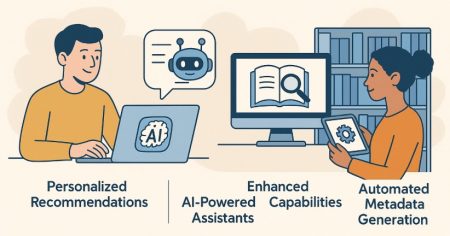
Artificial intelligence (AI) and machine learning (ML) are rapidly transforming the digital library landscape, redefining how users access, explore, and interact with information. As academic institutions…
Artificial intelligence (AI) and machine learning (ML) are rapidly transforming the digital library landscape, redefining how users access, explore, and interact with information. As academic institutions…

A digital library is an organized collection of information resources that are stored, accessed, and delivered in digital formats through computer networks. Unlike traditional libraries, which…
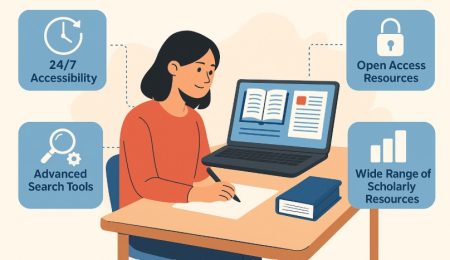
Digital libraries have revolutionized the way students and researchers access scholarly information by breaking the barriers of time, location, and physical availability. Unlike traditional libraries that…
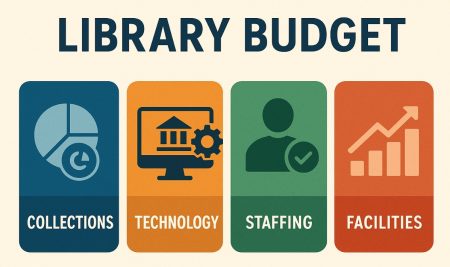
The budgeting process plays a vital role in supporting a library’s mission and goals by ensuring that financial resources are strategically planned, allocated, and managed to…
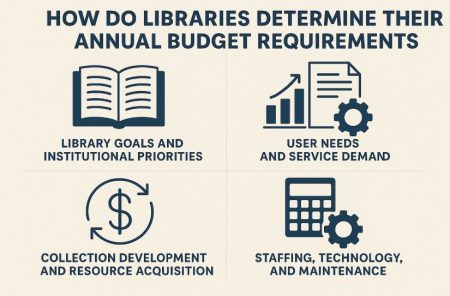
A library’s annual budget requirement represents a comprehensive financial plan that outlines the estimated costs needed to maintain, operate, and enhance its services over a fiscal…
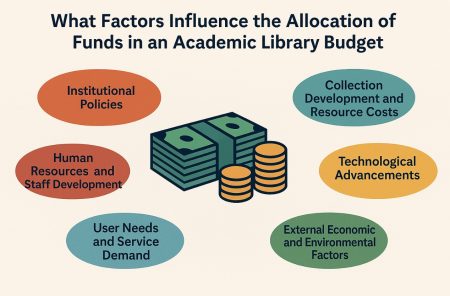
Institutional policies have a profound influence on how funds are allocated within academic libraries, as they set the framework for financial decision-making and resource distribution. These…
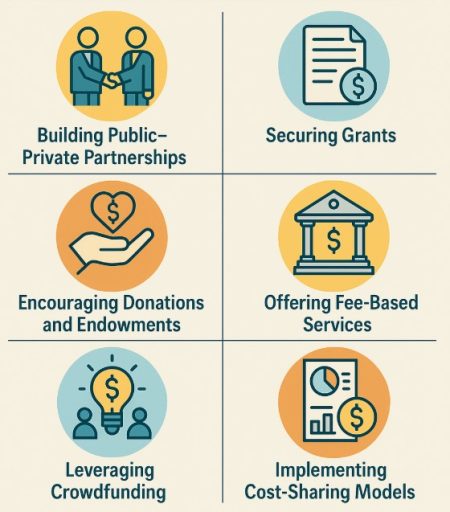
Diversifying funding sources is essential for both academic and public libraries to ensure their financial stability, sustainability, and capacity to innovate in an evolving information landscape.…

A library is a vital institution that serves as a reservoir of knowledge, ideas, and information, catering to the intellectual, educational, and cultural needs of society.…
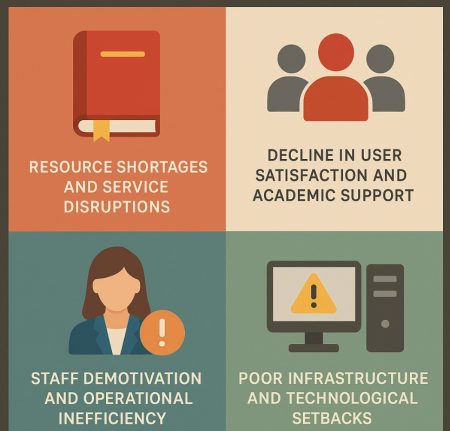
Poor budget management in the context of library operations refers to the ineffective planning, allocation, and utilization of financial resources that hinder a library’s ability to…

Circulation service ensures the smooth flow of library resources to users by functioning as the central mechanism through which materials are borrowed, renewed, reserved, and returned.…