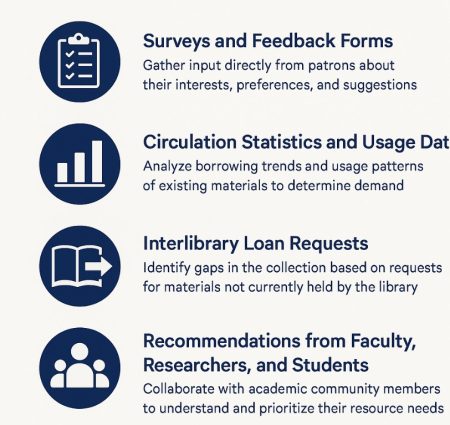
Libraries exist to serve their communities, whether those communities are students, researchers, professionals, or the general public. To remain relevant and effective, libraries must ensure that…
Libraries exist to serve their communities, whether those communities are students, researchers, professionals, or the general public. To remain relevant and effective, libraries must ensure that…
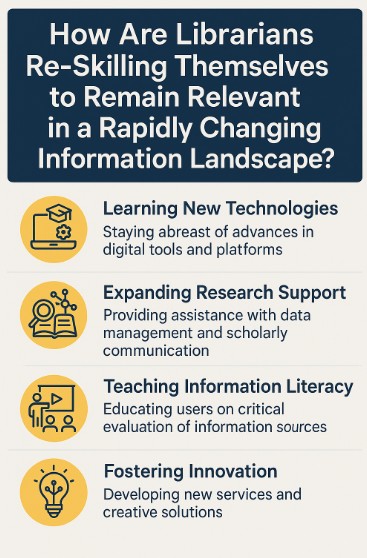
Librarianship in the rapidly changing information landscape has undergone a remarkable transformation, moving far beyond its traditional role of managing books and print collections. Today, librarians…
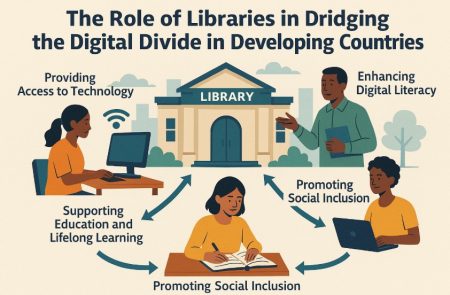
The digital divide refers to the gap between individuals, communities, and nations that have access to modern information and communication technologies and those who do not.…
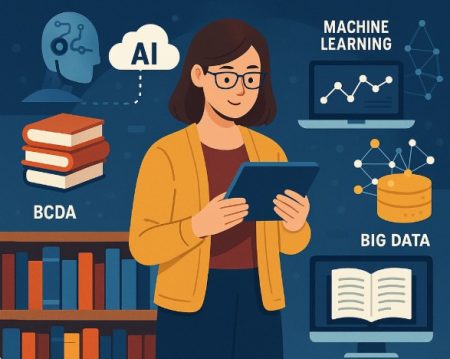
Emerging technologies like Artificial Intelligence, Machine Learning, and Big Data are revolutionizing librarianship-elevating libraries from static information repositories into dynamic, responsive, and deeply user-focused knowledge hubs.…
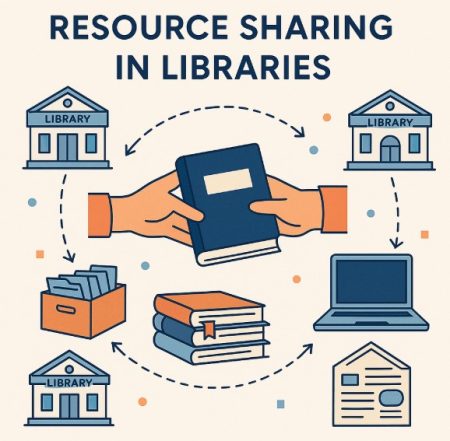
Resource sharing significantly expands access to materials beyond a single library’s own collection by creating collaborative networks among academic and research institutions. No library, regardless of…

In the 21st century, knowledge has become one of the most valuable assets, shaping personal growth, career success, and societal progress. Lifelong learning refers to the…

“Libraries store the energy that fuels the imagination,” observed Sidney Sheldon-an apt reminder that libraries are far more than mere repositories of books. Over time, libraries…

In the modern context, a library is no longer defined merely as a storehouse of books; it has evolved into a dynamic hub for knowledge access,…

Public libraries have long been recognized as vital institutions for knowledge dissemination and community engagement. In recent years, their role has expanded to encompass cultural preservation…

As modern communities increasingly rely on digital technologies for communication, education, and entertainment, public libraries must evolve to meet the growing demand for digital resources. Traditionally…