
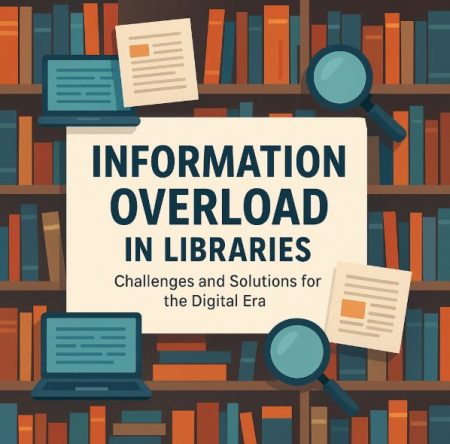
Information overload refers to the state in which an individual is exposed to an excessive amount of information, making it difficult to process and make decisions…
Information overload refers to the state in which an individual is exposed to an excessive amount of information, making it difficult to process and make decisions…

Information overload refers to the state in which an individual is exposed to more information than they can effectively process, manage, or use. In today’s digital…

The principles of library management form the foundation for the effective administration and operation of library services. These principles are drawn from general management theories and…

Non-verbal communication encompasses a wide range of expressive behaviors that communicate messages without the use of words. From facial expressions and gestures to posture and eye…

Verbal communication is the process of conveying messages through the use of words, either spoken or written. It is one of the most fundamental forms of…

Library stock taking is the process of systematically checking and recording the physical items in a library’s collection to ensure their accuracy and availability. It involves…

As libraries increasingly adopt automation and technological solutions to improve efficiency and service delivery, they also face several risks associated with their growing dependence on technology.…

Library Automation refers to the integration of technology into library operations to streamline and enhance various services, particularly in managing resources, circulation, cataloguing, and user services.…
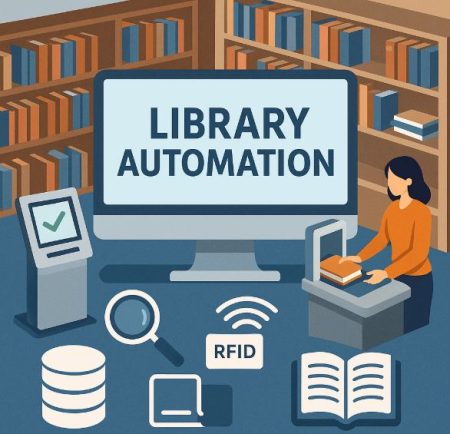
Library automation offers a wide range of key benefits that significantly improve operational efficiency in modern libraries. By leveraging advanced technologies, libraries can streamline routine tasks,…
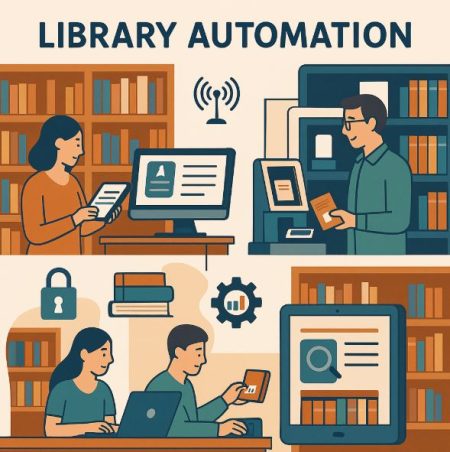
In the modern era, libraries are increasingly relying on automation to navigate the complex and evolving landscape of information management. With the growing volume of resources…