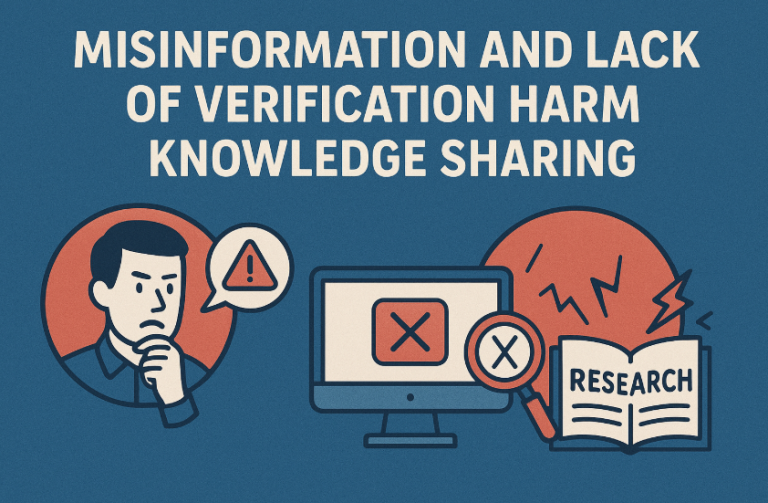
How Misinformation and Lack of Verification Harm Knowledge Sharing
Misinformation significantly undermines trust in shared knowledge within academic and professional communities by weakening confidence in the accuracy, reliability, and credibility…
THE READING ROOM
Misinformation significantly undermines trust in shared knowledge within academic and professional communities by weakening confidence in the accuracy, reliability, and credibility…

Modern libraries function as dynamic knowledge hubs in the digital era by blending traditional information services with advanced technologies to support…
Relying on a single source of information without verifying it elsewhere can expose individuals to several significant risks, often leading to…
An indexing language is a structured system of terms used to represent the subject content of documents in a consistent and…
Unverified knowledge refers to information, claims, or beliefs that have not been tested, validated, or confirmed through credible evidence or systematic…
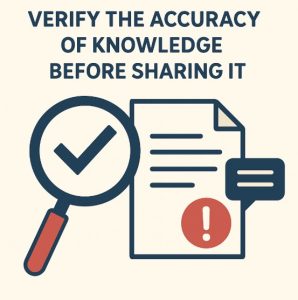
Verifying the accuracy of knowledge in an academic or professional context means carefully examining information to ensure it is correct, reliable,…
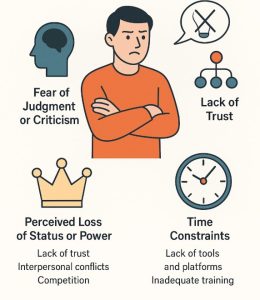
Knowledge sharing is recognized as a vital component of organizational learning, innovation, and continuous improvement. However, many organizations struggle to create…
Knowledge sharing refers to the intentional exchange of information, skills, experiences, and insights among individuals, groups, or institutions. It is more…
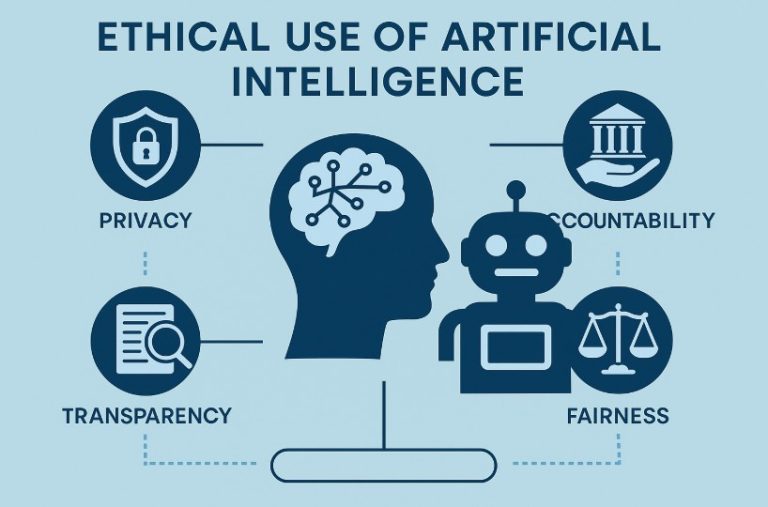
The ethical use of Artificial Intelligence (AI) refers to the responsible development, deployment, and application of intelligent systems in ways that…
Why Is a Library Often Called the “Heart of an Educational Institution”? A library is often described as the “heart of…