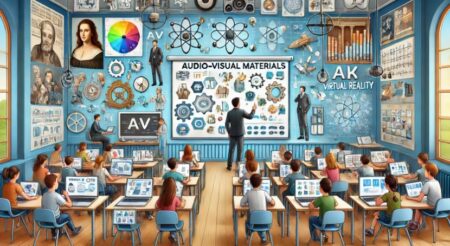
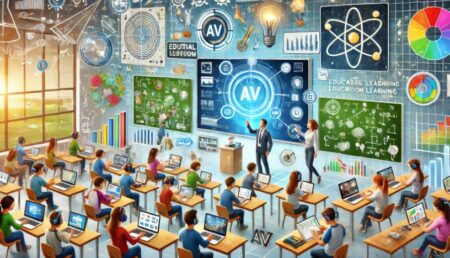
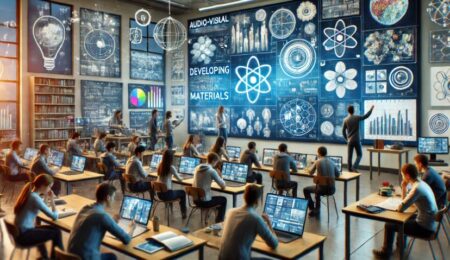
Introduction: Audiovisual materials refer to a dynamic and captivating communication that combines auditory and visual elements to convey information, entertain, and educate. These multimedia resources encompass various mediums, such as videos, films, presentations, animations, audio recordings, and interactive content. The seamless integration of sound, images, and sometimes text creates a compelling and immersive experience for the audience, making audiovisual materials an invaluable tool for various purposes, including enhancing learning experiences, effectively communicating complex concepts, and engaging viewers on a deeper emotional level. Whether utilized in educational settings, entertainment industries, corporate environments, or artistic endeavors, audiovisual materials play a crucial role in shaping modern communication and continue to evolve in sync with advancing technology and audience demands.
What is Audio Visual Material?
Audio Visual (AV) Material refers to resources combining sound and visual elements, creating an immersive and engaging way to communicate ideas and information. Unlike traditional text-based content, which relies solely on words, AV materials use images, videos, sounds, and often interactive components. This combination provides a richer experience for the audience, making complex or abstract concepts easier to understand and remember. For instance, educational videos in schools can help students visualize scientific concepts, while presentations in business settings use visual slides and audio explanations to convey strategies or data in an impactful way.
The importance of AV materials has grown significantly with technological advancements, especially in fields like education, business, and entertainment. In education, AV content caters to various learning styles, supporting visual and auditory learners and making learning more accessible. In the corporate world, AV tools like webinars, video conferences, and presentations have become essential for training and remote collaboration. Entertainment has also transformed with AV materials; streaming platforms, movies, and virtual reality experiences provide audiences with vivid and engaging storytelling. Whether used to educate, inform, or entertain, AV materials offer a versatile and effective means of communication, enhancing accessibility, engagement, and overall comprehension in ways traditional materials alone may not achieve.
Types of Audio-Visual Material
Audio Visual (AV) materials combine sound and visual elements to deliver information in a dynamic, engaging way. By incorporating multiple senses, these materials make complex topics more accessible, especially for visual and auditory learners. Today, AV materials are essential in education, business, entertainment, and various other fields, making them crucial for effective communication and learning. Here is a detailed look at the different types of AV materials and how they are used.
- Films and Videos: Films and videos are perhaps the most common type of AV material. This category includes movies, documentaries, instructional videos, and recorded lectures. Videos present information through a blend of motion, sound, and often text, making them highly effective for storytelling and educational purposes. Whether a science documentary explaining complex ecosystems or a training video for new employees, films and videos are widely appreciated for their ability to capture attention and simplify complex ideas.
Applications: These are used in classrooms, online courses, corporate training, marketing campaigns, and entertainment. Platforms like YouTube, Netflix, and other streaming services have made films and videos more accessible than ever. - Slideshows and Presentations: Slideshows and presentations integrate images, text, and sometimes audio to provide information in an organized format. Software like PowerPoint and Google Slides allows users to create visually appealing presentations, combining text with charts, images, and embedded videos. These slideshows are valuable for breaking down topics into bite-sized chunks, making them easy to follow and understand.
Applications: Commonly used in business meetings, classrooms, and conferences to communicate strategies, data, or other key messages. - Sound Recordings: Sound recordings include audiobooks, podcasts, music, and recorded lectures. They provide a purely auditory experience, which can be highly effective for auditory learners. Sound recordings are often paired with other types of AV material to provide a more complete learning experience. For example, a recorded lecture may accompany a slideshow or visual presentation.
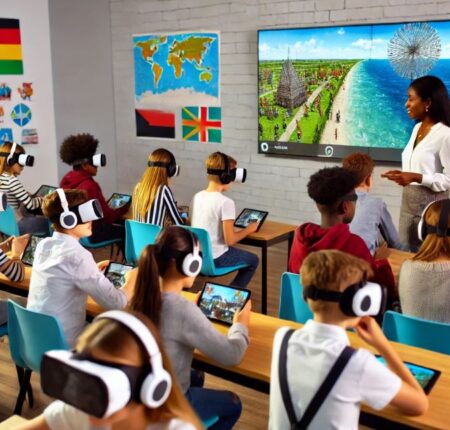
Applications: These recordings are widely used for language learning, storytelling, auditory information sharing, and online learning platforms, allowing learners to listen on the go or supplement visual materials. - Interactive Media: Interactive media, such as virtual reality (VR), augmented reality (AR), and simulations, represent a cutting-edge form of AV material. Unlike traditional forms that offer a passive experience, interactive media allows users to engage directly, making learning immersive and experiential. For instance, a VR simulation may allow medical students to explore the human body in 3D, providing hands-on learning without needing physical models.
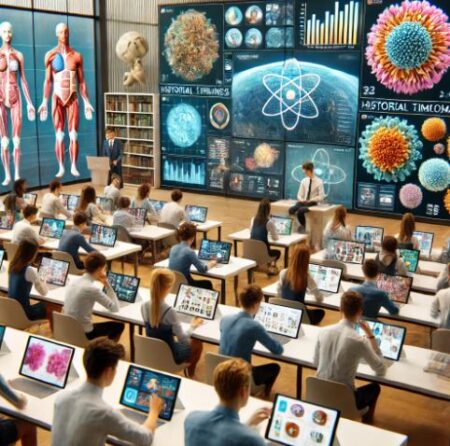
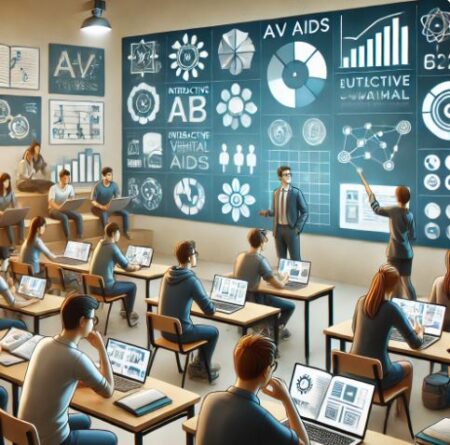
Applications: Interactive media is increasingly used in education, healthcare training, professional skills development, and gaming. Its immersive nature makes it ideal for fields that benefit from hands-on practice or simulation. - Digital and Physical Displays: Digital and physical displays include projectors, monitors, LED screens, and interactive whiteboards. These devices visually present information, often accompanied by audio, to create a full AV experience. Interactive whiteboards, for example, are widely used in classrooms to display slides, videos, or interactive exercises, allowing teachers to annotate and engage students in real-time.
Applications: Digital and physical displays are common in classrooms, conference rooms, museums, and public events, providing an effective way to communicate visually and audibly. - Broadcast Media: Broadcast media, including television, radio, and live online streaming, is a traditional form of AV material that combines sound and visuals to reach large audiences in real-time. Television programs, for instance, can provide visual demonstrations, interviews, and storytelling, which is especially useful for news, educational content, and live events.
Applications: Broadcast media is essential in journalism, educational programming, entertainment, and live event coverage. It reaches broad audiences and enables real-time information sharing, making it invaluable for staying updated on current events or accessing popular content. - Multimedia Software and Digital Content: Multimedia software includes e-learning platforms, instructional apps, and digital tools that combine text, images, audio, and video to create a comprehensive learning experience. This type of AV material is often interactive, allowing users to engage directly with content through quizzes, exercises, and simulations. Digital content like educational games and training software can adapt to a user’s pace, making it versatile and effective for various learning styles.
Applications: Multimedia software is frequently used in schools, online courses, and corporate training programs. Its interactivity and adaptability make it ideal for self-paced learning, skill development, and exam preparation.
Audio Visual materials encompass a wide range of formats and applications, each with its unique benefits. Whether through immersive VR simulations, informational videos, or interactive whiteboards, AV materials make communication more effective and accessible. In today’s digital age, where engagement and clarity are essential, AV materials have proven invaluable across various sectors, including education, business, and entertainment. As technology continues to advance, so too will the ways in which AV materials enhance learning, productivity, and enjoyment, making them indispensable tools for modern communication.
Applications of Audio Visual Material
Audio Visual (AV) materials have become integral to modern communication, offering dynamic and engaging ways to share information across various fields. Their unique combination of sound and visual elements makes complex information more accessible, helping audiences retain and understand content more effectively. Here are some key areas where AV materials are widely used:
- Education and Training: AV materials have transformed the educational landscape, providing an engaging alternative to traditional text-based learning. Educators can use videos, slideshows, interactive media, and sound recordings to cater to diverse learning styles and enhance retention. For example, videos can explain scientific concepts visually, while interactive simulations allow students to practice skills in a controlled, virtual environment.
Examples:- Recorded lectures and video tutorials for online learning.
- Interactive simulations for hands-on practice in subjects like chemistry, biology, or medicine.
- Audiobooks and recorded lessons for language learning and auditory learners.
- Interactive whiteboards in classrooms to illustrate lessons dynamically.
- Corporate and Business Training: In the corporate world, AV materials are essential for training, presentations, and team collaboration. Videos and interactive presentations make it easier to convey complex ideas to employees, clients, and stakeholders. For example, onboarding videos can streamline training for new hires, while presentations with visual aids and embedded audio can make data or product demonstrations more impactful.
Examples:- Training videos for employee onboarding and skills development.
- Webinars and online workshops for remote collaboration and learning.
- Presentations with slides, charts, and animations for data-driven meetings.
- Virtual simulations for employee safety or technical training in fields like manufacturing or healthcare.
- Healthcare and Medical Training: AV materials are crucial in medical education and patient care, providing a safe environment for learners to practice and visualize complex medical procedures. Medical students can use 3D simulations to explore anatomy, while patients may watch informational videos to better understand their conditions and treatments.
Examples:- Virtual reality (VR) simulations for surgical training.
- Educational videos for patient awareness about procedures, treatments, and health conditions.
- Recorded lectures and live-streamed workshops for continuing medical education.
- Entertainment and Media: AV materials are at the heart of the entertainment industry, providing diverse ways for audiences to enjoy music, films, shows, and more. Through various formats—such as movies, television shows, music videos, and digital games—AV materials offer engaging storytelling experiences. With the advent of VR and AR, the entertainment industry has taken this engagement to the next level, allowing audiences to experience stories interactively.
Examples:- Movies, TV shows, and online streaming platforms.
- Music videos and audio albums.
- Gaming platforms that incorporate video, sound, and interactivity.
- VR and AR experiences for immersive entertainment and gaming.
- Public Spaces and Exhibits: AV materials are widely used in public spaces like museums, libraries, and historical sites to provide visitors with a richer experience. These materials enhance learning by allowing audiences to engage with exhibits more effectively. For example, digital displays and audio guides provide additional context and information, while VR tours offer virtual access to locations worldwide.
Examples:- Interactive exhibits with videos and audio explanations in museums.
- Digital kiosks in libraries and public spaces provide tutorials and information.
- Audio guides for historical and cultural sites to enhance visitor engagement.
- Marketing and Advertising: Businesses use AV materials to create compelling advertisements, promotional videos, and online content. With the combination of visual elements, animations, and sound, AV materials help brands capture attention and deliver messages effectively. This is especially effective in digital marketing, where engaging content can drive audience interaction and brand recognition.
Examples:- Commercials, product demo videos, and social media content.
- Digital signage in retail spaces displaying promotions or product details.
- Interactive ads and video content for online marketing.
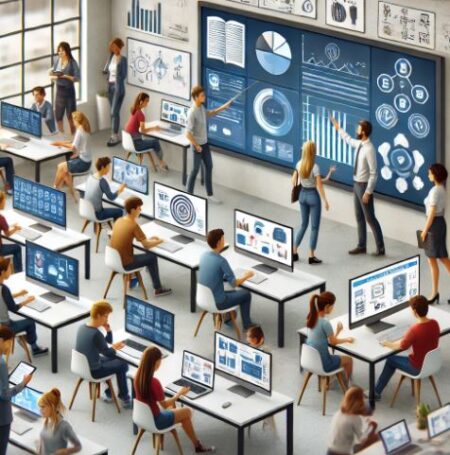
- Remote Communication and Collaboration: With the rise of remote work, AV materials have become essential for effective team collaboration and communication. Video conferencing tools and webinars allow teams to work together regardless of location, while presentations, videos, and screen-sharing options enhance clarity and engagement in virtual meetings.
Examples:- Video conferencing for remote team meetings and client interactions.
- Webinars and online training sessions.
- Digital presentations and screen-sharing for virtual collaboration.
- News and Journalism: AV materials are fundamental to news and journalism, allowing broadcasters to deliver news in real-time with visual and auditory elements that enhance storytelling. News channels, online media platforms, and independent journalists use AV materials to report stories, capture footage, and conduct live interviews, providing audiences with a richer, more immediate experience.
Examples:- Live television and online news broadcasts.
- Recorded interviews, documentaries, and on-the-ground reporting.
- Multimedia articles combining text, images, video, and sound for online platforms.
Audio Visual materials are versatile tools that enhance communication, understanding, and engagement across various industries. From education and corporate training to public exhibits, marketing, and remote work, AV materials play a vital role in today’s world by making information more accessible and enjoyable. As technology advances, these materials will continue to evolve, offering even more interactive and impactful ways to connect, learn, and entertain.
Benefits of Audio-Visual Material
Audio Visual (AV) materials offer numerous benefits by combining sound, visuals, and sometimes interactive elements to engage audiences. By making learning and communication more dynamic, AV materials help improve retention, simplify complex ideas, and appeal to various learning styles. Here are some key benefits of using AV materials across different applications:
- Enhanced Understanding and Retention: Audio Visual materials combine images, sound, and sometimes animations or interactive features, allowing complex information to be broken down into digestible and memorable chunks. Visual cues, like diagrams or animations, can illustrate concepts that might be hard to convey through text alone. Auditory elements, such as narrations, further reinforce these visuals, helping learners absorb and retain information better.
- Example in Education: Imagine a biology class where students learn about cellular processes. A video that shows cellular division with narration describing each step can help students visualize what’s happening, making it easier for them to recall the process during exams.
- Example in Business: In corporate settings, training videos with visual aids, graphs, and narrations help employees understand and remember procedural steps, company policies, or product details.
- Engagement and Motivation: AV materials naturally appeal to more senses than text alone, which makes them more captivating. The combination of sound, images, and motion keeps audiences interested, reducing the likelihood of attention waning. This is especially useful in settings where audience engagement is essential for retention and understanding, like classrooms or employee training sessions.
- Example in Education: Teachers using video content or interactive whiteboards often find students more attentive as they are visually and audibly stimulated.
- Example in Marketing: AV content such as short, compelling videos with eye-catching visuals and a captivating storyline can hold viewers’ attention longer and motivate them to engage with a brand, product, or message.
- Catering to Different Learning Styles: People learn differently: some are visual learners, others prefer listening, and some need hands-on interaction. AV materials combine text, imagery, and sound to accommodate visual and auditory learners. Interactive AV materials, like virtual labs or simulations, even engage kinesthetic learners, who learn best through action.
- Example in Education: In a geography class, a virtual map where students can explore countries and hear about each place’s culture and history appeals to both visual and auditory learners while providing an interactive experience that kinesthetic learners enjoy.
- Example in Online Learning: Courses that include video lectures with closed captions recorded audio, and on-screen text ensure all types of learners can engage with the material in a way that suits them.
- Improved Accessibility and Inclusivity: AV materials make content more accessible to people with disabilities. Adding closed captions, transcripts, and descriptive audio for visual elements ensures that those with hearing or visual impairments can still benefit. This inclusivity also extends to non-native speakers, as captions and translations make it easier for them to understand content.
- Example in Higher Education: Recorded lectures with captions benefit students with hearing impairments, those for whom English is a second language, and even students who want to review complex sections by reading along.
- Example in Museums or Public Spaces: Audio guides with detailed descriptions allow visually impaired visitors to experience and understand exhibits independently.
- Self-Paced Learning and Flexibility: Many AV materials, like video tutorials, recorded lectures, and podcasts, allow users to learn independently. This flexibility makes it easier to fit learning around busy schedules, especially in online and distance learning. Learners can pause, rewind, or skip ahead, allowing them to focus more on difficult sections and revisit them as needed.
- Example in Corporate Training: An employee onboarding process that includes video modules allows new hires to complete training at their own pace, ensuring they fully understand their roles before moving on.
- Example in Self-Study: Students preparing for exams can replay recorded lectures and focus on areas they find challenging, making self-study more effective and less stressful.
- Enhanced Collaboration and Remote Communication: In an increasingly remote world, AV materials facilitate collaboration and communication by enabling live or recorded exchanges of information. Video calls, webinars, and collaborative presentations allow team members to work together in real-time, even when they are in different locations. Visual aids like charts and diagrams enhance clarity, making virtual meetings more productive.
- Example in Team Collaboration: During a virtual meeting, a project manager uses a shared screen with slides and data visualizations to update the team on project progress, ensuring everyone is on the same page.
- Example in Education: A teacher hosting a live webinar with interactive polls and shared slides can engage students and facilitate discussions, even when they are not physically in the classroom.
- Cost-Effective and Scalable Learning: AV materials are highly scalable, especially for large organizations or educational institutions. Once created, AV materials like training videos or recorded lectures can be reused, saving time and money. This scalability makes it possible to train large groups without the need for repetitive in-person sessions.
- Example in Corporate Training: Companies create standardized training videos for recurring topics like compliance and safety, allowing all new employees to receive consistent training without requiring a live instructor each time.
- Example in Online Education: Universities offering online courses use recorded lectures and video lessons to reach large numbers of students globally without needing additional physical resources.
- Real-World Applications and Hands-On Learning: Some AV materials, such as VR simulations or interactive media, offer hands-on learning experiences. These applications are particularly useful in fields that require practical skills or real-world knowledge, as they let learners safely practice in a simulated environment before applying what they’ve learned in real life.
- Example in Healthcare: Medical students use VR simulations to practice surgeries and learn anatomy, gaining practical experience without the risks of performing on real patients.
- Example in Technical Training: Engineering students use interactive 3D models to learn how machinery works, allowing them to explore parts and mechanisms before working with real equipment.
- Appeal to Digital Natives: Today’s younger generations are digital natives who are accustomed to multimedia content. With their multimedia elements, AV materials meet the preferences of digital natives who are comfortable learning through videos, animations, and interactive media. This appeal makes AV materials more effective at engaging younger audiences.
- Example in Education: Schools using digital tools like tablets and interactive presentations find it easier to engage tech-savvy students, who are already accustomed to learning from videos, games, and apps.
- Example in Marketing: Brands targeting younger consumers use video ads, social media stories, and interactive content to reach audiences that prefer dynamic, visually appealing content.
- Emotional Impact and Storytelling: AV materials are powerful storytelling tools, allowing creators to evoke emotions through visuals, sounds, and music. This emotional appeal can make messages more memorable and impactful, which is especially useful for fields like marketing, public service, and nonprofit advocacy.
- Example in Advertising: A commercial using music, visuals, and narrative storytelling can create an emotional connection with viewers, motivating them to buy a product or support a cause.
- Example in Education: History documentaries that combine visuals, reenactments, and interviews allow students to emotionally connect with historical events, making the content more engaging and memorable.
Needs for Audio-Visual Materials in Teaching and Learning:
Audio-Visual (AV) materials have become indispensable in modern teaching and learning, addressing various educational needs and enhancing the overall classroom experience. Students have varying learning preferences in a diverse learning environment—some absorb information visually, others aurally, and some through hands-on interaction. AV materials accommodate these different learning styles by combining visuals, audio, and sometimes interactive elements, making learning more inclusive and accessible. This diversity in presentation helps students grasp complex concepts, breaking down information into easier-to-understand formats and improving retention.
Engagement is another essential factor in effective teaching, and AV materials naturally capture students’ attention through dynamic and stimulating content. Unlike traditional text-based methods, AV resources—like videos, animations, and interactive simulations—create a multi-sensory experience that draws students in, making learning both enjoyable and motivating. Such engagement is critical for maintaining interest, especially in subjects that may seem abstract or challenging to young learners. Furthermore, AV materials make lessons more relatable by connecting classroom concepts to real-world applications. For instance, videos and simulations demonstrate practical uses of theoretical knowledge, making subjects like science, engineering, and history feel relevant to students’ lives.
In addition, AV materials support self-paced learning, a crucial element for accommodating individual learning speeds. Recorded lectures, video tutorials, and interactive lessons enable students to review, pause, or revisit material as needed, fostering confidence and mastery at their own pace. For students with disabilities, AV materials provide greater accessibility—captions, audio descriptions, and visual aids make content more understandable for hearing or visually impaired students. Moreover, AV resources help teachers create a collaborative environment by serving as focal points for group discussions and critical thinking activities, encouraging students to analyze, interpret, and share perspectives with one another.
The use of AV materials not only enhances learning but also prepares students for a digital future. Familiarity with multimedia content and digital tools in the classroom builds technological proficiency, a crucial skill in today’s world. As educational technology advances, the role of AV materials in fostering an engaging, inclusive, and effective learning environment will continue to grow, making them essential resources in contemporary education.
Features of Audio Visual Materials:
Audio-Visual (AV) materials are powerful tools that combine sound, visuals, and interactive elements to create engaging and effective communication resources. Used widely in education, corporate training, marketing, and public engagement, AV materials stand out for their ability to capture attention, convey complex ideas, and make learning more inclusive. Here, we’ll explore the defining features of AV materials and how each characteristic contributes to an impactful experience for users.
- Multi-Sensory Engagement: One of the primary features of AV materials is their ability to engage multiple senses simultaneously, primarily sight and sound. By stimulating more than one sense, AV materials create a richer experience that helps people understand and retain information more effectively. This multi-sensory approach is particularly useful in educational settings, where it appeals to different learning preferences and aids in comprehension.
Example: A video explaining climate change that includes narrated explanations, animations showing the effects of rising temperatures, and background sounds of nature creates an immersive learning experience. Combining these elements makes learners more likely to understand and remember the concepts. - Dynamic and Interactive Elements: Many AV materials include dynamic and interactive features, allowing users to engage with the content actively. Interactive AV materials, like simulations, quizzes, and virtual labs, go beyond passive learning by encouraging students to participate, explore, and experiment within a controlled environment. This hands-on interaction fosters critical thinking and helps learners apply knowledge in real-life scenarios.
Example: In a virtual chemistry lab, students can interact with different chemicals, simulate reactions, and learn from the outcomes without needing physical lab equipment. This interactivity enhances understanding and boosts confidence in handling real-life experiments later. - Versatility Across Formats: AV materials come in various formats, such as videos, animations, podcasts, slideshows, and even virtual reality (VR) experiences. This versatility makes it easy to tailor content to fit the learning environment and goals. Educators, trainers, and content creators can select the best format or combination of formats to maximize engagement and clarity, whether for classroom instruction, remote training, or public presentations.
Example: In a social studies class, a teacher might use a documentary video to introduce a topic, a slideshow to outline key concepts and a VR simulation that lets students “visit” historical sites. This variety helps create a comprehensive learning experience that covers multiple aspects of the subject. - Adaptability to Different Learning Styles: Since AV materials incorporate both visual and auditory elements—and sometimes interactive features—they are well-suited to accommodate a wide range of learning styles. Visual learners benefit from images and animations, auditory learners absorb information through narration and sound, and kinesthetic learners can engage with interactive features, like simulations and digital exercises.
Example: In a language class, a video with narrated dialogue, subtitles, and on-screen text supports visual and auditory learners, while a follow-up activity that requires students to interact with vocabulary flashcards or digital quizzes engages kinesthetic learners. - Enhanced Accessibility Features: AV materials can be adapted with features like closed captions, subtitles, transcripts, and audio descriptions, making them accessible to individuals with hearing or visual impairments. These accessibility features ensure that a wider audience can benefit from AV content, promoting inclusivity and equal access to information.
Example: A recorded lecture with captions and a transcript is more accessible to students with hearing impairments, while audio descriptions of on-screen visuals assist visually impaired learners. This inclusivity makes AV materials more valuable in diverse educational settings. - Support for Self-Paced Learning: Many AV materials are available in recorded or on-demand formats, allowing users to learn at their own pace. By giving learners control over the playback (with options to pause, rewind, or fast-forward), AV materials enable them to revisit complex sections as often as needed, supporting a thorough and comfortable learning experience.
Example: An online course that includes recorded video lectures enables students to revisit challenging material as needed, allowing them to fully understand concepts before progressing to the next lesson. This feature is especially beneficial for complex subjects like math or science. - Real-World Application and Context: AV materials can bring real-world scenarios and applications into the learning environment, making abstract ideas more relatable and relevant. Through videos, simulations, and case studies, AV materials connect theoretical concepts to practical situations, helping students see the value and purpose of what they’re learning.
Example: A video demonstrating real-life business case studies or a simulation that shows the environmental impact of different waste disposal methods can help students understand how classroom knowledge translates into real-world impact, making learning more meaningful. - Visual Appeal and Clarity: The visual aspect of AV materials, including images, graphics, animations, and text, provides clarity and appeal that enhances understanding. Well-designed visuals help organize information, highlight key points, and make content more engaging. This is especially valuable for subjects that involve complex processes or data, as visual aids simplify information, making it more digestible.
Example: A science animation showing the process of photosynthesis with step-by-step visuals and labeled diagrams makes it easier for students to grasp the concept than a purely text-based description would. - Emotional and Psychological Impact: The combination of visuals, sound, music, and storytelling in AV materials allows creators to evoke emotions and connect with audiences on a deeper level. This emotional appeal makes content more memorable and enhances engagement, which is especially useful in marketing, advocacy, and educational content.
Example: A social awareness campaign video using music, powerful images, and personal stories can evoke empathy and inspire viewers to take action. This emotional connection makes the message more impactful and memorable. - Scalability and Reusability: Once created, AV materials can be distributed to large audiences and reused multiple times, making them highly scalable and cost-effective. This scalability is invaluable for organizations and educational institutions, as AV materials can be distributed widely, reaching larger audiences without additional resources.
Example: A company creating a training video on workplace safety can distribute it to all employees, including new hires, ensuring consistent training quality without requiring trainers to repeatedly conduct live sessions. This feature saves time and resources while maintaining high instructional quality.
The unique features of Audio-Visual materials make them invaluable tools for modern communication, education, and engagement. By offering multi-sensory engagement, dynamic interactivity, accessibility, and adaptability to different learning styles, AV materials foster inclusive and effective learning experiences. Their versatility across formats allows educators, trainers, and content creators to customize materials for various environments, while features like self-paced learning and real-world applications empower users to explore content at their own speed and apply knowledge practically. As AV technology evolves, these features will remain crucial in making learning more accessible, engaging, and impactful, solidifying AV materials as essential resources in today’s information-driven world.
How do audio-visual materials enhance the learning experience in educational settings?
Audio-visual (AV) materials enhance the learning experience in educational settings by providing a multi-sensory approach to learning, making complex information easier to understand and retain. By combining visuals, sounds, and often interactive elements, AV materials cater to diverse learning styles, such as visual, auditory, and kinesthetic learners, ensuring each student can engage with the content in a way that resonates with them. This multi-sensory engagement is particularly valuable in helping students grasp challenging concepts, as visual aids like diagrams, animations, and videos clarify abstract ideas, while narration and sound reinforce key information, leading to better comprehension and long-term retention.
Additionally, AV materials significantly boost student engagement and motivation. Unlike text-heavy methods, AV materials capture attention through dynamic, visually stimulating content, keeping students interested and involved in the lesson. By creating an immersive experience, AV materials make learning feel more enjoyable, encouraging students to participate and stay focused actively. Furthermore, AV resources support self-paced learning, allowing students to pause, rewind, and review content as needed, making learning more personalized and reducing the pressure to keep up with the rest of the class.
AV materials also make learning more inclusive by incorporating accessibility features like closed captions, transcripts, and audio descriptions, ensuring that students with disabilities can fully engage with the content. This inclusivity extends to language learners who benefit from subtitles and narrated explanations, creating an equitable learning environment for all students. Real-world applications presented through videos, case studies, and simulations help students see the practical relevance of their lessons, connecting classroom concepts to everyday life and future career paths. By incorporating these elements, AV materials not only make learning more engaging and accessible but also help students develop critical thinking skills, collaboration, and a deeper emotional connection to the material, ultimately enriching the educational experience in profound ways.
Audio Visual Materials FAQ:
1. What are Audio-Visual Materials?
Audio-Visual materials combine sound and visual elements to communicate information effectively. They include videos, slideshows, animations, sound recordings, interactive simulations, virtual reality (VR), and other media formats that engage multiple senses to enhance understanding and retention.
2. How are Audio-Visual Materials used in education?
In education, AV materials are used to present complex concepts in an engaging and accessible way. Teachers use videos, animations, interactive simulations, and digital presentations to illustrate lessons, increase engagement, and appeal to different learning styles. AV materials support both in-person and online learning, enabling students to better understand and retain information.
3. What are some examples of Audio-Visual Materials?
Examples include:
- Videos: Documentaries, instructional videos, animated explanations.
- Sound Recordings: Audiobooks, podcasts, recorded lectures.
- Slideshows and Presentations: PowerPoint slides with images and embedded audio.
- Interactive Simulations: Virtual labs or software that allows hands-on practice.
- Virtual and Augmented Reality: Immersive VR or AR experiences for realistic learning environments.
4. How do Audio-Visual Materials benefit students?
AV materials benefit students by enhancing comprehension and retention, engaging multiple senses, and supporting various learning styles. They make learning more interactive, accessible, and self-paced, allowing students to review content as needed. AV materials also offer real-world context and emotional connections to the content, making learning more meaningful.
5. How do Audio-Visual Materials cater to different learning styles?
AV materials provide multiple formats, such as images, sounds, and interactive elements, which appeal to visual, auditory, and kinesthetic learners. Visual learners benefit from diagrams, animations, and video content; auditory learners benefit from narration and audio explanations; and kinesthetic learners can engage with interactive simulations and hands-on activities.
6. How do Audio-Visual Materials support accessibility?
AV materials can be made accessible through features like closed captions, transcripts, and audio descriptions. These features help individuals with hearing or visual impairments engage with the content. Additionally, AV materials can include language translations and subtitles, making them accessible to non-native speakers and supporting inclusivity in diverse classrooms.
7. Can Audio-Visual Materials be used for self-paced learning?
Yes, AV materials like recorded lectures, video tutorials, and podcasts support self-paced learning, allowing students to learn at their own speed. Students can pause, rewind, and replay content, which is particularly helpful for complex subjects that require additional review or practice.
8. What are the main challenges of using Audio-Visual Materials in education?
Some challenges include technical issues like internet access, equipment costs, and software compatibility. There can also be a learning curve for educators to create or manage AV content, and some students may experience distractions or reduced attention spans if AV materials are overused.
9. How do Audio-Visual Materials aid in developing critical thinking and problem-solving skills?
AV materials, especially interactive ones like simulations and virtual labs, encourage students to think critically by applying knowledge in real-life scenarios. They allow students to experiment, make decisions, and observe outcomes, fostering analytical skills and confidence in problem-solving.
10. Can Audio-Visual Materials be reused for different classes or purposes?
AV materials like recorded lectures, training videos, and tutorials can be reused, making them cost-effective and scalable for larger groups. Reusability is one of the main advantages, allowing institutions to standardize training and educational content across multiple cohorts or locations.
11. What types of educational settings benefit most from Audio-Visual Materials?
AV materials are highly beneficial in various educational settings, including K-12 classrooms, universities, online courses, corporate training, and vocational programs. They are particularly valuable in science, math, history, language, and technical subjects where complex or practical concepts are taught.
12. What is the role of Audio-Visual Materials in online learning?
In online learning, AV materials are essential for engaging students and providing an interactive experience. They replace in-person demonstrations and lectures, allowing students to watch recorded lessons, participate in virtual labs, and engage with interactive content remotely. AV materials make online learning more immersive, flexible, and effective.
13. How do Audio-Visual Materials foster collaboration in the classroom?
AV materials often serve as a focal point for group discussions and activities, encouraging students to share perspectives and analyze content together. Watching a video, analyzing a chart, or engaging in a simulation provides common ground for collaborative learning, fostering teamwork and communication skills.
14. Are there specific tools or software for creating Audio-Visual Materials?
Yes, various tools and software are available, depending on the type of AV material. Examples include:
- Video Editing: Adobe Premiere Pro, iMovie, Camtasia.
- Presentation Software: Microsoft PowerPoint, Google Slides, Prezi.
- Interactive Tools: Kahoot, Quizlet, Thinglink.
- Simulation/VR Software: CoSpaces, Labster, Unity.
15. How can teachers measure the effectiveness of Audio-Visual Materials?
Teachers can assess the effectiveness of AV materials by monitoring student engagement, comprehension, and performance. Quizzes, group discussions, and interactive activities help gauge understanding, while feedback from students can provide insights into which AV formats are most beneficial for different subjects.