
Information seeking behavior refers to the process individuals undergo when they actively search for and acquire information to fulfill a particular need or solve a specific problem. It is a dynamic and multifaceted process that involves recognizing the need for information, identifying potential sources, and navigating through these sources to gather relevant data. For example, a university student conducting research for a thesis may begin by recognizing a gap in their knowledge and then proceed to search academic databases like Google Scholar or JSTOR to find peer-reviewed articles that address their research question.
Information seeking behavior can be influenced by a variety of factors, including an individual’s goals, prior knowledge, cognitive abilities, and the context in which the information is sought. A person seeking medical advice, for instance, may approach the information differently depending on whether they are looking for general information about a condition or specific guidance about a treatment, such as consulting trusted medical websites like Mayo Clinic or WebMD. In this case, prior knowledge and the urgency of the situation will affect the approach to seeking information.
In today’s digital age, this behavior is increasingly shaped by the accessibility of online resources, search engines, and databases, making it easier for users to find information quickly and efficiently. For example, someone planning a vacation might use an online travel platform like Expedia to seek destination recommendations, accommodation options, and pricing. The ease of searching through a vast array of sources online has dramatically transformed the way individuals gather information. However, despite the advancements in technology, the process is not always straightforward. Individuals often face challenges such as information overload, difficulty in evaluating the credibility of sources, and the need to filter out irrelevant information. For instance, when seeking information on a complex topic like climate change, individuals may encounter conflicting viewpoints or misinformation, making it difficult to discern reliable sources. Thus, information-seeking behavior involves not just finding data but also critically evaluating and filtering the information for relevance and accuracy.
Understanding information-seeking behavior is crucial for library and information professionals, as it helps them design better systems, resources, and services to support users in their search for knowledge. Libraries, for example, have designed user-friendly digital catalogs and information retrieval systems to assist patrons in navigating vast amounts of available resources effectively. By recognizing the different patterns and challenges associated with information-seeking behavior, professionals can create better environments for users to meet their information needs.
What is Information Seeking Behaviour?
Information seeking behavior refers to the process by which individuals search for and utilize information to satisfy a specific need or solve a problem. This behavior encompasses a wide range of activities, from casual searches for everyday information to in-depth research for academic or professional purposes. It begins when an individual recognizes a gap in their knowledge and identifies the need to seek out new information. The process involves various stages, including the recognition of the information need, searching for relevant sources, evaluating and selecting the most appropriate information, and using the acquired knowledge to address the problem or need at hand.
In today’s digital age, information seeking behavior is heavily influenced by the availability of vast online resources, including search engines, academic databases, and social media platforms. For example, someone looking for health-related information might start by searching Google, while a student conducting academic research may rely on databases like PubMed or JSTOR for peer-reviewed articles. The growing abundance of online resources has made it easier and faster for individuals to locate information, but it has also introduced challenges such as information overload and the need to assess the credibility of sources.
Factors like an individual’s goals, prior knowledge, personal experiences, and cognitive abilities play a significant role in shaping how they seek information. For instance, a novice researcher may approach an information search differently than an expert in the field, relying more on broad searches and general sources, while the expert might conduct more focused searches using specialized databases. Furthermore, contextual factors, such as the urgency of the information need or the specific task at hand, can also influence the approach to information seeking.
Ultimately, information seeking behavior is not just about accessing information; it involves a complex process of decision-making, evaluating sources, and synthesizing knowledge to make informed decisions or solve problems effectively. Understanding this behavior is crucial for library and information professionals as they work to design systems, resources, and services that support users in their quest for relevant, reliable, and accurate information.
Definitions of Information Seeking Behaviour.
Information-seeking Behaviour is an individual’s systematic and purposeful actions to gather, access, and evaluate information to fulfill their needs. It involves recognizing the need for information, actively searching for it, evaluating sources, and utilizing the acquired information to make informed decisions or solve problems.
According to Girija Kumar “Information seeking behaviour is mainly concerned with who needs what kind of information for what reasons, how information is found, evaluated and used.”
Case (2008) defines information seeking as “a conscious effort to acquire information in response to a need or gap in your knowledge”
According to Wilson defines “Information seeking behaviour as those activities a person may engage in when identifying his or her own needs for information, searching for such information in any way and using or transferring that information.”
Wilson (1981) defines what he calls ‘information behaviour’ as ” those activities a person may engage in when identifying his or her own needs for information, searching for such information in any way, and using or transferring that information.”
Ching-Chih Chen (1982) has defined information-seeking as follows, “Information-seeking patterns are the paths pursued by the individual in the attempt to resolve a need.”
Information Seeking Behaviour encompasses individuals’ systematic and purposeful actions to fulfill their information needs. It involves recognizing the need for information, actively searching for it, evaluating sources, and utilizing the acquired information to make informed decisions or solve problems. It is a conscious effort driven by the individual’s desire to acquire knowledge and resolve gaps in their understanding. Understanding information-seeking behavior is crucial for information professionals, researchers, and designers of information systems, as it helps develop effective strategies to facilitate information retrieval, enhance user experience, and provide tailored information services. By studying the patterns and processes of information seeking, we gain valuable insights into how individuals interact with information, make decisions, and construct knowledge in today’s information-rich society.
How Does Information Seeking Behavior Differ from Information Searching?
Information seeking behavior and information searching are closely related but distinct concepts in the field of information science. While they are both involved in acquiring information, their scope and processes differ significantly. Information seeking behavior is a broad and comprehensive process that includes the recognition of an information need, the search for information, the evaluation of sources, and the application of the acquired knowledge. It goes beyond just the act of searching for information, encompassing cognitive, emotional, and situational factors that influence how individuals approach their search. For example, a student working on a research paper may begin by identifying a gap in their knowledge and then engage in information seeking behavior by formulating a strategy, exploring various sources, evaluating the relevance and quality of the information found, and using it to build their paper.
On the other hand, information searching refers specifically to the act of looking for information through search engines, databases, or catalogs. It is a more focused, task-oriented activity aimed at locating relevant information quickly and efficiently. Information searching is a key component of the broader information seeking behavior process but is more structured and goal-directed. For instance, if a researcher is looking for academic articles on a particular topic, their information search would involve entering search queries into databases like Google Scholar or PubMed, refining their search terms, and filtering results to find the most relevant sources.
The key difference between the two lies in their scope. Information seeking behavior encompasses the entire process, from recognizing the need for information to using the information to solve a problem, whereas information searching is a specific step within this broader process focused on finding information. Information seeking behavior is influenced by a variety of factors, such as personal goals, prior knowledge, cognitive abilities, and the urgency of the need, and it often involves trial and error, refining search strategies, and repeated engagement with different types of information. Information searching, however, is typically a more linear process, where the individual uses search systems to locate specific resources.
The distinction between these concepts can be better understood through examples. A student working on a research paper may first engage in information seeking behavior by recognizing that they need more knowledge about a particular subject, deciding on the types of resources to search for, and evaluating the usefulness of those resources. Information searching would be one part of this process, where the student uses a search engine or database to find specific articles, books, or journals. Ultimately, the information seeking behavior process leads to the application of the gathered knowledge, whereas information searching is primarily focused on retrieving the relevant materials.
The Key Stages of Information Seeking Behavior
Information seeking behavior is a complex, multifaceted process that involves a series of stages through which individuals move to gather, evaluate, and use information to fulfill their needs. Whether for academic, professional, or personal purposes, the stages of information seeking behavior help define how individuals approach the task of finding relevant data, interpreting it, and ultimately applying it to solve a problem or make an informed decision. Understanding these stages is crucial for designing effective information retrieval systems and providing support to users as they engage in their search for knowledge. The key stages of information seeking behavior are often described as follows: recognizing the information need, planning the search, searching for information, evaluating the information, and using the acquired knowledge.
- Recognition of the Information Need: The first and most critical stage in information seeking behavior is the recognition that there is a need for information. This stage occurs when an individual identifies a gap in their knowledge or encounters a problem that requires additional information to resolve. For example, a student may realize that they need more background information on a specific topic for their research paper, or a professional might recognize that they lack data to make an informed decision. This stage can be triggered by various factors, including a new challenge, a specific task, or an evolving question. Without this recognition, the process of seeking information cannot begin. The motivation to fill this gap in knowledge is essential for propelling individuals into the next stages of the information-seeking process.
- Planning the Search: Once the need for information is identified, the next stage involves planning the search process. This phase includes determining the best methods for obtaining the required information and selecting appropriate resources or sources. At this point, individuals decide on the type of information they need (e.g., factual data, expert opinion, general knowledge) and how to go about obtaining it. They might choose to search online databases, consult libraries, ask experts, or use social media platforms. For instance, a researcher might decide to search academic databases like JSTOR for peer-reviewed journal articles, while a student might consider using Google Scholar or a university library’s e-resources. The planning stage also includes the formulation of search queries, keywords, and strategies that will help narrow down the search and make it more efficient.
- Searching for Information: The next stage in information seeking behavior is the active search for information. In this phase, individuals use various tools and techniques to locate the data they need. Information seeking often involves using search engines, academic databases, library catalogs, or even physical resources. With the rise of digital technologies, the information search process has become more complex, as users have access to vast amounts of online content. The search stage can involve multiple iterations, as individuals refine their search queries, explore different sources, and adjust their strategies based on the results they encounter. For instance, a researcher might begin by searching for broad terms related to their topic and later narrow the search down to more specific keywords based on the results obtained.
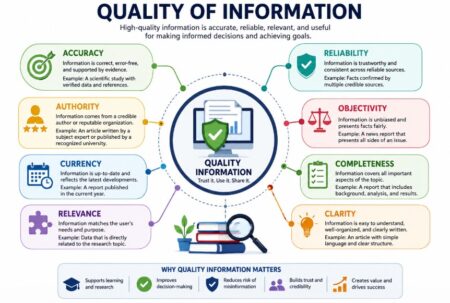
Additionally, individuals may decide to use multiple sources in parallel—combining online databases, books, reports, or even expert interviews—to obtain a fuller understanding of the topic. The digital age has introduced several challenges in this stage, such as information overload and the difficulty of filtering out irrelevant or low-quality information. As a result, the efficiency of the search process can vary greatly depending on the user’s ability to navigate these challenges. - Evaluating the Information: After gathering information, the next step in the process is evaluating the quality, relevance, and credibility of the information found. This stage is crucial, as individuals must determine which sources of information are trustworthy and suitable for their needs. The evaluation process involves assessing factors such as the source’s authority, the accuracy of the information, the timeliness of the content, and the appropriateness of the information for the particular task. For instance, when researching a scientific topic, a researcher may prioritize peer-reviewed journal articles from reputable academic sources over non-expert opinions found on blogs or websites.
Evaluation also involves comparing different pieces of information and determining how they align with the specific need or problem. A user may find multiple articles on the same topic, and they must assess which one provides the most relevant or detailed insight. Additionally, individuals must be aware of any biases in the information, as well as potential conflicts of interest that may affect the credibility of the sources. Effective evaluation skills are essential in today’s information-rich environment, where misinformation and unreliable data are prevalent. - Using the Information: The final stage of information seeking behavior involves applying the information acquired to solve a problem, make a decision, or complete a task. This stage is where the information gathered is synthesized, interpreted, and used in a meaningful way. In academic settings, this could involve integrating research findings into a paper, while in a professional context, it may involve using the gathered data to make business decisions or develop strategies. For example, a student might write a thesis based on the information they have gathered, or a business manager might use market research to guide their company’s next product launch.
During this stage, individuals may return to earlier stages of the process to seek additional information or refine their knowledge. If the information gathered is not sufficient or clear, the user may revisit the search and evaluation stages to find more relevant data or clarify ambiguities. This iterative nature of information seeking behavior emphasizes the dynamic and ongoing process of knowledge acquisition.
Information seeking behavior is a systematic and iterative process that involves several key stages: recognizing the information need, planning the search, actively searching for information, evaluating the gathered data, and ultimately using the acquired knowledge to solve a problem or make an informed decision. Each of these stages plays a crucial role in ensuring that the individual effectively acquires and applies information to meet their needs. Understanding these stages is essential for designing information retrieval systems, developing information literacy programs, and providing support to users as they navigate the vast and often overwhelming landscape of information available today.
Main Models and Theories Related to Information Seeking Behavior
Information seeking behavior (ISB) is a complex process that individuals engage in to gather, evaluate, and apply information. Researchers in the field of information science have developed various models and theories to understand and explain how individuals seek information, the strategies they employ, and the factors influencing their behavior. These models and theories provide a framework for designing more efficient information retrieval systems, improving library services, and enhancing users’ information literacy. Below are some of the most influential models and theories related to information seeking behavior:
- The Information Seeking Process Model by Kuhlthau: One of the most widely recognized models is Kuhlthau’s Information Seeking Process (ISP) model, which emphasizes the emotional, cognitive, and physical aspects of information seeking. Developed by Carol Kuhlthau in the 1990s, this model is based on the premise that information seeking is not just about finding data but is a process that involves uncertainty, frustration, and learning.
Kuhlthau’s model identifies six stages in the information seeking process:- Initiation: The user becomes aware of the information need and begins the search.
- Selection: The user selects an approach for gathering information and narrows down the search.
- Exploration: The user explores various sources, which can lead to feelings of uncertainty.
- Formulation: The user refines their search strategy and begins to form an understanding of the topic.
- Collection: The user gathers the relevant information and begins to organize it.
- Presentation: The user presents or applies the information they have gathered.
Kuhlthau’s model is particularly valuable because it recognizes the emotional and cognitive factors involved in information seeking. It highlights that individuals may experience feelings of confusion and frustration early in the process, which gradually transform into clarity as they move through the stages. This model has been widely applied in educational settings, particularly to support students in research tasks.
- The Cognitive Model of Information Seeking by Belkin: The Cognitive Model of Information Seeking, developed by Richard Belkin in the 1980s, focuses on the mental processes involved in information seeking. This model is built around the concept of the “anomalous state of knowledge” (ASK), which refers to the gap between what the user knows and what they need to know. The model asserts that when people recognize this gap, they engage in an information search to reduce the uncertainty caused by the lack of knowledge.
Belkin’s model emphasizes the cognitive processes at play when individuals formulate search queries, interpret results, and decide on sources. The ASK model provides insight into why individuals may search in a non-systematic way, or why they may struggle to find the exact information they need. It highlights the fact that information seekers are often unaware of how to articulate their queries or may not have a clear mental picture of what information they are seeking, leading to a cycle of trial and error. - The Information Foraging Theory by Pirolli and Card: Developed by Peter Pirolli and Stuart Card in the early 1990s, the Information Foraging Theory is based on the idea that information seekers behave similarly to animals foraging for food. Just as animals forage for food by assessing available resources and optimizing the energy spent on acquiring sustenance, humans seek information in a way that minimizes effort and maximizes the value of the information gathered.
The theory draws on concepts from evolutionary biology to explain how people make decisions about where and how to search for information. According to the model, individuals evaluate information sources based on the “information scent”—a metaphor for the cues or signals that indicate whether a particular source is likely to yield useful information. When the information scent is strong, users tend to follow the path further; when it weakens, they may redirect their search or abandon the source. This model is particularly useful for understanding how people navigate large and complex information environments, such as the internet, and has been applied to the design of search engines and information retrieval systems. - The Sense-Making Theory by Dervin: The Sense-Making Theory, developed by Brenda Dervin in the 1970s, focuses on how individuals make sense of the information they encounter during the information-seeking process. The theory proposes that people actively construct meaning as they interact with the world around them, and they rely on information to bridge gaps in understanding or to resolve “sense-making” needs.
Dervin’s model introduces the concept of “bridge gaps”, where individuals encounter gaps in their understanding and seek information to fill those gaps. The model emphasizes that information seeking is a dynamic process where people constantly adjust their approach to meet their specific needs. It also recognizes the subjective nature of information, with the understanding that what one person finds helpful may not be the same for another. The Sense-Making Theory is particularly useful in contexts where individuals face complex, ambiguous, or incomplete information and must engage in active problem-solving. - Wilson’s Model of Information Seeking: Tom Wilson’s model, often referred to as the Wilson’s Model of Information Seeking Behavior, proposes a broad framework for understanding information seeking. Wilson’s model categorizes information seeking behavior into three primary types: active, passive, and interactive. It also identifies several factors that influence an individual’s decision to seek information, such as cognitive factors (e.g., knowledge, experience), affective factors (e.g., emotional state), and situational factors (e.g., urgency, availability of resources).
Wilson’s model also highlights the role of information channels, such as interpersonal communication, libraries, or the internet, in shaping the search process. The model emphasizes that information seeking behavior is not just about the act of searching; it is influenced by an individual’s needs, goals, and social context, suggesting that information seeking can vary widely between individuals depending on their specific circumstances.
The models and theories of information seeking behavior provide critical insights into how individuals engage with information. Each model emphasizes different aspects of the process, from the emotional and cognitive stages in Kuhlthau’s ISP model to the adaptive, resource-optimization strategies in Pirolli and Card’s Information Foraging Theory. Together, these models highlight that information seeking is not a linear, straightforward task but a dynamic, multifaceted process shaped by cognitive, emotional, and situational factors. Understanding these models is essential for improving information retrieval systems, supporting users in their information-seeking endeavors, and designing environments that facilitate efficient and effective information access.
How Personal Factors Influence Information Seeking Behavior
Information seeking behavior (ISB) refers to the process individuals follow to identify, acquire, evaluate, and use information to fulfill specific needs or solve problems. This process is inherently influenced by a variety of factors, including personal characteristics such as age, education, and profession. These personal factors shape not only how individuals approach the search for information but also the methods they use, the resources they rely on, and the efficiency of their information-seeking processes. Understanding how these factors influence ISB is essential for designing information systems and services that effectively cater to diverse user groups. Below is an exploration of how age, education, and profession impact information seeking behavior.
- Age and Information Seeking Behavior: Age is a key personal factor that influences the way individuals engage with information. As individuals progress through different stages of life, their information needs, preferred sources, and search strategies often evolve. Younger individuals, particularly those who have grown up in the digital age, are generally more adept at using modern information technologies like search engines, social media platforms, and online databases. They are more likely to engage in rapid, broad searches using technology to quickly access a wide range of resources. For example, a teenager researching a school project may use Google or YouTube to find videos, articles, and interactive content, often expecting immediate results.
On the other hand, older individuals may approach information seeking more cautiously, especially if they did not grow up with advanced technology. They may prefer traditional methods of information gathering, such as books, printed materials, or face-to-face consultations with experts. Older individuals may also rely more heavily on trusted, familiar sources, such as established news outlets or printed reference materials, and may take longer to adopt new technologies for information seeking. Additionally, older users might be more cautious when evaluating the credibility of digital information, having witnessed the evolution of misinformation on the internet.
However, this does not mean that older individuals are less capable of adapting to new technologies. With appropriate training and exposure, many older users have become proficient in using digital tools, though they may still prefer more structured or formal information sources compared to younger individuals. - Education and Information Seeking Behavior: Education plays a significant role in shaping how individuals approach information seeking. Generally, individuals with higher levels of education are more skilled in searching for, evaluating, and using information. Educated individuals tend to have a greater understanding of research methods, critical thinking, and source evaluation, which enhances their ability to conduct thorough and systematic information searches. For instance, a university graduate or a researcher is likely to use advanced search techniques in academic databases like JSTOR, Scopus, or PubMed and is more familiar with evaluating the credibility of scholarly articles. They may also know how to refine search queries, utilize Boolean operators, and filter search results to find the most relevant and authoritative sources.
In contrast, individuals with lower levels of formal education may approach information seeking in a more basic and less structured way. They might rely on general search engines like Google and may not be as adept at using specialized databases or critical evaluation techniques. As a result, they might be more prone to accessing irrelevant, incomplete, or unreliable information. For instance, a person with limited educational training may find it challenging to distinguish between a peer-reviewed article and a blog post, leading to a higher risk of misinformation.
Educational background also influences how individuals perceive the value of information. Highly educated individuals may prioritize academic sources and research, whereas those with lower levels of education may be more inclined to trust easily accessible or familiar sources, such as popular websites or social media. - Profession and Information Seeking Behavior: A person’s profession is another crucial factor that influences their information seeking behavior. Professionals in different fields have varying information needs, search strategies, and preferred sources. For example, a medical professional, such as a doctor or researcher, is likely to seek information from specialized medical databases like PubMed, Cochrane Library, or clinical guidelines. They rely on authoritative, evidence-based sources to inform their decisions and may be accustomed to filtering out irrelevant or unverified information quickly.
On the other hand, individuals in professions with less specialized information needs, such as retail or hospitality workers, may rely more on general search engines or industry-specific websites to gather the information they need. They might not need to search through academic databases but rather turn to sources such as company websites, customer reviews, or industry reports.
Additionally, the level of professional expertise affects how information is sought and processed. Highly skilled professionals are often more efficient at identifying relevant sources and critically analyzing the information they find. In contrast, those with less expertise in a specific area may require more guidance and support when searching for information, often relying on general sources or external help from colleagues or experts.
Professionals also tend to have access to specialized tools and resources that enhance their ability to gather information effectively. For example, lawyers have access to legal databases such as Westlaw or LexisNexis, and engineers may use technical manuals or software specific to their field. This access allows them to conduct in-depth and highly focused searches that are tailored to their professional needs. - Combining Age, Education, and Profession: The interaction between age, education, and profession further complicates and refines information seeking behavior. For example, a young, highly educated professional is likely to use a wide range of digital tools and resources effectively, leveraging their technological fluency and academic training to conduct sophisticated searches. In contrast, an older professional with similar education might still prefer traditional information sources or rely more heavily on interpersonal consultations rather than digital resources.
Similarly, an older individual with lower levels of education in a professional field may face challenges when adapting to new technologies or information retrieval systems, making the process slower or less efficient. In these cases, the professional’s specific needs may require additional training or support to improve their information seeking behavior.
Personal factors such as age, education, and profession play a significant role in shaping how individuals approach the process of information seeking. Age influences familiarity with technology and preferred information sources, while education provides individuals with the skills necessary for critical evaluation and effective searching. Profession, on the other hand, shapes the specific resources and strategies used in information retrieval. Understanding these influences is vital for developing information systems, educational programs, and support services that cater to the diverse needs of users. By considering these personal factors, organizations can better support individuals in navigating the complex information landscape efficiently and effectively.
The Role of Technology in Shaping Modern Information Seeking Behavior
Technology plays a transformative role in shaping how individuals seek, process, and utilize information in the modern age. With the rapid evolution of digital tools and the widespread availability of the internet, traditional methods of information seeking have been significantly altered. Search engines like Google, Bing, and Yahoo have become central to the information seeking process, enabling users to access vast amounts of data quickly and easily. These search engines are powered by sophisticated algorithms that rank results based on relevance, authority, and user intent, making searches more intuitive and efficient. Additionally, the rise of voice-activated assistants such as Siri, Alexa, and Google Assistant has introduced a new, conversational way of seeking information, allowing users to obtain answers using natural language, further streamlining the process.
In the realm of research and academia, online databases and digital libraries have revolutionized access to scholarly resources. Databases like PubMed, JSTOR, and Scopus provide users with quick access to peer-reviewed articles, journals, and other academic materials that were previously difficult to obtain. These platforms offer advanced search tools, filters, and sorting options, allowing researchers and students to find highly relevant and credible resources within seconds. Digital libraries and institutional repositories, such as Google Books, have expanded access to historical texts, government reports, and academic papers, democratizing information and making it available to a global audience. This ease of access has significantly impacted research practices, reducing the time and effort required to gather information and ensuring that knowledge is readily available for analysis.
Social media platforms like Twitter, Facebook, and Reddit have also become major sources of information for many individuals. These platforms allow users to access real-time updates, diverse perspectives, and expert opinions on a variety of topics. Social media has also fostered crowdsourced information, where users ask questions and receive answers from a global community, thereby expanding the ways in which people gather and validate information. In particular, platforms like Quora and Stack Exchange provide a space for specialized knowledge sharing, where individuals can pose questions and engage with others who possess expertise in specific areas.
Mobile technology has further shaped modern information seeking behavior by making information accessible anytime and anywhere. Smartphones and tablets have enabled individuals to search for information, access social media, and read articles on the go, drastically changing how people engage with information. This convenience has raised user expectations, as individuals now expect to find answers instantly, whether they are at home, at work, or on the move. The availability of mobile-optimized websites and apps has ensured that users can access information quickly and efficiently, regardless of their location.
Artificial intelligence (AI) and machine learning algorithms have introduced personalized search experiences, further shaping how individuals seek information. By tracking users’ preferences, search histories, and behaviors, AI systems provide tailored recommendations, helping users discover content and information that aligns with their interests. This has changed the way people interact with digital content, as they are more likely to engage with information that is relevant to them based on past behaviors. Services like Netflix and YouTube use AI to suggest videos or movies, while e-commerce platforms like Amazon recommend products, both of which reflect the growing role of AI in influencing information seeking.
Additionally, big data technologies have brought about a shift in how information is sought and analyzed. With the proliferation of massive datasets, individuals and organizations are increasingly relying on data analytics tools to extract meaningful insights from large volumes of information. Businesses, for example, use customer data to identify trends and preferences, shaping marketing strategies and product development. The ability to analyze big data has made information seeking more sophisticated, as users now expect not just to find data but to analyze and interpret it in ways that lead to actionable insights.
How Cultural Background Affects Information Seeking Patterns
Cultural background plays a significant role in shaping information seeking patterns, influencing how individuals approach the process of searching for, evaluating, and using information. Cultural factors, such as language, values, communication styles, and societal norms, impact not only the types of information individuals seek but also the sources they trust and the methods they use to find information. For example, individuals from collectivist cultures, where community and group harmony are emphasized, may prefer information sources that align with collective values and rely on interpersonal networks or family discussions for advice, rather than seeking information independently through online platforms. In contrast, individuals from individualistic cultures may approach information seeking with a greater emphasis on autonomy, using digital resources like search engines or academic databases to independently explore and analyze information.
Language is another critical aspect influenced by culture that affects how individuals search for and interpret information. Non-native speakers may face challenges in accessing relevant information in a language they are not fluent in, which could limit their ability to engage with certain sources or platforms. For instance, a person whose first language is not English may encounter difficulties finding scholarly articles or online resources that are not available in their native language. Furthermore, language influences how people formulate search queries, as different cultural contexts may affect the way questions are framed or phrased, leading to variations in search strategies.
Cultural norms around authority and credibility also affect information seeking behavior. In cultures that place a high value on authority figures, such as elders, experts, or religious leaders, individuals may be more inclined to trust traditional sources of information, such as books, face-to-face consultations, or advice from recognized authorities. Conversely, in cultures where skepticism and independent thought are valued, individuals might prioritize sources that emphasize evidence-based data, peer-reviewed studies, or digital platforms that allow for the sharing of diverse opinions. Additionally, cultural attitudes towards technology and media consumption can influence how individuals engage with information. In some cultures, technology may be more widely embraced, and people may readily use digital tools such as social media, search engines, and online databases to access information. In other cultures, there may be a more cautious or limited use of technology, with individuals preferring traditional methods of information seeking, such as libraries or in-person consultations. Cultural preferences for certain types of media, such as visual content over text, or vice versa, can also influence how individuals seek and process information.
Common Barriers to Effective Information Seeking
Effective information seeking is critical in today’s information-driven society, where individuals rely on information to make decisions, solve problems, and expand their knowledge. However, despite the abundance of information sources available, many individuals encounter various barriers that hinder their ability to effectively seek, evaluate, and use information. These barriers can arise from technological, cognitive, environmental, or social factors, and understanding these obstacles is essential for improving information retrieval systems, user experiences, and access to information. Herer are some of the most common barriers to effective information seeking and the implications they have for users in academic, professional, and personal contexts.
- Information Overload: One of the most significant barriers to effective information seeking in the digital age is information overload. With the proliferation of online content, including websites, articles, social media, and databases, individuals are often faced with an overwhelming amount of information. This flood of data can make it difficult to sift through and identify what is truly relevant or reliable. Users may become frustrated or fatigued when trying to find specific information, leading to suboptimal searches and potentially overlooking valuable resources.
The sheer volume of available information often results in users becoming overwhelmed and unable to effectively filter out irrelevant or redundant data. This challenge is particularly pronounced when people do not have clear search strategies or lack the skills to use advanced search features like Boolean operators or filters effectively. Consequently, information overload can lead to decision paralysis, where individuals find it difficult to make informed choices because they are bombarded with too many options. - Lack of Information Literacy Skills: Another critical barrier to effective information seeking is a lack of information literacy skills. Information literacy refers to the ability to recognize when information is needed and to effectively locate, evaluate, and use the required information. Many individuals, particularly those with limited education or exposure to research methodologies, may not possess the necessary skills to conduct efficient searches, evaluate the credibility of sources, or interpret data accurately.
Without strong information literacy skills, users may struggle to navigate databases, critically assess the reliability of sources, or even know where to search for high-quality information. As a result, they may resort to less authoritative sources, such as unreliable websites or social media, or simply accept information at face value without critically evaluating its accuracy or relevance. The lack of information literacy skills can lead to the spread of misinformation and the reliance on incomplete or biased information, which can ultimately compromise decision-making processes. - Cognitive Biases and Preconceived Notions: Cognitive biases and preconceived notions are another common barrier to effective information seeking. Cognitive biases are inherent tendencies to think in certain ways that can distort reasoning and decision-making. For example, confirmation bias refers to the tendency to seek out information that confirms pre-existing beliefs or ideas, while ignoring information that contradicts them. This bias can influence how individuals approach information seeking, leading them to focus only on sources that align with their views and disregard sources that provide alternative perspectives.
In addition to confirmation bias, people may be influenced by other cognitive biases, such as availability bias (relying on readily available information), anchoring bias (giving undue weight to the first piece of information encountered), or the Dunning-Kruger effect (overestimating one’s knowledge on a topic). These biases can impair the information seeking process by limiting the scope of the search, leading to the selection of incomplete or skewed information, and hindering objective decision-making. - Inadequate Search Tools or Systems: Even with the right information literacy skills and the motivation to seek information, individuals may encounter barriers due to inadequate or poorly designed search tools and systems. Many users face difficulty when navigating search engines, databases, or library catalogs that are not user-friendly or fail to provide relevant results. Issues such as complex user interfaces, poor search functionality, or overly broad search results can make it challenging for users to find the information they need efficiently.
For example, search engines that do not allow for precise filtering or databases that lack advanced search capabilities can result in irrelevant or excessive results, leaving users frustrated and uncertain about the reliability of the information they encounter. The lack of personalization features in search systems can also hinder users, as they may not be able to easily access information tailored to their specific needs or interests. As a result, poorly designed systems may impede effective information seeking and reduce user satisfaction with digital resources. - Limited Access to Information: Access to information is another significant barrier that can hinder effective information seeking. In many parts of the world, individuals still face limited access to digital resources due to inadequate internet infrastructure, high costs, or government censorship. In areas with limited access to the internet or where digital literacy is low, people may struggle to use online platforms for information seeking. This creates a digital divide, where only those with sufficient resources or skills can fully benefit from the wealth of information available online.
Additionally, some individuals may encounter access barriers within professional or academic settings. For example, they may lack access to subscription-based databases, journals, or scholarly articles that are often behind paywalls. In such cases, the inability to access high-quality information can impede research, education, and informed decision-making, particularly for students, researchers, or professionals in underfunded sectors or institutions. - Time Constraints and Prioritization: Time constraints are a pervasive barrier to effective information seeking, particularly in professional and academic contexts. Individuals often face competing demands on their time and may not be able to dedicate the necessary hours to conduct thorough searches or engage with complex information. In fast-paced environments, such as the workplace or university, individuals may prioritize completing tasks or meeting deadlines over conducting in-depth research, resulting in superficial information seeking.
Moreover, when people feel pressed for time, they may opt for quicker, less effective methods of finding information, such as relying on easily accessible sources like search engines or social media, rather than engaging with more authoritative or comprehensive resources. This tendency to opt for convenience over quality can limit the depth of information gathered and lead to less informed decisions. - Social and Cultural Barriers: Social and cultural factors can also impact how individuals seek and use information. In some cultures, individuals may have limited access to certain types of information due to societal norms, taboos, or legal restrictions. For instance, in countries with strict government censorship, individuals may have difficulty accessing political information or may be discouraged from seeking out certain viewpoints due to fear of reprisal.
In certain social contexts, there may also be a reluctance to seek information due to stigmas or societal expectations. For example, individuals may avoid seeking health information due to cultural beliefs about privacy or mental health issues, preventing them from accessing critical resources. Additionally, people in collectivist cultures may prefer to rely on advice from trusted family members or social groups rather than independently seeking information from broader or anonymous sources.
Effective information seeking is essential for informed decision-making, learning, and problem-solving in today’s information-rich environment. However, individuals often face a range of barriers that hinder their ability to access, evaluate, and utilize information effectively. Information overload, lack of information literacy, cognitive biases, inadequate search tools, limited access, time constraints, and social and cultural factors all contribute to the challenges people face in the information-seeking process. By addressing these barriers through better education, improved technology, and greater access to information, individuals can be empowered to engage in more effective information seeking and make more informed decisions in their personal, academic, and professional lives.
The Role of Libraries in Supporting Information Seeking Behavior
Libraries have long been central to the information seeking process, providing individuals with access to a wide range of resources and expert assistance in locating, evaluating, and utilizing information. In today’s information-rich society, libraries continue to play a vital role in supporting information seeking behavior by offering both physical and digital resources, information literacy education, and expert guidance. As the information landscape evolves, libraries have adapted to new technologies and methodologies, ensuring that they remain crucial in helping individuals navigate the complex process of information seeking. Let’s explore the multifaceted role libraries play in supporting information seeking behavior, focusing on their provision of resources, user education, and expert assistance.
- Providing Access to Resources: One of the primary roles of libraries in supporting information seeking behavior is providing access to a wide variety of information resources. Libraries offer an extensive collection of physical materials, such as books, journals, and reference works, that users can consult for in-depth information. These resources are often organized in structured ways, such as through classification systems like the Dewey Decimal System or the Library of Congress Classification, which makes it easier for users to locate the materials they need.
In addition to physical resources, libraries have embraced the digital age by providing access to online databases, e-books, and electronic journals. Many libraries subscribe to academic and research databases such as JSTOR, PubMed, and Scopus, offering users access to peer-reviewed articles, scholarly papers, and research publications that may not be readily available elsewhere. This access is especially important for students, researchers, and professionals who need authoritative and reliable information to support their work. Furthermore, libraries offer access to a wide array of multimedia resources, including audio-visual materials, online learning platforms, and digital archives. These diverse resources are integral to supporting the information seeking needs of individuals across different fields and disciplines. By providing easy access to high-quality information, libraries play a critical role in removing barriers to information access and enabling individuals to seek out the knowledge they require. - Information Literacy Education: Another essential role that libraries play in supporting information seeking behavior is through information literacy education. Information literacy refers to the ability to recognize when information is needed, and to locate, evaluate, and use that information effectively. Libraries offer a range of educational programs, workshops, and resources designed to help users develop these crucial skills.
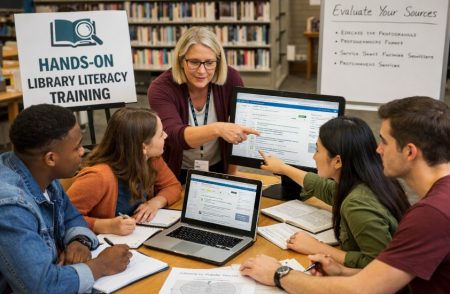
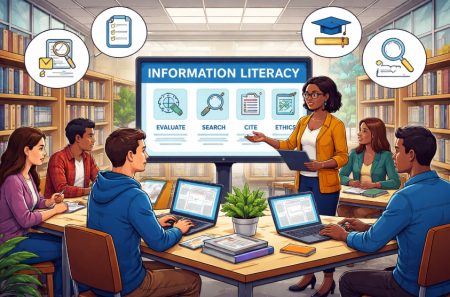
Librarians often provide training on how to use search engines, online databases, and library catalogs efficiently, as well as how to evaluate the credibility and relevance of the information found. This training is especially important in an era where information overload and the spread of misinformation are prevalent. Through instruction on critical thinking, source evaluation, and research methodologies, libraries help individuals become more discerning consumers of information, ensuring that they are able to navigate the vast array of resources available and select the most relevant and reliable sources for their needs.
In addition to formal workshops, libraries often provide one-on-one guidance through reference services, where library staff assist users in finding information on specific topics, refining their search strategies, and understanding how to apply the information they find. These personalized interactions help users gain the confidence and skills needed to conduct more effective and efficient information searches on their own. - Expert Assistance and Research Support: Librarians are skilled professionals with expertise in organizing, managing, and navigating information. Their knowledge of information systems, classification methods, and search strategies is a valuable resource for individuals engaged in information seeking. Libraries offer a wide range of expert assistance through reference services, where librarians help users identify the most appropriate resources, develop search strategies, and access hard-to-find information.
In academic libraries, especially, librarians provide tailored research support for students, faculty, and researchers. This support can include helping users design research questions, identify appropriate databases, and access specialized materials. Librarians also assist with citation management, helping users properly cite their sources using tools like Zotero, Mendeley, or EndNote, which can enhance the quality and credibility of their work. Moreover, libraries support information seeking behavior by providing access to experts in specific fields. Many libraries organize workshops, seminars, or events with guest speakers who provide specialized knowledge on a range of topics. These events encourage users to seek out further information in their areas of interest and provide an opportunity for direct interaction with experts who can guide the information seeking process. - Facilitating Collaboration and Networking: Libraries also support information seeking behavior by fostering collaboration and networking opportunities. Many libraries provide spaces for group study, collaborative projects, and research seminars. These collaborative environments allow individuals to share resources, exchange ideas, and refine their information-seeking strategies with peers. By facilitating a community of learners, researchers, and professionals, libraries create an atmosphere where information seeking becomes a collective effort, and individuals can benefit from the diverse expertise and perspectives of others.
In addition to physical spaces, libraries often host online forums, webinars, and virtual study groups where individuals can engage with others remotely. This online collaboration is especially valuable in today’s increasingly digital world, where remote learning and telecommuting are becoming more common. Libraries help users expand their networks, connect with experts, and gain insights into areas of research or interest that they may not have been aware of, thus broadening the scope of their information-seeking endeavors. - Adapting to Technological Changes: As the technological landscape continues to evolve, libraries have been quick to adapt, ensuring that they remain relevant in supporting information seeking behavior. Libraries have embraced new technologies such as online catalogs, digital repositories, and mobile apps that allow users to access resources and search tools anytime and anywhere. For example, many libraries have integrated cloud-based systems that provide seamless access to digital books, journals, and databases, ensuring that users can obtain the information they need without having to visit the library physically.
Furthermore, libraries are increasingly integrating artificial intelligence (AI) and machine learning tools into their information retrieval systems to enhance search capabilities. These technologies help users find information more efficiently by predicting search results based on previous behavior and refining search algorithms for better accuracy. AI-powered chatbots are also being used in some libraries to provide instant assistance to users, guiding them to the right resources and helping them with their information-seeking needs in real time.
Libraries play a critical and multifaceted role in supporting information seeking behavior. By providing access to a wide range of resources, offering information literacy education, delivering expert assistance, fostering collaboration, and adapting to technological advancements, libraries ensure that individuals can effectively seek and utilize the information they need. In an age where information is abundant yet often difficult to navigate, libraries continue to be invaluable institutions that empower individuals to make informed decisions, conduct meaningful research, and expand their knowledge. As the role of information in society continues to grow, libraries will remain at the forefront of supporting effective and responsible information seeking for individuals of all backgrounds and needs.
Can Information Seeking Behavior Be Improved with Training or Awareness Programs? How?
Information seeking behavior is a crucial skill in today’s information-rich environment, where individuals are constantly required to access, evaluate, and apply information for academic, professional, and personal purposes. Despite the wealth of information available, many individuals face challenges in seeking information effectively, such as inefficient search strategies, difficulty evaluating sources, or becoming overwhelmed by the sheer volume of data. The good news is that information seeking behavior can indeed be improved through targeted training and awareness programs. Such programs are designed to help individuals develop the skills needed to search efficiently, evaluate information critically, and apply it effectively. By focusing on improving search strategies, enhancing critical evaluation skills, promoting the efficient use of digital tools, and increasing awareness of available resources, training programs can significantly enhance individuals’ ability to seek information more effectively.
One of the main areas where training programs can have an impact is in enhancing search strategies. Often, individuals struggle with using search engines or navigating specialized databases due to a lack of knowledge on how to formulate efficient queries or utilize advanced search features. Training programs that teach users how to use Boolean operators, refine search queries, and apply filters can drastically improve the effectiveness of their searches, allowing them to find more relevant and specific results. For instance, library workshops or online tutorials can teach individuals how to optimize their searches in academic databases such as PubMed or JSTOR, which are essential for retrieving scholarly articles. This type of training helps individuals become more efficient in gathering information, ultimately improving the quality and relevance of their search results.
Training programs can also help improve critical evaluation skills, which are essential in today’s information environment where misinformation is rampant. Information literacy programs, offered by libraries or educational institutions, provide users with the tools to assess the credibility and reliability of information sources. By teaching participants how to evaluate the authority of an author, the reliability of a publication, and the presence of supporting evidence, these programs help individuals become more discerning consumers of information. Additionally, programs can address the challenges of evaluating online sources, emphasizing the importance of verifying facts and cross-referencing information. With improved critical evaluation skills, individuals are more likely to select reliable and accurate sources, ensuring that the information they use is trustworthy.
In the digital age, the use of technology is integral to information seeking. Training programs can increase proficiency in using digital tools like citation management software, which can help users organize, store, and retrieve references efficiently. Tools like Zotero, EndNote, and Mendeley simplify the process of managing citations and ensure that information is stored in an accessible, organized manner. Furthermore, programs that teach individuals how to navigate online databases, digital libraries, and search engines effectively help users access high-quality information in less time. Awareness of AI-driven search engines and the personalization of search results can also empower individuals to make the most of new technologies, ensuring their information-seeking efforts are efficient and effective.
Awareness programs can also play a significant role in increasing users’ knowledge of the wide range of information resources available to them. Many individuals are unaware of the full scope of resources at their disposal, particularly in academic or professional settings. Libraries often provide access to specialized databases, journals, and digital archives that are not easily accessible via general search engines. By informing users about these resources, awareness programs encourage them to look beyond popular search engines and social media platforms to find more authoritative, reliable sources. Programs that promote access to open educational resources (OERs) and digital archives help users discover valuable materials that they may not have previously considered.
Another important aspect of training programs is fostering collaboration and networking. Information seeking is often more effective when individuals can share resources, exchange ideas, and discuss strategies with others. Libraries and educational institutions can create collaborative environments where users can engage with experts, attend workshops, and participate in research seminars. These opportunities provide users with the chance to learn from peers, mentors, and specialists, thereby enhancing their information seeking behavior. Collaborative group study sessions, for example, allow individuals to share tips and strategies for effective searching, further enriching the information-seeking process.
In conclusion, training and awareness programs are essential for improving information seeking behavior. By enhancing users’ search strategies, critical evaluation skills, and familiarity with digital tools, these programs empower individuals to navigate the increasingly complex information landscape more effectively. Additionally, such programs help raise awareness of available resources and foster collaboration, making the information seeking process more efficient and successful. As information becomes more accessible and essential in every area of life, these programs are invaluable in ensuring that individuals can make informed decisions, conduct thorough research, and utilize information responsibly.
Reference Articles:
- Thammanna, H. N. (2017). Information gathering habits of contemporary Kannada Writers an analytical study. Retrieved from: http://hdl.handle.net/10603/206403
- Ao, T. (2003). Information needs and information seeking behaviour of educated unemployed youth in Nagaland.
- Carvalho e Rodrigues, M., & Mandrekar, B. (2021). Role of the Libraries in Providing Information and Changing Information-Seeking Behaviour of Students and Faculties during the Pandemic: A Study. Library Philosophy and Practice (e-Journal). https://digitalcommons.unl.edu/libphilprac/6350
- K, S. K. (2010). Information seeking behaviour of users in the autonomous college libraries in Mangalore city.
- Naskar, S. (2018). Information seeking behaviour of patients at government hospitals in North Bengal An exploratory study.
- Sanjay, K. (2014). Relevance and Applicability of Information Seeking Behaviour Models in Electronic Environment A Critical Approach.
- Thammanna, H. N. (2017). Information gathering habits of contemporary Kannada Writers an analytical study.





2 Comments
Please help me with the what information user is talking about.
Material on information Analysis