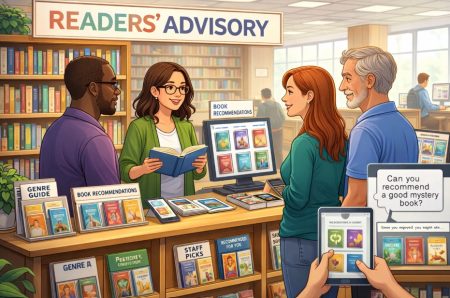
A Library Book Selector plays a pivotal role in ensuring that a library’s collection remains diverse, relevant, and up-to-date, catering to the needs of its users. Tasked with evaluating and selecting books and other materials for acquisition, the book selector must balance various factors, including the interests and demands of library patrons, budgetary constraints, and the library’s mission. This involves a deep understanding of the community or academic environment the library serves, as well as staying informed about the latest trends in publishing, emerging research, and new educational or cultural needs. The role requires a combination of critical thinking, budget management, and organizational skills to ensure the library’s collection supports its users’ educational, recreational, and informational needs. Whether working in public, academic, or special libraries, the library book selector’s expertise and decision-making are essential in maintaining a collection that is both comprehensive and dynamic, fostering learning and growth within the community.
Role of a Library Book Selector
The role of a Library Book Selector is crucial in shaping the library’s collection and ensuring that it meets the diverse and evolving needs of its users. A book selector is responsible for evaluating, acquiring, and maintaining books and other resources within the library, and their decisions directly impact the library’s ability to fulfill its mission of providing access to knowledge, education, and information. The book selector’s role goes beyond simply purchasing books; it involves thoughtful decision-making, collaboration, and an understanding of the community the library serves. Below are key aspects of the library book selector’s role.
- Understanding User Needs: One of the primary responsibilities of a book selector is to understand the needs of the library’s users. This involves recognizing the demographics of the community the library serves—whether students, researchers, children, or the general public—and tailoring the book selection to meet these needs. Academic libraries, for example, require resources that support specific curricula and academic research, while public libraries may prioritize materials that foster literacy and cater to a wide range of interests, from fiction and nonfiction to books for various age groups.
Book selectors must also keep abreast of any shifts in community interests, local events, or emerging trends that may require adjustments to the collection. This ongoing evaluation ensures that the library remains a valuable resource for its users. - Budget Management: Given that most libraries face financial constraints, budget management is a key aspect of the book selector’s role. The selector must prioritize spending based on available funds, often balancing the acquisition of popular books with more specialized titles that might support the library’s long-term goals. Budget management also involves finding cost-effective ways to acquire materials, such as negotiating with publishers for discounts, participating in cooperative purchasing programs, or utilizing book donation initiatives.
The ability to make strategic purchasing decisions—maximizing the value of each dollar spent—is a vital skill for a library book selector. They must constantly evaluate which books will provide the most value for the library’s collection while staying within budget limits. - Curating a Diverse and Relevant Collection: Another core function of a book selector is ensuring that the library’s collection is diverse, balanced, and up-to-date. This involves selecting materials that reflect a broad range of subjects, genres, authors, and perspectives. A well-rounded collection will provide resources that cater to different age groups, backgrounds, and interests, ensuring that the library can serve the needs of the entire community.
Selectors must also be mindful of the importance of inclusivity, seeking books that reflect diverse voices, experiences, and cultural perspectives. This might include acquiring materials in different languages or focusing on works by underrepresented authors. Ensuring the collection is current and relevant involves regularly reviewing books and materials, replacing outdated editions, and adding new resources that reflect current trends, research, and topics of public interest. - Evaluating Books and Resources: The book selector must evaluate each potential acquisition carefully. This requires thorough research, including reading book reviews, assessing the credibility of authors and publishers, and considering how well the book aligns with the library’s goals. Selectors often review catalogs, check scholarly databases, and consult with other library professionals to make informed decisions.
An important part of the evaluation process is ensuring the quality of the books being purchased. This includes assessing factors like the accuracy of the content, the reputation of the author, the publisher’s credibility, and the book’s relevance to the target audience. The book selector must also be mindful of the physical condition of the books, making sure they are durable and suitable for frequent use in the library environment. - Managing Donations and Special Acquisitions: In addition to purchasing new materials, a book selector often manages donations and special acquisitions. Libraries frequently receive book donations from community members, publishers, or organizations, and it’s the selector’s responsibility to determine whether these materials are suitable for inclusion in the collection. Donated books may not always meet the library’s standards, so selectors must evaluate them for relevance, condition, and quality.
Book selectors may also work with other libraries, educational institutions, and organizations to obtain books at discounted rates or in bulk. Collaborating with external partners can help expand the library’s collection without exceeding its budget. - Staying Current with Trends and New Releases: To maintain a relevant and up-to-date collection, book selectors must stay informed about trends in publishing, emerging topics in various fields, and new book releases. This involves regularly reading industry journals, attending conferences, and reviewing catalogs and publishers’ lists. A knowledgeable book selector is aware of upcoming releases, anticipated bestsellers, and important academic texts, ensuring that the library’s collection remains on the cutting edge.
Selectors must also be aware of changes in educational standards, technological advancements, and shifts in popular culture, as these may necessitate updates or additions to the library’s resources. - Ensuring Accessibility and Organization: Once books and materials are acquired, the book selector ensures that they are organized and accessible to users. This includes working with library staff to categorize and shelve new books, ensuring they are appropriately cataloged and easy to find. In some libraries, the book selector may also help determine which books should be displayed prominently or kept in special collections for easy access.
Accessibility also extends to ensuring that books are available in different formats, such as print, e-books, or audiobooks, depending on the needs of the community. Offering a variety of formats ensures that all patrons, regardless of ability, can access the materials they need. - Collaboration and Communication: The book selector works closely with library staff, other selectors, and sometimes even patrons to gather input and feedback on the collection. Collaboration is essential to ensure that the collection meets the needs of all library users. Regular communication with faculty, teachers, and community members helps selectors understand the specific needs of different groups and make informed decisions about book acquisitions.
Selectors also often collaborate with publishers, vendors, and other libraries to stay updated on the latest materials available and to negotiate better prices or access to exclusive resources.
The role of a library book selector is multifaceted and essential for the growth and relevance of any library. By carefully evaluating materials, managing budgets, and staying informed about new trends, a book selector ensures that the library’s collection is diverse, accessible, and aligned with the needs of its users. A library book selector helps create a dynamic and thriving collection that supports education, research, and community engagement through strategic decision-making, collaboration, and a commitment to excellence.
Qualities of a Library Book Selector
A library book selector plays a vital role in ensuring that the library’s collection is diverse, relevant, and up-to-date. This individual is responsible for curating and maintaining the library’s book collection, often working with a limited budget and a wide variety of user needs. The qualities of a library book selector are essential to ensure that the library serves its community effectively and provides access to the best possible resources. Below are key qualities that make an effective library book selector:
- Knowledge of User Needs: A good book selector must have a strong understanding of the needs of the library’s users. Whether the library serves students, researchers, or the general public, the book selector should know which types of books and materials are most beneficial for their patrons. This requires not only familiarity with the demographics of the user base but also awareness of the specific academic, recreational, and informational needs of different groups.
For example, in an academic library, the book selector needs to prioritize books that align with the curriculum and support ongoing research. In a public library, the focus might shift to popular genres, children’s literature, and books that promote literacy and community engagement. - Familiarity with the Collection: A book selector must be thoroughly familiar with the library’s existing collection. This knowledge allows them to identify gaps, outdated materials, and areas in need of expansion or refinement. Understanding the collection helps avoid duplicating titles and ensures that acquisitions support rather than repeat the content already available.
A well-informed selector can make strategic decisions about which books to purchase, replacing worn-out or obsolete books with updated editions and filling in gaps where the collection may be lacking in specific genres or subjects. - Budget Management Skills: Given the financial constraints many libraries face, a book selector must be skilled in managing budgets. They should be able to make the most of limited resources by prioritizing book purchases and seeking discounts or other cost-saving measures. A good selector may work with publishers, suppliers, or other libraries to obtain better prices, negotiate for discounts, or take advantage of cooperative purchasing programs to stretch the library’s budget further. Additionally, a book selector must know how to balance the purchase of high-demand titles with those that are more specialized or niche, ensuring that the library serves all its user groups appropriately within budgetary limits.
- Critical Thinking and Research Skills: Selecting books for a library requires critical thinking and research skills. A book selector must be able to evaluate the quality, credibility, and relevance of books and materials. This means assessing whether a book will add value to the collection, whether the author is reputable, and whether the content aligns with the library’s mission and goals.
Selectors must also stay informed about trends in publishing, emerging topics, and the latest research in their community or academic field. Keeping abreast of book reviews, recommendations from experts, and developments in various subjects is crucial to ensuring the collection remains current and engaging. - Attention to Detail: Book selection involves meticulous attention to detail. A book selector must pay close attention to aspects such as the accuracy of bibliographic information, the condition of the book, and the edition being purchased. This attention to detail helps avoid errors like ordering incorrect editions, acquiring duplicate titles, or purchasing materials in poor condition.
Selectors should also be able to assess the readability, tone, and format of the books, ensuring that they are appropriate for the intended audience. For instance, the complexity of the language used in a book should align with the reading levels of the library’s users. - Cultural Sensitivity and Inclusivity: Libraries serve diverse communities, and a book selector must be sensitive to cultural, social, and linguistic diversity. They should make efforts to ensure that the library’s collection reflects a variety of voices, experiences, and perspectives, particularly those of historically underrepresented or marginalized groups.
Inclusivity also extends to selecting books in multiple languages, ensuring that people from different linguistic backgrounds can access relevant materials. A library book selector needs to choose books that celebrate diversity and support the library’s mission to foster an inclusive and welcoming environment. - Organization and Time Management: Selecting books is a time-consuming process that involves reviewing catalogs, reading book reviews, and coordinating with suppliers. A library book selector must be well-organized and able to manage their time effectively to meet acquisition deadlines while balancing other responsibilities, such as reviewing new arrivals or managing requests for specific titles.
Effective time management ensures that the book selection process is streamlined, enabling the selector to make timely decisions and stay within budget constraints while still meeting the library’s goals. - Strong Communication Skills: Communication is key for a book selector, both when working with library staff and external vendors. The book selector needs to communicate the library’s acquisition priorities clearly to suppliers, publishers, and other stakeholders. This involves negotiating, placing orders, and occasionally advocating for specific resources.
Additionally, a book selector should be able to collaborate with library staff and users to understand their needs, gather feedback, and respond to requests for materials. Good communication ensures that the book selection process is transparent and aligned with the community’s needs. - Adaptability and Open-mindedness: Book selection is not a static process—trends in literature and user needs evolve over time. A successful book selector must be adaptable and open to change. This could mean adjusting the collection to reflect new educational standards, exploring alternative formats such as e-books, or embracing diverse genres and subjects.
An open-minded selector is willing to try new things and remain flexible in response to changing circumstances, such as budget shifts, technological advances, or new community needs.
A library book selector must be a thoughtful, knowledgeable, and strategic individual who is passionate about building a diverse and relevant collection. Their ability to balance financial constraints, cultural inclusivity, user needs, and collection maintenance is essential in ensuring the library can fulfill its educational, informational, and recreational roles within the community. By cultivating a blend of analytical skills, communication, and adaptability, a skilled book selector helps libraries remain dynamic and resourceful in the ever-changing landscape of information access.
Qualifications and Skills Required to Become a Library Book Selector
Becoming a Library Book Selector requires a blend of formal qualifications, practical skills, and a deep understanding of library operations. This role is central to curating a library’s collection, ensuring that it meets the needs of its community and remains current, relevant, and accessible. Below are the key qualifications and skills needed to excel in this important position.
- Educational Qualifications: Typically, a Bachelor’s degree in library science or a related field is required to become a library book selector. Many selectors also pursue a Master’s degree in Library and Information Science (MLIS), which is often preferred for more advanced or specialized positions. This degree program equips future selectors with foundational knowledge in library management, cataloging, digital resource management, and the development of library collections. Some selectors may have degrees in specific fields related to the library’s focus, such as literature, history, science, or education, which can be valuable for making informed decisions about selecting books for a particular type of library (e.g., academic, public, or special libraries).
- Knowledge of Library Operations: An in-depth understanding of library operations is essential for anyone in this role. A library book selector should be familiar with cataloging systems, library classification methods, and the principles of collection development. They should know how to manage and organize collections effectively and how to use library management software to track acquisitions, circulation, and materials. Selectors also need to be familiar with industry standards, such as the Dewey Decimal Classification (DDC) system or Library of Congress Classification, as these systems guide the arrangement and accessibility of materials.
- Strong Research and Analytical Skills: Library book selectors must have excellent research and analytical skills. They need to assess the quality, relevance, and credibility of books and materials before adding them to the collection. This requires reviewing book reviews, publisher details, bibliographies, and author credentials. They must also stay up-to-date with trends in literature, emerging research, and the latest academic publications to ensure the library’s collection remains relevant. Selectors are also responsible for analyzing and evaluating community needs, whether they involve the academic demands of students and faculty or the recreational interests of the general public. They must be able to determine which materials will best serve the library’s purpose and the needs of its users.
- Budget Management Skills: Since many libraries operate with limited budgets, budget management skills are crucial for book selectors. They need to be able to prioritize purchases based on available funds, making cost-effective decisions to maximize the library’s collection while staying within financial constraints. Selectors often need to negotiate with publishers, book suppliers, and other libraries for discounts or better pricing options. Selectors may also be tasked with finding alternative ways to acquire books, such as through donations, cooperative purchasing agreements with other libraries, or utilizing electronic resources that may be more cost-effective.
- Organizational and Time Management Skills: Library book selectors must be highly organized and able to manage multiple tasks simultaneously. They often work with tight deadlines, such as when a library is acquiring materials for a specific semester or event. Good organizational skills allow selectors to effectively keep track of acquisitions, ensure that materials are cataloged correctly, and manage the ongoing maintenance of the library’s collection. Time management skills are also essential, as selectors must prioritize tasks, manage budgets, and review new acquisitions or donation offers while balancing other duties. Managing these responsibilities requires the ability to allocate time efficiently and stay on top of various ongoing projects.
- Attention to Detail: The ability to pay attention to details is key to the success of a library book selector. Whether it’s ensuring that bibliographic data is correctly entered into the library’s catalog or identifying outdated or damaged materials, attention to detail helps prevent errors and ensures the library’s collection is well-maintained. This skill also applies to reviewing books for selection. The selector must examine factors like content accuracy, author credentials, the condition of the book, and the relevance to the community’s needs to make informed decisions.
- Communication and Interpersonal Skills: Effective communication is vital for a library book selector, as they must interact with a variety of people, including library staff, publishers, authors, and patrons. Whether negotiating with suppliers, working with library staff on acquisitions, or explaining the library’s acquisition strategy to stakeholders, a selector must be able to communicate clearly and professionally. Interpersonal skills are also important because selectors often need to collaborate with library staff, faculty, and the community to identify and respond to the needs of library users. Being able to listen to and incorporate feedback from these groups ensures the library’s collection aligns with their expectations and requirements.
- Cultural Sensitivity and Inclusivity: A library book selector must be culturally sensitive and committed to ensuring that the library’s collection reflects diverse voices, perspectives, and experiences. Selectors should strive to curate an inclusive collection that serves all members of the community, including underrepresented groups. This involves actively seeking out books that reflect various cultures, languages, and viewpoints to promote equity in the library’s offerings.
- Technology Proficiency: In today’s digital age, technology proficiency is an important skill for a library book selector. Selectors must be comfortable with library management software, digital catalogs, and online databases for tracking acquisitions and organizing the collection. They should also stay informed about emerging technologies such as e-books, audiobooks, and online journal subscriptions, ensuring the library adapts to changing formats and user preferences.
Becoming a library book selector requires a combination of formal education, practical skills, and a passion for curating meaningful collections that benefit library users. The role demands a deep understanding of library operations, research, budget management, and communication skills, all while ensuring the library’s collection is diverse, relevant, and aligned with the needs of its community. A well-qualified book selector can make a significant impact on the quality of resources available to library patrons, promoting education, literacy, and lifelong learning.
How a Library Book Selector Decides Which Books to Add to the Collection
A Library Book Selector plays a critical role in curating a library’s collection by making informed decisions about which books and materials to add. The process of selecting books is guided by a combination of factors, including the needs of the library’s users, available resources, and the overall mission of the library. First and foremost, a book selector must consider the interests and requirements of the library’s patrons, which can range from students and faculty in an academic setting to families and community members in a public library. Understanding the demographic makeup and the educational, cultural, and recreational needs of the community is essential in ensuring that the selected books meet those needs.
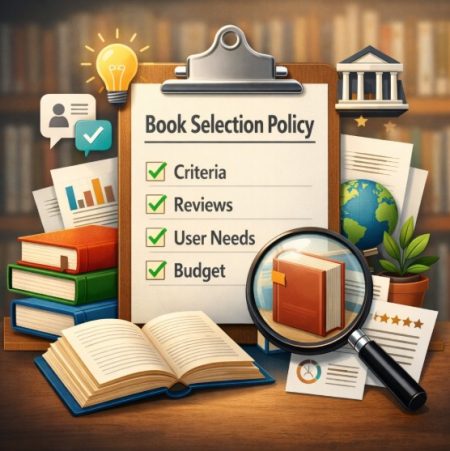
In addition to user needs, a book selector evaluates the quality and relevance of each potential acquisition. This involves reviewing publishers, author credentials, book reviews, and scholarly recommendations to assess the credibility and value of the book. A selector also considers the scope of the collection, aiming to fill gaps and ensure diversity in topics, genres, and perspectives. Budget constraints are another important factor; selectors must prioritize books that offer the greatest value while staying within financial limits. They may also explore cost-saving strategies, such as negotiating with publishers or acquiring digital materials, to expand the collection more efficiently.