
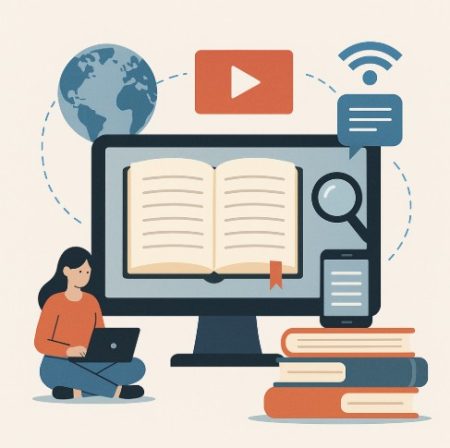
Multimedia resources in libraries encompass a wide array of content, including audio, video, images, and interactive digital media, which serve to enhance the learning experience and support a diverse range of research and educational needs. These resources are pivotal in today’s information age, as they provide an alternative to traditional print materials by offering dynamic, visual, and auditory means of information delivery. Libraries typically house multimedia collections ranging from educational videos, digital archives, and podcasts to interactive learning modules, e-books with multimedia enhancements, and streaming services. For example, libraries may offer access to video tutorials on subjects like computer programming or online databases, or provide streaming services such as Kanopy, which offers documentaries, films, and educational videos. Additionally, platforms like OverDrive allow libraries to offer audiobooks and e-books with multimedia features, enhancing the user experience.
The integration of multimedia resources in libraries not only caters to various learning styles—such as visual and auditory learners—but also facilitates engagement through more immersive and interactive experiences. For instance, interactive e-learning modules on subjects like history or science allow users to explore content in an engaging way, using multimedia such as animations, simulations, and quizzes. Furthermore, the use of multimedia aids in bridging gaps in digital literacy, making information more accessible to a wider audience. Libraries that provide resources like language learning apps, podcasts, or video-based courses help users develop new skills and gain access to information in formats they may find easier to engage with.
In this digital era, libraries are increasingly focusing on expanding and maintaining their multimedia collections, as these resources are seen as essential tools for fostering critical thinking, creativity, and innovation among users. For example, the use of 3D models or digital archives in libraries allows researchers to explore historical artifacts or scientific specimens in ways that were previously not possible. However, the management and preservation of multimedia materials also present challenges, including issues related to copyright, licensing, and technological obsolescence. Libraries need to stay ahead of technological trends to ensure continued access to these resources, as older formats or platforms may become outdated. Nonetheless, the role of multimedia resources in libraries continues to grow, significantly enhancing both educational outreach and the overall research environment.
What is Multimedia?
Multimedia refers to the integration of various forms of media—such as text, audio, video, images, and interactive elements—into a cohesive and engaging format to convey information or provide entertainment. The primary purpose of multimedia is to enhance the delivery of content by appealing to multiple senses simultaneously, making it a powerful tool for communication and learning. Unlike traditional text-based communication, multimedia allows for dynamic and immersive experiences by combining different types of media to present information in a more engaging and accessible manner. For instance, educational videos combine visuals, sound, and narration to explain complex concepts in an easily digestible format, while interactive websites use text, images, and sound to create a more engaging user experience.
In the context of education, multimedia has proven to be an effective tool for catering to different learning styles. Visual learners benefit from the use of images, diagrams, and videos, while auditory learners can grasp information through podcasts or spoken-word presentations. Additionally, multimedia’s interactive components, such as quizzes, simulations, and games, offer hands-on learning experiences that can deepen understanding and retention of knowledge. In the realm of entertainment, multimedia is seen in films, video games, music videos, and social media platforms, where various forms of media are seamlessly integrated to create engaging content that captivates audiences.
The use of multimedia has expanded with the rise of digital technology, leading to new ways of creating, sharing, and consuming information. As a result, multimedia plays a crucial role in modern communication, education, entertainment, and digital marketing. It not only enriches the way information is presented but also makes it more accessible and enjoyable for a broader audience.
Elements of Multimedia
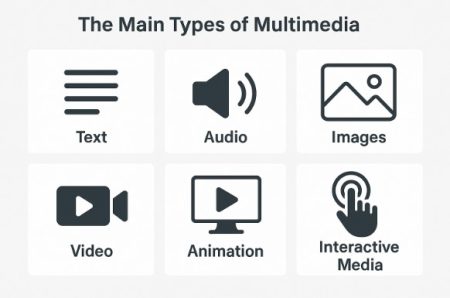
The elements of multimedia refer to the different types of media that are combined to create an engaging, interactive, and informative experience. These elements work together to deliver content in a more dynamic and immersive way, making it easier for users to understand, learn, and retain information. The core elements of multimedia include:
- Text: Text is one of the fundamental elements of multimedia. It is used to convey information, provide context, and deliver messages. In multimedia, text is often presented alongside other elements such as images, videos, or audio to enhance the overall content. Text may appear as headings, captions, descriptions, or body content, and it provides structure to the multimedia presentation.
- Audio: Audio refers to sound elements such as speech, music, sound effects, or any other audio-related content. Audio enhances the multimedia experience by adding an auditory layer that can reinforce the message, set a tone, or provide explanations. For example, podcasts, voice narrations, soundtracks, and ambient sounds in videos are all forms of audio used in multimedia. Audio can also be used to provide accessibility for users with visual impairments.
- Video: Video is a powerful multimedia element that combines moving images with audio to present information in a dynamic way. Videos are often used to demonstrate concepts, tell stories, or provide in-depth explanations on various subjects. For instance, instructional videos, advertisements, and documentaries all make use of video to engage the viewer visually and audibly. Videos can include animations, live-action footage, or both.
- Images: Images play a significant role in multimedia by providing visual representation and enhancing the overall presentation of information. These may include photographs, illustrations, charts, graphs, or infographics. Visual content is often used to explain concepts, showcase products, or highlight important points. The inclusion of images can make content more engaging and easier to understand.
- Animation: Animation involves the creation of moving images or visual effects through a sequence of images or frames. It can be used in multimedia to explain complex concepts, add visual interest, or create entertainment. Animations can range from simple 2D cartoons to sophisticated 3D visualizations used in fields such as architecture, engineering, and medicine.
- Interactivity: Interactivity refers to the ability of the user to engage with the multimedia content. Interactive elements might include clickable buttons, quizzes, simulations, games, and other forms of user-controlled navigation. This element is crucial for making the content more personalized and engaging, as it allows the user to actively participate in the learning or viewing experience. Educational games, interactive websites, and e-learning modules are examples of interactive multimedia.
- Graphics: Graphics refer to visual elements that are created through design and manipulation of images, including illustrations, icons, charts, and graphs. Graphics can simplify complex information, such as data visualizations, or add stylistic elements to enhance the aesthetic appeal of a presentation. They are essential for delivering visual information clearly and efficiently.
- Virtual Reality (VR) and Augmented Reality (AR): Virtual reality (VR) and augmented reality (AR) are immersive technologies that use multimedia elements to create or enhance a user’s perception of reality. VR provides a fully immersive experience by creating a simulated environment, while AR overlays digital elements onto the real world. Both technologies rely on a combination of video, audio, and interactive features to create engaging experiences.
- Effects: Effects are used to enhance multimedia content and can be applied to audio, video, or graphics. These can include transitions, animations, filters, sound effects, and special effects that alter the way content is perceived. Effects can create a sense of movement, mood, or emphasize certain aspects of the content to make it more impactful.
The integration of these elements-text, audio, video, images, animation, interactivity, graphics, VR/AR, and effects—creates multimedia content that is engaging, dynamic, and capable of delivering complex messages in an accessible way. These elements work together to enhance the user experience, making information more engaging, easier to understand, and memorable.
Applications of Multimedia In the Library
The rapid evolution of technology has transformed libraries from traditional knowledge repositories into dynamic, interactive, and multifaceted learning environments. Multimedia, which refers to the use of various forms of media such as text, audio, video, and interactive elements, is increasingly becoming an essential tool in libraries. The integration of multimedia technologies into library services enriches the user experience, enhances learning, and provides diverse access to information. Let’s explore the various applications of multimedia in libraries and how they contribute to enhancing library functions and services, with examples of successful implementations.
- Digital Resource Access: One of the most prominent applications of multimedia in libraries is the provision of digital resources. Libraries now offer access to e-books, audiobooks, digital journals, streaming videos, podcasts, and interactive learning modules. These resources cater to a wide range of user preferences and learning styles. Audiobooks and podcasts, for example, serve auditory learners, while streaming videos and interactive multimedia materials are particularly beneficial for visual and kinesthetic learners. Moreover, digital resources provide convenient, remote access, allowing users to engage with library content at their own pace, from anywhere in the world.
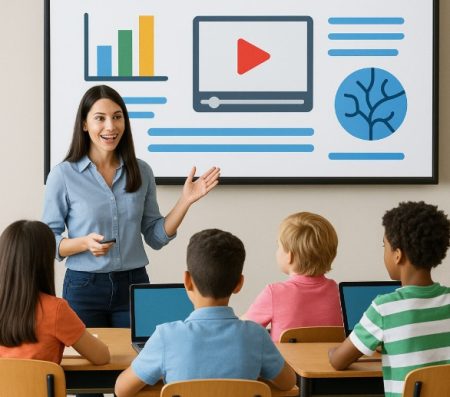
Example: The New York Public Library (NYPL) provides access to a range of digital materials, including e-books, audiobooks, and videos. Their “Simply E” app allows users to access and borrow e-books and audiobooks easily, expanding access to library materials without needing to visit in person. - Interactive Learning Spaces: Libraries have adapted their physical spaces to incorporate multimedia tools, creating interactive learning environments that foster collaboration and engagement. Interactive whiteboards, touchscreens, and digital projectors are commonly used in these spaces. These tools allow users to participate in activities such as group discussions, workshops, and interactive tutorials. For instance, students may collaborate on research projects using multimedia presentations, and groups can share and analyze multimedia content, enhancing their learning experience. This shift to a more dynamic library setting encourages active participation, helping users to better absorb and retain information.
- Virtual and Augmented Reality (VR/AR); Virtual and augmented reality (VR/AR) have emerged as powerful multimedia tools in libraries, offering users immersive learning experiences. With VR, libraries can take users on virtual tours of historical landmarks, offer 3D simulations of scientific phenomena, or provide interactive learning modules for specialized subjects. AR can overlay digital content in the real world, allowing students to interact with virtual models while in the library. For example, a library might use AR to display detailed, interactive maps of historical events or use VR to bring a distant scientific concept to life in the form of a virtual lab. These multimedia applications make abstract concepts more tangible and engaging for students, transforming the way they interact with learning materials.
Example: The University of Illinois Library has implemented a VR lab that allows students to engage with immersive simulations. One such project includes virtual reality experiences related to art history, where users can explore famous artworks and ancient sites in 3D. - Online Training and Tutorials: Libraries are also leveraging multimedia to provide online tutorials, webinars, and instructional videos. These resources teach users how to navigate library systems, use research databases, and cite sources properly. For example, a video tutorial might guide students through the process of using an academic database like JSTOR or show them how to access electronic journals and download research materials. Offering multimedia tutorials not only supports self-directed learning but also ensures that users can access library services and resources independently, at any time, from anywhere.
Example: The University of Melbourne Library offers a series of video tutorials and webinars covering topics such as database searching, academic writing, and referencing. These resources are designed to help students learn at their own pace and are available online for easy access. - Multimedia Exhibits and Displays: Another exciting use of multimedia in libraries is in the creation of digital exhibits and displays. Libraries are increasingly incorporating digital signage, interactive kiosks, and multimedia screens into their exhibition spaces. These tools help libraries showcase collections, promote cultural awareness, and engage visitors with historical or artistic content. For instance, a library may create a digital exhibit featuring multimedia elements like videos, audio recordings, and interactive timelines to highlight a specific historical period or cultural event. This form of exhibit encourages deeper engagement with library materials, making the learning experience more interactive and stimulating.
Example: The National Library of Australia regularly organizes digital exhibitions such as “The Excellencies of Musick: Highlights from the Jamie and Michael Kassler Collection.” These exhibitions feature multimedia elements, including audio, video, and 3D models, to bring historical records to life and encourage a deeper understanding of Australian history. - Social Media and Outreach: Libraries have embraced social media platforms as a means to extend their reach and interact with users. Using multimedia, libraries promote their events, services, and collections through videos, infographics, and podcasts. These platforms offer libraries a way to communicate with a wider audience, particularly younger generations who are accustomed to digital and visual content. For instance, libraries may create short videos or posts highlighting new arrivals, upcoming workshops, or digital resource tutorials. Such multimedia outreach helps libraries stay relevant in an increasingly digital world while fostering a strong connection with the community.
- Assistive Technologies for Accessibility: Multimedia also plays a critical role in making library resources more accessible to users with disabilities. Libraries implement a range of assistive technologies, such as screen readers, text-to-speech software, and captioned videos, to ensure that individuals with visual, auditory, or cognitive impairments can access library content. For example, a visually impaired user might listen to an audiobook or use a screen reader to navigate a digital catalog. These technologies help libraries become more inclusive and ensure that all users, regardless of their abilities, can benefit from library services and resources.
Example: The Library of Congress provides accessible digital content, including Braille and audio versions of books, for patrons with visual impairments. It also offers tools like the “BARD” (Braille and Audio Reading Download) service to ensure wider access to library materials. - Digital Storytelling and Creative Workshops: Many libraries have integrated digital storytelling into their programming, providing workshops where participants can create multimedia narratives. These stories often combine images, voice recordings, videos, and music to create rich, multimedia experiences. Libraries may host these workshops to encourage creativity, foster digital literacy, and preserve cultural narratives. Digital storytelling also allows users to document personal histories or local stories in a dynamic format. These sessions provide an opportunity for self-expression and can lead to the creation of valuable community resources.
- Multimedia Catalogs and Search Interfaces: The traditional library catalog has evolved with the integration of multimedia elements, making it easier for users to find and interact with materials. Multimedia catalogs often feature images, video previews, and interactive search filters to enhance the user experience. These catalogs provide a richer and more intuitive way for users to explore library collections. For example, a user might be able to view a short video clip or preview an audiobook before deciding to borrow it. Such multimedia-rich catalogs streamline the process of discovering resources, improving the overall efficiency of the library’s search and retrieval systems.
- Digital Preservation; Multimedia technologies also play an important role in the preservation of rare and fragile materials. Many libraries use digital methods to preserve photographs, manuscripts, films, and recordings, ensuring that these resources are available for future generations while protecting the originals from physical deterioration. For instance, libraries may digitize old audio recordings or historical documents, creating multimedia archives that are accessible to researchers and the general public. This process not only preserves the cultural heritage contained in these materials but also makes them more accessible to a global audience.
The integration of multimedia in libraries has significantly enhanced the way libraries operate, engage with users, and provide access to information. By embracing digital resources, interactive tools, and immersive experiences, libraries have become more dynamic and inclusive spaces. From virtual reality and multimedia exhibits to online tutorials and accessible technologies, multimedia applications are transforming libraries into vibrant learning hubs that cater to the diverse needs of their communities. As technology continues to advance, the role of multimedia in libraries will only expand, further shaping the future of education and information sharing.
Managing the Integration of Multimedia Resources with Traditional Print Materials in Libraries
Libraries have long been associated with traditional print materials such as books, journals, and reference resources. However, with the rapid growth of digital technologies, libraries are now increasingly integrating multimedia resources, such as e-books, audiobooks, videos, and interactive tools, into their collections and services. This integration presents both challenges and opportunities for libraries as they strive to create a balanced and cohesive resource environment. Effectively managing the integration of multimedia resources with traditional print materials requires careful planning, innovative strategies, and a commitment to providing diverse learning experiences that meet the needs of all users.
- Building a Diverse Collection: One of the first steps libraries take when integrating multimedia resources with print materials is developing a collection that reflects the diverse needs and preferences of their users. While print resources have long been the backbone of library collections, multimedia resources offer new ways to engage users, particularly those who prefer digital formats or require alternative access to information. Libraries typically offer a mix of print and digital materials, ensuring that users can access a variety of content formats based on their learning preferences and needs.
Libraries often incorporate e-books, audiobooks, and streaming media alongside traditional print books. In some cases, libraries develop separate sections within their collections for multimedia resources, while in other cases, they blend print and digital materials within the same subject areas. For example, a library might offer an academic textbook in print format, along with supplementary online resources such as video lectures, interactive quizzes, and podcasts that support the textbook’s content. By carefully selecting materials, libraries can ensure that users have access to resources that cater to different learning styles and preferences. - Balancing Physical and Digital Spaces: The integration of multimedia resources into library collections also requires thoughtful planning regarding physical and digital spaces. Traditionally, libraries have been designed as quiet, print-centered spaces that encourage reading, research, and study. With the addition of multimedia resources, libraries are evolving to include spaces designed to accommodate both print and digital content. Many modern libraries are incorporating technology-rich areas, such as multimedia rooms, digital labs, and collaborative spaces, where users can engage with interactive learning tools, videos, and audio materials.
At the same time, libraries must maintain dedicated spaces for traditional print materials. While multimedia resources are an essential part of library collections, print books and journals remain invaluable for research, study, and reference purposes. Libraries often designate separate zones for print materials, ensuring that these resources remain easily accessible while also creating areas for multimedia learning. For example, a library might have a quiet reading room for print materials, alongside a multimedia lab with computers, projectors, and headphones for interactive learning. - Cataloguing and Access: To effectively manage the integration of multimedia resources, libraries must adapt their cataloguing systems. Traditional library catalogues have been optimized for print materials, using classification systems like the Dewey Decimal Classification (DDC) or the Library of Congress Classification (LCC) to organize books and journals. However, multimedia resources, such as videos, e-books, audiobooks, and interactive tools, require different types of metadata to facilitate search and discovery.
Modern library catalogs are increasingly incorporating multimedia-specific metadata, such as video length, format, and access type. Libraries often use integrated library systems (ILS) or digital asset management systems (DAMS) to catalogue multimedia content, ensuring that it can be easily searched and accessed alongside traditional print materials. Additionally, many libraries are adopting discovery tools and platforms that provide users with a unified search experience, allowing them to find both print and digital resources from a single interface.
For example, the Harvard University Library has developed a robust catalogue system that integrates both print and multimedia resources. The catalog provides detailed metadata for each item, allowing users to filter results based on material type, such as print books, e-books, or multimedia files, ensuring a seamless search experience. - Staff Training and Support: As libraries expand their multimedia offerings, staff training and support become crucial in managing the integration of digital and print materials. Library staff must be equipped with the knowledge and skills to assist users in navigating multimedia resources, troubleshooting technology, and helping with digital literacy. This includes understanding how to operate multimedia tools, assisting with access to online resources, and providing guidance on using software and equipment for digital content creation.
Libraries invest in regular professional development and training for staff to keep them up to date with the latest multimedia technologies. For example, librarians may be trained to help users navigate e-books and digital journals, provide support for multimedia-based research tools, or guide users through creating digital stories or video projects in multimedia labs. By ensuring that staff are knowledgeable and well-prepared, libraries can provide more effective services to users and enhance the integration of multimedia into daily library operations. - User Engagement and Access: Libraries must ensure that their multimedia resources are accessible to all users, including those with disabilities. The integration of multimedia resources alongside traditional print materials provides opportunities to create more inclusive and diverse learning environments. Libraries often implement assistive technologies, such as screen readers, audio description tools, and captioned videos, to ensure that multimedia resources are accessible to individuals with visual, auditory, or cognitive impairments.
Moreover, libraries actively promote multimedia resources through various channels, including websites, newsletters, and social media. This outreach helps raise awareness about the availability of digital materials and encourages users to explore new types of resources. For instance, libraries might highlight new e-book collections or offer workshops on using multimedia tools for research. Engaging users through multimedia content also helps libraries stay relevant in an increasingly digital world and ensures that patrons are aware of the resources available to them. - Sustainability and Future Planning: The integration of multimedia resources with traditional print materials also requires long-term planning and sustainability efforts. Libraries must consider factors such as technology upgrades, digital storage, and data management to ensure that multimedia content remains accessible and usable over time. With the rapid pace of technological change, libraries face challenges in ensuring the continued accessibility of digital resources as software, platforms, and formats evolve.
To address these challenges, libraries often collaborate with vendors, other institutions, and technology experts to establish best practices for digital preservation, ensuring that multimedia resources are properly maintained and stored for future use. Additionally, libraries are increasingly exploring cloud storage solutions to manage and back up multimedia content, allowing for greater scalability and easier access.
The integration of multimedia resources with traditional print materials is a complex but essential task for modern libraries. By thoughtfully developing diverse collections, balancing physical and digital spaces, adapting cataloging systems, providing staff training, ensuring accessibility, and planning for long-term sustainability, libraries can successfully manage this integration and offer a cohesive, dynamic learning environment. As libraries continue to embrace digital technologies and multimedia, they will remain relevant, flexible, and capable of meeting the evolving needs of users in the digital age.
How Can Libraries Leverage Multimedia Resources to Enhance Learning and Research Experiences?
How Can Libraries Leverage Multimedia Resources to Enhance Learning and Research Experiences?
Libraries have always been regarded as essential hubs of knowledge, traditionally filled with print materials such as books, journals, and reference resources. However, in the digital age, libraries are evolving to integrate multimedia resources like e-books, videos, audiobooks, podcasts, and interactive tools into their services. These multimedia tools offer new ways to engage with and explore content, providing students, faculty, and researchers with enriched learning and research experiences. By leveraging these resources, libraries can create more interactive, immersive, and personalized educational environments. The integration of multimedia into library services enhances learning by creating interactive spaces where students and researchers can actively participate and collaborate. Libraries have increasingly developed multimedia labs equipped with tools like digital whiteboards, touchscreens, and video projectors, allowing students to work on multimedia projects, create digital stories, or even record podcasts. These interactive spaces, such as the San Francisco Public Library’s Comprehensive learning resources, foster creativity and teamwork, providing a hands-on, engaging environment for learning. The multimedia labs encourage project-based learning, where students develop critical thinking, creativity, and problem-solving skills.
Furthermore, multimedia resources help cater to a variety of learning styles by offering alternatives to traditional print materials. Audiobooks and podcasts serve auditory learners, while videos, animations, and interactive content are ideal for visual and kinesthetic learners. Libraries provide diverse content in various formats, enabling users to access materials in ways that best suit their needs. This is particularly beneficial for users with specific learning needs, such as students with dyslexia or visual impairments, as multimedia content often offers alternative access to information. Some libraries offer a wide range of multimedia resources, including digital archives, video lectures, and audio recordings, supporting researchers in a more accessible and engaging format. By offering curated multimedia collections, libraries enhance research by complementing traditional print materials with videos, interactive modules, and podcasts, providing a more holistic understanding of the subject matter.
In addition, libraries leverage multimedia resources to support research by providing access to digital archives, multimedia databases, and online repositories. These resources include images, video footage, scientific data, and audio recordings that complement traditional research materials. For example, libraries offer access to primary source materials such as interviews, historical footage, and rare photographs, providing researchers with invaluable content that enriches their studies. The Library of Congress is a leading example of a library offering vast multimedia collections, including oral histories, video footage, and rare photographs, which researchers can use to explore subjects from multiple perspectives. Such resources allow researchers to interact with materials in dynamic ways, enhancing the depth and breadth of their studies. Moreover, multimedia tools in libraries facilitate collaboration among students, faculty, and researchers. Digital platforms, such as shared document editing, video conferencing, and cloud-based storage, enable users to collaborate on projects in real-time, regardless of their physical location. Libraries can provide tools for students to work together on group projects and create multimedia presentations, fostering a more collaborative learning environment. For example, libraries can host multimedia workshops or collaborative events such as digital storytelling sessions or film screenings, where participants share knowledge and insights. These events encourage cross-disciplinary collaboration, enabling users to explore new media formats that enhance both their learning and research.
Digital literacy is another crucial aspect of how libraries leverage multimedia resources. As multimedia becomes a central component of education and research, libraries play an important role in promoting digital literacy. Libraries provide access to multimedia tools and offer training to help users develop digital skills. For example, workshops on video editing, podcast production, and data visualization teach students how to use multimedia content in their research and presentations. These workshops help students develop valuable skills that are essential in both academic settings and the modern workforce. In addition, libraries can provide programs that teach users how to evaluate multimedia content critically, ensuring that they can assess the credibility of sources in an increasingly digital world.
Libraries also offer specialized multimedia resources that enhance research in fields that require interactive learning experiences. For instance, in fields like engineering, medicine, and the sciences, libraries provide access to 3D simulations, virtual labs, and medical imaging tools that allow students and researchers to interact with complex concepts. These resources provide hands-on, practical experiences that deepen understanding in ways traditional textbooks cannot. For example, engineering students can work with 3D models of mechanical designs, while medical students can explore interactive anatomical diagrams or virtual dissections. These specialized multimedia resources enrich the research experience and help users grasp difficult concepts in a more immersive and engaging manner.
In conclusion, libraries are at the forefront of leveraging multimedia resources to enhance learning and research experiences. By creating interactive environments, offering diverse digital resources, supporting research with multimedia archives, fostering collaboration, promoting digital literacy, and providing specialized content, libraries enable students, researchers, and faculty to engage with information in new and innovative ways. As multimedia tools continue to evolve, libraries will remain integral to the academic experience, ensuring that users have the resources they need to succeed in an increasingly digital world. Through their continued embrace of multimedia, libraries not only enhance the research process but also enrich the learning environment, providing a more inclusive, engaging, and dynamic space for education.
Copyright and Licensing Considerations When Providing Access to Multimedia Resources in Libraries
When libraries provide access to multimedia resources, they must carefully navigate the complex landscape of copyright and licensing to ensure legal compliance and to protect both creators’ intellectual property rights and the library’s ability to share content with users. Copyright law grants creators exclusive rights to their original works, including the right to reproduce, distribute, and display those works. Libraries, as providers of multimedia resources, must respect these rights while balancing the educational and research needs of their users. One of the first considerations libraries must address is obtaining proper licenses for the multimedia resources they provide. Licensing agreements specify how a particular resource can be used, whether it can be shared, copied, or downloaded, and whether it can be accessed remotely or only on-site. Libraries typically secure licenses for digital materials like e-books, streaming videos, and music, ensuring that they comply with usage restrictions outlined by content providers.
Another key consideration is fair use, which allows libraries to use copyrighted material under specific circumstances, such as for educational purposes or research. However, fair use is often subject to limitations and requires careful analysis of factors such as the purpose of the use, the nature of the copyrighted work, the amount used, and the potential market impact. While fair use can provide some flexibility for libraries, it does not extend to all types of use, and libraries must remain vigilant in determining whether the use of multimedia content qualifies for this exception. Additionally, libraries need to be mindful of the Digital Millennium Copyright Act (DMCA), which regulates the distribution of digital content, particularly in the context of online streaming, e-books, and other multimedia resources. The DMCA imposes restrictions on circumventing digital rights management (DRM) protections, and libraries must ensure that they do not violate these protections when providing access to multimedia content.
To mitigate risks, libraries often work with content providers to secure appropriate licenses, either through institutional agreements or by subscribing to services that offer curated collections of multimedia resources. Many academic libraries also use licensing models such as site licenses or consortia agreements, which allow for wider distribution of content across campuses or multiple institutions. Furthermore, libraries must educate their users about copyright laws and the proper use of multimedia resources, particularly when it comes to making copies, redistributing, or creating derivative works. By providing guidance on copyright and fair use, libraries can help prevent accidental infringements and encourage responsible use of multimedia content. Ultimately, libraries play an important role in ensuring that multimedia resources are accessible to users while adhering to legal frameworks that protect the rights of creators and content providers.
How Libraries Can Use Multimedia Resources to Support Research Data Management and Digital Scholarship
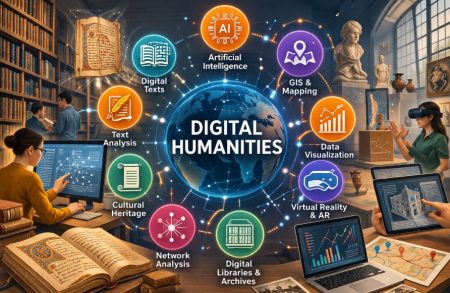
Libraries have increasingly embraced the role of supporting research data management (RDM) and digital scholarship by integrating multimedia resources into their services. Research data management involves the organization, storage, sharing, and preservation of data generated during research projects, and libraries are uniquely positioned to assist researchers in navigating these processes. Multimedia resources—such as interactive visualizations, videos, digital archives, and 3D models—serve as essential tools in this context, enriching data management practices and facilitating digital scholarship. Libraries can provide researchers with access to multimedia tools and platforms that enhance data collection, analysis, and presentation. For example, researchers in fields such as the humanities, social sciences, or natural sciences can use multimedia tools like Geographic Information Systems (GIS), 3D modeling software, and data visualization programs to represent complex datasets in ways that are more engaging and accessible than traditional spreadsheets or written reports. Libraries can offer access to these tools, along with workshops and training sessions to help researchers effectively utilize them.
In terms of research data management, libraries can also facilitate the organization and storage of multimedia data, ensuring that digital files—such as images, videos, audio recordings, and datasets—are stored in formats that are suitable for long-term preservation. Libraries are increasingly offering digital repositories that allow researchers to upload and share multimedia files in a secure and organized manner. These repositories support the long-term accessibility and preservation of multimedia data, allowing researchers to revisit, reuse, and share their data in the future. Libraries also play a key role in ensuring the metadata associated with multimedia resources is properly managed. Metadata helps users find and contextualize multimedia data by providing descriptions, keywords, and usage rights information. Libraries can assist researchers in creating detailed metadata records for their multimedia datasets, ensuring that these resources are discoverable and can be properly cited in academic work.
Moreover, libraries are integral to the growing field of digital scholarship, which involves the use of digital technologies to conduct research and create scholarly outputs. Multimedia resources, such as digitized archival materials, online video lectures, and interactive tools, enable scholars to engage with primary sources and create new forms of scholarship that were previously unavailable. Libraries can provide access to digitized special collections, facilitating research on topics such as history, art, and literature, while also offering the infrastructure needed for scholars to create and share digital projects. In this context, multimedia resources also support the development of interactive scholarly works, such as online exhibits, digital publications, and multimedia-enhanced books, which are increasingly becoming part of the academic landscape.
In addition, libraries can help researchers with the ethical considerations surrounding the use and sharing of multimedia data, ensuring that copyright, privacy, and licensing regulations are adhered to when dealing with digital content. Libraries may also offer guidance on open-access principles, enabling researchers to make their multimedia work publicly available while ensuring proper attribution. By incorporating multimedia resources into research data management and digital scholarship, libraries enhance the research process, foster collaboration, and contribute to the creation of new knowledge. These resources not only facilitate data analysis and presentation but also promote the preservation and sharing of digital content, ensuring that scholarly work is accessible and sustainable for future generations.
Reference Article:
- Bakhshi, S. I. (2013). Organization and use of multimedia resources in Indira Gandhi national centre for arts and Desidoc, Delhi: a comparative study. Retrieved from: http://hdl.handle.net/10603/12961
2 Comments
http://www.kazemi1427@gmail.com
This information is educating.
Thanks for publishing