
The digitization of library resources refers to the process of converting physical materials, such as books, manuscripts, journals, photographs, and audio-visual content, into digital formats. This transformation is essential in ensuring that valuable resources are preserved for future generations, while also making them more accessible to a broader audience. For example, the Library of Congress in the United States has digitized its vast collections of historical documents, making them available online for global access. Digitization allows libraries to provide 24/7 access to their collections, offering users the ability to engage with resources remotely. Institutions such as Google Books and Project Gutenberg have digitized millions of books, enabling worldwide access to previously hard-to-reach texts. It also plays a crucial role in preserving fragile and rare materials that are at risk of deterioration due to aging or environmental factors. For instance, ancient manuscripts and rare books from libraries such as the British Library are digitized to prevent further physical degradation.
However, the process is not without its challenges. Libraries face significant technical, financial, and ethical hurdles, including the need for specialized equipment, the management of large volumes of data, and addressing copyright concerns. The Internet Archive, while digitizing a vast array of content, has faced legal challenges regarding copyright issues as it makes texts available for free access. Additionally, ensuring that digitized content is organized effectively through accurate metadata is critical to facilitating efficient search and retrieval. For instance, Europeana, a digital platform that aggregates cultural heritage materials from European libraries, ensures that metadata is standardized for easy access and searchability across different countries and collections.
Despite these complexities, digitization has the potential to transform how libraries serve their communities, enhancing research, education, and cultural heritage preservation. By making resources more widely available and preserving them for the future, digitization plays a key role in expanding the impact and reach of libraries.
What is the Meaning of Digitization?
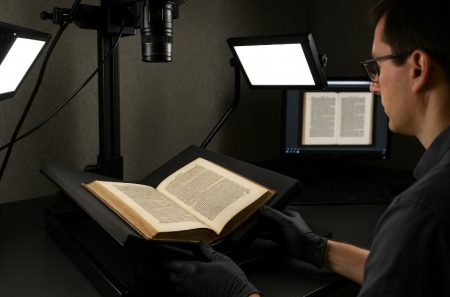
Digitization refers to the process of converting information or physical objects into a digital format. This involves transforming analog data, such as text, images, sound, or physical objects, into binary code, which can then be stored, processed, and transmitted electronically. In essence, digitization enables the transformation of the tangible into something that can be manipulated by computers and accessed through digital technologies. For example, in the context of libraries, digitization may involve scanning printed books or manuscripts and converting them into digital files (such as PDFs or eBooks) that can be easily stored, searched, and shared. In other fields, it might involve converting physical records or even artwork into digital files to preserve them or make them more accessible.
The importance of digitization spans various industries, as it enhances efficiency, accessibility, and preservation. In the business sector, for example, digitizing paper-based processes allows companies to manage information more effectively and reduce the risk of loss or damage. In healthcare, digitizing patient records ensures better organization, quicker access to information, and improved communication among medical professionals. Beyond practical applications, digitization also facilitates the creation of digital archives, preserving valuable historical records, photographs, and audio-visual materials for future generations. Through digitization, society can not only ensure the longevity of important resources but also provide broader, easier access to information in an increasingly digital world.
The Primary Benefits of Digitizing Library Resources
In the digital age, libraries have increasingly turned to digitization as a means of enhancing their services and preserving valuable resources. Digitizing library resources involves converting physical materials, such as books, journals, manuscripts, maps, and photographs, into digital formats that can be easily accessed, stored, and shared. This process has revolutionized how libraries function, providing a wealth of advantages for users, researchers, and institutions alike. Below, we explore the primary benefits of digitizing library resources.
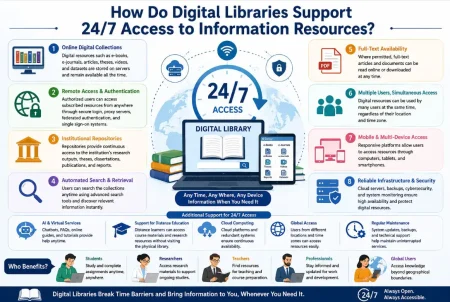
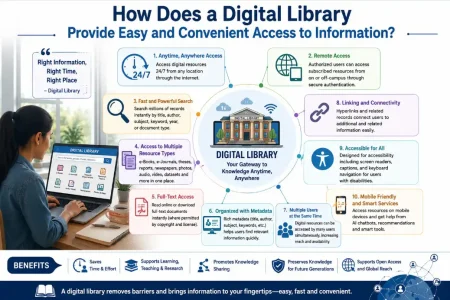
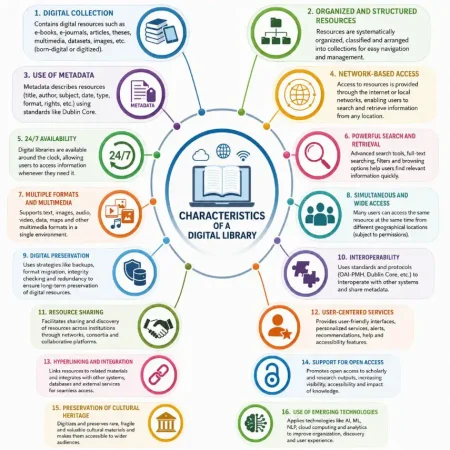
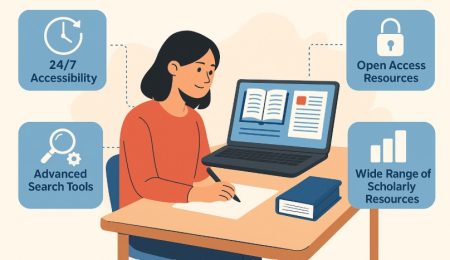
- Enhanced Accessibility and Convenience: One of the most significant benefits of digitizing library resources is the improved accessibility it offers to users. Digital resources can be accessed from anywhere in the world, at any time, provided there is an internet connection. This 24/7 access is especially beneficial for people who may face challenges visiting a physical library due to distance, mobility issues, or time constraints. For instance, students and researchers can access digital versions of textbooks, research papers, and archival documents without the need to visit the library in person. Additionally, digitization enables libraries to offer their collections in multiple formats (e.g., eBooks, PDFs, and audio) to meet diverse user needs.
- Preservation of Fragile and Rare Materials: Many library collections contain rare or fragile materials that are at risk of deterioration over time. Physical books, manuscripts, and other items can degrade due to factors like age, handling, light exposure, and environmental conditions. Digitization allows these materials to be preserved by creating high-quality digital copies that can be accessed without putting the original items at risk. For example, libraries like the British Library have digitized invaluable manuscripts and rare books, ensuring that these treasures are protected for future generations. Digitizing fragile resources helps to prevent the loss of important cultural, historical, and academic materials.
- Improved Searchability and Organization: Another key advantage of digitization is the ability to organize and search resources more efficiently. Physical collections often require users to sift through numerous volumes to find specific information. In contrast, digital resources can be indexed and tagged with metadata, making it much easier for users to search for and locate relevant materials. With digital collections, users can perform keyword searches across entire databases, ensuring quicker and more efficient access to information. For instance, digitized historical archives allow researchers to search for specific terms across years of newspapers or journals, something that would be nearly impossible with physical copies. Libraries like Google Books have also made it possible for users to search millions of books in a fraction of the time it would take using traditional methods
- Cost Savings and Space Efficiency: Digitizing library resources can lead to significant cost savings in the long run. While the initial investment in digitization technology may be high, the cost of maintaining and storing physical copies of books, journals, and other materials can be far more expensive. Digitization reduces the need for physical storage space, which is a major concern for many libraries. By moving materials to digital formats, libraries can save on shelving, climate control, and preservation costs. Additionally, digital libraries can handle far larger collections than physical libraries, making it possible to house an expansive number of materials in a relatively small amount of space. This also allows for greater scalability, as new materials can be added without requiring additional physical infrastructure.
- Global Reach and Collaboration: Digitization enables libraries to share resources with a global audience, breaking down geographical barriers and fostering international collaboration. Libraries around the world can contribute to digital repositories and make their collections accessible to users anywhere. For instance, projects like Europeana have brought together digitized cultural and historical content from libraries across Europe, creating a vast, unified digital archive. Similarly, the Internet Archive hosts millions of digitized books, movies, and audio recordings, which can be accessed by users from different parts of the globe. By sharing resources digitally, libraries increase their visibility and contribute to the global exchange of knowledge.
- Enhanced User Engagement and Learning Opportunities: Digitized resources can also lead to increased engagement and learning opportunities for users. Digital libraries offer interactive features that enhance the learning experience, such as hyperlinks, multimedia content, and annotations. For example, students can access digital textbooks with embedded videos, quizzes, and interactive diagrams, enriching their educational experience. Furthermore, digitized archives of newspapers, journals, and manuscripts provide a treasure trove of primary source materials that can be used for research, encouraging more in-depth analysis and critical thinking. Digitization enables libraries to cater to various learning styles, whether through text, audio, or visual formats.
- Efficient Data Management and Security: Managing large collections of physical materials can be cumbersome, and the risk of damage or loss is always present. Digitizing library resources allows for better data management by storing information in digital systems that can be easily organized, searched, and backed up. Digital storage systems also offer enhanced security measures, such as encryption, which help protect valuable data from unauthorized access or theft. In the event of a disaster, such as a fire or flood, digital copies of resources can be quickly restored, ensuring the continuity of access to important materials. Additionally, libraries can track the use and circulation of digital resources more efficiently, providing valuable insights into usage patterns and user preferences.
The digitization of library resources offers a multitude of benefits that not only enhance access to knowledge but also help preserve valuable materials for future generations. From improving accessibility and searchability to supporting global collaboration and reducing physical storage needs, digitization has transformed the way libraries operate and serve their communities. As technology continues to evolve, the future of digitized library resources promises even greater opportunities for engagement, research, and cultural preservation, solidifying their role as essential tools for education, innovation, and knowledge-sharing worldwide.
Impact of Digitization on Accessibility and Equity in Library Services
Digitization has a profound impact on accessibility and equity in library services, playing a crucial role in breaking down barriers that traditionally limited access to information and resources. By converting physical library materials into digital formats, libraries provide users with 24/7 access to vast collections, regardless of their geographical location, time zone, or physical abilities. For individuals who are unable to visit libraries in person due to distance, health issues, or time constraints, digitized resources ensure that they are not excluded from valuable educational and informational content. For instance, students in rural or underserved areas can now access academic journals, textbooks, and other learning materials online, leveling the playing field between those with physical proximity to libraries and those without.
Digitization fosters equity by making library resources available in various formats, such as eBooks, audio files, and interactive documents, which cater to users with different learning needs, including those with visual or auditory impairments. Many digital platforms offer customizable features like text-to-speech, font adjustments, and screen readers, ensuring that individuals with disabilities can engage with library resources on an equal footing with others. By providing these tools, libraries help ensure that their services are inclusive and accessible to all, regardless of ability.
Digitization also contributes to the democratization of knowledge by enabling libraries to share their resources globally. Through digital collections and repositories, users from all over the world can access rare and important materials that were previously limited to specific regions or institutions. This broadens the reach of knowledge and fosters a more equitable distribution of information, especially in developing countries where access to physical libraries and resources may be limited. Overall, digitization promotes greater accessibility and equity, ensuring that library services are not just confined to a privileged few but are available to anyone with the means to access them.
Types of Library Resources Most Commonly Digitized
The digitization of library resources has become a key strategy in improving access, preserving materials, and meeting the growing demand for digital content. Libraries are increasingly digitizing a wide variety of materials to enhance their services and broaden access to information. The types of resources that are most commonly digitized include books, journals, manuscripts, audio-visual materials, and more. Below is an overview of the key categories of library resources that are typically digitized.
- Books and Texts: Books are among the most common materials to be digitized in libraries. This includes both historical texts and modern works, particularly those that are rare, fragile, or heavily used. By digitizing books, libraries make them available to a much broader audience, extending access far beyond the physical confines of the library’s walls. Digital versions of books can be accessed remotely, providing scholars, students, and the general public with easy access to a wide range of materials. Major initiatives such as Google Books and Project Gutenberg have digitized millions of books, offering free access to literature, scientific texts, and classic works of fiction. The digitization of books not only provides wider access but also ensures that important works, especially those out of print or hard to find, are preserved for future generations.
- Journals and Academic Articles: Academic journals and research articles are another area of focus for digitization in libraries. These materials are crucial for research and academic study, and their digitization makes them more easily accessible to scholars, researchers, and students worldwide. Many academic institutions and publishers have created digital archives of journals and articles, allowing users to search and retrieve specific papers without needing to visit the physical library. Libraries often subscribe to large digital databases such as JSTOR, SpringerLink, and Elsevier, which host vast collections of digitized journals, providing valuable access to research in a wide variety of fields. By digitizing journals, libraries enable more efficient access to scholarly content, supporting academic research and innovation.
- Manuscripts and Rare Collections: Manuscripts, including historical documents, rare books, letters, and personal papers, are often digitized to preserve them and make them more accessible to the public. These materials, which are typically fragile and vulnerable to deterioration, are at risk of being lost or damaged over time. Digitizing rare collections allows libraries to protect them from further degradation while still providing access to researchers, historians, and the public. Institutions like the British Library and the Vatican Library have digitized some of their most valuable manuscripts and ancient texts, enabling global access while safeguarding the physical originals. By digitizing these rare materials, libraries ensure that culturally and historically significant works are preserved for future generations and remain available for academic study.
- Audio-Visual Materials: Audio-visual materials such as photographs, film, video recordings, and sound recordings are frequently digitized to preserve them and enhance access. Many of these resources are stored in older formats—such as VHS tapes, audio cassettes, and film reels—that deteriorate over time and become difficult to access or play. Digitizing these materials ensures they are preserved in modern digital formats, making them more accessible to a wider audience. Cultural institutions, including the National Archives and various university libraries, often prioritize the digitization of historical audio-visual content to protect valuable cultural and historical records. By converting these materials into digital formats, libraries not only protect them from further damage but also make them accessible for educational, research, and public use.
- Maps and Cartographic Materials: Historical maps and cartographic materials are valuable resources for research in geography, history, and urban development. These materials are often fragile and difficult to store, making digitization a key method for preservation. Digitizing maps allows for easier access to geographic information, and it enables users to explore changes in geography over time, such as shifting political boundaries or evolving landscapes. Libraries like the Library of Congress and the National Archives digitize vast collections of maps, making them available online to researchers, historians, and educators. The digitization of maps also allows for easier sharing of geographical data across institutions and regions, fostering collaboration and supporting educational initiatives.
- Theses and Dissertations: Theses and dissertations are another type of library resource commonly digitized. These academic works are often the culmination of graduate-level research and are valuable sources of original research in various academic fields. Many universities have digitized their thesis and dissertation collections and made them available through online repositories. For example, ProQuest and EThOS provide access to digitized theses and dissertations from academic institutions worldwide. Digitizing these works increases their visibility, allowing other researchers to easily access and build upon the findings presented in these studies. It also allows universities to showcase the scholarly output of their students to a global audience.
- Archival Records and Special Collections: Archives and special collections, including government documents, organizational records, and personal papers, are frequently digitized to preserve them and facilitate access. These records often hold significant historical, legal, or cultural value, and digitization ensures that they are protected from physical deterioration while remaining accessible to researchers. Many national and international archives, such as the U.S. National Archives and Europeana, have made substantial efforts to digitize important archival records, making them available to a global audience. Digitization also enables libraries to share records with other institutions, increasing collaboration and access to unique and valuable collections.
The digitization of library resources has a transformative effect on how materials are accessed, preserved, and shared. Books, journals, manuscripts, audio-visual materials, maps, and theses are among the most commonly digitized items in libraries. By converting physical resources into digital formats, libraries ensure that valuable information is accessible to a wider audience while protecting it for future generations. Digitization enhances access to knowledge, supports research, and promotes collaboration, making it an essential component of modern library services.
The Role of Digitization in Preserving Rare and Fragile Materials
The digitization of rare and fragile materials plays a crucial role in preservation efforts by safeguarding valuable resources from the deterioration that comes with time, environmental conditions, and frequent handling. Many library materials, such as ancient manuscripts, rare books, historical documents, and photographs, are inherently fragile and vulnerable to damage. Factors like humidity, light exposure, physical wear, and natural aging processes can significantly degrade these materials, making them at risk of being permanently lost. By converting these materials into digital formats, libraries and archives can create high-quality, accessible copies that allow the original items to be preserved in their physical form while still being available for use and study.
Digitization helps mitigate the risks associated with handling fragile materials. In the past, researchers and scholars had to physically handle delicate items, which increased the likelihood of wear and tear. Digital copies, on the other hand, can be accessed remotely, thus reducing the need for direct interaction with the originals. This not only preserves the materials from further damage but also ensures that they remain accessible to researchers, historians, and the public. Additionally, digitized versions of rare materials can be stored in multiple locations, providing a backup in case the originals are damaged or destroyed in a disaster, such as a fire or flood.
Digitization contributes to the long-term preservation of cultural heritage by enabling libraries and institutions to create digital archives that can be maintained and updated over time. Digital formats can be stored in secure, climate-controlled environments, where they are less susceptible to the deteriorating effects of physical storage. Through regular data migration and technological updates, digital copies can be preserved for future generations, ensuring that rare and fragile materials remain accessible, even if the physical items become too damaged to handle or display. In this way, digitization serves as a critical tool for protecting the integrity of cultural, historical, and academic resources while ensuring their continued availability to a global audience.
Challenges Libraries Face in the Digitization of Their Collections
Digitization has become an essential strategy for libraries to preserve valuable resources and enhance accessibility. However, the process of converting physical collections into digital formats is not without its challenges. From technical hurdles to financial constraints, libraries must navigate various obstacles to ensure successful digitization efforts. Here are some of the key challenges libraries face when digitizing their collections.
- High Costs of Digitization: One of the most significant challenges libraries face is the cost associated with digitizing their collections. The process requires substantial financial investment in specialized equipment, technology, and personnel. High-quality scanners, servers, and storage solutions are needed to handle large volumes of materials, especially when dealing with fragile or rare documents that require careful handling. Additionally, hiring or training skilled staff to manage the digitization process, including cataloging and metadata creation, adds to the overall cost.
For libraries with limited budgets, the expense of digitization can be a major barrier, especially when it comes to large-scale projects that involve thousands of materials. Although digitization offers long-term benefits, such as increased accessibility and preservation, the initial financial outlay can be prohibitive, particularly for smaller libraries or those without dedicated funding streams for such projects. - Technological Constraints: The technical challenges of digitizing library resources are another significant concern. Not all materials are suited for easy conversion into digital formats, and the technology required for digitization must be adaptable to a wide range of resource types. Libraries must choose appropriate scanners, software, and storage systems to handle diverse materials, from books and manuscripts to photographs, audio recordings, and video materials. Some older or more fragile materials may require specialized scanning techniques to avoid further damage.
Additionally, libraries face the challenge of maintaining up-to-date technology. As technology evolves, libraries must continually invest in new equipment and ensure that digitized content remains compatible with modern digital platforms. The rapid pace of technological change means that libraries must remain vigilant about data formats, storage methods, and software updates to avoid obsolescence. - Copyright and Legal Issues: Copyright and intellectual property rights present significant hurdles in the digitization of library collections. Many materials, especially books, journals, and multimedia, are protected by copyright laws, making it difficult for libraries to freely digitize and distribute these works. Libraries must navigate complex copyright laws and ensure that they have the proper permissions to digitize materials, particularly if they intend to make them publicly accessible online.
Even when materials are in the public domain, some works may still be subject to restrictions due to specific copyright conditions or licenses. Furthermore, digitizing copyrighted content without proper authorization could result in legal action, putting libraries at risk of facing fines or other penalties. Libraries must, therefore, be diligent in obtaining the necessary permissions or licenses to digitize and distribute copyrighted materials, which can be time-consuming and expensive. - Preservation and Data Storage: While digitization offers a way to preserve materials, it also introduces new challenges related to digital preservation. Digital files, unlike physical materials, require ongoing maintenance and updates to ensure their long-term accessibility. Digital content can become corrupted, degraded, or obsolete due to the rapid pace of technological advancements. As formats change and software becomes outdated, libraries must continually migrate digital resources to newer formats to ensure they remain accessible.
Moreover, data storage presents another challenge. As libraries digitize more materials, the volume of digital files grows exponentially. Libraries need to invest in secure and reliable storage systems to house these growing digital collections. This often requires the implementation of cloud storage solutions or the development of in-house servers capable of handling large volumes of data. The cost and infrastructure needed to support these storage systems can be considerable. - Metadata Creation and Cataloguing: Effective metadata creation is essential for ensuring that digitized materials are easily discoverable and accessible. Metadata is the information that describes digital resources, such as author, title, date, and format, and enables users to search and retrieve materials efficiently. However, creating accurate and comprehensive metadata can be a labor-intensive process. For libraries with large collections, this can be an overwhelming task that requires significant time and expertise.
In addition, libraries must adhere to metadata standards to ensure that their digital resources are compatible with external databases, archives, and systems. This standardization process can be challenging, particularly for libraries that do not have dedicated staff or resources to manage metadata creation. Poorly cataloged or incomplete metadata can severely limit the usability and discoverability of digitized collections. - Staffing and Expertise: Digitization is a specialized task that requires a range of skills, from technical expertise in scanning and software management to knowledge of metadata standards and preservation techniques. Many libraries face challenges in recruiting and training staff with the necessary expertise to carry out digitization projects effectively. The lack of skilled personnel can result in delays, errors, and inefficiencies in the digitization process.
Libraries also need ongoing training to keep staff up to date with evolving technologies and best practices in digitization and digital preservation. Staff shortages, coupled with the demands of other library functions, can lead to limited capacity for undertaking large-scale digitization projects. - Ensuring Access and Equity: While digitization increases accessibility by providing remote access to resources, it can also raise issues of digital equity. Not all users have access to the technology or internet connectivity needed to access digitized resources. In particular, individuals in rural areas, low-income communities, or developing regions may face barriers to accessing digital content. Libraries must ensure that their digitized resources are accessible to a broad range of users, including those who may not have reliable internet access or modern digital devices.
Moreover, libraries must be mindful of how they provide access to digitized collections. Some materials may need to be restricted or available only to certain groups (e.g., for research purposes or due to copyright restrictions), which can complicate efforts to ensure equitable access for all users.
Digitization offers libraries a powerful means to preserve and expand access to their collections, but it is not without its challenges. High costs, technical constraints, copyright issues, storage needs, and the creation of accurate metadata all contribute to the complexity of the digitization process. Despite these obstacles, libraries continue to move forward with digitization efforts, recognizing that the benefits-improved access, preservation, and the democratization of information-are crucial for the future of knowledge sharing. By addressing these challenges with strategic planning, funding, and collaboration, libraries can successfully navigate the complexities of digitizing their collections and ensure long-term access to valuable resources.
The Role of Library Staff in the Digitization Process and Its Impact on Training Needs
Library staff play a critical role in the digitization process, as they are responsible for various tasks that ensure the smooth conversion of physical resources into digital formats. Their involvement spans technical, administrative, and organizational aspects, making their roles integral to the overall success of a digitization project. From selecting materials for digitization to managing the digital assets post-conversion, library staff are key to preserving and improving access to library collections.
The first responsibility of library staff is to select and prioritize materials for digitization. This task requires staff to carefully assess which materials are most valuable or at risk of deterioration, ensuring that resources are preserved in the digital format. Staff also play a role in preparing the materials for digitization, which includes cleaning, repairing, and organizing the resources before they are scanned or photographed. This step is essential, as handling fragile or rare materials requires great care to prevent any damage.
Once the materials are digitized, metadata creation becomes another crucial responsibility. Metadata, which includes descriptions, titles, authorship, and keywords, is necessary for organizing digital resources and making them easily discoverable in online catalogs. Library staff must ensure that the metadata is accurate and standardized, which facilitates efficient search and retrieval. Moreover, staff are often tasked with ensuring that digitized content adheres to metadata standards that align with national and international indexing systems.
After the digitization and cataloging processes, staff are also responsible for preserving and maintaining digital resources. This includes managing digital storage, performing routine backups, and ensuring the files remain accessible through reliable platforms. Regular auditing of digital resources is also part of the staff’s role to ensure that the files are not corrupted or become obsolete due to technological advancements.
Given these responsibilities, library staff must have specialized skills, which impact their training needs. In addition to traditional library science knowledge, staff involved in digitization must be trained in digitization technologies such as scanners, digital cameras, and software for image enhancement and document conversion. They must also be proficient in digital preservation techniques and metadata creation to ensure the proper organization and longevity of the digital collections. Furthermore, with the rapid evolution of digital formats and preservation technologies, ongoing professional development and training are crucial for keeping library staff updated on best practices and emerging tools in the field.
In conclusion, the role of library staff in the digitization process is multifaceted and essential to the preservation, organization, and accessibility of digitized resources. As digitization becomes an increasingly important part of library services, staff must be equipped with specialized training to handle the technical, organizational, and preservation challenges that come with converting physical collections into digital formats. By investing in continuous training, libraries can ensure their staff are prepared to manage the complexities of digitization effectively.
Balancing Digitization of Physical Resources with Preservation of Physical Forms
Libraries face the challenge of balancing the benefits of digitizing their physical collections with the need to preserve the original items. While digitization improves accessibility, ensures the long-term availability of resources, and protects fragile materials from further damage, it is essential that libraries also maintain the physical integrity of these materials for future generations. The key to achieving this balance lies in thoughtful planning, careful management, and the use of complementary preservation strategies.
The first step in balancing digitization with physical preservation is to identify and prioritize materials that require both digitization and preservation. Rare, fragile, or deteriorating items should be prioritized for digitization, as this ensures their continued accessibility even if the original becomes too damaged for use. By digitizing such materials, libraries allow users to access the content without further handling the physical resource, which reduces the risk of wear and tear. For example, manuscripts, old books, and photographs that are sensitive to light and handling can be scanned and made available online, while the originals are carefully stored in controlled environments.
Once materials are digitized, it is crucial for libraries to implement preservation techniques for the physical items. This includes the use of climate-controlled storage, where temperature and humidity levels are carefully regulated to prevent further degradation of materials. For highly valuable or fragile items, libraries may use protective enclosures, such as archival boxes or acid-free folders, to physically protect books, documents, and other materials from physical damage. Additionally, minimal handling policies can be put in place, where users are encouraged to interact with the digitized versions of materials rather than the originals. This helps prevent unnecessary physical stress on the items, particularly for those that are already in a fragile state.
In addition to digitization and environmental preservation methods, libraries can invest in conservation treatments to stabilize the physical condition of deteriorating materials. This might include repairing torn pages, re-binding books, or stabilizing photographs and documents to extend their useful life. Combining these conservation efforts with digitization ensures that the physical items are maintained for as long as possible, while still providing users with convenient digital access.
Finally, libraries must recognize that digitization is not a replacement for physical preservation but rather a complementary strategy. While digitized resources ensure broader access and preservation of content, they do not replicate the full value of the original material, especially when it comes to aspects like texture, weight, or handwritten notes that provide cultural and historical significance. As such, digitization should be viewed as part of a broader preservation strategy that works in tandem with physical conservation efforts.
Libraries can effectively balance the digitization of physical resources with the preservation of their physical forms by carefully selecting materials for digitization, employing sound preservation practices, and ensuring that digitization enhances access without compromising the integrity of the original items. By adopting a dual approach, digitizing resources for wider access while actively preserving the physical materials, libraries can protect and share their collections for generations to come.
The Role of Digital Libraries and Institutional Repositories in Academic and Cultural Heritage Preservation
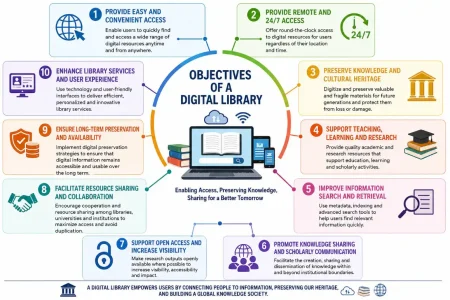
In an era where the rapid advancement of technology reshapes how information is stored and accessed, digital libraries and institutional repositories play an increasingly vital role in preserving and disseminating academic knowledge and cultural heritage. These digital platforms provide centralized, accessible locations for a vast range of resources, from scholarly articles and research papers to historical documents and multimedia collections. By digitizing and making these materials available online, digital libraries and institutional repositories contribute significantly to the preservation and promotion of both academic and cultural heritage.
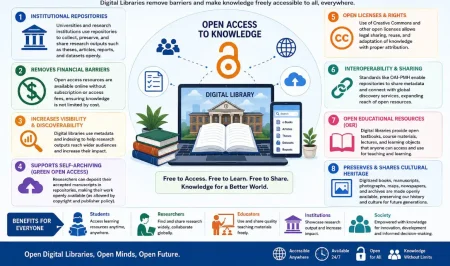
- Preserving Academic Knowledge: Digital libraries and institutional repositories serve as powerful tools for preserving academic knowledge by making scholarly materials accessible to a wider audience. These repositories store and preserve a wide variety of academic works, including theses, dissertations, research papers, conference proceedings, and data sets. For example, university-based institutional repositories, such as DSpace or OpenDOAR, offer a platform for researchers to deposit their work, ensuring that it is preserved in a digital format that is easily accessible to both current and future generations. By making these works freely available online, digital repositories promote knowledge sharing and collaboration across academic disciplines and geographical boundaries.
Moreover, these platforms ensure that valuable academic contributions are preserved in perpetuity, safeguarding them from the risk of physical degradation or loss. Traditionally, printed academic works could become obsolete or deteriorate over time. Digitization ensures that academic research is available for access and citation long after its original publication, thus supporting the ongoing development of scholarship in various fields. - Promoting Open Access and Knowledge Sharing: Digital libraries and institutional repositories have become central components of the open access movement, which advocates for free and unrestricted access to scholarly resources. By making academic content openly accessible, these platforms contribute to a more equitable distribution of knowledge, especially in regions or communities where access to physical libraries or academic databases may be limited. Open access repositories, such as PubMed Central or arXiv, provide free access to research articles, allowing anyone with internet access to benefit from the wealth of academic knowledge stored in these repositories. This not only democratizes access to scholarly content but also facilitates the sharing and collaboration of ideas across borders and disciplines.
As a result, digital libraries and repositories contribute to the broader academic landscape by promoting research that can be accessed and built upon by researchers worldwide. By making these resources freely available, digital platforms encourage the dissemination of knowledge, fostering innovation and academic growth. - Preserving Cultural Heritage: In addition to academic works, digital libraries play an essential role in preserving cultural heritage. Many libraries, museums, and archives have embarked on large-scale digitization projects to preserve historical and cultural materials that are at risk of deterioration due to age, climate, or limited access. This includes the digitization of historical documents, artifacts, photographs, manuscripts, and audio-visual materials. These digital versions provide a means of preserving cultural heritage for future generations while increasing global access to rare and significant works.
For example, initiatives like Europeana, a digital platform for European cultural heritage, have made millions of historical artifacts, manuscripts, and artworks accessible online. Similarly, the Smithsonian Institution has digitized a large portion of its vast collection, providing a digital gateway to invaluable pieces of American history. By digitizing these materials, cultural institutions ensure that these items are protected from the risks of physical degradation and destruction. Additionally, digitized versions make these works widely available, allowing people from all over the world to explore and engage with cultural heritage that might otherwise be confined to a specific geographic location. - Enhancing Research and Education: Digital libraries and institutional repositories also enhance research and education by providing easy access to a wealth of resources that support learning and scholarship. For researchers, these platforms serve as an essential resource for accessing primary source materials, historical records, and academic articles that are critical for developing new research projects. Moreover, by hosting large databases of digital resources, these platforms allow users to engage in data mining, text analysis, and digital humanities research, which can provide new insights and perspectives on academic subjects and cultural phenomena.
In education, digital libraries act as a crucial resource for teachers, students, and lifelong learners. Universities, schools, and other educational institutions integrate digital libraries and institutional repositories into their curricula, providing students with access to a diverse range of digital resources that support their learning. From textbooks and peer-reviewed articles to digitized historical texts and primary sources, these platforms enhance the educational experience by offering accessible and curated content for a wide range of subjects. - Fostering Collaboration and Innovation: Digital libraries and institutional repositories also encourage collaboration and innovation within academic and cultural institutions. By creating centralized, open-access platforms for sharing research and cultural artifacts, these digital repositories foster collaboration among researchers, scholars, educators, and institutions. Projects and research initiatives that once existed in silos can now be shared and developed through the easy exchange of digital resources.
Additionally, the accessibility of digital resources promotes interdisciplinary and cross-institutional collaboration, allowing different academic and cultural institutions to work together on large-scale projects. For instance, digitized collections from multiple institutions can be aggregated and shared in a collaborative manner, enhancing the reach and impact of cultural preservation efforts and research initiatives. Through collaboration, libraries and repositories can maximize the preservation of both academic and cultural heritage while promoting innovative uses of digitized materials.
Digital libraries and institutional repositories play a crucial role in the preservation of academic and cultural heritage. By digitizing academic works, historical documents, and cultural artifacts, these platforms ensure that knowledge and cultural heritage are preserved for future generations while promoting wider access to these resources. They also support the open access movement, enhance education, and foster collaboration among researchers, scholars, and institutions worldwide. As technology continues to evolve, digital libraries and repositories will remain at the forefront of efforts to preserve and disseminate knowledge, contributing to the growth of both academic scholarship and global cultural preservation.
References:
- Selvakumar, A. (2002). Acquisition and preservation of digital library resources. Retrieved from: http://hdl.handle.net/10603/61632
- Akintunde, S. A., & Anjo, R. (n.d.). Digitizing Resources in Nigeria: An Overview.
- Byamugisha, H. M. (2010). Digitizing library resources for new modes of information use in Uganda. Library Management, 31(1/2), 42–56. https://doi.org/10.1108/01435121011013395
- David, O. (2017). Library Resources’ Digitization and Its Impact on the Services of Academic Libraries: The Case of John Harris Library, University of Benin. 3(7).
- Digitization of library resources and the formation of digital libraries: Special reference in green stone digital library software. (2020). IP Indian Journal of Library Science and Information Technology, 3(1), 44–48. https://doi.org/10.18231/2456-9623.2018.0010
- Fabunmi, B. A., Paris, M., & Fabunmi, M. (2006). Digitization of Library Resources: Challenges and Implications For Policy and Planning. http://localhost:8080/jspui/handle/123456789/29
- Jagboro, K. O., Omotayo, B. O., & Aboyade, W. A. (2012). Digitization of Library Collection in Developing Countries: The Hezekiah Oluwasanmi Library Experience.
- Lacuata, A. N. (2020). Digitization of Library Resources in Higher Education Institutions in La Union, Philippines. Preservation, Digital Technology & Culture, 49(4), 139–158. https://doi.org/10.1515/pdtc-2020-0031
- Lopatin, L. (2006). Library digitization projects, issues and guidelines. Library Hi Tech, 24(2), 273–289. https://doi.org/10.1108/07378830610669637
- Musa, A., & Musa, S. (2012). DIGITIZATION OF LIBRARY RESOURCES IN KASHIM IBRAHIM LIBRARY: PROCESSES, CHALLENGES AND THE IMPACT ON THE SERVICES OF THE LIBRARY BEING A PAPER PRESENTED AT KADUNA STATE CHAPTER OF NLA /AGM CONFERENCE VENUE: HELD AT KADUNA STATE UNIVERSITY, KADUNA DATE 12 TH DECEMBER, 2012.
- Nneji, K. O. (n.d.). Digitization of academic library resources: A case study of Donal E. U. Ekong Library.
- Obiora, K. U., Okeke, I. E., & Onwurah, B. (2015). Digitization of Library Resources in University Libraries: A Practical Approach, Challenges and Prospects. http://repository.unizik.edu.ng/handle/123456789/724
- Otubelu, B. N., & Ume, L. E. (2015). Digitization of Library Resources in Academic Libraries: Challenges and Implication. http://repository.unizik.edu.ng/handle/123456789/649
- Pandey, P., & Misra, R. (2014). Digitization of Library Materials in Academic Libraries: Issues and Challenges. Journal of Industrial and Intelligent Information, 2(2), 136–141. https://doi.org/10.12720/jiii.2.2.136-141
- Quan Liu, Y. (2004). Best practices, standards and techniques for digitizing library materials: A snapshot of library digitization practices in the USA. Online Information Review, 28(5), 338–345. https://doi.org/10.1108/14684520410564262
- Usman, I. (n.d.). DIGITIZATION OF LIBRARY RESOURCES AND THE FORMATION OF DIGITAL LIBRARIES: A PRACTICAL APPROACH.
- Warwick, C., Terras, M., & Nyhan, J. (2012). Digital Humanities in Practice. Facet Publishing.
1 Comment
What are the functions of digitization
In library science