What Is a Library Card Cabinet?
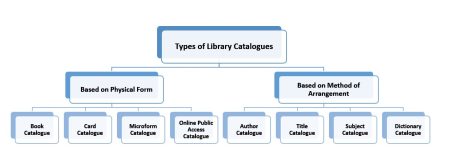
A library card cabinet is a traditional piece of library furniture designed to store and organize catalog cards that describe the library’s collection. Before the introduction of computerized catalogs and OPACs, the card cabinet served as the primary access tool for users to locate books and other materials in a library. It typically consists of a series of small drawers, each containing hundreds of standardized cards arranged in a specific order—usually alphabetical or classified. Each catalog card provides essential bibliographic information such as the author’s name, title of the book, subject headings, edition, publication details, and call number, which helps users find the physical item on the shelves. By consulting the card cabinet, users could systematically search the library’s holdings through author, title, or subject entries. Although largely replaced by digital cataloging systems today, the library card cabinet remains an important symbol of traditional librarianship and continues to be preserved in many libraries for historical, instructional, and archival purposes.
Importance of the Card Cabinet in Traditional Libraries
The card cabinet was important in traditional libraries because it served as the primary access point to the library’s entire collection before the development of computerized cataloging systems. It systematically organized bibliographic information about books and other materials into easily searchable catalog cards, allowing users to locate resources by author, title, or subject. Through standardized cataloging and filing rules, the card cabinet brought order to large and growing collections, ensuring consistency and accuracy in information retrieval. It also functioned as a bridge between classification systems and physical shelving, as the call number recorded on each card guided users directly to the exact location of an item. Moreover, the card cabinet empowered users to conduct independent searches without constant staff assistance, promoting information literacy and self-directed learning. In addition to its practical role, the card cabinet supported library management activities such as collection control and inventory checking.
Materials Used to Make Library Card Cabinets
Library card cabinets are traditionally made from durable and long-lasting materials to withstand frequent use and to protect catalog cards from damage. The most common material used is hardwood, such as oak, teak, or mahogany, which provides strength, stability, and resistance to wear. Wooden cabinets were preferred in traditional libraries because they were sturdy, aesthetically pleasing, and suitable for long-term indoor use. In some libraries, especially larger or more modern ones, metal cabinets made of steel or aluminum were also used, as they offer greater resistance to fire, pests, and environmental damage. The drawers are typically fitted with metal handles, label holders, and rod mechanisms to keep the cards aligned and secure. In addition, high-quality brass or steel fittings were commonly used to prevent rusting and ensure smooth operation. These carefully selected materials ensured that library card cabinets remained functional, organized, and reliable for decades, making them an essential component of traditional library infrastructure.
Placement of the Card Cabinet in a Library
In traditional libraries, the card catalog is usually placed in a central and easily accessible area, allowing users to consult it conveniently before searching for materials on the shelves. Most commonly, it is located near the circulation desk or reference section, where library staff are available to assist users in understanding how to use the catalog. This strategic placement enables readers to quickly verify bibliographic details and call numbers before proceeding to the stack area. In some libraries, card cabinets are also positioned close to the entrance or reading area, ensuring that users encounter the catalog early in their visit. Adequate lighting and sufficient space around the cabinet are typically provided, allowing multiple users to search the cards comfortably at the same time. By placing the card cabinet in such a prominent location, traditional libraries ensured efficient access to information and encouraged users to rely on the catalog as the first step in finding library materials.
Main Parts of a Library Card Cabinet
The main parts of a library card cabinet are designed to store, protect, and organize catalog cards in a systematic way for easy retrieval. The cabinet frame forms the outer structure and provides overall strength and stability, usually made of wood or metal. Inside the cabinet are multiple drawers, which are the most important functional part, each holding a specific alphabetical or classified sequence of catalog cards. Every drawer contains a metal rod or locking bar that passes through holes in the cards to keep them aligned and prevent loss or misplacement. The catalog cards themselves carry bibliographic information such as author, title, subject, and call number. To help users navigate efficiently, guide cards with visible tabs are placed at regular intervals to indicate alphabetical or subject divisions. The drawers are fitted with handles and label holders, which allow users to pull them out easily and identify the range of entries inside. Together, these parts ensure that the card cabinet functions as an organized and reliable access tool in traditional libraries.
Purpose of the Hole at the Bottom of Catalog Cards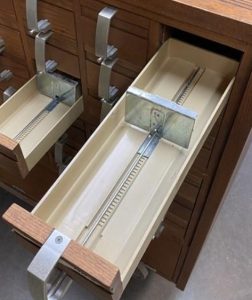
Catalog cards have a hole at the bottom primarily to secure and organize the cards within the card cabinet drawers. This hole allows a metal rod or locking bar to pass through the entire set of cards in a drawer, keeping them aligned in proper order and preventing them from being accidentally removed, dropped, or misplaced. By anchoring the cards to the drawer, the hole ensures that users can flip through the cards easily without disturbing their sequence. It also helps protect the catalog from loss or theft, especially in libraries with heavy user traffic. Additionally, the hole contributes to the long-term maintenance of the catalog by reducing wear and tear caused by frequent handling.
Why Card Cabinets Are Still Preserved in Some Libraries
Card cabinets are still preserved in some libraries because of their historical, educational, and cultural significance. They represent a crucial phase in the development of librarianship, documenting how libraries were organized and provided access to information prior to the digital era. Many libraries retain card cabinets as teaching tools for students of Library and Information Science, helping them understand traditional cataloging principles, classification systems, and filing rules that form the foundation of modern online catalogs. Card cabinets are also preserved for archival and heritage purposes, as they often contain records of older or rare collections that may not be fully integrated into digital systems. In addition, some libraries maintain them as museum exhibits or reference points, showcasing the evolution of library services to users and visitors. By preserving card cabinets, libraries honor their professional legacy while highlighting the transition from manual to digital information organization systems.