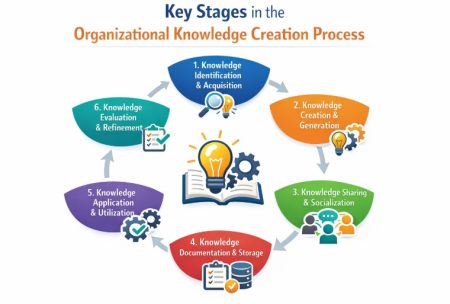
Knowledge transfer refers to the process of sharing or disseminating knowledge, skills, and expertise within or between organizations, teams, or individuals. It is a critical aspect of organizational learning and innovation, enabling entities to leverage existing knowledge to improve decision-making, enhance performance, and foster collaboration. For example, in a software development company, knowledge transfer might occur when senior developers mentor junior developers or when teams share best practices through internal wikis or knowledge-sharing sessions. Effective knowledge transfer allows organizations to retain valuable insights and expertise, ensuring continuity and growth, even when key personnel leave or retire. For instance, if a senior manager in a manufacturing company retires, the knowledge they have accumulated over the years can be transferred to their successor through structured handover processes, preventing a loss of critical information.
The process can take various forms, including formal training sessions, mentoring, documentation, collaborative work, and the use of information technology platforms. In healthcare, for example, knowledge transfer can occur through patient case discussions or when medical professionals attend workshops to share the latest research findings. However, knowledge transfer is often not without its challenges, such as overcoming barriers related to communication, organizational culture, or technology. For instance, in multinational companies, language and cultural differences can complicate the sharing of knowledge across regions. Additionally, a lack of proper technological infrastructure can hinder the transfer of knowledge, such as when employees in different locations are unable to access a central knowledge database due to inadequate IT systems.
Understanding and addressing these barriers is crucial for optimizing the flow of knowledge and ensuring that valuable information is effectively shared across different levels of an organization or between organizations. As the global business environment becomes increasingly interconnected, the importance of seamless knowledge transfer is more pronounced, especially in fostering innovation and maintaining competitive advantage. For example, companies like Google and Apple heavily rely on knowledge transfer to innovate and stay ahead in the technology sector by encouraging collaborative work and sharing insights across teams and locations.
Common Barriers to Effective Knowledge Transfer in Organizations
Knowledge transfer is essential for organizational growth, innovation, and maintaining a competitive edge. However, several barriers often hinder the seamless exchange of knowledge, impeding organizations from fully capitalizing on their internal expertise. These barriers can be categorized into several key areas, each of which presents challenges to the efficient flow of information and skills. Understanding these barriers is the first step toward mitigating their impact and improving knowledge-sharing practices.
- Cultural Barriers: Organizational culture plays a significant role in shaping the flow of knowledge. In companies where a competitive, siloed, or hierarchical culture prevails, knowledge transfer often faces resistance. Employees may feel that sharing knowledge could diminish their power, influence, or job security. Furthermore, if the culture doesn’t promote open communication or collaboration, individuals might not feel motivated to share their expertise with others. For example, in a highly competitive sales environment, employees might withhold successful strategies to maintain a personal edge over colleagues. A lack of a culture that values sharing and collaboration can greatly limit the effectiveness of knowledge transfer.
- Lack of Trust: Trust is the foundation of any effective knowledge-sharing process. In organizations where trust is lacking—whether between employees, departments, or management—knowledge transfer is likely to be inefficient. Employees may hesitate to share their expertise if they fear that their ideas will be misused, misinterpreted, or appropriated by others. This is particularly true when employees do not trust their leaders to value or properly implement the knowledge they share. For instance, if a senior manager in an organization does not demonstrate trust in their team by micromanaging or taking credit for their ideas, employees may be less inclined to freely share information.
- Technological Barriers: In the digital age, effective knowledge transfer is often reliant on the use of technology. However, technological barriers can significantly hinder knowledge flow within an organization. For instance, outdated or incompatible software, poor systems integration, or inadequate tools for collaboration can create significant obstacles to knowledge sharing. Even with modern tools such as cloud storage, knowledge management systems, and collaborative platforms, organizations may face challenges in encouraging employees to use them effectively. For example, employees in different locations or departments may struggle to access the same central knowledge base if the technology is not user-friendly or if there are issues with system reliability.
- Time and Workload Constraints: In many organizations, employees are under constant pressure to meet deadlines and manage their day-to-day responsibilities. This focus on immediate tasks often leaves little time for engaging in knowledge-sharing activities. Employees may prioritize completing their own tasks over participating in knowledge transfer sessions or documenting valuable information. This barrier is particularly pronounced in fast-paced industries like consulting or technology, where time constraints can limit opportunities for sharing knowledge. For example, consultants working on client projects might not have time to attend workshops or contribute to knowledge repositories, even though their insights could benefit the wider organization.
- Geographical and Organizational Barriers: Organizations with a global or dispersed workforce often face challenges related to geographical separation. Time zone differences, cultural barriers, and logistical issues can complicate the process of knowledge transfer. Employees in different locations may struggle to coordinate meetings, share insights, or collaborate effectively across borders. For example, a global company with offices in the U.S., Europe, and Asia may find it difficult to align schedules for cross-regional knowledge-sharing sessions. Additionally, organizational structure can also impede knowledge transfer. In highly siloed organizations, departments may operate independently, with limited interaction and collaboration between them. For instance, a marketing department may not share valuable customer insights with the product development team, which can result in missed opportunities for improving products or services.
- Challenges of Tacit Knowledge Transfer: Tacit knowledge—the kind of knowledge that is personal, experience-based, and difficult to articulate—is often the most challenging to transfer. Unlike explicit knowledge, which can be easily documented and shared, tacit knowledge relies on personal experience and intuition, making it harder to communicate or codify. For example, an experienced engineer’s practical knowledge of solving complex technical issues may be difficult to express in written manuals or guidelines. As a result, this knowledge is often passed through mentorship, shadowing, or informal interactions. The challenge arises when such informal channels are unavailable or when employees do not have the opportunity to engage in face-to-face interactions that would allow for the transfer of tacit knowledge.
- Lack of Motivation or Incentives: Without clear incentives or motivation, employees may be unwilling to engage in knowledge-sharing activities. If knowledge transfer is not recognized, rewarded, or tied to career advancement, employees may see little value in sharing their expertise with others. In many cases, organizations fail to establish formal systems for rewarding knowledge-sharing behaviors, such as offering recognition or including knowledge-sharing as part of performance appraisals. For example, in a law firm, if partners are not encouraged or incentivized to share their knowledge with junior associates, the firm’s overall knowledge base may remain stagnant, impacting its ability to innovate or respond to client needs.
- Ineffective Leadership: Leadership plays a crucial role in facilitating or hindering knowledge transfer. When leaders do not prioritize knowledge management or fail to create the right environment for knowledge sharing, employees may not see knowledge transfer as important. Poor leadership can also contribute to confusion about expectations and a lack of support for knowledge-sharing initiatives. For instance, if senior management does not set clear goals for collaboration or fails to invest in the necessary tools for knowledge management, knowledge transfer may be ineffective. Conversely, leaders who actively promote knowledge-sharing practices, set clear expectations, and lead by example can significantly enhance the effectiveness of knowledge transfer.
- Legal and Privacy Concerns: In some industries, legal and privacy concerns may limit the ability to share certain types of knowledge. For example, in highly regulated sectors like healthcare or finance, sharing sensitive information may violate compliance regulations or breach confidentiality agreements. Employees may be restricted from sharing certain proprietary information or client data due to intellectual property protections, making it more difficult to transfer valuable knowledge. These legal barriers can slow down decision-making and innovation, particularly when timely knowledge sharing is essential for staying competitive.
While knowledge transfer is a powerful tool for organizational growth and success, several barriers can hinder its effectiveness. Cultural challenges, lack of trust, technological limitations, time constraints, and geographical barriers all pose significant obstacles to knowledge-sharing efforts. Additionally, the difficulties associated with tacit knowledge transfer, lack of motivation, ineffective leadership, and legal concerns further complicate the process. To overcome these barriers, organizations must foster a culture of trust, invest in the right technologies, provide incentives for knowledge sharing, and develop systems that promote collaboration across geographical and departmental boundaries. By addressing these challenges head-on, organizations can unlock the full potential of their knowledge assets, leading to greater innovation, efficiency, and long-term success.